
For many cat owners, the vision of a "low-maintenance" pet often includes the belief that cats are perfectly capable of entertaining themselves. We provide a basket full of crinkle balls, mouse toys, and catnip-infused plushies, assuming that when the mood strikes, our feline companions will simply amuse themselves. However, leading animal behaviorists and veterinary experts are increasingly highlighting a critical error in this assumption.
Interactive play—meaning active, human-led engagement—is not merely a recreational luxury; it is a foundational pillar of feline physical and emotional health. When this essential component is missing from a cat’s daily routine, the consequences often manifest as behavioral disruptions that leave owners frustrated and confused.
Main Facts: The Anatomy of a Happy Cat
At its core, the domestic cat (Felis catus) remains a finely tuned predator. Despite thousands of years of domestication, the feline brain is still wired to execute the "predatory sequence": stalk, chase, catch, eat, and rest.
When a cat lives strictly indoors without the opportunity to engage in this natural cycle, the excess energy and frustrated hunting instincts must go somewhere. This is where "behavioral baggage" begins to accumulate. Issues such as nocturnal hyperactivity (the "zoomies" at 3:00 a.m.), destructive scratching, unwarranted aggression, and attention-seeking behaviors are rarely signs of a "bad" cat. Instead, they are often the clinical symptoms of an under-stimulated animal.
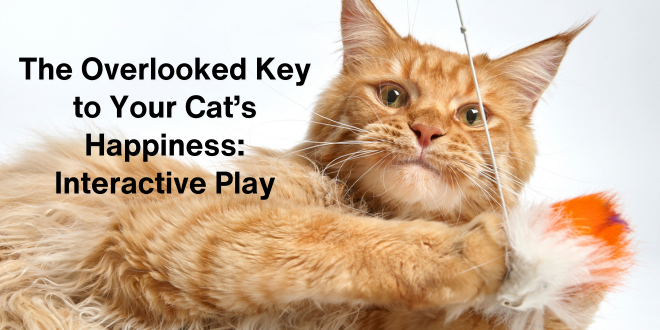
The primary differentiator between "passive" play (leaving a toy on the floor) and "interactive" play is the presence of the owner. By participating in the hunt, you are not just a spectator; you are the facilitator of your cat’s natural survival instincts, providing a safe and constructive outlet for their predatory drive.
Chronology of a Successful Session: Structuring the "Hunt"
To effectively implement interactive play, owners should move away from erratic, high-intensity movement and toward a structured, methodical approach. Experts suggest scheduling at least two sessions per day, each lasting approximately 15 minutes. While this can be adjusted based on the individual cat’s age and energy level, consistency is the key to success.
The Phases of the Hunt
- The Stalk (The Warm-Up): Begin with slow, subtle movements. The toy should mimic the behavior of a nervous creature. Drag the wand toy behind a piece of furniture or move it slowly across the floor, incorporating frequent pauses. These pauses allow the cat to observe, calculate distance, and engage in the mental strategy of the hunt.
- The Chase (The Engagement): Once the cat is focused and engaged, increase the tempo slightly. The goal is to get the cat moving, but not necessarily to the point of exhaustion. The "prey" should occasionally move toward the cat to encourage a defensive pounce, then away to trigger the chase.
- The Catch (The Climax): This is the most crucial moment. Your cat must feel the sensation of capturing the toy. This is why experts strongly advise against the use of laser pointers as a primary play tool. A laser light provides visual stimulation but zero physical tactile feedback. A cat can never "catch" a beam of light, which often leads to profound frustration and, in some cases, the development of compulsive behavioral disorders. If you use a laser pointer, it should only be used as a "bait" to lure the cat toward a physical, tangible toy that they can finally bite and "kill."
- The Eat and Rest (The Decompression): Never end a session abruptly. If you stop the game suddenly, the cat is left in a state of high physiological arousal with nowhere to put that energy. Instead, simulate the prey "dying" or becoming injured. Slow the movements down until the toy is still, allowing the cat to make the final pounce. Immediately following the capture, provide a small meal or a high-value treat. This mimics the natural conclusion of a successful hunt in the wild, signaling to the cat’s nervous system that it is time to groom and rest.
Supporting Data: The Impact on Behavioral Health
The correlation between regular interactive play and the reduction of stress-related behaviors is well-documented in feline behavioral science. A study of household environments shows that cats with "job-oriented" enrichment—where they must solve problems or hunt to receive rewards—show significantly lower levels of cortisol, the primary stress hormone.
Furthermore, interactive play serves as a vital tool for confidence building. For shy or anxious cats, successfully "capturing" a toy repeatedly acts as a series of small wins. Over time, this boosts their self-assurance, making them more likely to interact with visitors and less likely to hide when faced with new stimuli.

Additionally, for multi-cat households, structured play can mitigate inter-cat aggression. When cats are bored, they may turn their predatory focus toward each other. By providing a proper outlet for their hunting instincts, owners can redirect that energy away from housemates and toward a wand toy.
Official Perspectives and Professional Recommendations
Leading experts, including renowned feline behaviorist Pam Johnson-Bennett, emphasize that play is not a one-size-fits-all endeavor. Younger kittens require high-frequency, shorter bursts of activity, while senior cats may need more subtle, low-impact sessions that focus on mental engagement rather than high-speed running.
"The bond between human and cat is forged in these moments of shared purpose," notes the behavioral consensus. When an owner takes the time to understand their cat’s individual hunting style—whether they prefer to chase things in the air or pounce on things creeping along the carpet—they are investing in the long-term emotional stability of their pet.
Professional guidance suggests that if your cat is displaying behavioral issues, the first "prescription" should not be medication, but a strict, consistent, and well-executed interactive play routine. Many owners report that after just two weeks of twice-daily 15-minute sessions, issues such as biting ankles, waking owners at night, and excessive vocalization begin to diminish significantly.

Implications for the Modern Cat Owner
The transition from viewing a cat as an "independent roommate" to viewing them as a "dependent partner" is the most important shift a cat owner can make. In our modern, high-speed lives, 30 minutes of daily, intentional play can feel like a significant commitment. However, when measured against the cost of replacing shredded furniture, addressing anxiety-induced health issues, or managing chronic aggression, the investment pays for itself tenfold.
Summary Checklist for Owners:
- Invest in high-quality wand toys: Avoid cheap plastic that breaks easily; look for sturdy rods with replaceable attachments (feathers, ribbons, faux fur).
- Keep it consistent: Aim for the same times every day. Cats thrive on routine.
- Prioritize the "Capture": Ensure the cat physically touches the toy at the end of the session.
- Observe and Adapt: If your cat turns away, the prey is moving too fast or too predictably. Slow down and make it more "natural."
- The Follow-Through: Always end with food. A hungry cat is a frustrated cat.
Ultimately, interactive play transforms the home environment. It turns a static, boring space into a rich, stimulating hunting ground. By engaging in the primal dance of the hunt, you are not just preventing bad behavior; you are honoring the ancient, wild spirit of the cat living in your home. You are providing them with the fulfillment they were born to seek, and in return, you are gaining a healthier, happier, and more deeply connected companion.
For those looking to dive deeper into the nuances of feline psychology, resources from established experts remain an invaluable guide. Whether through instructional literature or professional consultations, understanding the "why" behind your cat’s play is the first step toward a more harmonious household.