

For many cat owners, the discovery of an accident outside the litter box is a source of immediate frustration and confusion. It is common to interpret this behavior as a calculated act of "spite" or a display of stubbornness. However, feline behaviorists and veterinarians agree: cats do not possess the cognitive capacity for human-style retribution. When a cat eliminates outside the box, they are not trying to punish you; they are attempting to solve a problem that has made the litter box either physically inaccessible, emotionally threatening, or hygienically unacceptable.
Understanding that these incidents are a form of communication—not rebellion—is the foundational step toward restoring harmony in your home. By shifting the perspective from "my cat is being bad" to "my cat is struggling," you can begin to identify the underlying environmental or medical stressors driving the behavior.
The Core Facts: Why Cats Change Their Habits
At its heart, a cat’s decision to eliminate outside the box is a logical response to their environment. Cats are creatures of habit and instinct, driven by a survival-based need to feel secure while in a vulnerable position. When they choose a rug, a laundry pile, or a quiet corner instead of the box, they are selecting a location that satisfies their current needs—needs that the litter box is currently failing to meet.
The Myth of Spite
Many owners mistakenly believe their cat is "getting back" at them for a trip to the vet, a new work schedule, or a change in furniture. In reality, cats repeat behaviors that provide them with comfort or relief. If a cat finds a location that feels safer or more convenient than their designated box, they will naturally return to that spot. Labeling this as "spite" is not only inaccurate, it is a significant barrier to solving the issue, as it encourages punitive measures that only serve to increase the cat’s anxiety.
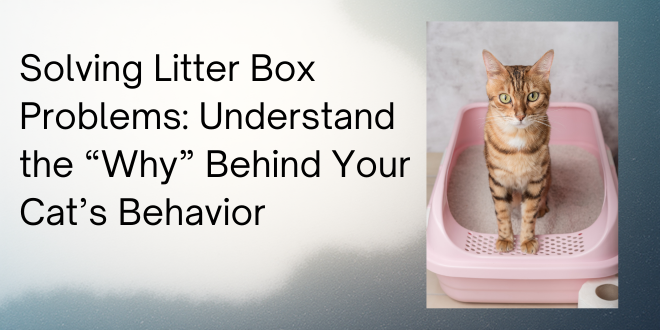
Chronology of Resolution: How to Diagnose the Issue
When a litter box issue arises, the resolution process should follow a systematic, logical order to ensure no stone is left unturned.
Step 1: The Veterinary Audit
Before assuming the problem is behavioral, you must rule out medical pathology. This is the most critical step. Conditions such as urinary tract infections (UTIs), bladder stones, kidney disease, or diabetes can cause urgency and pain during urination. If a cat associates the litter box with the pain of a UTI, they will naturally try to find a different place to go, hoping to avoid the discomfort. Always consult a veterinarian first to clear your cat of physical ailments.
Step 2: Environmental Assessment
Once health issues are ruled out, look at the logistics. Is the box in a high-traffic area? Is it too small for the cat to turn around in comfortably? Is it covered, preventing the cat from scanning for threats?
Step 3: Social Dynamics
In households with multiple cats, the "social atmosphere" is often the culprit. Analyze the placement of boxes relative to the "territory" of different cats. If a dominant cat frequently lurks near the litter box area, the subordinate cat may be experiencing enough fear to avoid the box entirely.

Supporting Data: The Science of Feline Hygiene and Security
The "Cleanliness Standard"
Cats are fastidious animals by nature. Their wild ancestors were both predators and prey, meaning they developed the instinct to cover their waste to mask their scent from larger predators and to avoid drawing attention to their location.
If a box is not scooped at least twice daily, the accumulation of waste changes the scent profile, turning the box into a "smelly" location that the cat perceives as a beacon for danger. Furthermore, even with daily scooping, the box itself absorbs odors over time. Regular deep cleaning with mild, unscented soap is essential. If the box smells unpleasant to a human nose, it is likely overwhelming to a cat’s highly sensitive olfactory system.
The "Safety First" Protocol
In a multi-cat home, the "Rule of N+1" is the gold standard for box management: you should have one more litter box than the number of cats in the household. If you have two cats, you need three boxes. These should be placed in different, quiet locations throughout the home.
Data shows that cats prefer open, uncovered boxes. A covered box, while aesthetically pleasing to humans, creates an "ambush point." If a cat cannot see its surroundings while using the box, they are susceptible to being cornered by other pets or startled by household noises. Providing an uncovered, large-entry box allows the cat to maintain 360-degree situational awareness.

Expert Perspectives and Professional Guidance
Renowned feline behaviorist Pam Johnson-Bennett has long advocated for a holistic approach to these issues. Her professional perspective emphasizes that we must look at the world through the "cat’s eyes."
The Importance of Consistency
Cats thrive on routine. A move, a new roommate, or even a change in the brand of litter can trigger anxiety in sensitive cats. When the world feels chaotic, the litter box is often the first resource to be neglected by the animal. Providing a consistent environment—where the box is always in the same place, the litter type remains constant, and the cleaning schedule is rigorous—can significantly reduce the incidence of accidents.
Addressing Multi-Cat Conflict
Professional behaviorists often note that "resource guarding" is a frequent cause of accidents. If one cat views the litter box as part of their territory, they may block access to it. It is vital to place boxes in areas where a cat can escape in multiple directions. If a cat feels trapped, they will not use the box. Creating "safe zones" where each cat can access a box without crossing the path of a rival is essential to preventing territorial tension.
Implications: The Path to Long-Term Success
Ignoring the warning signs of litter box avoidance leads to a cycle of stress that can manifest in other ways, such as over-grooming, decreased appetite, or aggression. Conversely, addressing the root cause strengthens the bond between the owner and the pet.

Key Takeaways for Owners:
- Never Punish: Punishment is counterproductive and damages the trust between you and your cat.
- Be Vigilant with Cleaning: Twice-daily scooping is the minimum requirement.
- Optimize Placement: Move boxes away from loud appliances, high-traffic corridors, and corners that offer no escape route.
- Monitor Social Groups: If your cats don’t get along, ensure they have separate, non-overlapping litter box locations.
- Listen to the Signals: Recognize that your cat is trying to tell you that something in their environment is not meeting their needs.
Final Considerations
Litter box issues are not a permanent state of being for your cat. They are a temporary, solvable problem. By observing your cat’s behavior, ensuring their health, and providing a clean, safe, and stress-free environment, you can restore your cat’s confidence in their litter box.
If you find that the problem persists despite your best efforts, do not hesitate to contact a professional veterinary behaviorist. They can offer specialized strategies tailored to your home’s unique layout and your cats’ specific social hierarchies. Remember, your cat wants to use the box just as much as you want them to; it is your role to ensure that the environment is one that makes that behavior the easiest and most attractive choice.
For further reading on creating a cat-friendly environment and managing feline behavior, consider resources authored by experts like Pam Johnson-Bennett, which provide deep dives into the nuances of feline psychology and environmental enrichment. By educating yourself, you ensure a long, healthy, and accident-free life for your feline companion.