
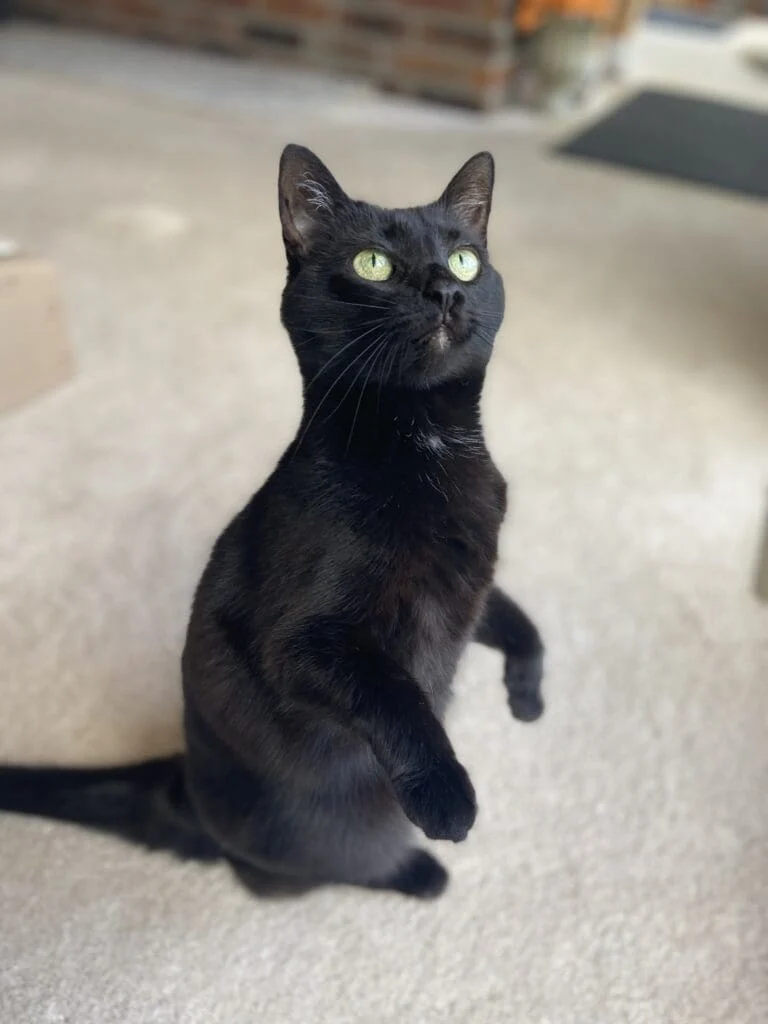
As veterinary medicine continues to advance and our understanding of feline nutrition deepens, cats are living longer and more vibrant lives than ever before. It is not uncommon for modern house cats to reach their late teens or even early twenties. However, this longevity brings with it a shifting set of responsibilities for cat owners. While some senior cats remain sprightly and youthful well into their twilight years, others undergo subtle changes that are frequently—and incorrectly—dismissed as "just getting old."
Expert feline behaviorists, including renowned author Pam Johnson-Bennett, emphasize that inactivity, social withdrawal, and loss of appetite are not merely symptoms of aging; they are often indicators of underlying pain or medical conditions that can be managed with professional intervention.
The Vital Role of Proactive Veterinary Medicine
The Frequency of Care
The cornerstone of senior feline health is consistent veterinary oversight. Many owners, deterred by the stress of transporting their pets to the clinic, may skip annual exams. This is a critical error. For a senior cat, a single year is a significant portion of their lifespan; therefore, veterinarians now recommend examinations every six months.
Early detection is the primary defense against age-related ailments such as chronic kidney disease, hyperthyroidism, and osteoarthritis. By the time a cat exhibits obvious symptoms of illness, the condition is often advanced. Regular, twice-yearly blood panels and physical exams allow for the early management of these conditions, significantly increasing both the lifespan and the quality of life of the aging pet.

Identifying Hidden Pain
Pain in cats is famously difficult to detect. Because they are evolutionarily wired to hide vulnerabilities, a senior cat may not cry or limp even when suffering from severe joint pain. Instead, they may stop jumping to their favorite perch, sleep more, or become uncharacteristically irritable. If your cat has suddenly lost interest in activities that previously brought them joy, the first step must always be a medical evaluation rather than an assumption of geriatric decline.
Three Overlooked Pillars of Senior Feline Enrichment
Beyond the exam room, the home environment plays a massive role in a senior cat’s well-being. Owners often neglect to modify their living spaces, assuming that a cat’s needs remain static throughout their life. To provide the best possible care, owners should focus on mental stimulation, physical mobility, and environmental accessibility.
1. Sustaining Cognitive Function through Mental Stimulation
Cognitive decline is a reality for many aging animals. To mitigate this, owners must act as "brain trainers."
- Interactive Play: Even if the cat’s physical prowess has diminished, the mental satisfaction of the hunt remains. Replace high-flying, intense bird-chasing games with ground-based play that mimics mice or insects.
- Puzzle Feeders: These tools force a cat to "work" for their food, keeping the brain engaged. Start with entry-level puzzles to ensure the cat feels successful, as frustration can lead to abandonment of the task.
- Clicker Training: Contrary to popular belief, cats are highly trainable. Short, five-minute sessions focusing on simple behaviors—like touching a target stick with their nose—can provide immense mental satisfaction and strengthen the bond between pet and owner.
2. Maintaining Mobility Through Low-Impact Activity
Movement is essential for joint health. The goal of exercising a senior cat is not intensity, but consistency. If your cat has arthritis, high-impact jumps are not only painful but dangerous. Instead, focus on low-level movement. Use ground-based toys and encourage your cat to walk through tunnels or follow a lure along the floor. This gentle movement helps maintain muscle mass, which in turn supports the joints, preventing the "atrophy-pain cycle" that often sets in when a cat stops moving entirely.

3. Modifying the Environment for Accessibility
As a cat’s physical capabilities change, the home must adapt.
- Vertical Access: If your cat can no longer jump to a high windowsill, install a ramp or a set of pet stairs. The ability to observe their territory from a high vantage point is vital for a cat’s sense of security.
- Ergonomic Feeding: Raise food and water bowls off the floor. This simple change reduces neck strain and is particularly helpful for cats suffering from cervical or spinal issues.
- Litter Box Logistics: A cat that has stopped using the litter box is often telling you that the box is too hard to enter. Transition to boxes with lower entry points. Additionally, ensure there are litter boxes on every floor of the home to minimize the distance an aging cat must travel when the urge strikes.
- Safety and Navigation: For cats with failing vision, stability is key. Keep furniture in fixed locations to assist with "mental mapping." Use nightlights to illuminate paths to food and litter, and consider textured rugs near stairs to serve as sensory cues for elevation changes.
Chronology of Care: A Life-Stage Perspective
Early Senior Years (Approx. 7–10 Years)
At this stage, the focus is on prevention. Owners should establish a baseline for their cat’s health through comprehensive blood work. It is also the ideal time to transition to a high-quality, life-stage-appropriate diet that supports joint health and weight management. Obesity is the most common health risk for this age group, and maintaining a lean body condition is the single most effective way to prevent future diabetes and joint issues.
The Mid-Senior Years (Approx. 11–15 Years)
During this phase, metabolic changes become more apparent. The cat’s ability to regulate body temperature decreases, meaning they will need extra help staying warm in winter and cool in summer. Grooming may also become difficult for the cat, necessitating more hands-on help from the owner to prevent matting and skin irritation.
The Advanced Senior Years (16+ Years)
This is a period of specialized care. Beyond the modifications mentioned above, owners must be vigilant regarding hydration and appetite. If a cat is struggling to maintain weight, consult with a veterinarian regarding caloric intake. In some cases, assisted feeding or supplemental hydration may be required.

Supporting Data and Clinical Implications
Data from the American Association of Feline Practitioners (AAFP) suggests that up to 90% of cats over the age of 12 exhibit radiographic evidence of degenerative joint disease. Despite this high prevalence, many owners report that their cats "don’t seem to have any issues." This discrepancy between clinical reality and owner perception highlights the need for a shift in how we interpret feline behavior.
Furthermore, studies on feline cognitive dysfunction syndrome (FCDS) show that environmental enrichment can delay the onset of symptoms by keeping neural pathways active. Much like in humans, the "use it or lose it" principle applies to the aging feline brain. By integrating puzzle feeders, training, and regular social interaction, owners can significantly delay the onset of confusion and disorientation.
Implications for Future Feline Welfare
The implications for the "senior cat revolution" are clear: the definition of a "good owner" is evolving. It is no longer enough to provide food, water, and shelter. Modern feline care requires an active partnership with veterinary professionals and an intuitive understanding of the cat’s changing physical environment.
As we move forward, the emphasis must shift from "management of decline" to "optimization of comfort." Every modification—from a ramp to a nightlight—serves to preserve the cat’s dignity and autonomy. When we respect these needs, we allow our feline companions to spend their final years not just surviving, but thriving in the comfort of the homes they have shared with us for so long.

Final Thoughts
The golden years of a cat’s life are a deeply rewarding chapter. While the maintenance requirements may increase, the companionship of a senior cat is unmatched. They are quieter, more settled, and deeply attached to their routines. By remaining observant, proactive, and compassionate, owners can ensure that their cat’s final years are marked by love, dignity, and the highest possible quality of life.
For those seeking deeper insights into behavioral modifications and specific training techniques, the literature provided by experts such as Pam Johnson-Bennett remains the gold standard in feline education. Always prioritize professional veterinary consultation for any specific health concerns.