Parrots are among the most captivating creatures in the avian kingdom. With their high intelligence, vibrant personalities, and uncanny ability to mimic human speech, they have secured a place as the fourth most popular pet in the United States, trailing only behind dogs, cats, and fish. While the parrot family is a literal kaleidoscope of biological wonder—boasting splashes of crimson, cobalt, saffron, and tangerine—one color stands as the defining archetype of the species: green.
Main Facts: The Science of the "Green" Illusion
To the casual observer, it appears that nature has painted the vast majority of the world’s 350 parrot species in varying shades of verdant green. However, a deep dive into avian physiology reveals a startling truth: there is, technically speaking, no such thing as a green parrot.
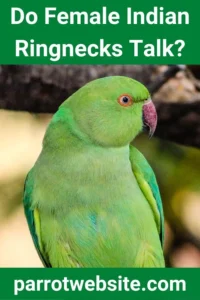
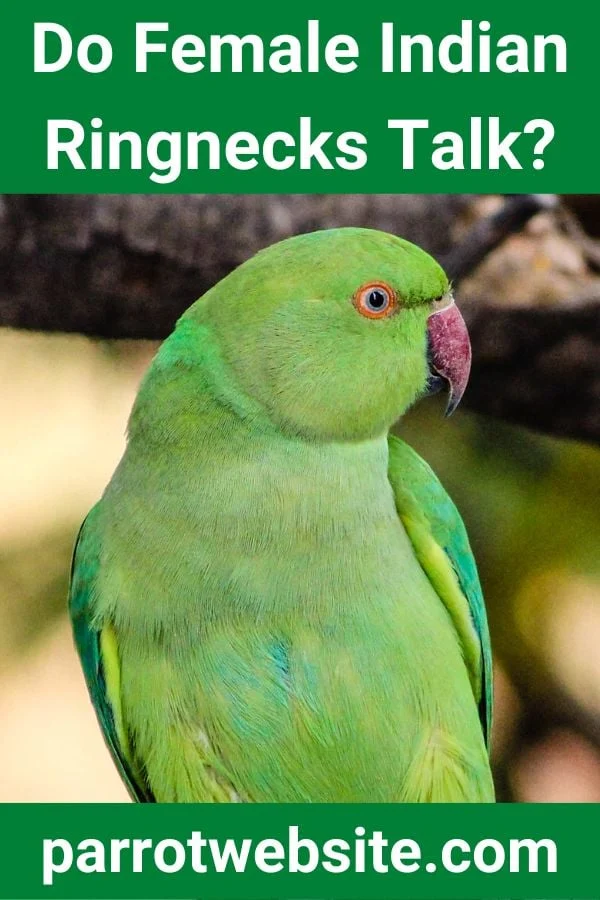
Unlike many animals that possess green pigments in their skin or feathers, parrots rely on a complex optical trick. Parrots only possess three primary pigments: red, yellow, and blue. The "green" we perceive is an illusion created by light scattering. When sunlight hits a parrot’s feather, the structure of the feather—specifically a layer known as the spongy medullary cells—scatters the blue light spectrum, which then reflects back through a layer of yellow pigment. The resulting mix is the vibrant green that defines the aesthetic of the rainforest canopy.
This phenomenon, known as structural coloration, is similar to the physics behind the infamous "blue and black or white and gold" dress that once polarized the internet. Despite this scientific reality, the term "green parrot" remains the standard nomenclature, and for good reason: it is the primary plumage for the overwhelming majority of the order Psittaciformes.
Chronology: From Wild Skies to Domestic Companions
The history of the human-parrot relationship spans millennia. Ancient records indicate that parrots were prized by civilizations ranging from the Roman Empire to the dynastic courts of India and China.
- Ancient Era: Parrots were status symbols, often gifted to royalty. Their ability to speak was viewed as a mystical or divine trait.
- 18th & 19th Century: With the expansion of global trade routes, parrot species were imported into Europe in larger numbers. Ornithologists began documenting the vast diversity of the family, noting that while many birds were colorful, the green-dominant species were the most resilient in diverse habitats.
- 20th Century: The rise of captive breeding programs transformed the parrot from a wild-caught curiosity into a staple of the household. Selective breeding began to emphasize both temperament and specific color mutations.
- Modern Day: Today, the focus has shifted toward conservation and ethical husbandry. As we learn more about the cognitive complexity of these birds, the standard for keeping them as pets has evolved from simple cage-keeping to comprehensive avian enrichment.
Supporting Data: Why "Green" Dominates the Canopy
Why does evolution favor green? In the wild, green is the ultimate camouflage. For a bird living in the dense, light-dappled foliage of a tropical rainforest, being green is a matter of survival. It allows these highly social birds to forage for fruits and seeds while remaining nearly invisible to aerial predators like raptors or terrestrial threats.
According to biological data, nearly all parrots exhibit some degree of green plumage. Solid green birds are, paradoxically, quite rare. Most species that appear "all green" actually possess subtle markings—a dash of scarlet on the wing, a streak of white on the chest, or a mask of black across the face—which serve as vital identification cues for flock members.
Selecting the Right Companion: A Guide to Popular Green Parrots
For those considering bringing a green parrot into their home, it is essential to understand that "green" is a broad category encompassing birds with wildly different needs and temperaments.
1. The Budgerigar (Budgie)
Often cited as the quintessential starter parrot, the Budgie is a marvel of intelligence. Weighing only an ounce, these birds are capable of learning over 1,000 words. Their plumage is typically a bright, grassy green accented by elegant black bar markings.
2. The Lovebird
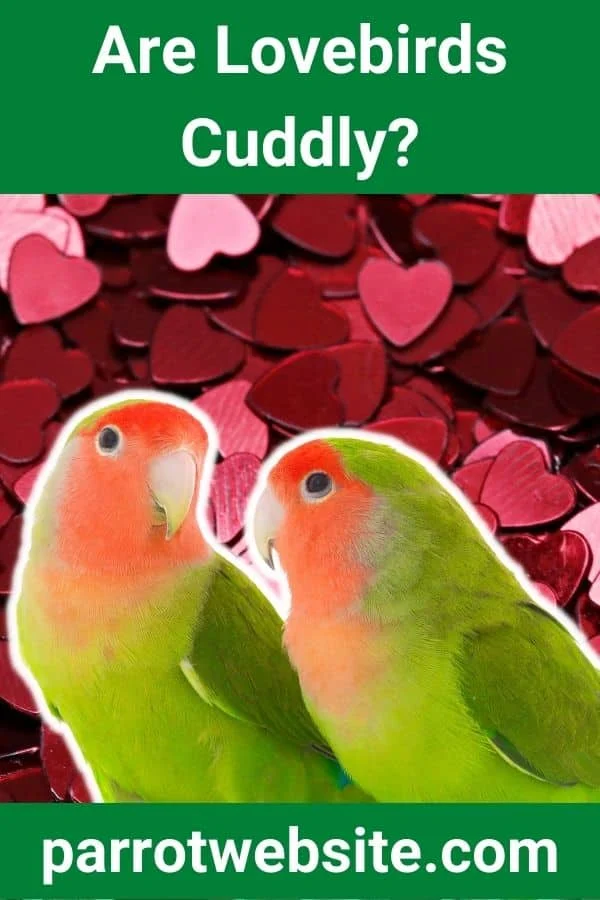
Small but mighty, Lovebirds (5–7 inches) are renowned for their intense social bonding. They require significant interaction; a bored Lovebird is a stressed Lovebird, and they are known to become nippy if they feel ignored.
3. The Male Eclectus
At 17–20 inches, the Eclectus is a stunning example of sexual dimorphism. While the female is a vibrant red and blue, the male is a brilliant, neon green. They are gentle and affectionate but require significant space to accommodate their larger stature.
4. The Green-Cheeked Conure
For those who want a high-energy companion, the Conure is an ideal choice. They are active, playful, and possess a "big bird" personality in a small body. They are highly dependent on human interaction and thrive in households where someone is present for most of the day.
5. The Amazon Parrot
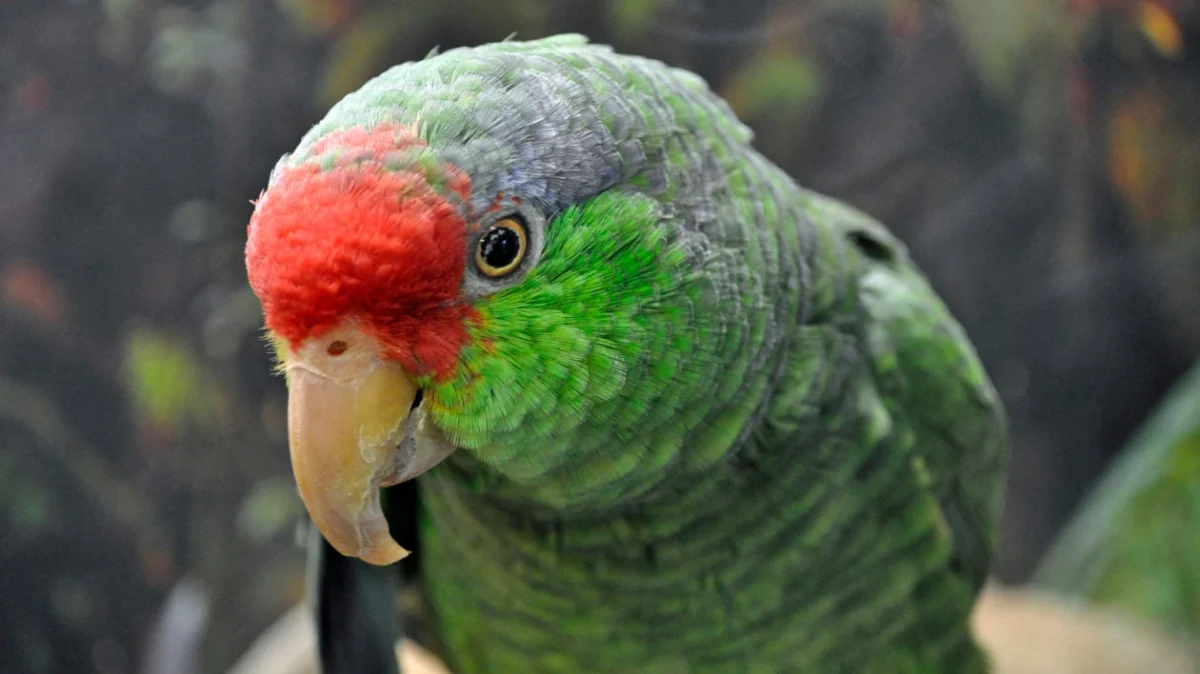
These are the "heavyweights" of the green parrot world. Known for their intelligence and vocal ability, they are long-lived and require a high level of commitment. An Amazon is not a pet to be taken lightly; they demand a significant time investment in socialization and training.
6. The Pacific Parrotlet
Often called the "pocket parrot," the Pacific Parrotlet is among the smallest members of the family. Despite their size, they are fearless and highly active, needing plenty of out-of-cage time to burn off their boundless energy.
7. The Quaker Parrot
Quakers are the entertainers of the group. If socialized correctly, they are remarkably quiet and gentle. They have a natural inclination toward mimicry, often learning to whistle tunes or replicate household sounds with high precision.
Official Perspectives: The Ethics of Adoption
Avian organizations and veterinary associations emphasize that adopting a parrot is a decades-long commitment. Unlike dogs or cats, many parrot species can live for 30 to 50 years. Before finalizing an adoption, potential owners should reflect on several critical factors:
- Noise Levels: Parrots are naturally loud. Even the "quiet" species will vocalize at dawn and dusk.
- Social Needs: These are flock animals. If left alone for long periods, they can develop severe psychological issues, including feather plucking and self-mutilation.
- Dietary Requirements: A "seed-only" diet is insufficient. Modern avian care requires a sophisticated mix of high-quality pellets, fresh vegetables, and occasional fruits.
- Financial Commitment: Beyond the initial purchase, parrots require specialized veterinary care, which can be significantly more expensive than standard veterinary visits for mammals.
The Linguistic Miracle: How Parrots Speak
The ability of a parrot to "talk" is one of the most studied phenomena in ethology. Unlike humans, who use vocal cords, parrots utilize a syrinx—a specialized organ located at the base of the trachea. By modulating airflow across the syrinx, they can produce a startling array of sounds.
It is a common misconception that parrots simply mimic sounds without context. Many owners report that their birds associate specific sounds with specific outcomes. For example, a bird might learn that a microwave "beep" signals that a favorite treat—like corn—is coming. After a while, the bird may begin to mimic the beep or even vocalize the word "corn" to prompt the action. This indicates a high level of associative learning that challenges our understanding of animal intelligence.
Implications for the Future
As we continue to study these green-clad wonders, our relationship with them is shifting. We are moving away from the era of "caged pet" to "avian companion." The implications for the future are clear: we must prioritize conservation of their wild habitats while ensuring that those in captivity live lives of mental stimulation and physical freedom.
Whether they are green by pigment or green by light-scattering physics, these birds bring a unique, vibrant energy to our lives. Their capacity for affection, their comedic timing, and their brilliant cognitive abilities ensure that, for as long as humans and birds share the planet, the parrot will remain one of our most fascinating, albeit complex, companions.
When you look at a green parrot, you aren’t just looking at a bird—you are looking at a masterclass in evolutionary adaptation, a social genius, and an emerald-colored mystery that continues to challenge our scientific understanding of the natural world.