By Equestrian Care and Management Desk
Published in partnership with veterinary and animal science insights
Clipping a horse’s winter coat is an annual ritual for equestrians across cold-weather climates. Far more than a mere aesthetic choice, coat clipping sits at the intersection of art and science. It is a critical management tool designed to balance a horse’s natural thermodynamics with the physical demands of winter riding, training, and competition.
When temperatures plummet, equines naturally grow a dense, insulating winter coat. While this evolutionary adaptation is brilliant for survival in the wild, it poses significant challenges for modern domesticated horses engaged in work. A thick coat traps heat and moisture; when a horse sweats heavily during exercise and fails to dry quickly, it risks chilling, muscle stiffness, and even respiratory illness.
To mitigate these risks, owners clip away varying amounts of hair. However, choosing the correct clip requires an understanding of the horse’s workload, living conditions, and physiological needs. This comprehensive guide explores four of the most popular winter clips—the Trace, Blanket, Hunter, and Full Body clips—backed by historical context, practical applications, and expert advice from leading animal scientists.
Main Facts: Understanding Equine Thermoregulation and Clipping
Before evaluating specific clip patterns, it is essential to understand why horses sweat and how clipping alters their thermal balance.
A horse’s winter coat functions as a natural thermal blanket. Guard hairs repel moisture, while a dense undercoat traps air, warming it via body heat. When a horse is put to work, its metabolic rate skyrockets, generating massive amounts of internal heat. To cool itself, the body produces sweat. If a heavy winter coat prevents that sweat from evaporating efficiently, the moisture becomes trapped against the skin.
When work ceases, the wet hair acts like a damp sponge, drawing heat away from the body too rapidly and causing the horse to shiver. This can lead to post-exercise fatigue and illness.
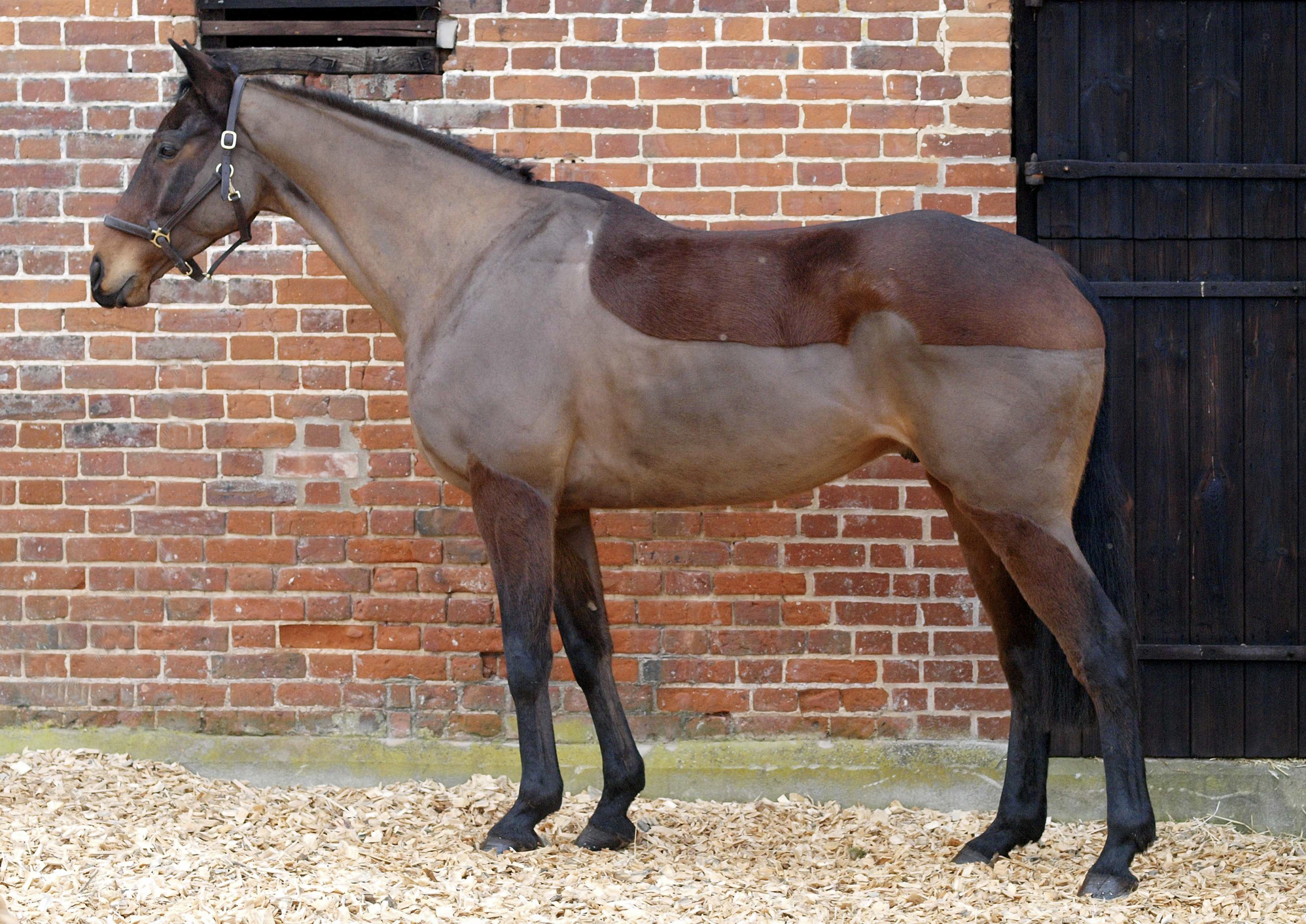
Clipping removes this thermal barrier strategically. By taking hair off areas of the body that generate the most heat and sweat—such as the chest, neck, and flanks—owners can prevent overheating during exercise. Meanwhile, leaving hair on vulnerable areas, such as the back, loins, and legs, helps protect sensitive muscle groups and joints from the elements.
The primary factors determining which clip a horse needs include:
- Workload: Light, moderate, heavy, or intense competitive training.
- Housing: 24/7 turnout, stabling with daily paddock time, or climate-controlled barns.
- Climate: Mild winters versus harsh, sub-zero environments with wind and precipitation.
- Coat Density: Some horses grow exceptionally thick, "yak-like" coats, while others retain finer winter hair.
Chronology: The Evolution of Equine Clipping Patterns
Equine clipping is not a modern invention born out of indoor arenas and high-tech blankets. Its origins trace back centuries, evolving alongside the changing roles of horses in human society.
Historical Origins
Centuries ago, heavy draft horses, carriage horses, and cavalry mounts were required to perform strenuous work regardless of the season. In the 18th and 19th centuries, working horses grew heavy winter coats to survive unheated stables and outdoor turnouts, but working them in these coats led to dangerous fatigue and heavy sweating.
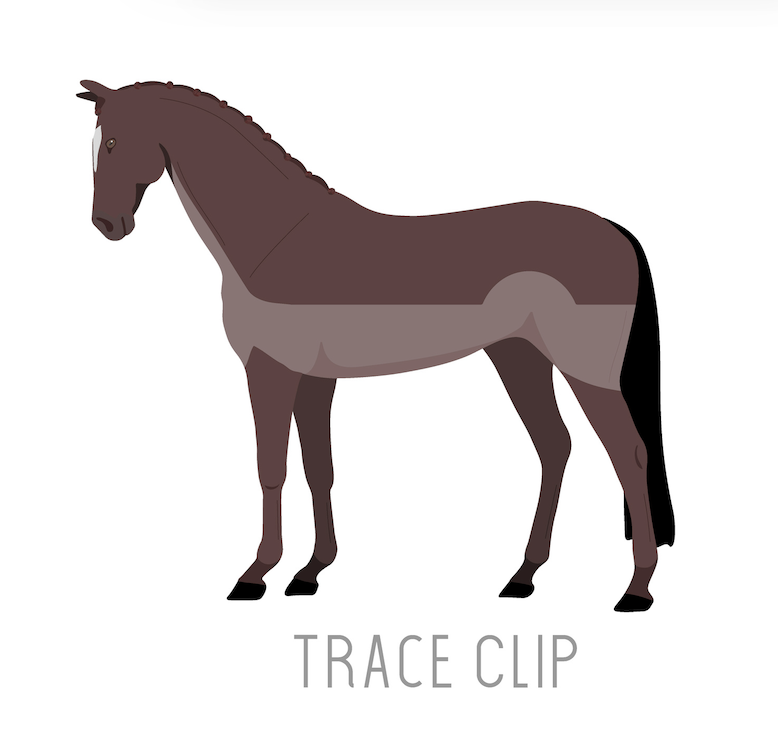
Grooms and handlers noticed that horses working in harness sweated predominantly in specific zones—where the heavy leather straps, pads, and traces pressed against their bodies. This historical observation led to the creation of the trace clip, named quite literally after the traces of the driving harness.
The Rise of Sport and Leisure Riding
As the industrial revolution reduced the reliance on draft and carriage horses, the focus of equine use shifted toward agriculture, sport, and recreation. Disciplines like foxhunting, show jumping, and eventing grew in popularity.
Foxhunters, operating in deep mud, across open fields, and over grueling jumping courses during damp British winters, required horses capable of immense stamina. A trace clip was no longer sufficient for horses galloping cross-country for hours. This necessity birthed the hunter clip, which removed nearly all the body hair to ensure maximum cooling capacity while leaving protective patches of hair on the legs and under the saddle.
Modern Technological Advances
The 20th and 21st centuries revolutionized clipping through technology. The invention of powerful, lightweight electric clippers replaced hand-shears, making clipping faster, safer, and more precise. Concurrently, the advent of high-performance, breathable, and waterproof synthetic horse blankets ("rugs") meant that horses could be fully clipped without freezing, provided their owners managed their clothing appropriately. Today, riders have access to a sophisticated spectrum of clip patterns tailored to nearly every equine discipline.
Supporting Data and Expert Analysis: Choosing the Right Winter Coat
Selecting a clipping pattern is a nuanced decision. To help navigate the options, we examine the four primary winter clips in detail, alongside professional guidance from academic experts.
1. The Trace Clip
- Best for: Horses in light to moderate work, particularly those living outdoors with run-in sheds.
- Areas Clipped: Underside of the jaw and neck, chest, lower part of the barrel, underside of the belly, and occasionally the head, flanks, and gaskin area.
- Areas Left Untouched: Upper neck, shoulders, back, loins, and legs.
The trace clip remains one of the most practical and conservative options available. Because it leaves the upper neck, back, and hindquarters untouched, it functions much like a natural blanket. The areas that generate the highest volume of sweat during exercise are exposed to air for rapid cooling, while the major muscle groups of the back and loins stay protected from wind and rain.
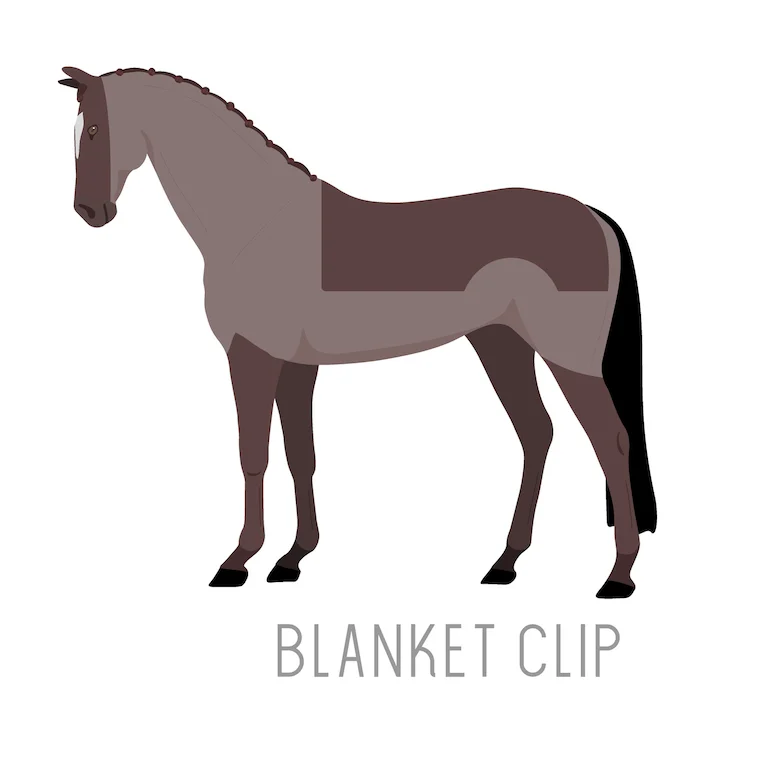
2. The Blanket Clip
- Best for: Horses in moderate to slightly heavier work; highly versatile for general riding horses.
- Areas Clipped: Neck, chest, shoulders, and belly, while leaving a distinct "blanket" of hair over the back and loins.
- Areas Left Untouched: The back, loins, hindquarters, and legs.
The blanket clip offers an exceptional compromise between cooling capacity and weather protection. By removing hair from the high-sweat zones of the neck and chest while preserving the hair over the kidneys and spine, it prevents chilling in vital areas.
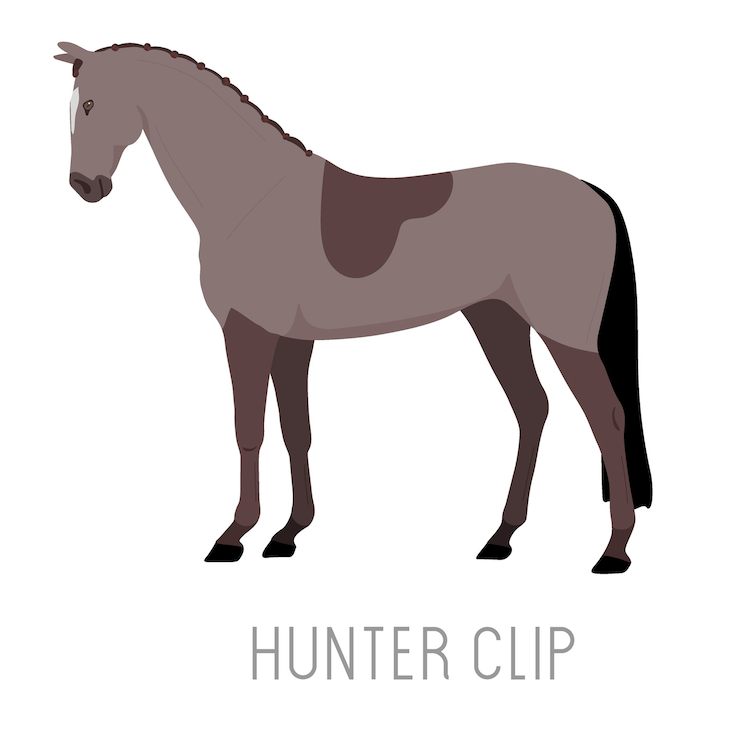
3. The Hunter Clip
- Best for: Horses in consistent, heavier work, particularly foxhunters and active sport horses.
- Areas Clipped: Most of the body coat is removed.
- Areas Left Untouched: Hair is deliberately left on the legs (to protect against brush, mud, and minor scrapes) and in a rectangular patch where the saddle rests (to prevent saddle rubs and friction).
The hunter clip is a serious clip for serious work. It allows a hardworking horse to dissipate heat rapidly during intense exertion. However, because so much hair is removed, horses with a hunter clip require diligent blanketing and careful management when turned out.
4. The Full Body Clip
- Best for: Horses in intensive training programs, upper-level eventers, show jumpers, and dressage horses competing through the winter.
- Areas Clipped: Virtually the entire body, sometimes including the legs (though legs are frequently left unclipped to protect skin and joints).
- Areas Left Untouched: Occasionally the lower legs below the knees and hocks.
The full body clip is the most radical option. It strips away all natural insulation. While it ensures that a high-performance athlete never overheats during rigorous conditioning, it places total responsibility for the horse’s warmth onto the owner and their blanket wardrobe.
Official Responses and Expert Insights
To gain a deeper perspective on how these clips apply to modern equine management, we turn to Alena Meacham, lecturer and Director of Horse Riding in the University of Connecticut’s Department of Animal Science.
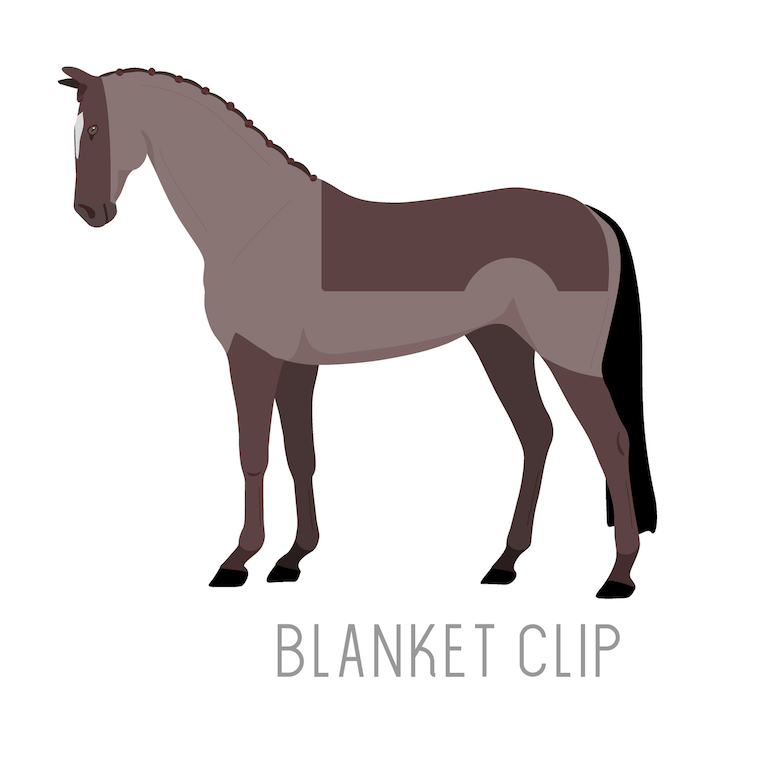
According to Meacham, tailoring the clip to the individual horse’s lifestyle is paramount. For the average horse engaged in moderate work, Meacham heavily favors the blanket clip due to its unmatched versatility.
"It leaves hair on the horse’s back and hindquarters for warmth, while removing hair from high-sweat areas like the neck, chest, and girth," Meacham explains.
This makes the blanket clip an ideal middle-ground for horses that are stabled at night and turned out during the day, providing thermal regulation without demanding extreme blanket management.
However, Meacham emphasizes that housing and environmental exposure must dictate the final decision:
"For horses with more exposure to the elements, such as those turned out in a run-in shed rather than a conventional stable, I recommend a trace clip, which retains more hair on the neck and belly. Horses in heavy competition may benefit from a full clip or hunter clip, depending on their discipline and how aggressively they train through the winter months."
Veterinarians also weigh in on skin health, noting that clipped horses are easier to keep clean, less prone to skin infections like rain rot (dermatophilosis) caused by trapped moisture, and much easier to inspect for cuts, ticks, or early signs of injury.
Implications: Managing the Clipped Horse
Deciding to clip your horse initiates a chain reaction of management responsibilities that owners must consider before reaching for the clippers.
1. The Blanketing Commitment
Once you remove a horse’s natural winter coat, you assume the role of its thermostat. A clipped horse turned out in freezing, wet, or windy weather without an appropriate blanket will quickly burn calories trying to stay warm, risk colic, and experience severe discomfort. Owners must invest in a wardrobe of properly fitting blankets—ranging from lightweight rain sheets to heavy winter turnout rugs—and monitor weather forecasts daily.
2. Coat Alterations
Clipping alters the texture and sometimes the color of a horse’s coat. Clipped hair often grows back coarser, stiffer, and occasionally darker or lighter than the original summer or winter coat. Furthermore, clipping too late in the spring can disrupt the natural shedding cycle, while clipping too early in the autumn may result in the winter coat growing back prematurely.
3. Skin Care and Safety
Clipping exposes sensitive equine skin to the elements and potential abrasions. Owners must take care to clean clippers, use proper blade tension, and apply cooling oils or soothing lotions if a horse is prone to clipper irritation. Additionally, horses with unclipped legs (such as those with hunter or trace clips) still require careful leg care to prevent mud fever and scratches in wet winter paddocks.
4. Nutritional Adjustments
Because clipped horses expend extra energy regulating their body temperature if they get cold, their caloric intake may need to be adjusted. Monitoring body condition score (BCS) throughout the winter ensures that clipped horses do not drop weight unnoticed beneath their heavy blankets.
Conclusion
Equine clipping is far more than a cosmetic grooming procedure; it is a vital component of modern horse care that directly impacts animal welfare, athletic performance, and health. Whether opting for the traditional reliability of a trace clip, the balanced versatility of a blanket clip, or the high-performance utility of a hunter or full body clip, owners must carefully weigh their horse’s workload, living arrangements, and climate. By aligning the clip pattern with expert recommendations—such as those outlined by animal science professionals like Alena Meacham—equestrians can ensure their horses stay comfortable, healthy, and ready to perform all winter long.