For many bird enthusiasts, the joy of parrot ownership is matched only by the responsibility of providing a balanced, nutritious diet. While commercial pellets provide a foundational base, integrating fresh produce is essential for the mental and physical longevity of your avian companion. One common question among new owners is whether radishes—a vegetable often associated with human salads—are safe for parrots. According to recent veterinary-backed insights from resources like Petkeen, the answer is a resounding yes. Radishes, in all their varieties, can be a safe, healthy, and engaging addition to a parrot’s diet.
Main Facts: Are Radishes Safe for Avian Consumption?
The primary concern regarding radishes is their signature "spicy" bite. Many owners worry that the compounds responsible for the radish’s peppery flavor might be caustic to a bird’s delicate digestive system. However, research indicates that all common varieties of Raphanus sativus are non-toxic to parrots.
Whether you are offering the standard round red radish, the elongated white Daikon radish, or the more exotic black and purple varieties, your bird can safely consume these root vegetables. They are not merely "filler" food; they are nutrient-dense powerhouses that offer significant physiological benefits. From their high water content, which aids in hydration, to their impressive profile of iron, potassium, and riboflavin, radishes serve as an excellent dietary supplement. Furthermore, because they are naturally low in sugar, they are a safer snack choice than many fruits, helping to mitigate the risk of metabolic issues like avian diabetes as your bird ages.
The Chronology of Introducing Radishes
Introducing a new food item into a parrot’s diet should never be an abrupt process. Parrots are neophobic by nature, meaning they are often wary of new textures, colors, or smells. To successfully integrate radishes, follow a systematic approach:
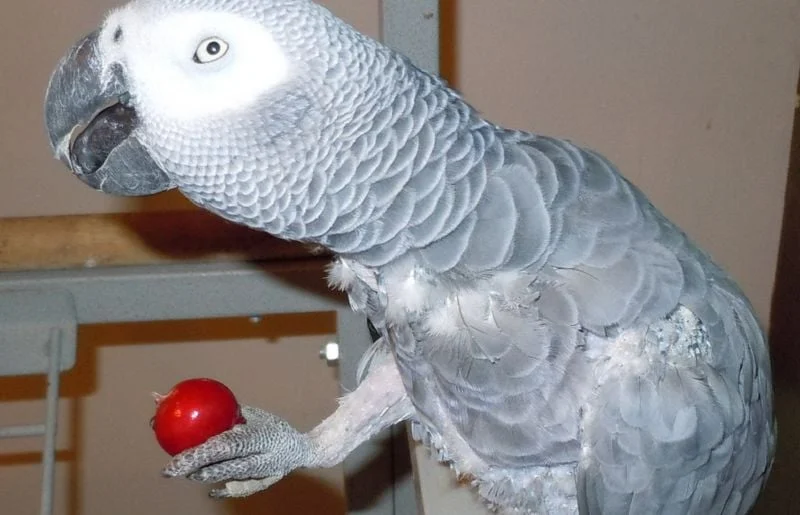
- The Play Phase (Observation): Before expecting your parrot to eat the radish, treat it as a toy. A whole red radish can serve as a "foot toy." Because parrots are highly tactile, they enjoy rolling, kicking, and shredding the bulb. By allowing your bird to play with the radish, you are building positive associations.
- The Introduction Phase: Once the bird shows comfort around the vegetable, offer it in various textures. Grating or shredding the radish into their primary food bowl is the most common method. This allows them to become accustomed to the flavor profile without the intimidation of a large, solid object.
- The Culinary Phase: Once the bird is familiar with the taste, you can experiment with preparation. Whether served raw, steamed, or lightly roasted, the radish provides different sensory experiences.
- The Sprout Phase: As the final step in the evolutionary dietary chain, feeding your bird radish sprouts marks the pinnacle of nutritional density.
Supporting Data: Nutritional Benefits and Safety Protocols
The nutritional profile of the radish is highly advantageous for avian health. Beyond the aforementioned vitamins and minerals, the greens (tops) of the radish are just as edible and nutritious as the root itself. These greens contain high levels of chlorophyll and various micronutrients that contribute to feather health and skin vitality.
Crucial Preparation Guidelines
While radishes are safe, the manner of preparation is critical to ensuring they do not become harmful.
- Avoid Oils and Spices: If you choose to cook the radish, you must steam or roast it plainly. Never feed your bird radishes cooked in the same pan as your own dinner; oils, butter, salt, garlic, or onions—all common in human cooking—are either highly inflammatory or outright toxic to birds.
- Pickling Caution: While a tiny pinch of pickled radish is acceptable, it should be treated as a rare treat rather than a staple. The acidity in vinegar can irritate the delicate lining of the crop and digestive tract if consumed in excess.
- Cooling and Mashing: Always ensure that any cooked radish is completely cooled to room temperature and mashed to a consistency that is easy for the bird to handle, preventing any potential for choking or burning.
Official Perspectives: The Superiority of Sprouted Radishes
According to experts at the Bird Tricks Blog, the "gold standard" for feeding radishes is to serve them as sprouts. Sprouting is the process of germinating seeds until they just begin to grow. At this stage, the seed is biologically "active." The nutrients are at their peak, and the enzymes required for digestion are highly concentrated.
For a bird, the sprout is often easier to digest than a mature seed or a dense root vegetable. This is particularly important for:
- Molting Birds: These individuals require extra protein and nutrients to facilitate the growth of new, healthy feathers.
- Newly Weaned Birds: Young parrots often struggle with the texture of standard seeds. Sprouted radishes offer a soft, manageable texture that helps them transition from hand-feeding to independent foraging.
- Breeding Hens: The high nutrient load provides essential support for the physiological demands of egg production.
How to Sprout at Home
Growing your own sprouts is an inexpensive and highly hygienic way to provide fresh produce. You will need high-quality radish seeds, a glass jar, and a breathable mesh cover.
- Soak: Submerge the seeds in clean, filtered water overnight.
- Rinse: Drain the water and rinse the seeds thoroughly.
- Germinate: Place the seeds in the jar, keeping it in a well-ventilated area away from direct sunlight.
- Maintenance: Rinse the sprouts 2–3 times daily to prevent the growth of mold or harmful bacteria. Once the shoots appear, they are ready for your parrot to enjoy.
Implications: Dietary Dangers to Avoid
While radishes are a fantastic addition, it is equally vital to understand what must be kept out of the cage. The article’s focus on safe veggies highlights a critical need for awareness regarding toxic household items.
The most prominent danger is avocado. The substance known as persin found in avocados is devastating to a parrot’s respiratory and cardiovascular systems. Even small amounts can lead to sudden, fatal cardiac arrest within hours of ingestion.
Furthermore, owners must be hyper-vigilant regarding the "Nightshade" family. Eggplant, while often cited in human diets as healthy, can trigger severe, potentially lethal gastrointestinal distress in parrots. Similarly, onions and garlic—staples in most kitchens—contain compounds that cause oxidative damage to a bird’s red blood cells, leading to hemolytic anemia. Mushrooms, too, should be strictly prohibited as they are fungi and can cause significant liver damage or digestive upset.
Conclusion: A Balanced Approach to Avian Wellness
The inclusion of radishes in a parrot’s diet is a testament to the importance of variety. In the wild, parrots are foragers who consume a vast array of plant matter, roots, and seeds. By replicating this diversity in a domestic setting, owners can significantly improve the quality of life for their feathered companions.
Whether your parrot prefers the crunch of a whole radish, the shredded bits in their bowl, or the nutrient-dense vitality of home-grown sprouts, radishes offer a safe, low-sugar, and high-vitamin option that keeps their body functioning at its peak. As with all dietary changes, observation is key. Monitor your bird’s droppings, behavior, and appetite when introducing any new food. With proper preparation and a focus on freshness, radishes will likely become a staple, "more-please" item in your parrot’s culinary repertoire. Always remember that while we may enjoy the complex flavors of human cuisine, the simplicity of a raw, organic radish is often exactly what nature intended for your bird.