In a monumental development for animal welfare, the recent release of 1,500 beagles from the Ridglan Farms facility in Wisconsin has sparked a national conversation about the ethics of laboratory breeding and the extraordinary resilience of the canine spirit. For over a decade, the facility—a major supplier of beagles for research laboratories—had been the subject of intense scrutiny, with former employees and activists alleging systemic abuse and substandard living conditions. The transition of these dogs from industrial-scale breeding cages to the warmth of family homes represents a significant victory for advocacy groups and a profound test of behavioral rehabilitation.
The Genesis of a Crisis: Decades of Allegations
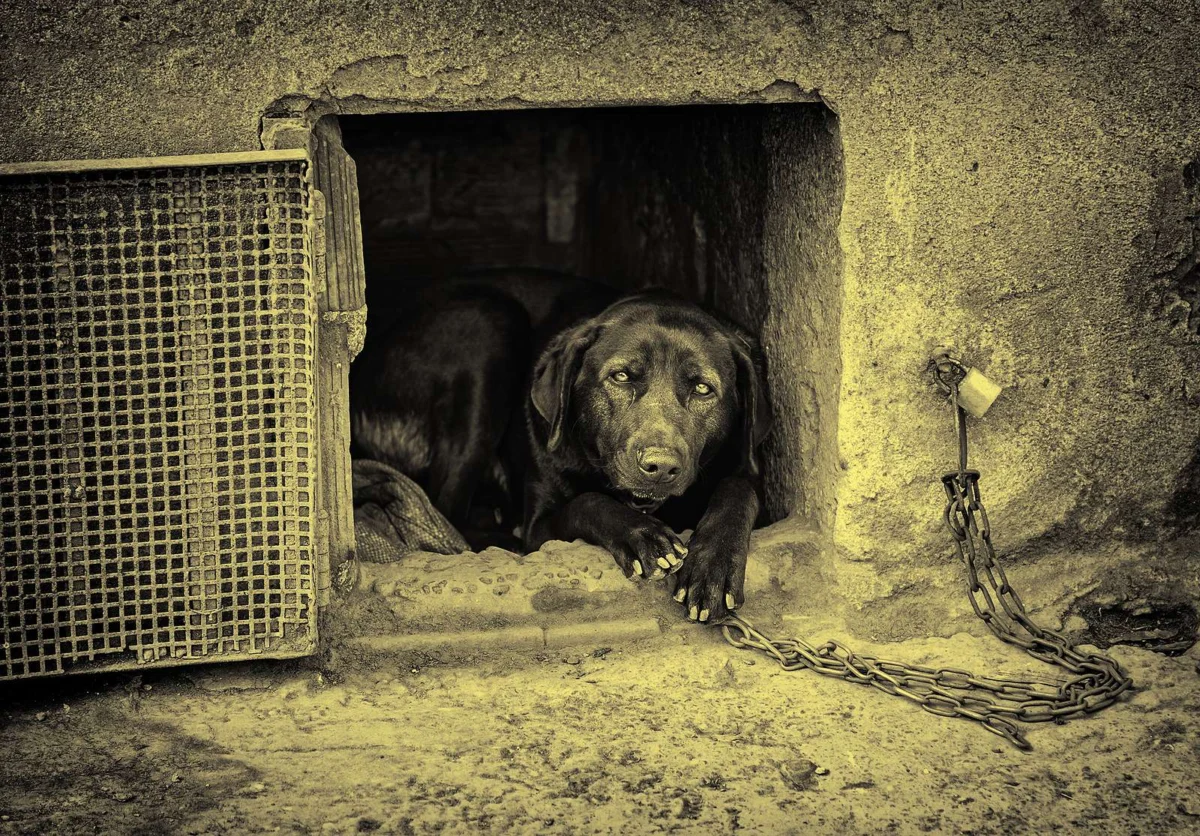
The controversy surrounding Ridglan Farms is not a new phenomenon. For years, the facility operated under the scrutiny of animal rights advocates who documented life for the beagles as a cycle of confinement and isolation. Reports from former employees painted a harrowing picture: thousands of dogs housed in stacked, tiny wire crates with no exposure to the outside world, solid ground, or human affection.
The conditions were described as "canine hell"—environments where natural behaviors were impossible to express. Dogs were kept in near-total sensory deprivation, save for the hum of industrial ventilation and the constant presence of other distressed animals. Despite persistent complaints, the facility remained operational, operating within the letter of the Animal Welfare Act while, critics argue, flagrantly violating the spirit of animal care.

A Chronology of Liberation
The path to the dogs’ release was paved by a decade of tireless advocacy, spearheaded by groups like Dane4Dogs. The pivotal turning point arrived when the organization, led by activists like Rebekah Robinson, successfully lobbied for the appointment of a special prosecutor to examine evidence of animal cruelty.
The legal pressure reached a breaking point when the facility faced 311 counts of animal cruelty. Prosecutors alleged that surgical procedures, including eye surgeries, were performed without anesthesia, professional veterinary supervision, or sterile environments. To avoid the full weight of these charges, Ridglan Farms entered into a legal agreement to surrender their seller’s license by July 1, 2026.
This settlement triggered the largest mass release of laboratory-bred dogs in recent history. The logistics of this operation have been nothing short of a miracle of coordination. Over 1,500 dogs have been moved into the custody of various reputable organizations, including the Dane County Humane Society, the Beagle Freedom Project, the Wisconsin Humane Society, and the Big Dog Ranch Rescue in Florida.

The Neurobiology of Trauma and Healing
The central question facing adopters and behavioral experts is whether a dog raised in such restrictive conditions can ever truly recover. According to Dr. Patricia McConnell, a certified applied animal behaviorist, the answer lies in the concept of "neuroplasticity."
"Brains are like software programs designed to be customized once they’ve been taken home," explains Dr. McConnell. Early development is critical; in a healthy environment, puppies develop neural pathways that allow them to process sights, sounds, and social interactions with resilience. In contrast, laboratory-raised beagles often possess underdeveloped amygdalae—the part of the brain responsible for regulating fear and anxiety.
However, there is hope. Beagles were historically selected for laboratory use precisely because of their docility and stable temperaments. This genetic predisposition toward a "steady" personality has proven to be their saving grace. While these dogs often emerge from their crates "shut down," hesitant, and terrified of the world, they are not inherently "broken." With patience, routine, and a controlled environment, the vast majority are capable of transitioning into normal family life.

Lessons in Rehabilitation: Best Practices
Organizations like the ASPCA, through their Behavioral Rehabilitation Center, have established a blueprint for helping these dogs heal. Their research suggests that the rehabilitation process requires four foundational pillars:
- Time and Patience: The first 72 hours are critical. Dogs must be given a "safe space"—often a crate covered with a blanket—where they are shielded from loud noises and over-stimulation.
- The "Mentor" Dog: Research consistently shows that a confident, well-adjusted canine companion is the most effective therapy for an abused dog. Seeing another dog navigate a doorway or approach a human with confidence provides the abused dog with a "social map" they previously lacked.
- Predictable Routine: For an animal that has lived in a state of hyper-vigilance, uncertainty is the enemy. A strict daily routine provides a sense of agency and safety, helping the dog realize that they are no longer at the mercy of unpredictable, threatening circumstances.
- Positive Reinforcement: Behavioral modification must rely on rewards rather than correction. Simple exercises, like those outlined in training programs like The Puppy Primer, help build a bridge of trust between the dog and their new human family.
Official Responses and the Road Ahead
The liberation of the Ridglan beagles has drawn praise from animal welfare experts, but many are quick to point out that this is merely a symptom of a larger, systemic issue. While 1,500 dogs have found safety, thousands more remain in laboratories across the United States.
The "open rescue" movement, championed by activists such as Wayne Hsiung, has been instrumental in bringing these private horrors into the public eye. While their tactics remain a subject of debate within legal circles, there is a growing consensus that the status quo is untenable. "When you know better, you do better," remains the rallying cry for those pushing for legislative reform.

The goal for the coming years is clear: the United States must move toward a national dialogue that ends the practice of keeping animals in abusive conditions under the guise of research. The scientific community is increasingly looking toward non-animal alternatives, and the success of the Ridglan rescue proves that public opinion has shifted decisively against the industrialization of sentient creatures.
Conclusion: A New Dawn
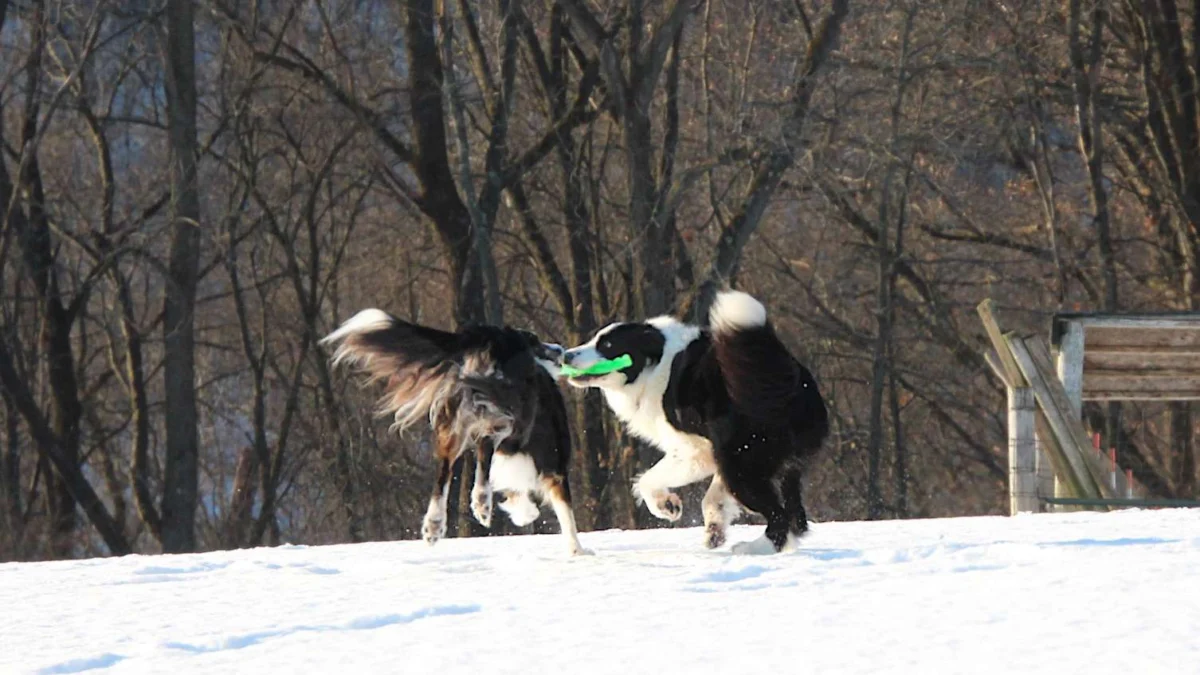
As the last of the Ridglan beagles find their forever homes, the story shifts from one of tragedy to one of recovery. For the adopters taking in these dogs, the journey will be one of profound emotional reward. It is a commitment to witness the "firsts"—the first time a dog wags its tail, the first time it chooses to initiate play, and the first time it sleeps soundly, knowing it is finally safe.
The liberation of these 1,500 beagles is a reminder that while the arc of the moral universe is long, it can, indeed, be bent toward justice. For these dogs, the concrete cages are a memory; the future, for the first time, is entirely their own. As we celebrate their freedom, we must also recognize the responsibility that remains: to ensure that no dog is forced to endure the darkness of the laboratory ever again.