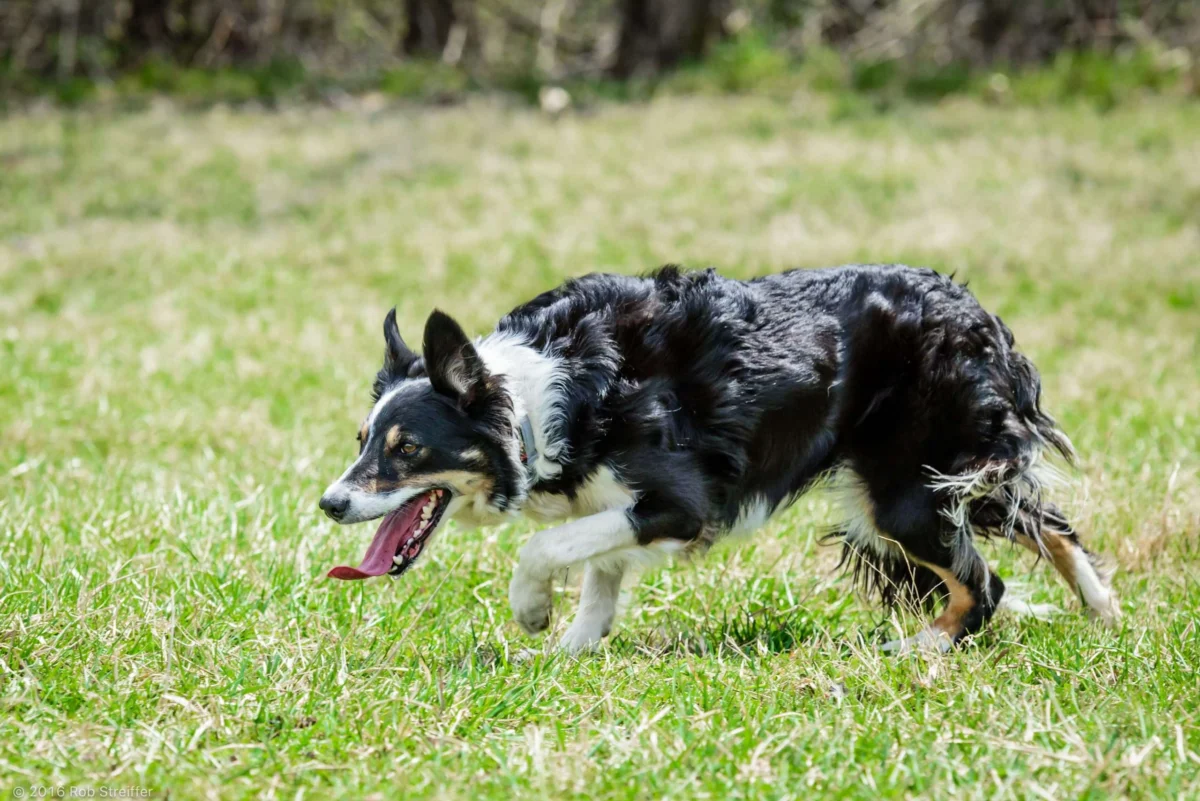

In the world of animal behavior and training, a long-standing dogma has dictated that learning is a volume game. Trainers have traditionally been taught that to cement a new behavior, one must facilitate a high frequency of repetitions, typically rewarded with small, incremental treats. It is a philosophy akin to high-repetition weight training at a gym: keep the intensity low, the volume high, and the progress consistent.
However, a groundbreaking study published in Science in May 2026 suggests that this "small and frequent" approach may be fundamentally misaligned with the neurobiological mechanisms of learning. The research indicates that shifting the paradigm toward "very large" rewards—even if given less frequently—may exponentially increase learning speed, engagement, and retention.

The Neurobiology of the "Large Reward" Effect
The study, led by researchers Gong, Martell, Dudman, and Coddington, challenges the conventional wisdom regarding reinforcement schedules. By analyzing the neural pathways of animal subjects, the researchers identified that the efficiency of learning is governed by three critical pillars: the rate of learning, the ability to carry over improvements from prior sessions, and the degree of sustained engagement in the task.
The findings suggest that large-magnitude rewards—one to two orders of magnitude greater than the standard morsels typically used in training—act as a catalyst for these three pillars. Crucially, the researchers observed that these large rewards trigger more sustained activity of dopamine (DA) neurons during the consumption phase.

Dopamine: More Than Just Pleasure
While popular culture often labels dopamine the "pleasure hormone," neuroscientists recognize it more accurately as the driver of "motivational salience." As the late, esteemed neuroscientist Jaak Panksepp famously articulated, dopamine is the chemical manifestation of the "seeking" system. It is the neurological engine that compels an organism to interact with its environment, explore, and pursue goals.
When a "jackpot" reward is delivered, it triggers a significant release of dopamine, effectively signaling to the brain that the preceding action was not just correct, but highly significant. This "dopamine dump" appears to lock in the behavior more effectively than a series of smaller, less impactful rewards, which may fail to trigger the same intensity of neural engagement.

Chronology and Context: From Theoretical Neuroscience to Practical Application
The debate over "jackpots"—giving a dog a large, high-value reinforcement for an exceptional performance—has been a polarizing topic within the professional dog training community for years.
The Evolution of the "Jackpot" Debate
For decades, trainers have relied on anecdotal evidence to support the use of jackpots. Proponents argue that a sudden influx of a high-value treat serves as a "reset" or a powerful marker of success, creating a memorable experience that boosts the animal’s confidence and motivation. Conversely, critics have dismissed the practice as a human-centric "feel good" gesture, arguing that there has been a dearth of empirical data to support the claim that it actually accelerates learning more effectively than continuous reinforcement.

For many experienced trainers, the choice to use jackpots has been a matter of "gut instinct." Practitioners have observed that when a dog receives an exceptionally large reward, their entire demeanor often shifts. Their eyes widen, their focus intensifies, and their subsequent performance—often preceded by a marker signal like "Good!"—is marked by a renewed sense of vigor. The 2026 Science study provides the first tangible evidence that these observations may be rooted in concrete, observable neurological events.
Implications for Training Methodologies
If the findings from the 2026 study hold true when applied specifically to canine behavior, the implications for the training industry are profound.

Moving Beyond Food: The "Jackpot" Concept in Other Disciplines
The concept of the jackpot is not limited to food-based reinforcement. In the world of competitive Border collie training, for example, experts have long utilized "functional rewards." A trainer might work a dog through a series of difficult, high-focus tasks and then "reward" the dog by allowing it to perform a long, challenging outrun and fetch, free from constant correction or direction.
In this scenario, the work itself becomes the reward. By allowing the dog to engage in its natural, highly reinforcing behavior for an extended period, the trainer is essentially providing a behavioral jackpot. The question now arises: does this activity-based reward trigger the same dopamine-mediated efficiency as the large food rewards documented in the Science study? If the answer is yes, it suggests that the "jackpot" is a universal principle of learning, applicable across various species and modalities of reinforcement.

Future Research: The Call for Canine-Specific Studies
The current research, while groundbreaking, was conducted on mice. While the neurobiological similarities between mammals provide a strong foundation for extrapolation, the scientific community is now calling for direct replication in canine subjects. A formal, peer-reviewed study focusing on how varying reward magnitudes impact canine learning rates, memory consolidation, and task engagement would be the definitive next step for the field. Such a study would serve as a vital PhD dissertation topic for aspiring ethologists and animal behaviorists.
Supporting Data and Observations
The study emphasizes that the efficiency of learning is not just about the number of rewards, but the quality and impact of the reward experience. The authors noted that in their tests, animals receiving large rewards:

- Learned faster: The time required to master a new task was significantly reduced.
- Became more efficient: The animals required less guidance during reward collection.
- Remained engaged: The "drop-out" rate during sessions was markedly lower.
- Showed across-session improvements: The progress made in one session was more likely to be retained and built upon in subsequent sessions compared to cohorts receiving smaller rewards.
A Personal Reflection: Life Beyond the Laboratory
While the science of motivation occupies the minds of experts, the practical application of these principles often occurs in the quiet, mundane moments of daily life. Reflecting on a recent trip through Michigan—a state named for the Ojibwe word Michigami, meaning "great water"—it is easy to see how experiences are often "jackpotted" by their intensity and novelty.
Whether one is crossing the vast expanse of Lake Michigan on a slow, nostalgic ferry like the USS Badger—a vessel that feels like a time capsule from 1959—or navigating the modern, high-speed Lake Express, the journey itself is a series of rewards. The simple joy of watching youth jump from the Petoskey Breakwall into the bracing, clear waters of the lake serves as a reminder of the human need for engagement and "seeking."

During this same trip, visits with colleagues like Matt and Kelly Elvin of Tip Top Tails Dog Training highlighted the importance of community and shared knowledge in the field of animal behavior. Whether one is on the farm or in a training arena, the underlying principles remain the same: we are all seeking ways to better communicate, to foster engagement, and to make the learning process as meaningful as possible for our canine partners.
Conclusion: The Path Forward
The Science study of 2026 has opened a door that many in the training world have been knocking on for years. By linking the "jackpot" to the sustained activity of dopamine neurons, the research provides a scientific scaffold for what many have known intuitively: big, meaningful moments matter.

As the industry moves forward, it is time to embrace a more nuanced approach to reinforcement. While the traditional "small treat, high volume" method will always have its place, the power of the "jackpot" should no longer be dismissed as a mere training myth. It is a powerful, neurobiologically supported tool that, when used with precision and intent, can transform the learning experience from a repetitive task into an exhilarating, high-engagement pursuit of mastery.
The conversation is now open. Whether through formal scientific inquiry or the collective experience of trainers in the field, we are moving closer to a more profound understanding of what drives our animal companions to learn, to grow, and to thrive.