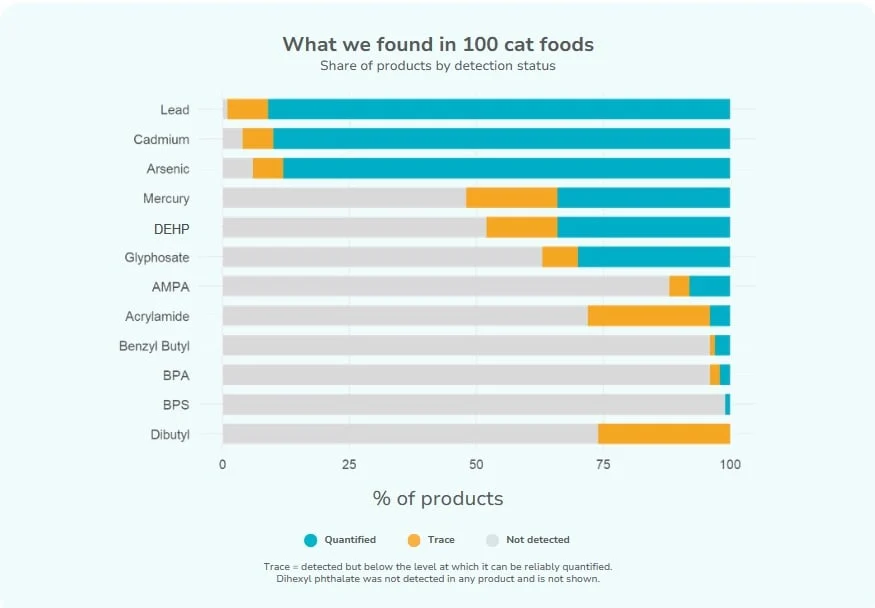
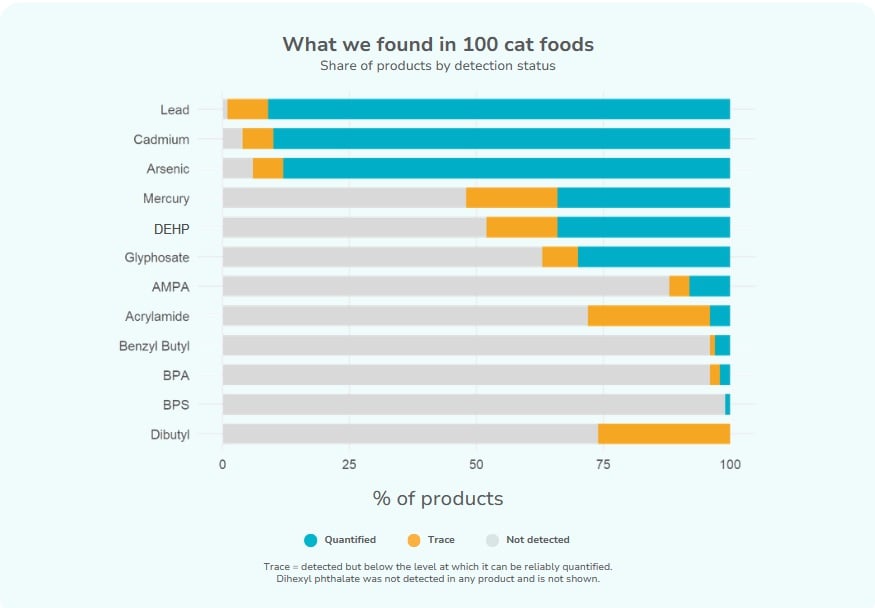
For millions of pet owners, the ritual of filling a bowl with kibble or canned food is an act of love and care. However, a growing body of scientific evidence suggests that this daily routine may be exposing our pets to a hidden, toxic danger. A landmark study published by the Clean Label Project has sounded a new alarm, revealing that up to 99% of tested cat food products across 62 brands contain measurable levels of heavy metals. This finding is not an isolated incident; it is the latest chapter in a long-standing crisis of regulatory inaction that has left pet owners in the dark about the safety of the products sitting in their pantries.
The Clean Label Project’s Findings
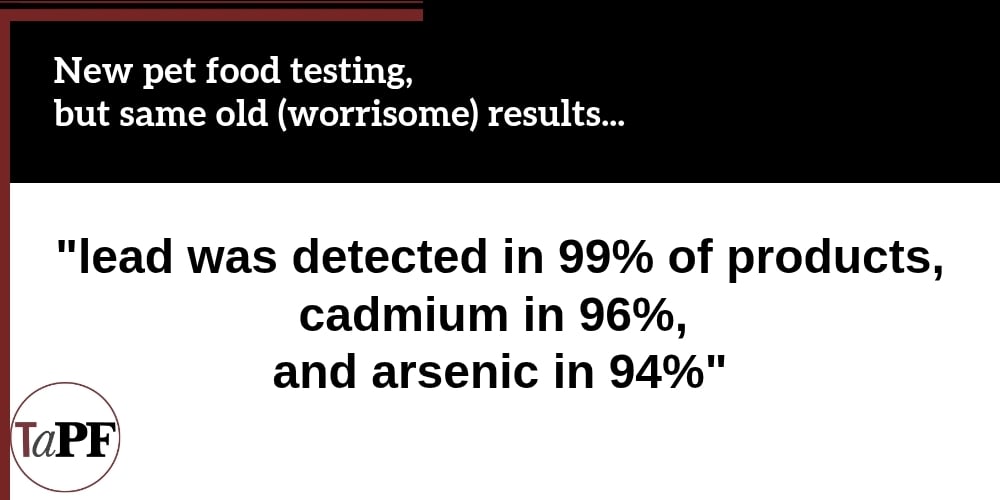
The Clean Label Project, a non-profit organization focused on transparency and purity in consumer products, recently released a comprehensive report titled "Heavy Metals Found in Up to 99% of Cat Food Products Tested Across 62 Brands." The study utilized rigorous laboratory testing to identify the presence of contaminants including lead, mercury, arsenic, and cadmium.
The results were staggering. The ubiquity of these contaminants suggests that heavy metal exposure is not the exception in the pet food industry, but rather the standard. By detecting these toxins across such a wide array of brands, the study effectively dismantles the assumption that "name brand" or premium labeling serves as a proxy for safety. Instead, it highlights a systemic failure in supply chain quality control, where raw ingredients—often sourced from environments with industrial pollution—are processed into pet food without adequate screening for heavy metal bioaccumulation.
A Chronology of Concern: A Decade of Evidence
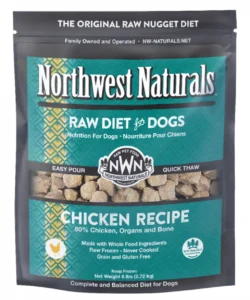
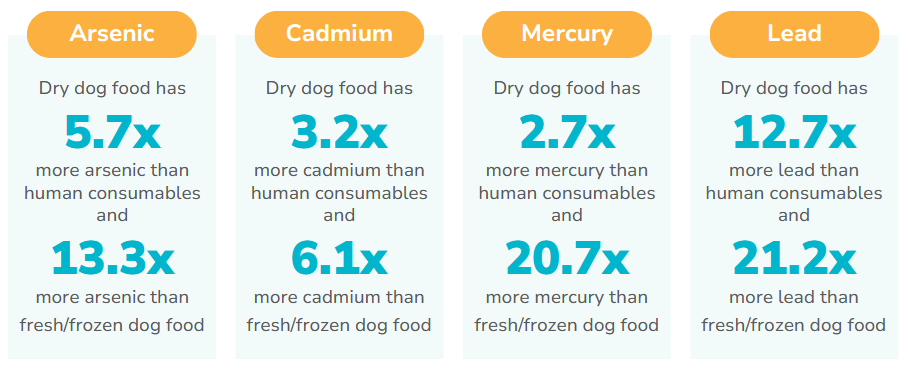
The 2026 report on cat food did not emerge in a vacuum. It follows a similarly distressing report from February 2026, which focused on the dry dog food market. That study, titled "Extremely High Levels of Lead, Mercury, Arsenic, and Cadmium Found in Dry Dog Food," drew a sharp contrast between dry processed foods and fresh or frozen alternatives. The researchers found that, across the board, fresh and frozen dog foods demonstrated significantly lower concentrations of heavy metals compared to their dry, extruded counterparts.
The trail of evidence stretches back much further than 2026. As early as 2009, and again in 2019, independent testing by SPEX CertiPrep examined the presence of heavy metals in the pet food supply. Their findings consistently pointed toward the same conclusion: the pet food industry has struggled for over a decade to mitigate the contamination of its products.
Furthermore, in 2021, researchers from the University of Nevada, Reno, published a damning report that moved beyond heavy metals to investigate the integrity of the ingredients themselves. The study identified mercury concentrations that were deemed high for "chronic consumption"—meaning that even if a single meal isn’t immediately toxic, the cumulative effect of eating the food daily poses a significant health risk.
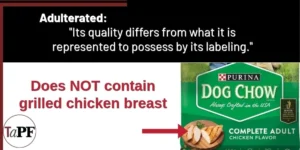
Perhaps more disturbing was the university’s DNA analysis. The researchers found that nearly every sample analyzed contained inaccuracies in labeling. Products marketed as containing high-value, novel proteins or fish were frequently diluted with lower-value fillers like chicken. This "ingredient deception" creates a double-edged sword for pet owners: they are paying premium prices for lower-quality nutrition while simultaneously exposing their animals to hidden environmental toxins.
The Regulatory Vacuum: Why the FDA Remains Silent
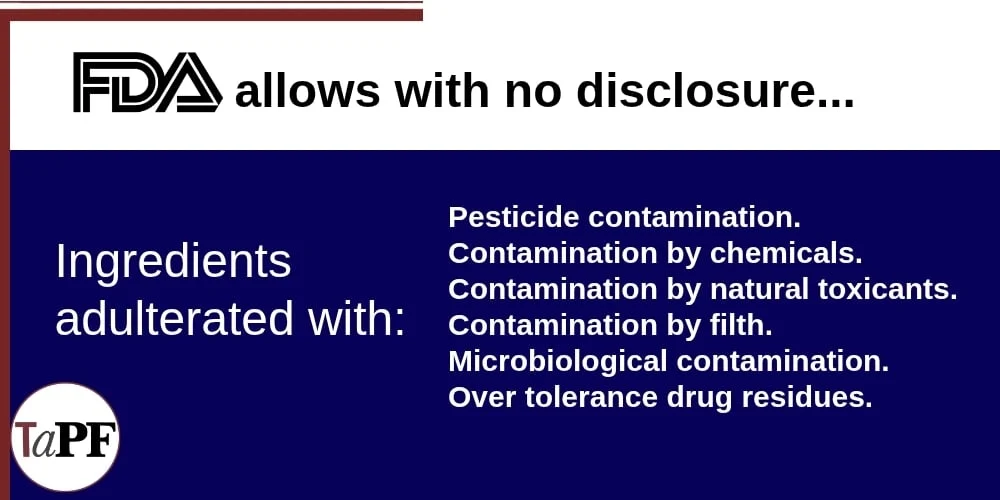
The fundamental issue at the heart of this crisis is the lack of federal oversight. While the U.S. Food and Drug Administration (FDA) maintains the authority to regulate animal food, it has historically operated with a hands-off approach regarding heavy metals.
In official statements, the FDA has clarified its position: "While the FDA CVM (Center for Veterinary Medicine) has not promulgated guidance, action levels, or tolerances for heavy metals in animal food, the FDA has—and uses—the authority to take action on a case-by-case basis."
In plain language, this means there are no proactive safety standards. The FDA does not mandate that manufacturers test for heavy metals, nor does it set a "safe" limit for these toxins in pet food. They operate on a reactive basis—taking action only when a product is found to be "adulterated" during a specific, often targeted, investigation. For the average pet owner, this is a distinction without a difference. Without established "action levels," the industry is left to self-regulate, a model that has clearly failed to protect the health of domestic animals.
The Myth of "Safety" Regulations
The Clean Label Project report offers a searing critique of the current regulatory framework, noting that the few reference values that do exist—typically those published by the National Research Council (NRC) and the Association of American Feed Control Officials (AAFCO)—are fundamentally flawed.
These guidelines were originally derived to prevent acute poisoning in livestock. They were designed for animals intended for food production, with lifespans and physiological profiles vastly different from a housecat or dog living indoors for fifteen years. As the report points out, these guidelines were never intended to assess the long-term, chronic health impacts of heavy metal bioaccumulation in pets. By relying on these outdated agricultural standards, the pet food industry provides a false sense of security, effectively using "compliance" with obsolete standards as an excuse to ignore the growing body of evidence regarding chronic toxicity.
Implications for Pet Health
The implications of these findings are profound. Heavy metals like lead, mercury, and arsenic are neurotoxins and known carcinogens. In humans, chronic exposure to these elements is linked to kidney damage, neurological impairment, and various cancers.
When a cat or dog consumes these substances daily, the metals can accumulate in the liver, kidneys, and fatty tissues. Over a period of years, this can manifest as unexplained lethargy, digestive issues, immune system suppression, and, in the most severe cases, organ failure. Because these symptoms are often vague and develop slowly, they are frequently misdiagnosed by veterinarians as "aging" or "idiopathic" illnesses, preventing owners from connecting the health decline to the pet’s diet.
A Call to Action
The recurring evidence of contamination raises an urgent, unavoidable question for the FDA: How many studies, how many reports, and how many incidents of contaminated pet food will it take before the agency establishes strict, enforceable maximum allowed levels for heavy metals, pesticides, and microplastics in pet food?
The current system relies on the hope that manufacturers will prioritize safety over profit margins, despite the fact that raw material sourcing is driven by cost-efficiency. Without federal intervention, consumers are left to navigate a minefield of misinformation.

Pet food consumer advocates, such as those at the Association for Truth in Pet Food, are calling for a complete overhaul of how pet food safety is governed. This includes:
- Mandatory Testing: Requiring pet food manufacturers to conduct third-party heavy metal testing on all raw ingredient batches.
- Transparent Labeling: Enforcing stricter penalties for ingredient inaccuracies and "filler" substitution.
- New Standards: Moving away from outdated livestock toxicity thresholds and creating standards based on the long-term health needs of domestic companion animals.
Navigating the Marketplace
As we wait for regulatory change, pet owners are forced to become their own investigators. While the situation is dire, resources are available to help consumers make more informed choices. Independent organizations like the Clean Label Project provide searchable databases that allow owners to check the safety profiles of specific brands.
Moreover, the shift toward fresh and frozen food options—which have consistently tested better in recent studies—suggests that the more a product is processed (as in dry kibble), the higher the likelihood of contamination. By prioritizing fresh, whole-food diets and supporting companies that practice radical transparency, pet owners can take small steps toward mitigating the risk.
Ultimately, the goal is to transform the industry from one of secrecy to one of accountability. Our pets, who rely on us for their most basic needs, deserve more than the low bar of "avoiding acute poisoning." They deserve a food supply that is transparent, safe, and truly nutritious. Until the FDA steps up to mandate these changes, the responsibility of ensuring a toxic-free diet remains, unfortunately, in the hands of the consumer.