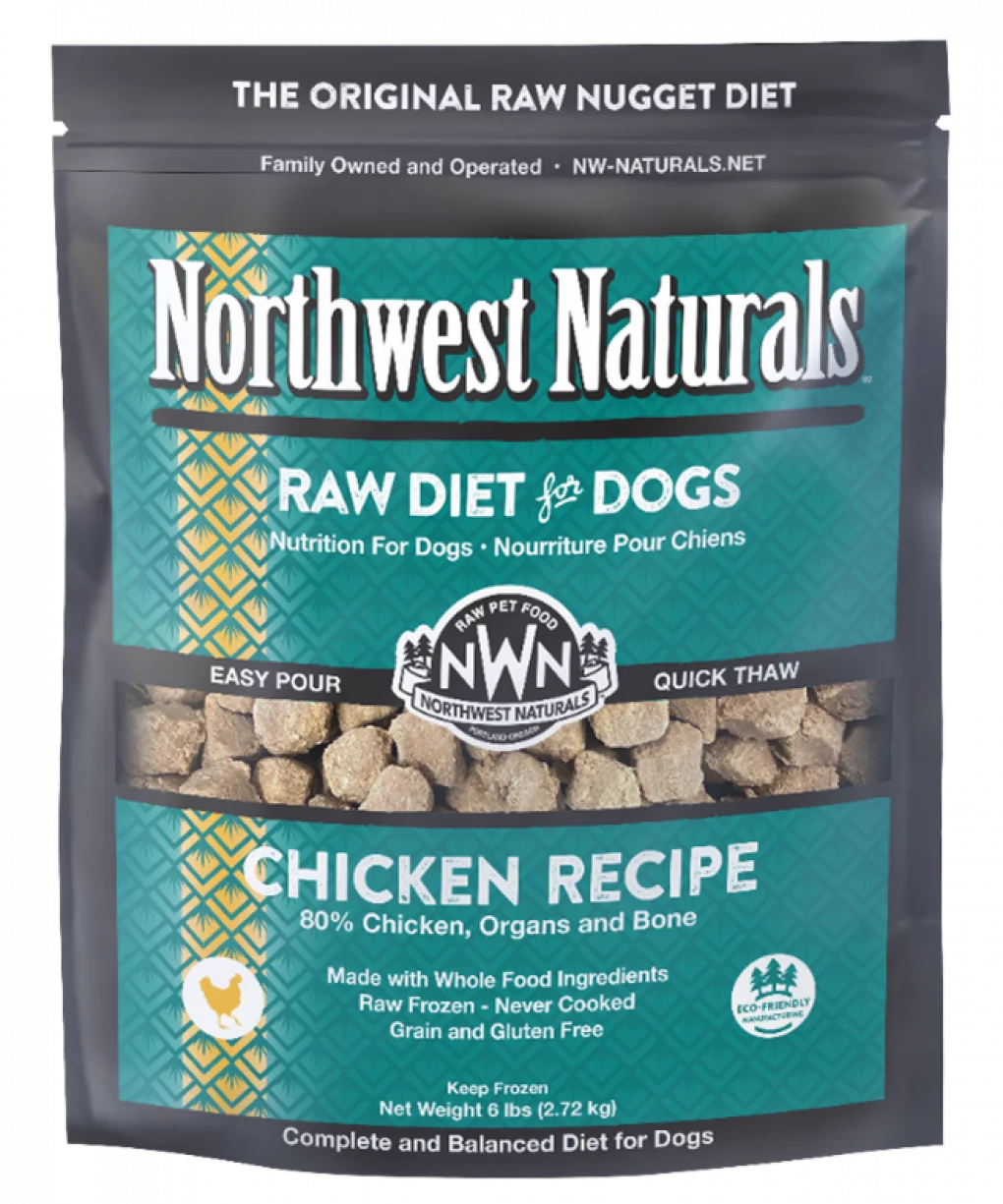
In an era where pet owners are increasingly discerning about the origins and processing methods of their companions’ nutrition, a recent development has sparked fresh debate within the pet industry. Vital Essentials, a prominent manufacturer in the raw pet food space, has officially begun utilizing E-Beam (electron beam) technology to treat its products. While the company maintains that this is a proactive measure to ensure safety, the move has reopened a long-standing dialogue regarding the efficacy, necessity, and potential risks of irradiating pet food.
The Shift: Vital Essentials Adopts E-Beam Technology
Vital Essentials has confirmed that it has implemented E-Beam technology across its product lines. According to the company’s official FAQ page, the primary objective is to "eliminate harmful pathogens using electricity." By bombarding the food with high-energy electrons, the process aims to neutralize bacteria such as Salmonella, Listeria, and E. coli without relying on conventional heat-based pasteurization.
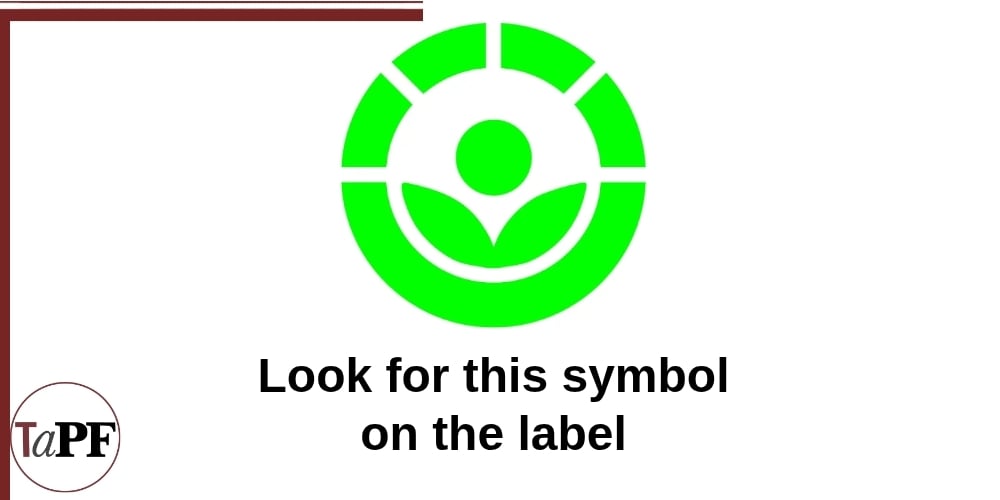
Under regulatory guidelines, any pet food treated with irradiation must be clearly labeled. Consumers are instructed to look for the "radura" symbol—an international logo representing irradiated food—or specific verbiage on the packaging stating, "Treated with radiation" or "Treated by irradiation." This transparency is designed to ensure that the consumer is fully informed about the processing methods applied to the food they serve their pets.
A Troubled History: The 2008 Irradiation Crisis
To understand why many pet owners react with alarm to the word "irradiation," one must look back to 2008. During that period, a catastrophic event occurred in Australia involving the importation of Orijen cat food. In an effort to meet strict quarantine requirements, the imported food underwent mandatory gamma irradiation.
The consequences were devastating. Numerous cats developed severe neurological conditions, including paralysis and, in many cases, death. An inquiry by the Australian Parliament concluded that the irradiation process was a significant factor. The report noted that the process likely caused a depletion of Vitamin A and induced the formation of free radicals within the food, rendering it toxic to the feline population.
The industry is quick to draw a line between the 2008 tragedy and current practices. Vital Essentials asserts that their use of E-Beam technology is fundamentally different from the gamma irradiation used in Australia. They contend that their validation work confirms the food maintains its nutritional integrity post-treatment. However, for many skeptics, the technical distinction between "gamma" and "E-Beam" does not fully address the underlying anxiety regarding the potential for nutrient degradation or the creation of unintended chemical byproducts.
The "Zero Tolerance" Policy and Regulatory Challenges
The impetus for these "kill steps"—processes designed to eradicate pathogens—stems from the FDA’s 2013 implementation of a "zero tolerance" policy for pathogenic bacteria in pet food. Under this mandate, any pet food found to contain Salmonella, Listeria, or E. coli is subject to mandatory recall.
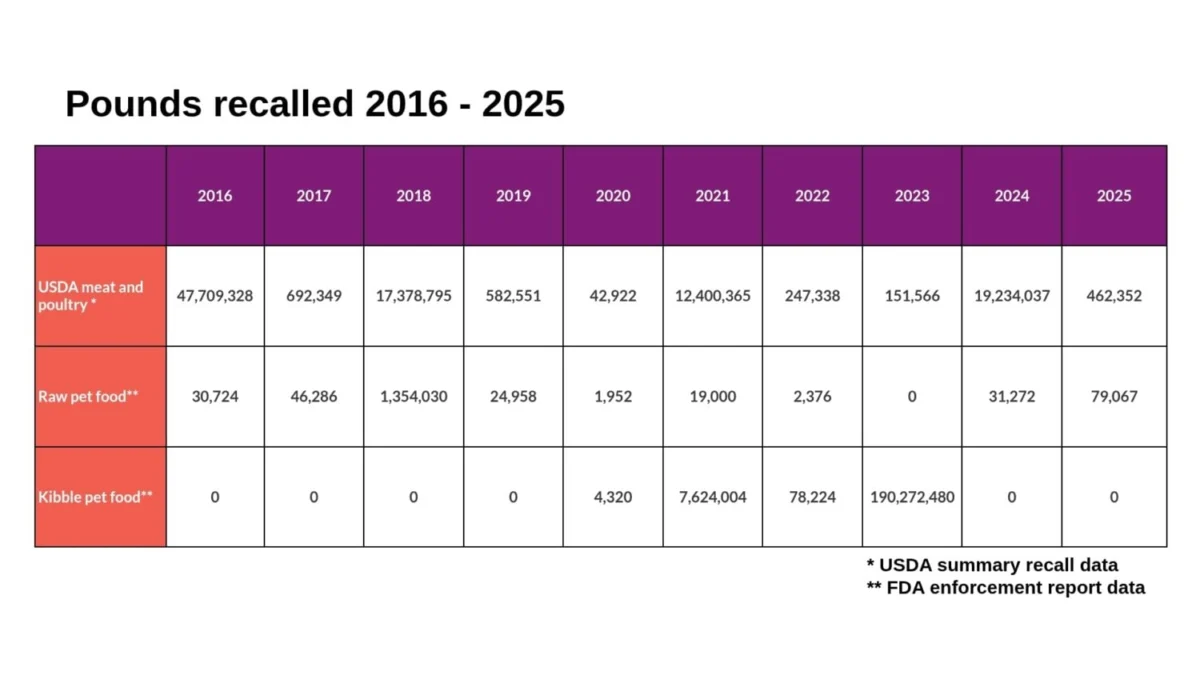
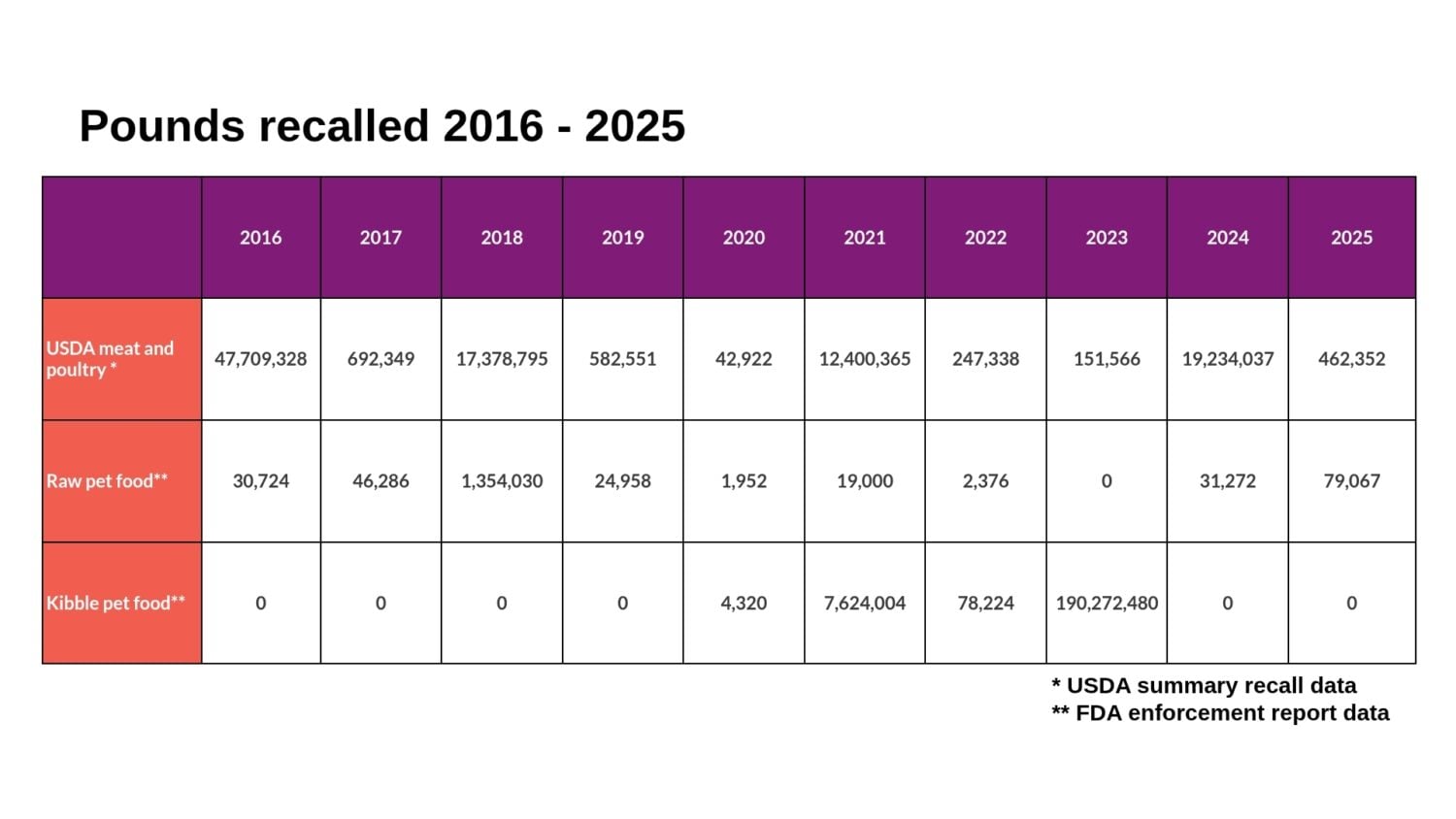
While the intention behind this policy is to protect animal and human health, the data over the last decade suggests that the current regulatory approach is hitting a wall. Despite the widespread adoption of kill steps, millions of pounds of pet food—including both raw and traditional kibble—continue to be recalled annually.

Kibble, which is processed using heat (the FDA’s preferred method of pathogen control), has not been immune to these outbreaks. This persistent pattern of recalls raises a fundamental question: Is the regulatory focus on "killing" bacteria at the end of the supply chain a futile effort? Critics argue that by focusing solely on the final product, regulators are ignoring the core issue: the quality and safety of the raw ingredients at the source. If the starting materials are heavily contaminated, a "kill step" may sanitize the bacteria, but it does not necessarily sanitize the consequences of that contamination.
The Silent Threat: Endotoxins and Bacterial Death
Perhaps the most overlooked aspect of the irradiation and heat-treatment debate is the role of endotoxins. When Gram-negative bacteria like Salmonella and E. coli are killed—whether by heat, pressure, or irradiation—they undergo cellular lysis. As these bacteria die, they release endotoxins, which are toxic components of the bacterial cell wall.
These toxins remain in the food long after the bacteria themselves have been rendered non-viable. Dr. Donald R. Strombeck, a Professor Emeritus at the University of California, Davis, School of Veterinary Medicine, has warned that these endotoxins pose a legitimate health risk. According to Dr. Strombeck, when endotoxins enter an animal’s system, they are processed by the liver.
"Increased endotoxin levels can damage the liver," Dr. Strombeck has noted. He further suggests that the presence of endotoxins can interact negatively with other substances—such as copper, iron, or even common medications—exacerbating the risk of liver damage. Despite the potential severity of this issue, the FDA’s Center for Veterinary Medicine has largely declined to incorporate endotoxin monitoring into their regulatory framework. This omission leaves a critical gap in the safety profile of many commercial pet foods.
Assessing the Efficacy of Current Methods
The FDA’s reliance on irradiation as an acceptable method for pathogen control is complicated by a lack of diagnostic precision. During the height of the investigation into jerky pet treats—which were linked to thousands of canine illnesses and deaths—the FDA admitted that there were no validated methods to determine the exact dose of radiation a product had received.
If regulators cannot accurately measure the dose, how can they guarantee that the process is effective or that it hasn’t compromised the food’s nutritional profile? This "cart before the horse" scenario creates a precarious environment for both manufacturers and consumers.
Furthermore, data from the past ten years shows no significant downward trend in the volume of pet food recalls. If the "zero tolerance" approach were truly effective, one would expect to see a marked decline in incidents. Instead, the industry is stuck in a cycle of production, contamination, and recall. This cycle suggests that the "kill step" is a band-aid on a systemic wound.
Implications for Pet Owners
What should the conscientious pet owner do in light of these revelations? The first step is education. If you choose to purchase products that have been treated with irradiation, it is reasonable to demand transparency from the manufacturer.

- Ask about the method: Request clarification on the specific type of irradiation used.
- Demand nutritional profiles: Ask for full, independent lab results of the food’s nutritional profile after the irradiation process has been completed. A reputable company should be able to demonstrate that their process does not degrade the vitamins or amino acids essential for your pet’s health.
- Focus on Sourcing: Support brands that prioritize "clean" sourcing. If a manufacturer is sourcing high-quality, pathogen-free ingredients, the need for aggressive "kill steps" at the end of the line is significantly reduced.
Conclusion: Toward a New Paradigm
The controversy surrounding Vital Essentials and the use of E-Beam technology is merely a symptom of a much larger, structural problem in the pet food industry. For too long, the industry and regulators have focused on how to eliminate pathogens after they have already contaminated the food supply.
It is time to pivot toward a more preventative model. True safety is not achieved by zapping bacteria after the fact; it is achieved by ensuring that the meat, poultry, and vegetables entering the pet food supply chain are handled, transported, and processed in a way that minimizes the risk of contamination from the very beginning.
As we look toward the future of pet nutrition, consumers must continue to hold both manufacturers and regulatory bodies accountable. We must demand that the FDA address the hidden dangers of endotoxins and move beyond the "zero tolerance" policy that has, by all measurable accounts, failed to protect our pets. Until then, the burden of vigilance remains with the pet owner. By asking the right questions and demanding greater transparency, we can advocate for a system that puts the health of our animals above the convenience of industrial processing.