For many new parrot owners, the discovery of "cuttlebone" in the pet aisle can be a moment of confusion. What exactly is this white, chalky object, and why does your vibrant, energetic conure need a piece of a marine mollusk in its cage? While it may seem like an unconventional addition to a bird’s habitat, avian experts and veterinarians agree: cuttlebone is not just a accessory—it is a physiological necessity for the health and longevity of your pet conure.
This comprehensive guide explores the biological, nutritional, and behavioral significance of cuttlebone, providing you with everything you need to know to optimize your bird’s environment.
Main Facts: Decoding the Cuttlebone
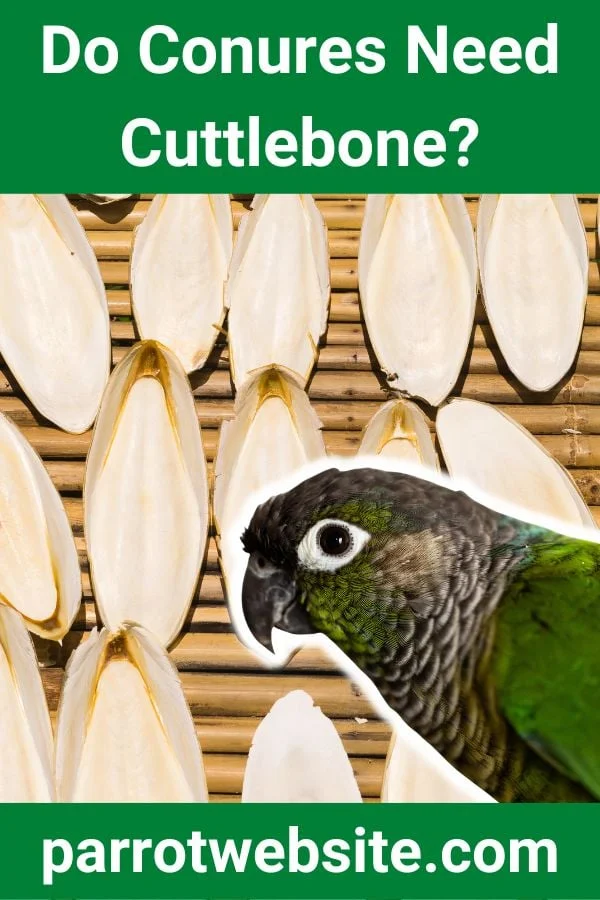
At its core, a cuttlebone is the internal shell of a cuttlefish. Despite the name, it is not a "bone" in the traditional sense; it is a rigid, gas-filled structure composed primarily of aragonite, a crystalline form of calcium carbonate.
Cuttlefish are cephalopods, distant relatives of the octopus and squid. In the wild, they use this gas-filled chamber to regulate their buoyancy, allowing them to glide effortlessly through shallow marine waters. For the consumer, however, the cuttlebone represents one of the most accessible and bioavailable sources of calcium for captive birds.
Beyond its nutritional profile, the texture of the cuttlebone is its greatest asset. Its brittle, abrasive surface provides the perfect medium for a conure to grind down its beak. Because a parrot’s beak is composed of keratin—the same protein found in human fingernails—it grows continuously throughout the bird’s life. Without proper maintenance, this beak can become overgrown, causing pain, difficulty eating, and long-term structural issues.
Chronology of Usage and Evolution
The use of cuttlebone in aviculture dates back centuries, long before modern commercial pet supplements existed. Historically, keepers of exotic birds and cage-bound songbirds recognized that birds in captivity often suffered from "soft beaks" or metabolic bone diseases. Through empirical observation, early avian enthusiasts discovered that hanging these dried marine structures in cages effectively mitigated these issues.
As the pet industry professionalized in the 20th century, the demand for cuttlebone expanded beyond bird keeping. It became a staple in the jewelry industry, where its high thermal resistance allowed it to serve as a mold for metal casting. Despite these industrial applications, its primary role in the global market remains tied to the health of pet birds. Today, the supply chain is robust, with sustainably sourced cuttlebones being readily available to the global pet community, ensuring that even those living far from the coast can provide this vital enrichment to their birds.
Supporting Data: The Science of Calcium and Keratin
To understand why your conure requires cuttlebone, one must look at the biochemistry of the bird.
The Calcium Crisis
Calcium is the most abundant mineral in a bird’s body. It is essential for:
- Skeletal Integrity: Providing the framework for bones.
- Neuromuscular Function: Enabling muscle contractions and nerve signaling.
- Egg Production: Female birds require massive amounts of calcium to form healthy eggshells; a deficiency can lead to "egg binding," a life-threatening condition.
Domestic conures are often fed seed-based diets, which are notoriously high in fat and low in essential minerals like calcium. While leafy greens and supplements help, a cuttlebone acts as a "self-service" calcium station. Because birds are intelligent, they often instinctively turn to the cuttlebone when they feel a nutritional deficit, making it a crucial safety net for owners.
Keratin Maintenance
A conure’s beak is in a constant state of turnover. It flakes, grows, and reshapes itself. In the wild, birds forage on bark, nuts, and fibrous vegetation, which naturally files the beak down. In a domestic setting, the environment is often "too soft." Without an abrasive surface like cuttlebone, the beak can become overgrown, leading to an incorrect bite (malocclusion) that makes it difficult for the bird to manipulate food.
Expert Perspectives: What Veterinarians Say
Avian veterinarians almost universally endorse the presence of cuttlebone in a conure’s cage. While some owners argue that high-quality, fortified pellets provide enough calcium, the consensus remains that the behavioral benefit of the cuttlebone is irreplaceable.
Dr. Aris Thorne, a specialist in avian medicine, notes: "The act of chewing on a cuttlebone is not merely about nutrient ingestion; it is a form of environmental enrichment. Conures are highly intelligent, inquisitive creatures. Providing them with a safe, natural, and destructible object keeps them mentally engaged. When a bird is bored, it may turn to self-destructive behaviors like feather plucking. A cuttlebone is a simple, effective tool to combat that boredom."
Regarding the fear of "too much calcium," veterinarians emphasize that healthy birds are excellent at self-regulating. Provided the bird has access to fresh water and a balanced diet, the risk of hypercalcemia from chewing on a cuttlebone is statistically negligible.
Implications for Cage Management
Integrating a cuttlebone into your conure’s life is straightforward, but it requires adherence to best practices to ensure it remains hygienic and functional.
Optimal Placement
The cuttlebone should be placed near a favorite perch or a high-traffic area of the cage. Using a mounting clip or heavy-duty zip ties to secure the bone to the cage bars is essential. If the bone is loose at the bottom of the cage, it will likely be soiled with droppings or ignored by the bird, as conures prefer to work on items that are at eye level.
The "Shelf Life" Myth
One of the most common questions from owners is: "When should I throw it away?" The answer is simple: You don’t have to. Because cuttlebone is a mineralized structure, it does not "spoil" or expire. It is stable and sterile. You should only replace the cuttlebone when your conure has whittled it down to a small, unusable nub. Always keep a spare on hand so that when the current one is finished, you can replace it immediately.
Cuttlebone vs. Mineral Blocks
Owners often ask if a mineral block can replace a cuttlebone. While mineral blocks offer a broader spectrum of trace minerals, they are often too dense or too soft compared to the naturally porous structure of the cuttlebone. The cuttlebone provides the perfect balance of brittleness and grit, making it superior for both beak maintenance and calcium absorption. Ideally, use a cuttlebone as your primary tool, and consider a mineral block as a secondary, supplemental enrichment.
Troubleshooting and FAQ
What if my conure ignores the cuttlebone?
If your bird is hesitant, try rubbing a small piece of fruit on the surface or breaking off a small, thin sliver and mixing it into their food to familiarize them with the texture and taste. Most birds will eventually explore it out of curiosity.
Is there a risk of contamination?
Commercially sourced cuttlebones are typically cleaned and bleached (often with hydrogen peroxide) to ensure they are safe for pets. Always purchase from reputable pet suppliers to ensure the product has been processed correctly for avian use.
Can I use it for other birds?
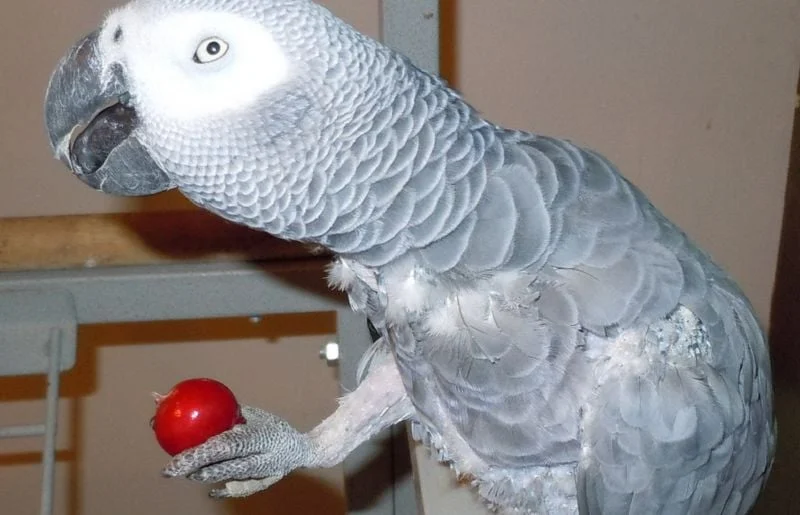
Yes, cuttlebone is beneficial for almost all species of hookbills, including budgies, cockatiels, and African Greys. It is a universal tool for avian health.
Conclusion: A Small Investment for Major Results
For a relatively low cost, the cuttlebone offers a triple-threat of benefits: it supports skeletal health, ensures proper beak maintenance, and provides essential mental enrichment for your pet. In the world of exotic bird keeping, where specialized care is often complex and expensive, the cuttlebone stands out as a simple, effective, and indispensable tool.
By ensuring your conure always has access to a fresh, securely mounted cuttlebone, you are taking a proactive step in protecting their health and well-being. It is a small addition to the cage that pays massive dividends in the form of a happier, healthier, and more satisfied companion. Remember, your bird relies on you to mimic the challenges and nutrients of the wild; providing them with the tools to self-regulate their health is the mark of a responsible and dedicated owner.