Introduction: A Corporate Investment Under Scrutiny
In recent years, the state of Ohio has aggressively courted large-scale manufacturing projects, viewing them as vital engines for economic revitalization. Among these is a massive new Purina pet food manufacturing facility in Clermont County—a project heralded by local officials as a milestone for job creation. However, the $10.5 million in tax incentives granted to the company have ignited a firestorm of debate.
While the state views the project as a success for the local economy, consumer advocacy groups are questioning the wisdom of rewarding a company whose marketing practices, they argue, skirt the boundaries of state and federal law. At the heart of this controversy is the discrepancy between the visually enticing packaging on Purina products and the reality of the ingredients inside, prompting a broader debate about corporate accountability and the ethical responsibility of state governments.
The Economics of the Deal: A Breakdown of Incentives
The financial structure behind the Purina facility in Williamsburg Township is significant. The total package provided to the pet food giant—a subsidiary of Nestlé—amounts to $10.5 million in state and local support. According to public records, the incentive package was designed to ensure that the facility remained in Ohio rather than being established elsewhere.
The Financial Components
- Initial Incentives: Approximately $6.8 million in direct incentives provided by the state of Ohio, Clermont County, and Williamsburg Township.
- Land Valuation: A $1.7 million land discount provided by the county to facilitate the acquisition and development of the site.
- Job Creation Credits: A 10-year, $2 million tax credit tied to a specific commitment from the company to create 300 full-time jobs.
These figures represent a substantial commitment of public funds. Proponents of the deal argue that the multiplier effect of 300 jobs will generate long-term tax revenue and stimulate ancillary businesses in the region. Conversely, critics argue that the state’s “generosity” should be predicated on more than just job counts; they contend that corporations receiving taxpayer support should demonstrate a commitment to transparency and regulatory compliance—standards they allege Purina is currently failing to meet.
Marketing vs. Reality: The Labeling Dispute
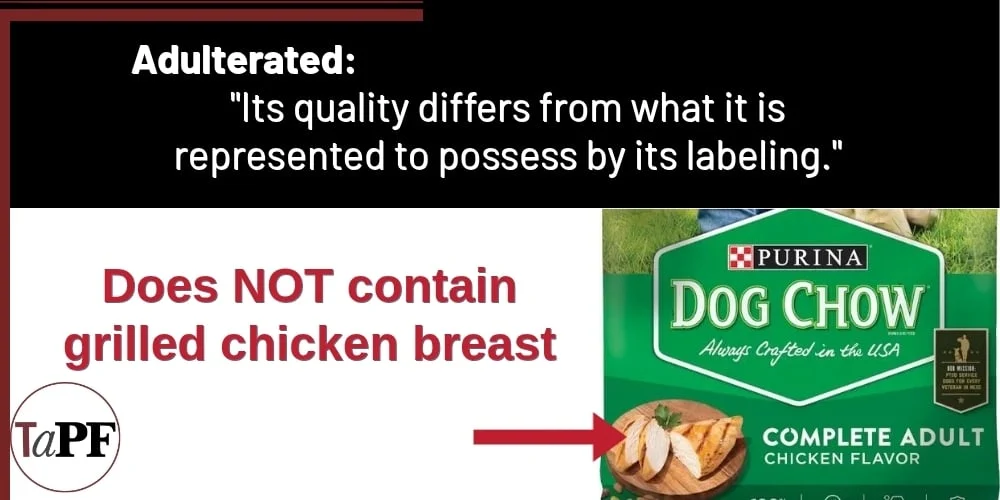
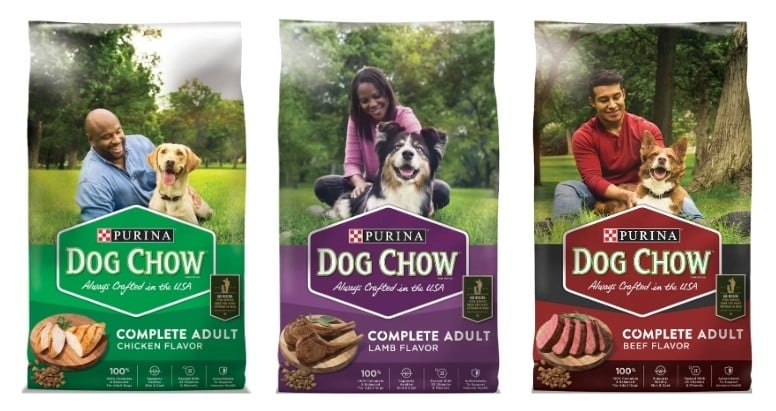
The core of the criticism directed at Purina involves the visual presentation of their products. A walk down the pet food aisle reveals bags of Purina Dog Chow adorned with high-definition, appetizing imagery of grilled chicken breasts, roasted lamb chops, and thick-cut steaks.

For the average consumer, these images create a clear expectation: the bag contains high-quality, recognizable cuts of meat. However, a closer inspection of the ingredient panels reveals a different story. These products contain no actual chicken breast, lamb chops, or steak. Instead, the products are "flavored" with these proteins, while the primary nutritional content is derived from ingredients such as "chicken by-product meal" and "meat and bone meal."
The "Flavor" Loophole
The disconnect between the front-of-bag imagery and the ingredient list is a point of contention for consumer advocates. While the word "flavor" is indeed printed on the packaging, critics point out that there is no prominent disclosure informing the consumer that the imagery—which depicts human-grade food—does not represent the actual physical contents of the bag. This, advocates argue, is a form of "visual deception" that exploits consumer trust.
Regulatory Framework: The "Adulteration" Argument
The controversy is not merely a matter of marketing ethics; it touches upon specific state regulations. Ohio Revised Code Section 923.48 explicitly defines the conditions under which animal feed is considered "adulterated."
The Legal Threshold
Under Ohio law, a pet food is deemed adulterated if its "composition or quality falls below or differs from what it is purported or represented to possess by its labeling."
Advocates argue that by depicting premium cuts of meat on the packaging, Purina is "purporting" the product to be of a certain quality. When the actual ingredients are revealed to be rendered by-products, the product arguably fails to match that representation. This raises a critical question for state regulators: Is the use of misleading imagery a violation of the very laws that govern pet food safety and labeling in Ohio?
Ingredients Under the Microscope: The Rendered Reality
To understand why the discrepancy between the label and the content is so inflammatory, one must understand the nature of "rendered" ingredients. Unlike human-grade muscle meat, "chicken by-product meal" and "meat and bone meal" are processed in a rendering plant.
Potential Risks and FDA Findings
Rendered ingredients have historically been a source of significant concern within the veterinary and advocacy communities. The FDA has previously noted that certain rendered ingredients, such as meat and bone meal, can potentially be sourced from materials that do not meet human-grade standards.
In a landmark 2002 investigation, the FDA examined the presence of pentobarbital—a drug used for animal euthanasia—in pet foods. The agency’s findings suggested a correlation between the presence of pentobarbital and the use of rendered ingredients, specifically meat and bone meal and animal digest. The implication is that if the raw materials are not sourced from USDA-inspected, slaughtered animals, there is a risk that the supply chain could include euthanized pets or livestock.
While Purina maintains that its manufacturing processes meet all current regulatory requirements, critics argue that the burden of proof lies with the company. They are calling for evidence that every batch of rendered ingredients used in these facilities is sourced exclusively from animals that have been "inspected and passed" for slaughter, thereby excluding the possibility of "condemned" materials.
Chronology: The Road to the Ohio Facility
The path to the current controversy began nearly six years ago when discussions regarding the plant’s location were first initiated.

- Early Planning (2019-2020): Local government officials in Clermont County identified the need for industrial growth and entered negotiations with Nestlé Purina.
- Incentive Package Approval (2021): The state and local authorities finalized the $10.5 million incentive package, citing the 300-job target as a primary benefit.
- Construction Phase (2022-2025): The facility took shape, with significant media coverage highlighting the "state-of-the-art" nature of the plant.
- Operational Launch (2026): As production hit full capacity, consumer advocate organizations began highlighting the discrepancy between the marketing materials and the product contents, leading to the current push for an investigation.
Implications for Corporate Responsibility
The situation in Ohio serves as a microcosm for a national debate: Should public subsidies be contingent on more than just job creation?
The Argument for Stricter Oversight
If a company is receiving millions in taxpayer dollars, many argue that it should be held to a higher standard of consumer transparency. The argument is that the government is essentially "subsidizing" the marketing budget of a company that is potentially misleading the very citizens whose taxes funded the plant.
The Legal and Regulatory Stance
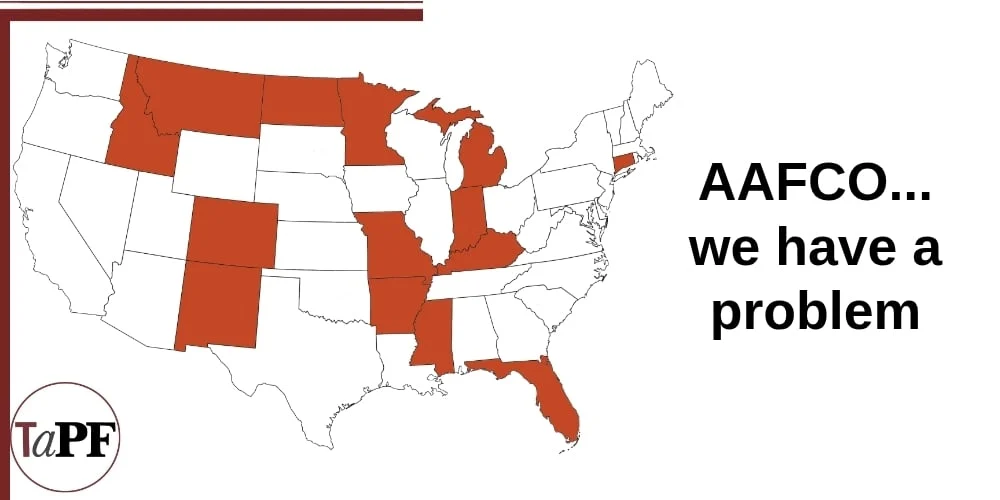
Official responses from regulatory bodies have been largely quiet, focusing on the adherence to AAFCO (Association of American Feed Control Officials) standards. However, critics argue that AAFCO standards are insufficient and that state-level enforcement is necessary to bridge the gap between "legal" under federal definitions and "truthful" for the consumer.
A Call to Action
The Association for Truth in Pet Food and other advocacy groups are now calling for a full, independent investigation into the $10.5 million tax credit award. They are urging Ohio residents to contact their state representatives to demand:
- Transparency: A review of the specific labeling practices used by Purina at the Ohio facility.
- Compliance Audit: An investigation into the sourcing of ingredients, specifically whether rendered products are meeting the "inspected and passed" criteria.
- Accountability: A policy shift requiring that any corporation receiving state subsidies must demonstrate 100% compliance with both the letter and the spirit of consumer protection laws.
Conclusion: The Path Forward
The Purina plant in Ohio represents a significant investment in the state’s manufacturing future, but it has also highlighted a significant divide between corporate marketing and consumer rights. As the debate continues, the fundamental question remains: Can a company truly be considered a "good neighbor" to the state if its business practices rely on potentially misleading its customer base?
For the consumers of Ohio and beyond, the focus will remain on the label. Until there is greater transparency, the images of grilled steaks and roasted lamb on a bag of kibble will continue to serve as a symbol of a broken trust—one that many believe the state government has an obligation to repair. The $10.5 million question is no longer just about jobs; it is about the integrity of the food that households across the country serve to their pets every single day.