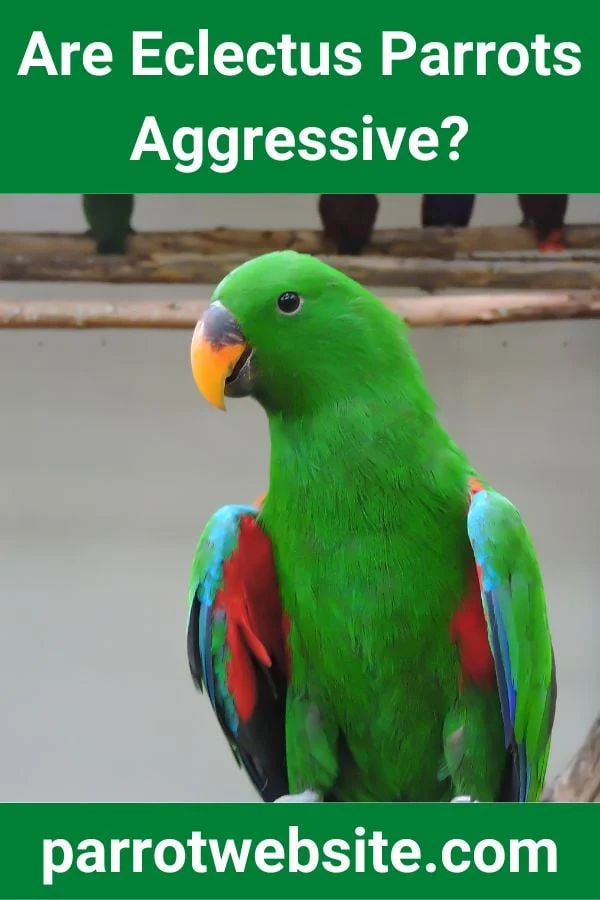
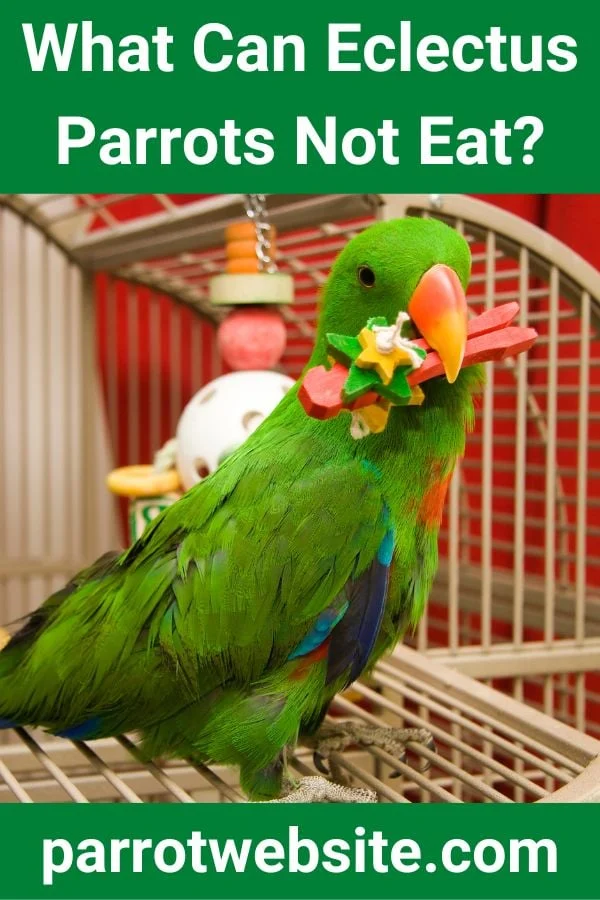
Eclectus parrots (Eclectus roratus) are among the most visually striking and biologically fascinating birds in the avian world. Known for their extreme sexual dimorphism—with males boasting vibrant emerald green plumage and females displaying deep, rich reds and purples—these birds require a specialized approach to nutrition. Because their digestive systems have evolved to process high-fiber, plant-based diets, owners must navigate a strict culinary landscape to ensure longevity and health.
Main Facts: The Four Pillars of the Eclectus Diet
The dietary requirements of an Eclectus parrot are elegantly simple yet biologically demanding. To thrive in a domestic setting, their intake must be anchored by four primary food groups: fruits, vegetables, seeds, and nuts.
In terms of distribution, approximately 75% of a healthy, balanced diet should consist of a variety of fruits, vegetables, and high-quality seeds. The remaining 25% is comprised of nutrient-dense nuts and, optionally, formulated avian pellets. While commercial pellets can provide a safety net for nutritional gaps, they are not strictly necessary if a parrot owner provides a diverse array of fresh, whole foods.
Unlike many other pet species, the Eclectus is an obligate herbivore. Their physiological makeup is not designed to process animal proteins, fats, or processed sugars. Straying from the plant kingdom into the realm of meat, dairy, or human "junk food" can lead to rapid health deterioration, digestive distress, and chronic illness.
Chronology and Evolution: Lessons from the Wild
To understand why the domestic Eclectus requires such a specific diet, one must examine their evolutionary origins. Native to the tropical rainforests and wetlands of Oceania—including Australia, New Guinea, the Solomon Islands, and Sumba—these parrots have evolved to forage in environments where fruit is highly abundant.
The Wild Foraging Pattern
In the wild, the Eclectus diet is dictated by seasonal availability. They are opportunistic feeders, spending the majority of their day consuming wild fruits and leafy vegetation. Seeds are a secondary, though critical, source of nutrients. However, there is a distinct difference between the fruit found in a wild rainforest and the produce found in a modern supermarket.
Wild fruits are generally lower in sugar and higher in complex fibers. Domesticated produce, bred for human palates, is often significantly sweeter. Consequently, pet owners must balance the sugar content of store-bought fruits with a higher proportion of raw vegetables and seeds to prevent obesity and metabolic issues. This "wild-approximation" model remains the gold standard for avian nutritionists: mimicking the high-fiber, low-processed intake of their ancestors is the most effective way to prevent the ailments common in captive birds.
Supporting Data: The Anatomy of Digestion and Toxic Risks
The prohibition of specific foods for Eclectus parrots is not a matter of preference but a biological necessity. Their gastrointestinal tracts lack the enzymatic tools to break down complex animal proteins or specific plant-based toxins.
The Meat and Dairy Fallacy
A common misconception among new bird owners is that protein must come from meat. This is scientifically inaccurate. All protein, even in carnivores, originates from plant sources. Large herbivores like elephants and rhinoceroses maintain massive muscle mass solely through plant consumption. The Eclectus parrot, likewise, derives all necessary amino acids from seeds, nuts, and vegetables.
Furthermore, dairy is strictly off-limits. Eclectus parrots are lactose intolerant; they lack the enzyme lactase required to break down the sugars found in milk. Consumption of dairy—whether cheese, yogurt, or milk—can cause severe gastrointestinal cramping, diarrhea, and long-term systemic inflammation.
The Toxic "No-Go" List
Certain common household foods contain compounds that are actively poisonous to the avian system:
- Avocado: Contains the fatty acid derivative persin. In parrots, this compound can lead to rapid respiratory failure and death.
- Onions and Garlic: These contain sulfur compounds and allicin, respectively, which are known to cause hemolytic anemia—a condition where the parrot’s red blood cells are ruptured.
- Tomatoes: While not as immediately lethal as avocado, their high acidity can cause ulcers and gastrointestinal irritation.
- Nightshades: Generally, members of the nightshade family are best avoided to prevent potential toxicity.
Official Guidelines on Food Preparation
Maintaining a healthy diet involves not just choosing the right ingredients, but preparing them correctly.
The Case for Raw Over Cooked
While some bird owners enjoy preparing "birdie bread" or cooked mashes, the consensus among experts is that raw, fresh produce is superior. Cooking often degrades the vitamin profile of fruits and vegetables. Moreover, cooked foods are frequently prepared with oils, salts, or spices—all of which are detrimental to a parrot’s delicate kidneys and liver. Raw, washed, and organic produce provides the highest nutritional density and the most natural texture, which also helps keep the bird’s beak properly conditioned.
The Pit-Seed Hazard
While fruits like apples, cherries, and plums are excellent additions to the diet, their pits and seeds often contain trace amounts of cyanide-forming compounds. Owners must ensure that all fruit cores and pits are removed before serving to prevent accidental ingestion.
Implications for Long-Term Health
The life expectancy and vitality of an Eclectus parrot are directly tied to the consistency of its diet. By adhering to a strictly herbivorous, whole-food regimen, owners can mitigate the risk of several common conditions, including:
- Obesity: High-sugar diets (often caused by excessive fruit consumption without enough vegetable balance) lead to fatty liver disease, a leading cause of mortality in captive parrots.
- Nutritional Deficiencies: Relying solely on seeds can lead to vitamin A and calcium deficiencies. A diverse rotation of vegetables—dark leafy greens, carrots, and peppers—is essential to provide a broad spectrum of micronutrients.
- Gastrointestinal Distress: By avoiding processed foods, dairy, and meat, owners prevent the chronic inflammation and malabsorption issues that plague birds fed an inappropriate "human" diet.
Practical Tips for the Modern Owner
To ensure your Eclectus receives the variety it needs, consider a "rotation system." Rotate the vegetables provided each week to prevent boredom and ensure a wider range of vitamins. Use commercial parrot feeds as a baseline for seed intake, but treat them as a foundation rather than a sole source of nutrition.
Finally, remember that every bird has individual preferences. Just as humans have distinct tastes, an Eclectus may prefer raw broccoli over kale, or pumpkin seeds over sunflower seeds. Experimenting with different textures and presentations—such as hanging vegetable skewers or hidden treat bowls—can also provide the mental stimulation that is vital for such an intelligent species.
Conclusion
The Eclectus parrot is a beautiful, complex creature that requires a straightforward, nature-based diet to thrive. By focusing on a foundation of fruits, vegetables, seeds, and nuts—while rigorously excluding meat, dairy, and toxic plants like avocado and onions—owners can provide a safe and nourishing environment. The simplicity of their dietary needs should not be mistaken for a lack of importance; rather, it is a testament to the specific, specialized biology of these magnificent birds. When managed with care and scientific awareness, a well-fed Eclectus can enjoy a long, vibrant life, serving as a testament to the benefits of a diet that remains true to its wild origins.