In the world of animal behavior, few things remain static. As our scientific understanding of canine cognition evolves, so too must the methodologies we employ to raise, train, and live alongside our four-legged companions. Patricia McConnell, a preeminent voice in applied animal behavior, has recently revisited her seminal work, The Puppy Primer. Originally published in 2008, the guide has served as a foundational text for nearly two decades. The release of a thoroughly revised edition marks not merely a refresh of content, but a reflection of a profound shift in the professional landscape of dog training—a shift being mirrored in upcoming industry events like the CANIS conference.
The Evolution of Canine Care: A Professional Shift
The animal care field is currently undergoing a transformative period. As the CANIS conference organizers aptly state, “The animal care field is in a profound state of transformation. Nowhere is this more evident than in the care and understanding of our canine companions.” This evolution is moving away from archaic, dominance-based models toward a nuanced understanding of communication, emotional intelligence, and positive reinforcement.
For McConnell, the decision to update The Puppy Primer was driven by the realization that while the core principles of positive reinforcement (R+) remain constant, the way humans articulate these concepts to the general public has needed a significant upgrade. With over 185,000 copies of the original edition in circulation, the book has long been a staple for trainers and new puppy owners alike. However, eighteen years of practical application and academic study have provided new clarity on how to bridge the gap between human intent and canine interpretation.
Decoding the Language: Cues, Markers, and Reinforcement
At the heart of the revised edition is a rigorous focus on the mechanics of communication. Many owners believe that their dogs possess an intuitive understanding of human speech, often resulting in frustration when the dog fails to comply. McConnell emphasizes three critical pillars in the new edition:
The Fallacy of the Human-Canine “Mind-Meld”
Cues are the building blocks of training, yet they are frequently executed with poor consistency. Humans often alternate between varied commands—"Come" one day, "Get over here" the next—while failing to realize that the dog relies far more on body language than verbal syntax. A recurring issue in amateur training is the tendency to use a dog’s name as a multi-purpose command, assuming the dog understands the nuance of the owner’s tone. The revised Puppy Primer aims to strip away these misconceptions, teaching owners that clarity and consistency are the primary prerequisites for success.

The Power of the Marker
While the clicker remains a gold-standard tool, the new edition places a renewed emphasis on "markers." A marker serves as a bridge, a precise signal that communicates to the dog, "Yes! That specific action is what I am looking for." McConnell advocates for verbal markers like "Good!" or "Yes!" for the everyday owner. By simplifying the process, the book encourages owners to integrate "mark and treat" habits into their daily lives without the barrier of carrying specialized equipment.
Redefining Reinforcement
Perhaps the most significant clarification in the update involves the concept of positive reinforcement (R+). R+ is defined by the receiver, not the sender. A human may offer "praise" in the form of a verbal "Good boy," but if the dog finds the noise irrelevant or bothersome, it is not reinforcement. The revised text encourages owners to move beyond making "so many noises" and instead focus on meaningful, reinforcing outcomes that the dog actually values.
Chronology of a Training Philosophy
The journey from the 2008 edition to the 2026 revision reflects a broader cultural shift in animal welfare.
- 2008: The Puppy Primer is released, focusing on basic R+ principles and establishing the use of clickers and treats. It becomes a go-to resource for training classes across the country.
- 2008–2025: The training community experiences a "positive-forward" movement. Research into canine social behavior, inter-dog communication, and stress signals grows significantly.
- 2026: The revised Puppy Primer is published by Little Creek Press. It addresses modern challenges, such as the use of "yelping" to stop puppy nipping. Recognizing that while yelping mimics littermate behavior, it is frequently misused by owners, the new edition shifts toward more effective interrupters and redirection strategies.
Implications for Modern Puppy Owners
The implications of these changes are substantial. By removing advice that is "too easy to do wrong," such as the yelping technique, and replacing it with more accessible alternatives like "Four on the Floor," the guide becomes more effective for the average household. The inclusion of updated advice on crate training and the complete overhaul of the "Recommended Reading" section ensures that the book remains a living document rather than a relic of 2008 training philosophy.
For professionals who teach classes or see private clients, the message is clear: the goal of training is to make the process fun and intuitive. The "mark and treat" methodology, though a foreign concept to many novices, is championed throughout the book as the most efficient way to build a shared language.

Beyond the Training Field: Life on the Farm
While the professional focus remains on the upcoming CANIS conference and the dissemination of these new training standards, the life of an animal behaviorist continues on the farm. As the season shifts, the environment provides a stark contrast to the intellectual rigors of conference planning.
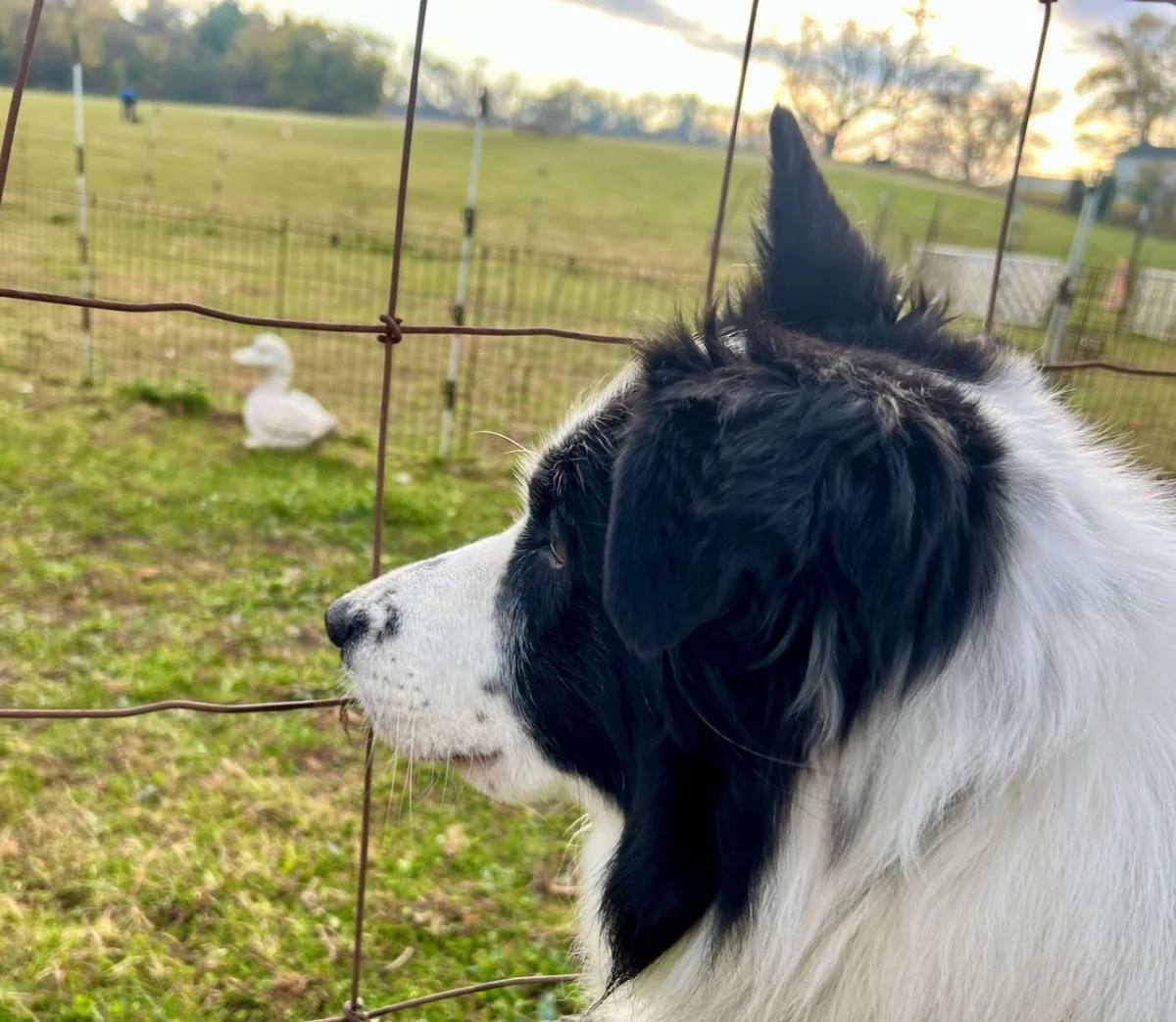
The current autumn season has brought a bounty of brussels sprouts and the fading beauty of zinnias—which have served as a vital resource for local pollinators. Even as the gardens thin out, the canine residents remain active. Maggie, a long-time companion now approaching the age of 14, provides a poignant reminder of the aging process in working dogs. As her hearing fades, her ability to work sheep has evolved. Rather than correcting her, the focus has shifted to allowing her the autonomy to work in her own way, emphasizing that sometimes, the best management is simply allowing a dog to enjoy the work that makes them happy.
Conclusion: An Invitation to Connect
As the industry prepares for the CANIS conference, the intersection of science and practical application continues to be the primary theme. Whether it is through the pages of a revised training guide or the face-to-face interactions at a conference, the objective remains the same: to improve the quality of life for our dogs by refining the way we communicate with them.
For those attending the CANIS conference, specifically the Saturday night event on October 10th, the opportunity to discuss these shifts in person is an invitation to contribute to the ongoing dialogue. As the "vines start the party" and the seasons change, the professional community remains committed to the idea that there is always more to learn, more to refine, and more ways to make the relationship between human and dog more effective, joyful, and clear.
By embracing these changes, owners and trainers alike are not just teaching a puppy to sit; they are participating in a fundamental shift in the standard of care, ensuring that our canine companions are heard, understood, and effectively guided through the human world.