By Editorial Staff | September 14, 2026
In an era where dogs have transitioned from utilitarian companions to central members of the household, a fundamental question of nomenclature has emerged: How do we accurately define our relationship with the creatures who share our homes, our hearts, and our daily lives? Renowned animal behaviorist and author Dr. Patricia McConnell recently reignited this discourse, positing that the labels we currently utilize—"owner," "pet parent," and "guardian"—all fail to fully capture the complexity of the human-canine connection.

The Semantic Struggle: Beyond "Ownership"
The debate surrounding the language we use is not merely an academic exercise; it reflects an evolving societal view of animal sentience. For decades, the term "dog owner" has served as the standard legal and social descriptor. However, as Dr. McConnell points out, this terminology is increasingly viewed as problematic.
The Problem with "Ownership"
The term "owner" inherently categorizes the dog as property, placing them alongside inanimate objects like automobiles or household appliances. This, critics argue, upholds an antiquated, human-centric worldview—a vestige of the "Great Chain of Being"—that subordinates all other species to human dominion. While "ownership" provides a clear legal framework for responsibility and liability, it ignores the biological and emotional reality of the dog as a sentient, feeling individual.

The "Pet Parent" Controversy
Conversely, the shift toward "pet parent" aims to humanize the relationship, emphasizing love, caretaking, and emotional attachment. Yet, this term faces pushback from human parents who argue that equating the raising of a human child with the care of a canine trivializes the complexities of parenthood. Furthermore, describing dogs as "infantile" creatures ignores their status as mature, adult animals—domesticated, yes, but fully realized beings with their own psychological integrity.
The "Guardian" Compromise
In her forthcoming, fully revised edition of The Puppy Primer, Dr. McConnell opted for "guardian." While she admits the term is an imperfect fit, it represents a middle ground. A guardian is a protector, one who manages the affairs of those unable to advocate for themselves. It implies a duty of care that transcends mere possession, though it lacks the warmth of a familial bond.

A New Paradigm: The "Biological Miracle"
Dr. McConnell proposes a shift toward a perspective often championed by Indigenous cultures: viewing animals not as subordinates, but as brothers, sisters, or elders within a wider circle of existence. This perspective moves away from "dominion" and toward a reciprocal relationship built on responsibility, honor, and mutual learning. She describes the dog-human bond as a "biological miracle," a unique interspecies partnership that warrants a more respectful, nuanced vocabulary.
Chronology of a Busy Season: From Farm to Field
The discourse on canine nomenclature coincides with a period of significant professional and personal activity for Dr. McConnell. As autumn arrives, bringing a shift in the landscape from deep summer greens to the rich, golden hues of the soybean harvest, the focus has shifted to both the classroom and the field.

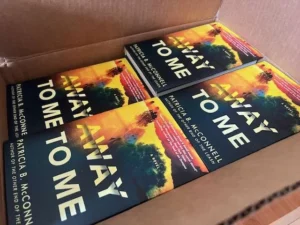
- Mid-September 2026: Final revisions for the updated The Puppy Primer are completed. The book, moving to a new publisher, Little Creek Press, is slated for an October 1st release.
- September 12–13, 2026: Dr. McConnell participates in the Crook and Whistle Sheepdog Trial, held in conjunction with the Wisconsin Sheep and Wool Festival in Jefferson, Wisconsin.
- Upcoming: Preparation for the CANIS conference, where Dr. McConnell will deliver a "story talk" and debut the new edition of her training guide.
Supporting Data: The Art of the Sheepdog Trial
The recent trials in Jefferson, Wisconsin, served as a poignant backdrop for observing the "biological miracle" of the dog-human connection in a working capacity. The sheepdog trial is not merely a sport; it is an intricate dance of communication and mutual respect.
The Mechanics of the Run
At a high-level trial, the "outrun" is a crucial metric, requiring the dog to perform a precise semi-circle to gather sheep without causing undue stress. A successful run demands that the dog possess three distinct traits: knowledge, power, and patience.

The trials featured young, inexperienced lambs that proved difficult for even skilled dogs to manage. Unlike elder ewes who move with purpose, these lambs often stood flummoxed, challenging the dog to maintain composure under time pressure. For the observer, this highlighted the necessity of a handler who acts as a partner rather than a master—a dynamic that reinforces the argument against viewing the dog as a mere tool or object.
The Craft and Culture of the Festival
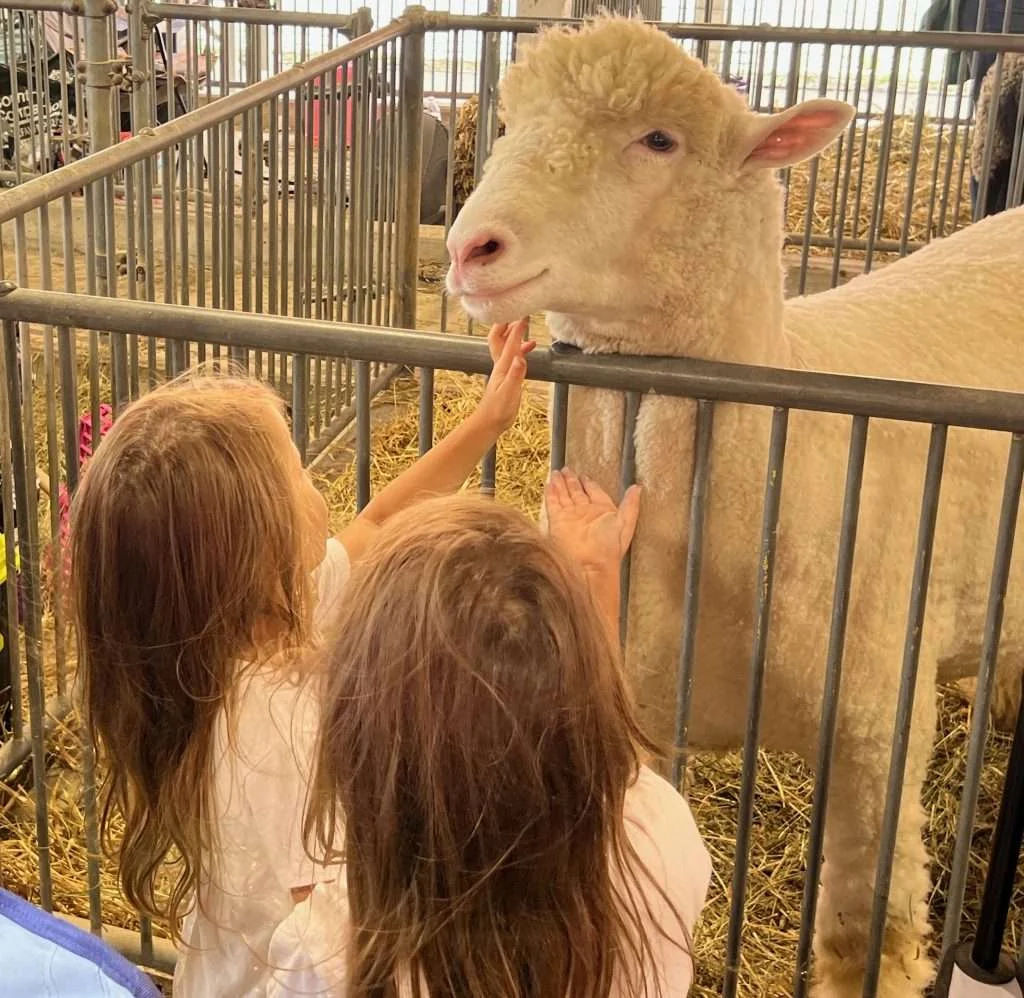
Beyond the trials, the Wisconsin Sheep and Wool Festival offered a broader look at the role of animals in human culture. From the spinning circles where artisans gathered to work with raw fibers, to the sheep barns where children interacted with calm, patient Border Leicesters, the event highlighted a long-standing, symbiotic relationship between humans and domesticated livestock.

Official Responses and Industry Shifts
The publishing industry and the veterinary community have been increasingly sensitive to these semantic shifts. The move by The Puppy Primer to Little Creek Press—a local publisher—signifies a trend toward more intimate, values-driven dissemination of knowledge.
By prioritizing the "guardian" framework, authors are attempting to shift the training paradigm away from dominance-based methodologies toward those rooted in behavioral science and mutual respect. This shift is not just about words; it is about how we treat our animals. When we stop viewing the dog as an object to be controlled and start viewing them as a sentient partner to be guided, training outcomes improve, and the quality of life for the animal increases significantly.

Implications for the Future
As society continues to grapple with the ethics of animal keeping, the conversation started by Dr. McConnell is likely to gain traction. The implications are far-reaching:
- Legal Standards: A shift from "owner" to "guardian" could eventually influence legal precedents regarding animal welfare and liability, potentially granting animals more robust protections.
- Training Methodologies: Adopting a "guardian" or "partner" mindset necessitates the abandonment of punitive training tools (such as the crook-striking incident mentioned by Dr. McConnell), as such actions are incompatible with a relationship based on mutual honor.
- Cultural Understanding: By incorporating Indigenous perspectives on animal kinship, the public may develop a more profound appreciation for the "biological miracle" of the dog, leading to better welfare outcomes and deeper emotional connections.
Conclusion
Whether we settle on "guardian," "partner," or a term yet to be coined, the consensus is clear: the current lexicon is insufficient. As we move into the autumn of 2026, the challenge remains for every dog lover to examine the nature of their own bond. Are we holding a leash, or are we holding a hand?

For those attending the upcoming CANIS conference or reading the latest edition of The Puppy Primer, the message is one of introspection. We must strive to honor our dogs not as possessions, but as the living, breathing, and sentient beings they are. In the words of those who work closely with them, we have a responsibility to learn from them, thank them, and walk alongside them—not as masters, but as equals in a shared life.
As for the immediate future, the calendar remains packed. From dance lessons at Arthur Murray to the highly anticipated launch of her book, Dr. McConnell remains at the forefront of this evolution, inviting us all to join the conversation. In the meantime, as the seasons change and the wasps gather their final carbohydrates, we are reminded that our time with these creatures is short, precious, and worthy of the deepest respect we can muster.