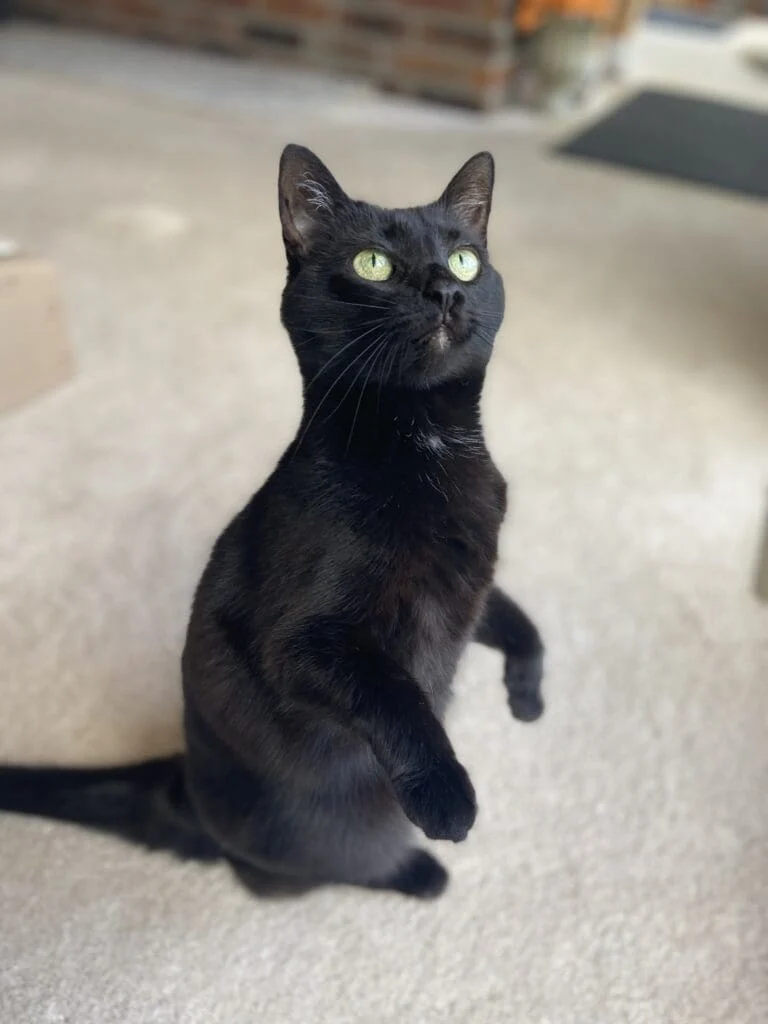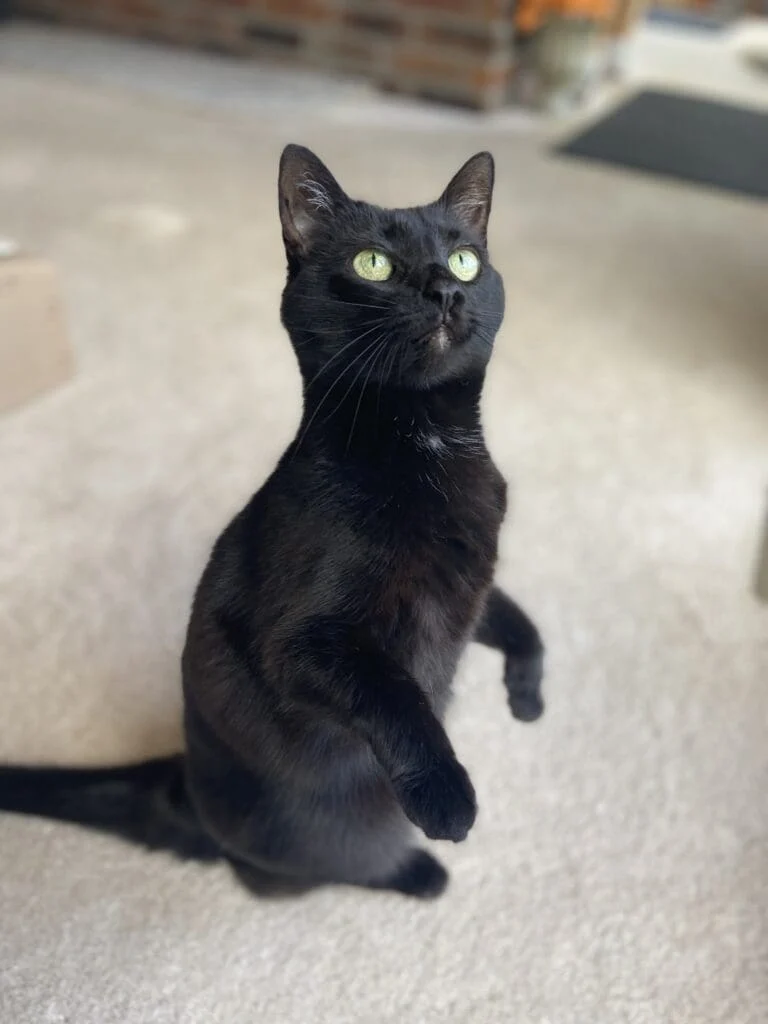
As advancements in veterinary medicine and a deeper understanding of feline nutritional science continue to evolve, our feline companions are living longer, more vibrant lives than ever before. It is not uncommon for modern indoor cats to reach their late teens or early twenties; some, like those in the household of renowned feline behaviorist Pam Johnson-Bennett, have even reached the impressive age of 24.
However, the "senior" label can be deceptive. While some cats maintain a youthful, energetic demeanor well into their twilight years, others undergo subtle, often overlooked changes that signal underlying discomfort. Recognizing the difference between "slowing down" and suffering from age-related pain is the most significant hurdle for many pet owners. This guide explores the essential, often-neglected aspects of geriatric feline care, ensuring your cat’s golden years are as comfortable and dignified as their youth.
Main Facts: The Reality of Feline Aging
The transition into the senior life stage typically begins around age 10 or 11. Unlike human aging, which is often visible through physical changes, feline aging is frequently masked by the species’ natural instinct to hide weakness.
The Silent Struggle: Many owners mistake a decline in activity or social engagement for "just getting old." In reality, this withdrawal is frequently a symptom of chronic pain—often stemming from osteoarthritis, dental disease, or internal organ decline.

The Veterinary Mandate: The single most important factor in extending a senior cat’s life is the shift to a biannual veterinary schedule. Because cats are masters of concealment, health issues—such as hyperthyroidism, chronic kidney disease, or hypertension—are often only detectable through blood panels and physical exams before they reach a critical state. If your cat has been avoiding the vet due to the stress of travel, it is time to reassess. Proactive care is not just a recommendation; it is the cornerstone of successful management.
Chronology: Understanding the Senior Transition
To provide adequate care, owners must understand the progression of feline aging:
- The Mature Phase (7–10 years): During this period, metabolic rates begin to slow. Owners should begin monitoring weight fluctuations closely and transition to senior-specific health screenings.
- The Senior Phase (11–14 years): Mobility issues may begin to manifest. Cats might show hesitation before jumping, or they may stop accessing high-up perches entirely.
- The Geriatric Phase (15+ years): At this stage, cognitive function and sensory perception (sight and hearing) may begin to decline. Environmental modifications move from "convenience" to "necessity."
Supporting Data: Why Enrichment Remains Vital
Many owners mistakenly believe that as a cat ages, their need for stimulation vanishes. Data from animal behaviorists suggests the opposite: a lack of mental stimulation can lead to cognitive dysfunction syndrome (CDS), which mirrors human dementia.
1. Supporting Mental Stimulation
Cognitive health is inextricably linked to physical movement. Interactive play sessions should be tailored to the cat’s current abilities. Even if your cat is no longer capable of high-flying aerial acrobatics, the intent of the hunt remains.

- Puzzle Feeders: These are perhaps the most underutilized tool in senior care. By requiring the cat to solve a "problem" to access food, you are engaging their problem-solving centers. Start with low-difficulty feeders that offer immediate rewards to prevent frustration, eventually progressing to more complex challenges.
- Clicker Training: Senior cats can absolutely learn new tricks. Keep sessions to under three minutes, focusing on low-impact behaviors like "nose-touching" a target. This provides a sense of accomplishment and reinforces the bond between owner and cat.
2. Maintaining Mobility Through Low-Impact Activity
Movement keeps joints lubricated and muscles toned. However, the style of play must change.
- Ground-Level Predation: Shift away from "bird" toys that require jumping. Focus on "insect" or "rodent" toys that move along the floor, mimicking the natural movement of ground-dwelling prey.
- The "Slow-Motion" Hunt: The goal is to keep the cat interested and moving, not to exhaust them. A few minutes of low-key engagement twice a day is significantly better than one long, strenuous session.
Official Recommendations: Environmental Modifications
When a cat enters the senior stage, the home environment must be "re-engineered" to accommodate their changing physical limitations.
The Infrastructure of Comfort
- Accessibility: If your cat loves a specific windowsill or bookshelf, install ramps or steps. A cat that can no longer reach their favorite observation post will quickly become depressed and isolated.
- Elevation and Strain: Neck and shoulder strain is common in older cats. Elevating food and water bowls prevents the cat from having to lower their head to the ground, which is particularly helpful for those with arthritic necks.
- Litter Box Logistics: This is where most geriatric accidents occur. As bladder control changes, the distance to the litter box matters. If you have a multi-story home, ensure there is a litter box on every level. Furthermore, if the cat has mobility issues, the box must have low entry points. High-sided boxes that require a jump are a recipe for "accidental" elimination outside the box.
Sensory Safety
As vision and hearing fade, the home environment needs to be stabilized:
- Lighting: Motion-activated nightlights are a simple, inexpensive way to help a cat with failing vision navigate to their food or litter box at night.
- Consistency: Avoid rearranging furniture. A cat with failing eyesight creates a "mental map" of their environment; moving a sofa or an ottoman can cause unnecessary stress and collisions.
- Hazard Mitigation: Keep floors clear of clutter. Use textured mats near stairs to provide tactile warnings that a change in elevation is approaching.
Implications: The Emotional Bond
The final years of a cat’s life are a profound opportunity to solidify a long-standing companionship. The implications of providing this specialized care extend beyond mere physical health—they improve the cat’s emotional state.

A cat that is free from pain, intellectually stimulated, and physically supported within their home is a cat that remains "present" and engaged. This is a time to focus on comfort: frequent grooming, temperature regulation (as senior cats struggle more with extreme heat or cold), and ensuring they have soft, orthopedic bedding.
A Note on Professional Consultation
While the above strategies provide a framework for home care, they are not a substitute for clinical diagnostics. If you notice a sudden change in your cat’s habits—such as increased thirst, weight loss, vocalization at night, or sudden irritability—contact your veterinarian immediately. These are not just "signs of aging"; they are often early warnings of manageable conditions.
As Pam Johnson-Bennett emphasizes in her extensive body of work on feline behavior, our cats rely on us to be their advocates. By acknowledging that aging is a manageable life stage rather than a decline, we can ensure that our cats continue to thrive, enjoying the same level of love and security that defined their younger years.
Summary Checklist for the Senior Cat Owner:
- Medical: Schedule bi-annual wellness exams including blood work and blood pressure checks.
- Mental: Introduce age-appropriate puzzle feeders and short, positive clicker training sessions.
- Physical: Adjust play to ground-level; provide ramps for high perches.
- Environmental: Increase litter box accessibility, install nightlights, and keep floor layouts consistent.
- Grooming: Assist with brushing and hygiene if the cat can no longer reach certain areas of their body.
By treating these "overlooked" aspects of care as priorities, you are doing more than just extending your cat’s life—you are ensuring that every day they have left is lived with comfort, dignity, and joy.