Positive reinforcement is often touted as the "gold standard" of dog training—a philosophy rooted in the simple, elegant premise that rewarding desired behavior will increase its frequency. However, as renowned animal behaviorist and author Dr. Patricia McConnell points out, the reality of human-dog communication is far more complex. Even well-intentioned owners frequently fall into the trap of "poisoning the cue," unintentionally creating negative associations that can undermine training, erode trust, and confuse our canine companions.
As Dr. McConnell prepares the upcoming October release of the updated The Puppy Primer, she is shining a spotlight on these subtle, often invisible, training pitfalls. This article explores the mechanics of poisoned cues, the importance of observational literacy, and the broader implications of how we interact with our dogs.
The Anatomy of a Poisoned Cue
At its core, a "poisoned cue" occurs when a verbal command or signal—which should be a neutral, predictive stimulus—becomes associated with an unpleasant, scary, or annoying experience.

Consider the classic example of a "come" command. A dog owner, delighted that their puppy has returned during a recall exercise, reflexively reaches down to pat the dog on the top of the head. While the owner views this as an affectionate reward, the dog may perceive it as an intrusive or intimidating gesture.
"Dogs aren’t as fond of receiving head pats as we are of giving them," McConnell writes in The Puppy Primer. "In every puppy class, you can watch owners pat-pat-patting the top of their recently recalled dogs’ heads, believing that they are reinforcing their dogs for coming. However, if you watch for it, you can see the dogs ducking down and turning their heads away as if they didn’t like it."
When a dog finds a reinforcement unpleasant, it acts as a form of punishment. By definition, punishment decreases the likelihood of a behavior recurring. Thus, the very act intended to encourage a recall can, over time, cause the dog to hesitate, slow down, or even avoid coming when called altogether.

Common Pitfalls in Daily Interaction
Poisoning a cue is not limited to novices; even seasoned professionals occasionally fall victim to human biases. Common examples include:
- The "Trap" Recall: Calling a dog to come, only to grab their collar in a way that creates discomfort or tension.
- The "Sit-and-Slap": Asking for a "sit" and then patting the dog’s head, effectively punishing the compliance.
- The Grooming Surprise: Asking for a "down" or "stay," only to immediately begin a stressful activity like nail trimming without a bridge or reward.
"Try patting your own head," McConnell suggests. "You’ll hate it." The goal is to create a genuine association between feeling good and the requested behavior. If the dog is turning their head away, closing their mouth, or stiffening, they are telling us that the "reward" is not rewarding.
Developing Observational Literacy
To move beyond these errors, owners must prioritize "observational literacy"—the ability to read the subtle body language signals our dogs provide in real-time.

Effective reinforcement requires a two-way dialogue. When we ask a dog for a behavior, we must be equally attentive to how they respond after the fact. Does the dog remain engaged, wagging from the shoulders back, with a loose, relaxed posture? This indicates a successful positive association. Conversely, if the dog looks away, attempts to move away, or displays a "shut-down" expression, the owner must be willing to pivot and change their approach.
The Challenge of Intentional Observation
Dr. McConnell has issued a challenge to pet owners: dedicate a day to mindful observation. Choose one or two specific behaviors—perhaps "sit," "down," or "come"—and focus exclusively on how the dog reacts to the reinforcement provided.
"You don’t need to write a novel, and you don’t need a pretty journal," says McConnell. "Just jot down some observations and see what comes out of it." By documenting these interactions, owners can identify patterns they previously missed. This practice of "mind melding" allows us to align our human intentions with the dog’s actual emotional experience.

Implications for Animal Welfare and Ethics
The concept of the poisoned cue extends beyond mere training convenience; it is a fundamental issue of animal welfare. When we consistently force interactions that the dog finds aversive, we violate the trust essential for a healthy human-animal bond.
Ethical training requires us to acknowledge that a dog’s name and their recall cue are their lifelines. If a dog’s name becomes associated with frustration, physical discomfort, or the cessation of fun, the dog is effectively "deafened" to our communication.
The upcoming CANIS Conference in October will dedicate significant time to these issues, with Dr. McConnell participating in a panel discussion specifically focused on welfare and ethics. The goal is to move the industry toward a more empathetic, science-based understanding of how our presence and touch affect the internal states of our pets.

Chronology of Upcoming Engagements
For those interested in deepening their understanding of canine behavior and the philosophy behind Dr. McConnell’s work, a series of public events is scheduled throughout the latter half of 2026. These events serve as a platform for discussion, education, and community building among dog enthusiasts.
2026 Schedule of Events
- July 25, 2026: Minocqua (WI) Public Library (1-3 PM CT). An intimate session discussing the latest in dog-human relationships.
- September 15, 2026: "Bark Fest" with Zazie Todd and Kristi Benson. A deep dive into the science of companion animal psychology.
- September 17, 2026: Hildebrand Memorial Library, Boscobel, WI (6 PM CT).
- September 24, 2026: Barnes & Noble, Madison, WI (7 PM CT). A public discussion on behavioral training and her latest literary works.
- October 7–10, 2026: CANIS Conference, Schaumburg, IL. Dr. McConnell will lead a "Story Circle" on October 8th and participate in a welfare and ethics panel.
- October 15–18, 2026: Wisconsin Book Festival, Madison, WI. A celebration of her 25th anniversary of contributions to the field.
- November 14, 2026: Janesville-Beloit Kennel Club. A specialized talk focusing on her recent novel and applied behavioral concepts.
These events are designed to be interactive. As an introvert with an extrovert’s streak, Dr. McConnell emphasizes that she welcomes all questions, whether they concern the technicalities of "poisoned cues" or the creative process behind her writing.
A Shift in Communication: The "Summer Schedule"
Reflecting the busy nature of summer and the intensity of her current writing projects, Dr. McConnell has announced a shift in her posting schedule. While readers are accustomed to bi-weekly updates, she will move to a three-week interval throughout the summer months.

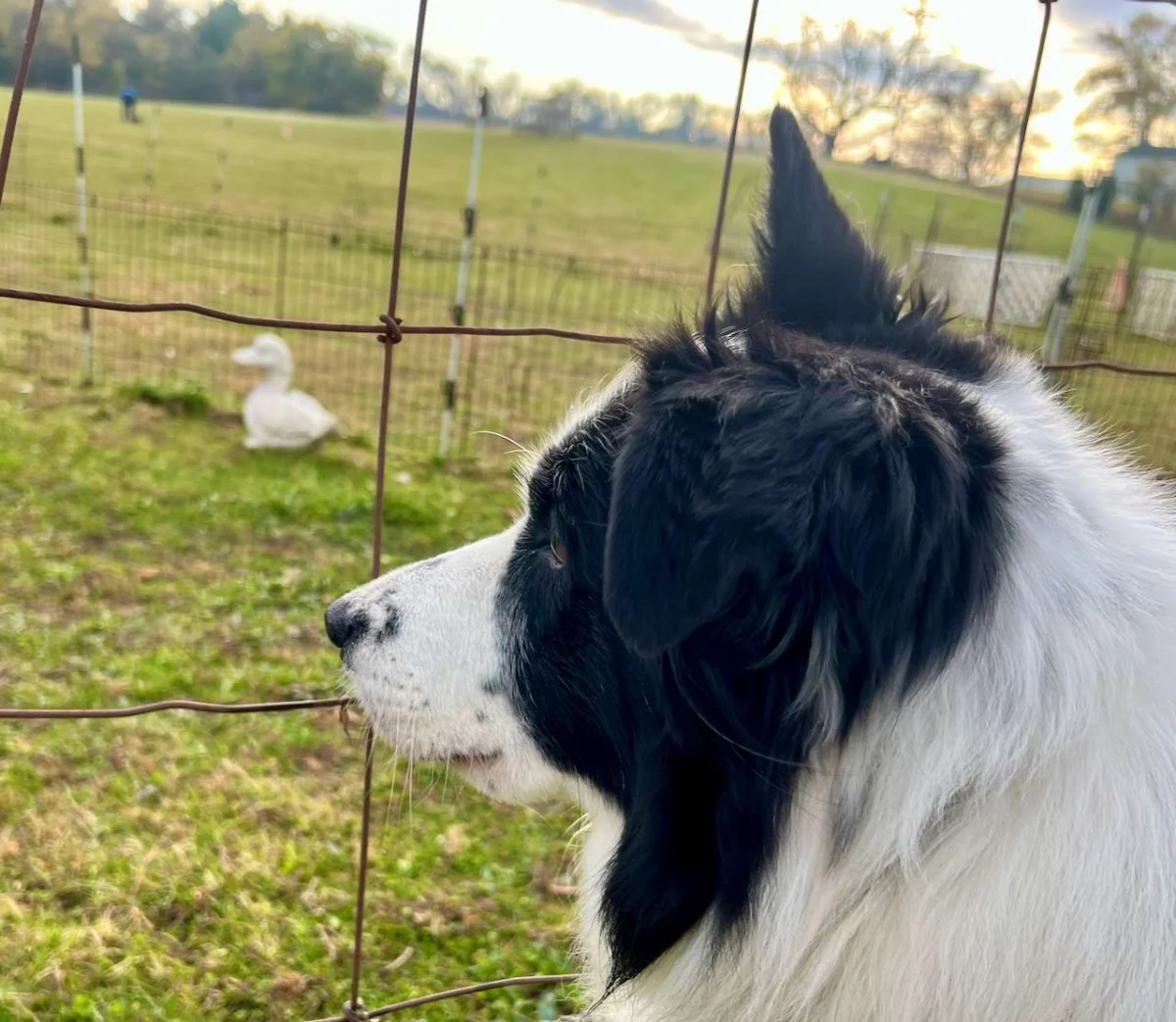
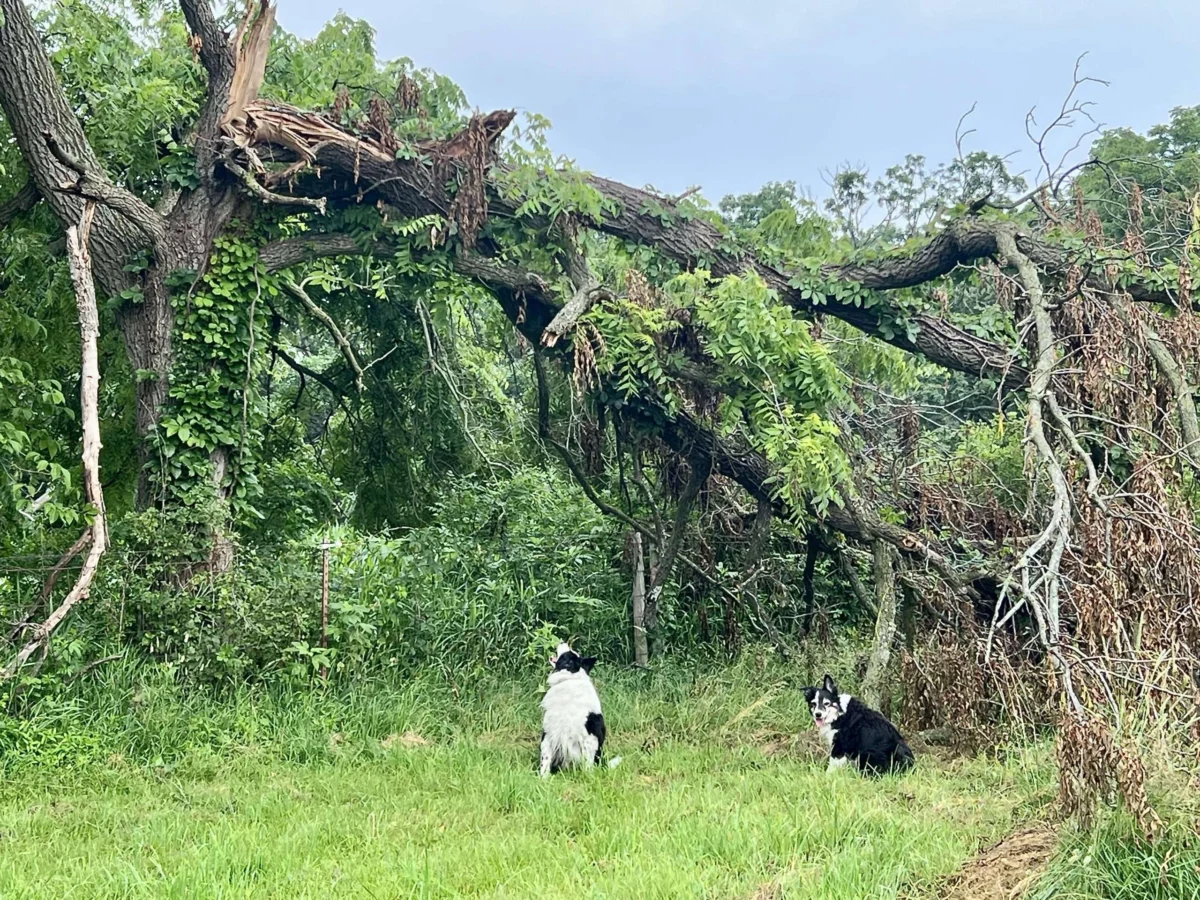
This change is necessitated by two major undertakings: the final revisions for the updated edition of The Puppy Primer and the ongoing development of her new novel. The downtime, however, remains active. The "back on the farm" updates continue to provide a window into the daily life of a behaviorist, from the challenges of managing property after severe storms to the simple joys of observing the changing landscape of July day lilies.
The Human-Animal Connection
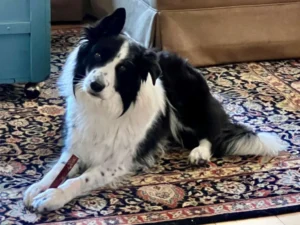
The photos shared by Dr. McConnell, whether of local law enforcement experts who assisted with her novel or the quiet companionship of her dog, Skip, serve as a reminder that the work of behaviorism is grounded in lived experience.
The "Greta Garbo of dogs," Miss Maggie, remains a reminder that even our own pets have their unique preferences and moods. Respecting those moods—whether it’s a desire to avoid a camera or a preference for a gentle ear scratch over a heavy-handed pat—is the foundation of a life well-lived with dogs.

Conclusion: A Call to Mindful Connection
The "poisoned cue" is a subtle but pervasive issue that touches almost every household with a dog. By moving away from the assumption that our actions are inherently rewarding to our pets, we open the door to a more nuanced, respectful, and effective way of communicating.
As Dr. McConnell reminds us, the goal is not perfection, but awareness. By observing our dogs with the intent to learn rather than to command, we can ensure that our cues remain clear, positive, and, most importantly, trustworthy. As we look toward the fall with new insights from the updated Puppy Primer and upcoming conferences, let us take the challenge to heart: watch, listen, and ensure our dogs are as happy to comply as we are to ask.
And, as always, keep track of those signals—and perhaps, keep an eye on where your dog has been in the yard. After all, awareness is the first step toward a harmonious life with our four-legged companions.