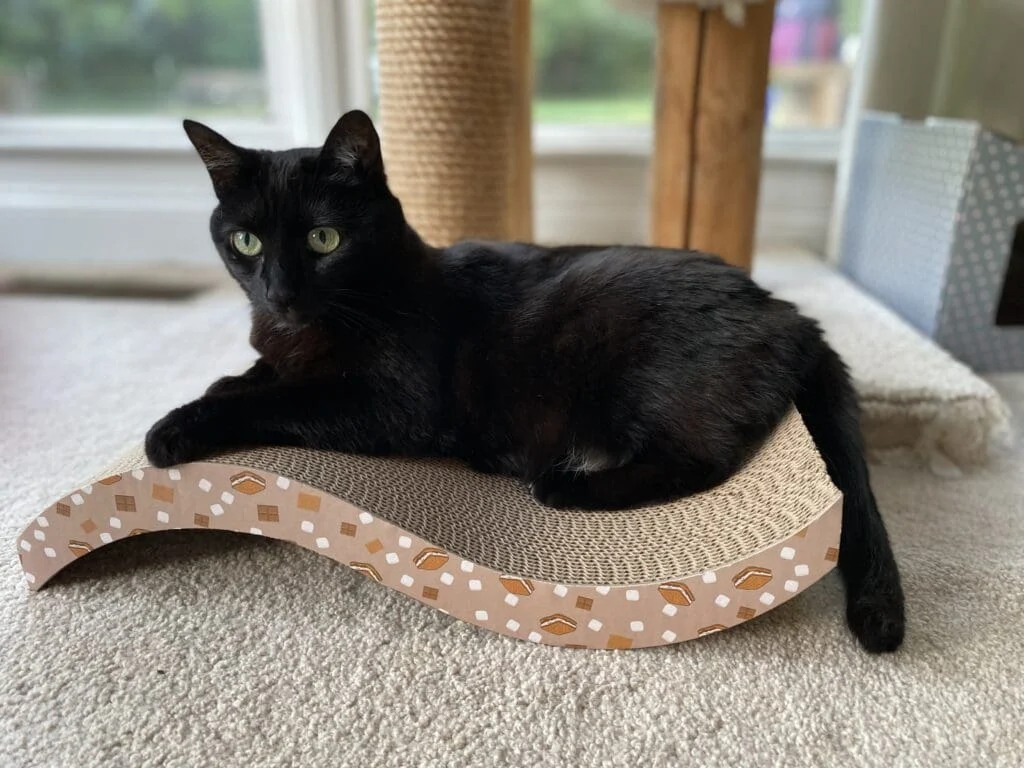
For many first-time pet parents, the arrival of a new cat is often shrouded in misconceptions. A lingering, outdated narrative suggests that cats are solitary, aloof creatures, inherently resistant to guidance. However, feline behaviorists and modern researchers have long since debunked this myth. Far from being unteachable, cats are highly intelligent, cognitively complex animals capable of learning intricate behaviors and forming deep, reciprocal bonds with their human companions.
Training a cat is not an exercise in subjugation or dominance; it is a sophisticated dialogue between two species. When approached with empathy and scientific understanding, training becomes a vital tool for environmental enrichment, physical health, and emotional stability. By shifting the focus from "commanding" a pet to "communicating" with a partner, owners can unlock the potential for a harmonious, long-term relationship.
The Core Philosophy: Communication Over Control
At its heart, successful feline training is predicated on the understanding that cats are not "misbehaving" in the traditional sense. When a cat scratches your sofa or jumps on a kitchen counter, they are not acting out of malice or a desire to defy authority. They are responding to instinctual drives, environmental needs, or stress.
The goal of training is to provide your cat with appropriate outlets for these natural instincts. By acknowledging that a cat’s actions are almost always motivated by valid biological needs, owners can move from a mindset of "correcting bad behavior" to one of "redirecting natural behavior."

The Four Pillars of Feline Training Success
To build a foundation of trust and efficacy, experts emphasize four essential pillars. These principles serve as the blueprint for any owner looking to bridge the communication gap with their new feline companion.
1. The Power of Patience: Building Trust Through Time
Patience is the currency of feline training. Cats are highly sensitive creatures, attuned to the subtle shifts in their environment. Introducing a new cat to a home involves a significant adjustment period—not just to the physical space, but to the routines, sounds, and expectations of their new family.
Attempting to rush the training process is often counterproductive. When an owner displays frustration, the cat—a creature that reads body language with extraordinary precision—senses this agitation. This creates a stress-response cycle, which is the antithesis of a learning environment. Genuine progress is often invisible in the short term, manifesting instead as a subtle increase in the cat’s confidence and comfort level. Patience, therefore, is not merely a virtue; it is a prerequisite for success.
2. Consistency: The Anchor of Feline Security
Imagine attempting to learn a new language where the rules of grammar change depending on which person you are speaking to. This is the reality a cat faces when members of a household are not in agreement regarding training protocols.

If one family member allows the cat on the kitchen counter while another actively discourages it, the cat experiences profound confusion. This inconsistency is fundamentally unfair to the animal, who is simply trying to navigate the rules of its territory. To foster confidence, the entire household must maintain a unified approach. Consistency provides the predictability that cats crave, transforming a chaotic, confusing environment into a stable, secure home.
3. The Science of Positive Reinforcement
The gold standard for behavioral modification is positive reinforcement. This method relies on the principle that behaviors followed by rewarding outcomes are more likely to be repeated.
- Immediate Rewards: Timing is the most critical element of reinforcement. A reward—whether it is a high-value treat, a burst of play, or a specific form of affection—must be delivered immediately after the desired behavior. This creates a clear mental link for the cat between their action and the positive consequence.
- The Ineffectiveness of Punishment: It is imperative to note that physical punishment or verbal reprimands have no place in ethical training. Punishment does not teach a cat what to do; it only teaches them to fear the person delivering the punishment. It damages the human-animal bond and often leads to anxiety-induced behaviors that are significantly harder to correct than the original "problem."
4. Aligning with Natural Instincts
The most successful trainers are those who respect the cat’s biology. Cats are not small dogs; they possess a distinct evolutionary heritage that dictates their preferences. Training sessions should be brief, voluntary, and engaging.
Forcing a cat to participate in a training session is a surefire way to induce stress. Instead, provide the cat with the choice to engage. When the cat chooses to participate, they are more mentally present and receptive to learning. Furthermore, when addressing behaviors like scratching, the solution is never to "stop" the behavior, but to provide a superior alternative—such as a vertical scratching post positioned near the area they are currently targeting.

Chronology of the Bonding Process
The evolution of a cat’s behavior in a new home typically follows a predictable, if individualistic, timeline:
- The Decompression Phase (Days 1–14): During this initial period, the focus should be on creating a "safe zone." Training should be minimal. Allow the cat to explore at their own pace. Trust is the only metric of success here.
- The Observation Phase (Weeks 3–6): Once the cat begins to move confidently through the home, the owner can begin to identify natural tendencies. Where does the cat like to sleep? What textures do they prefer for scratching? What rewards motivate them?
- The Interaction Phase (Month 2 onwards): This is where structured training can begin. Using the principles of positive reinforcement, the owner can start teaching basic cues or redirecting behaviors.
- The Integration Phase (Long-term): At this stage, the training is no longer "training" in the traditional sense; it is simply the rhythm of the household. The cat and the owner have developed a shorthand of communication, reducing the need for explicit instruction.
Supporting Data: The Impact of Enrichment
Research in animal behavior suggests that the presence of appropriate enrichment—such as puzzle feeders, vertical territory (cat trees), and consistent play—significantly reduces the incidence of "problem behaviors." A study by the American Association of Feline Practitioners notes that cats with access to adequate environmental stimulation are less likely to exhibit symptoms of anxiety, such as excessive grooming or redirected aggression. Training, when viewed as a form of mental stimulation, functions as a vital component of this enrichment.
Official Perspectives: The Expert Consensus
Leading behaviorists, such as Pam Johnson-Bennett, argue that the "aloof cat" stereotype has been a primary barrier to proper welfare. By treating cats as sentient, intelligent partners, owners can solve a vast array of behavioral issues without ever needing to resort to archaic, punitive methods. The professional consensus is clear: the cat is an animal that thrives on predictability, positive interaction, and the fulfillment of its natural predatory and exploratory drives.
Implications for the Modern Cat Parent
The implications of adopting these training philosophies are profound. First, it changes the way we perceive the animal—shifting from an owner-pet dynamic to a collaborative partnership. Second, it reduces the number of cats surrendered to shelters due to "behavioral issues" that are often just misunderstandings of the animal’s needs.

When an owner takes the time to learn the language of their cat—reading their ear positions, tail flicks, and vocalizations—they gain access to a deeper level of companionship. The training process becomes the medium through which this relationship is built. By choosing patience, consistency, and kindness, you are not just teaching your cat how to live in your home; you are teaching them that they are safe, respected, and loved.
Ultimately, the goal is not a "perfect" cat that performs tricks on command. The goal is a confident, well-adjusted companion who understands the boundaries of the home and trusts their human to look after their best interests. That, in its essence, is the definition of a successful, lifelong bond.
For those seeking deeper insight into the complexities of feline psychology and actionable, step-by-step training manuals, the works of Pam Johnson-Bennett offer an invaluable resource for every stage of the cat-parenting journey. These guides provide the scientific backing and practical techniques necessary to ensure your home is a sanctuary for your feline companion.