

CHICAGO, IL — A coalition of Chicago-based animal welfare organizations is mounting an urgent campaign to force the retail chain Petland to cease the sale of live rabbits. The push, led by the House Rabbit Society of Chicago (HRS), Red Door Animal Shelter, and It’s All About The Paws (IAATP), comes in the wake of recurring, large-scale hoarding cases that advocates argue are directly linked to the commercial retail model.
For years, these shelters have been the final safety net for rabbits abandoned by owners who were ill-equipped for the complexities of rabbit care. Now, they are sounding the alarm: the impulse purchase model perpetuated by pet stores is fueling a cycle of neglect, abandonment, and medical crisis that is overwhelming the local animal welfare infrastructure.
The Core Conflict: A Cycle of Impulsive Sales
The central argument from rescue organizations is that the retail sale of rabbits creates a "downstream" disaster. According to the House Rabbit Society, rabbits are often marketed as "starter pets" or easy-to-care-for companions, a narrative that masks the significant veterinary, social, and environmental needs of the species.
"Petland is a major source of rabbits who later end up abandoned or in crisis," says Rachael Sanders, Director of the House Rabbit Society of Chicago. "We regularly see mis-sexed pairs adopted from stores that lead to repeated, unwanted litters. While Petland profits, these animals suffer."
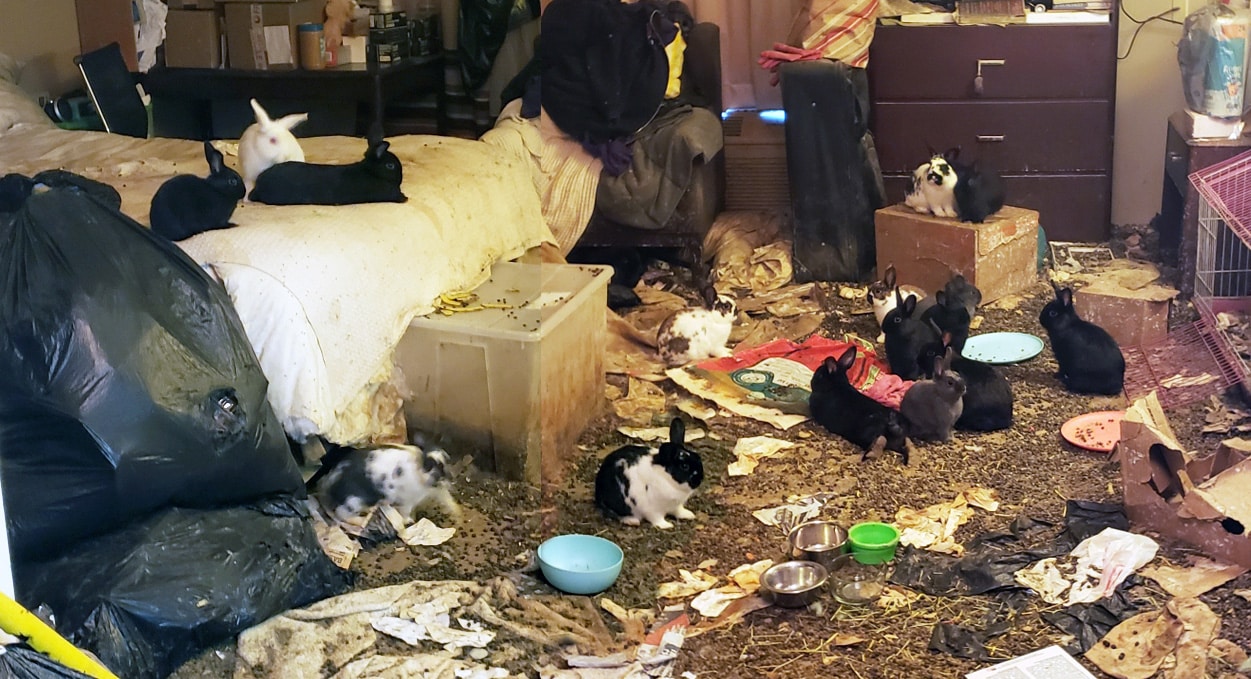
The problem, according to advocates, is two-fold: the lack of adequate pre-purchase education and the failure to ensure that rabbits sold in pairs are correctly sexed. When an owner unknowingly takes home an intact male and an intact female, the result is an exponential increase in the number of animals within a matter of months. What begins as a single, well-intentioned purchase frequently devolves into a household of dozens of rabbits living in overcrowded, unsanitary conditions.
Chronology of Crisis: The Schaumburg Cases
The frustration among local rescues is rooted in specific, high-stakes hoarding cases that have drained their limited resources. Two notable incidents in the Chicago suburb of Schaumburg serve as a grim roadmap of how quickly these situations escalate.
The 2021 Hotel Room Intake
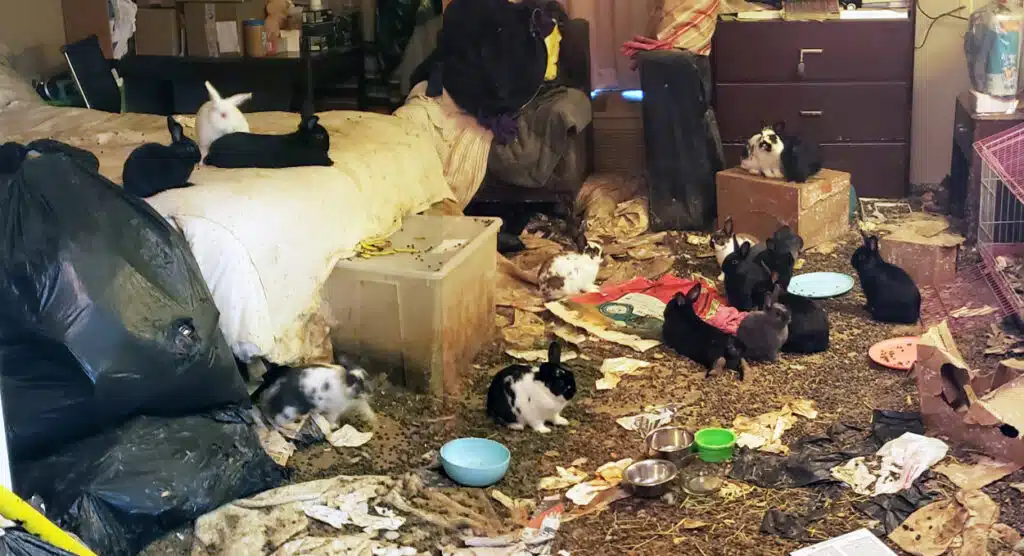
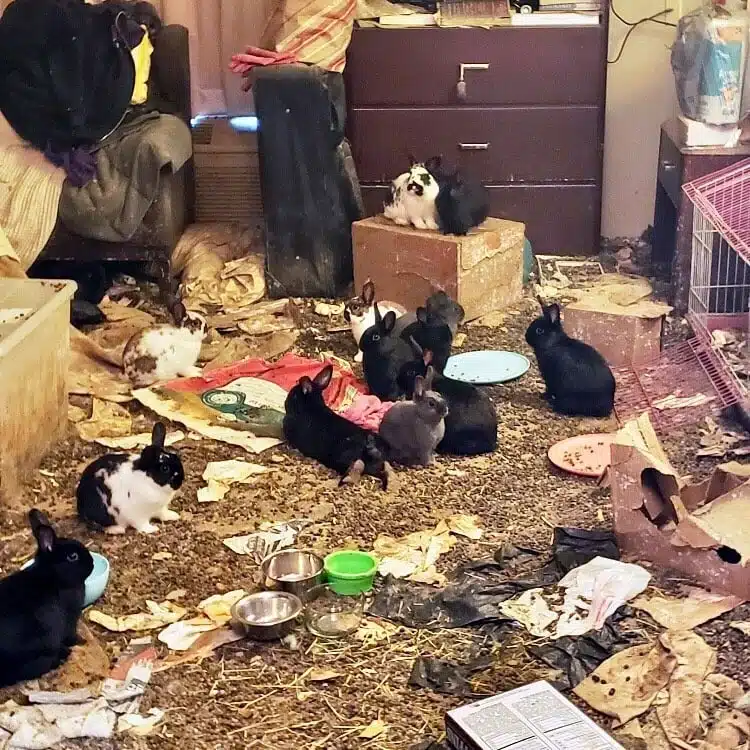
In May 2021, rescuers were confronted with a scene that highlighted the catastrophic consequences of unregulated breeding. Authorities discovered 47 rabbits being kept in a single, long-stay hotel room. The conditions were deplorable, with the animals confined to a debris-filled space.
The medical emergency was immediate: 15 of the 47 rabbits were pregnant. Red Door Animal Shelter took in 22 of the rabbits, while DuPage County Animal Services received the remaining 25. The medical costs incurred by Red Door alone exceeded $7,000. Most damning, however, was the origin story: the caretaker informed responders that the original pair of rabbits—the "patient zero" of this infestation—had been purchased at the Petland in Hoffman Estates.
The 2023 Residential Intake
Two years later, in July 2023, the cycle repeated itself. It’s All About The Paws (IAATP) was called to a private home in Schaumburg. Within 24 hours of the initial investigation, the team, working in tandem with local animal control, successfully removed 29 rabbits from the property.
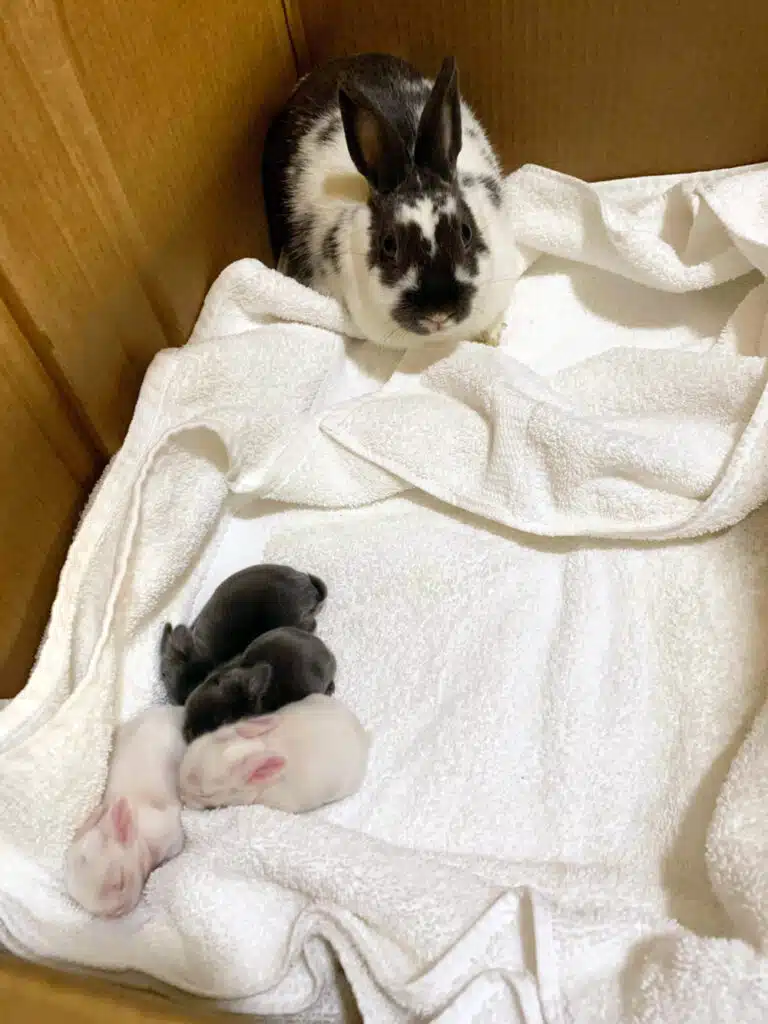
The discovery included several newborns, a testament to the rapid population growth of unspayed and unneutered colonies. Founder Erika Seibert confirmed that, much like the 2021 case, the owners identified the Petland in Hoffman Estates as the source of their original, mis-sexed pair. The aftermath required an extensive logistical effort, with IAATP coordinating placements across a network of organizations, including HRS Wisconsin, Hoopy Haven Rabbit Rescue, and Lost Woods Animal Sanctuary.
Supporting Data and Systematic Strain
The impact of these cases extends far beyond the immediate trauma of the animals involved. It represents a significant, often unrecoverable, strain on the animal welfare system.
When a rescue organization accepts a mass-intake case, they are not just taking in animals; they are committing to thousands of dollars in medical bills, specialized housing, and thousands of hours of volunteer labor. These funds and hours are diverted from other critical needs, such as public education and the care of senior or disabled animals.
"We managed back-to-back mass-intake crises in Schaumburg—each beginning with owner-reported Petland-origin pairs—stretching volunteers, foster space, and medical budgets to the breaking point," explains Toni Greetis, Vice President of Red Door Animal Shelter.
The data is clear: retail chains that sell animals without stringent screening processes contribute to a permanent backlog of animals awaiting rescue. While companies like Petco and PetSmart have moved toward a model that prioritizes adoptions over sales, the continued sale of live rabbits at Petland remains a contentious outlier.
Implications for Public Policy
The coalition is calling for more than just a change in corporate policy; they are advocating for a fundamental shift in how the public views rabbit ownership. They contend that the "retail model" inherently relies on high-volume, low-friction sales that prioritize profit margins over the lifelong well-being of the animal.
The Need for Humane Reform
The advocacy groups are urging the public to sign a petition hosted on Change.org, which aims to pressure Petland to end the live sale of rabbits. The goal is to move the industry toward a model where pet stores serve as hubs for adoption, partnering with local shelters rather than sourcing animals from commercial breeders.
By ending retail sales, advocates argue, the industry could:
- Reduce Impulse Buying: Removing the "grab-and-go" convenience of purchasing a rabbit decreases the likelihood of buyers bringing an animal home without preparation.
- Standardize Care: Shelters are better equipped to provide information on the complex, specific needs of rabbits, including diet, exercise, and social requirements.
- Prevent Overpopulation: By ceasing the sale of un-fixed animals, the primary driver of domestic hoarding cases is effectively neutralized.
How to Help and Where to Turn
For residents in the Chicago area who may find themselves overwhelmed by the care of a rabbit, the rescue community emphasizes that there is support available. The message is clear: Do not abandon your rabbit outdoors. Domestic rabbits lack the instincts to survive in the wild and will almost certainly face a slow, painful death from predators or starvation.
If you are struggling with a rabbit:
- Contact Local Rescues: Reach out to organizations like the House Rabbit Society or Red Door for guidance and resources.
- Emergency/Stray Protocols: If you find a stray rabbit, contact your local animal control or municipal shelter immediately. They have the protocols in place to ensure the animal is treated humanely and integrated into the foster network.
- Support the Petition: The ongoing Change.org petition is intended to provide a clear, unified voice to local legislators and corporate entities.
Conclusion: A Call for Change
The situation in Chicago is a microcosm of a larger national struggle. As the Rabbit.org Foundation and its coalition of advocates continue to gather outside Petland stores, the message remains consistent: the convenience of a commercial purchase is not worth the cost of thousands of animal lives.
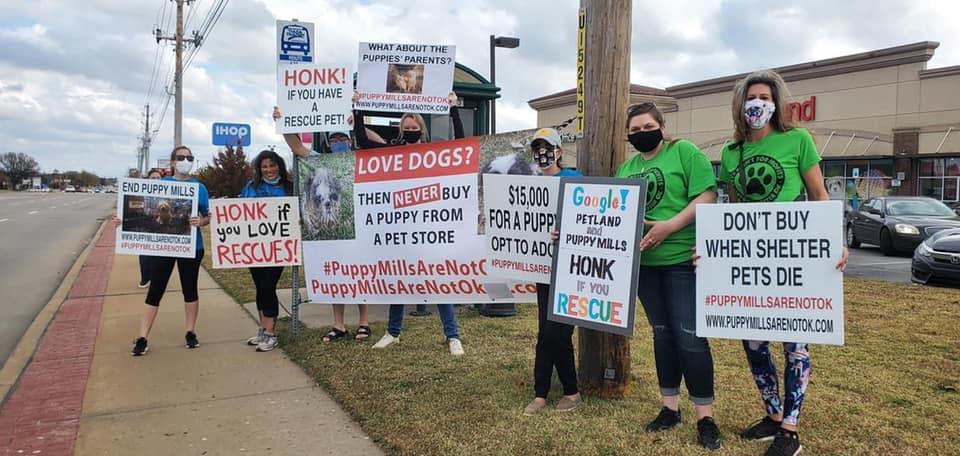
The recurring hoarding cases in Schaumburg are not mere statistical anomalies; they are the predictable result of a business model that treats sentient beings as commodities. As these organizations move forward, their focus is on long-term systemic reform. By ending the sale of rabbits at Petland, the Chicago animal welfare community hopes to turn the tide on the current crisis, ensuring that future generations of rabbits find their way into permanent, loving homes—not through the checkout line of a retail store, but through the compassionate oversight of a rescue community.
The struggle to reform retail practices is not just about rabbits; it is a broader demand for accountability in the pet industry. Until Petland and similar retailers align their practices with the realities of animal welfare, the burden of cleaning up the aftermath will continue to fall on the shoulders of the volunteers and underfunded shelters that have been the true heroes of this crisis.
For those interested in supporting the movement, the Chicago press release and additional resources regarding ethical rabbit care are available through the official channels of the participating shelters. Every signature, every donation, and every conversation helps build the momentum necessary for change.