Sixteen years ago, the act of traveling with a pet was a logistical nightmare. For the millions of Americans who viewed their pets as essential family members, the vacation experience was often marred by restricted access, prohibitive pet policies, and the pervasive stigma that taking an animal on the road was either an eccentric indulgence or a fool’s errand. Into this landscape stepped GoPetFriendly, a digital pioneer dedicated to mapping out a world that welcomed four-legged travelers.
Today, that landscape has shifted fundamentally. In a significant announcement that marks the conclusion of a decade-and-a-half-long journey, the team behind GoPetFriendly has confirmed that it will shut down its comprehensive directory of pet-friendly businesses at the end of this month. This closure is not a failure of vision, but rather a testament to the platform’s success in normalizing pet travel, coupled with the rapid, transformative rise of Artificial Intelligence in how consumers access information.
The Evolution of the Pet Travel Industry
When GoPetFriendly launched in 2009, the concept of "pet-friendly travel" was in its infancy. While some intrepid pet owners managed to navigate the hurdles of finding accommodation and activities, they were the exception. The majority of the travel industry—hotels, restaurants, and tourism boards—remained largely closed to pets.
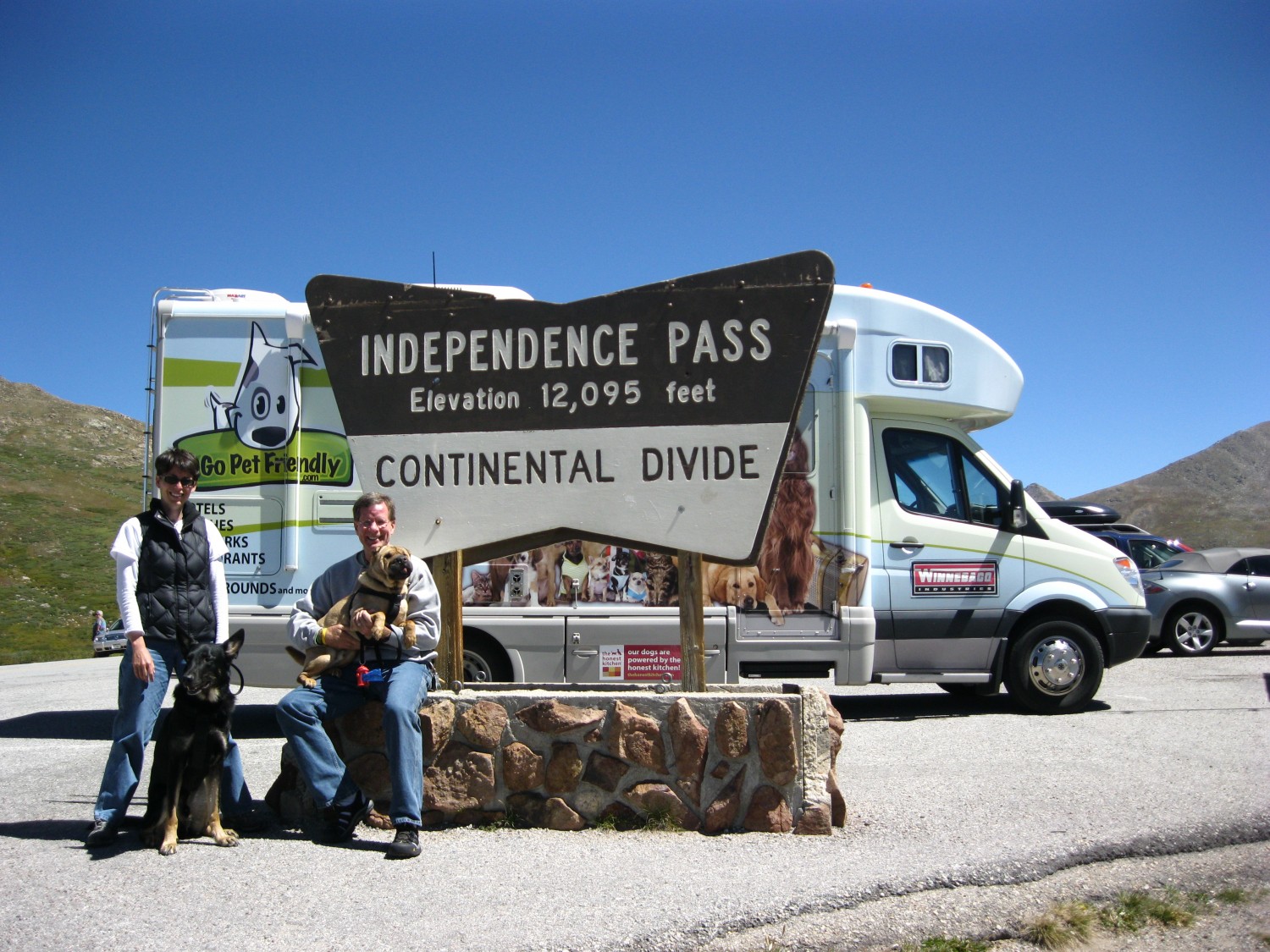
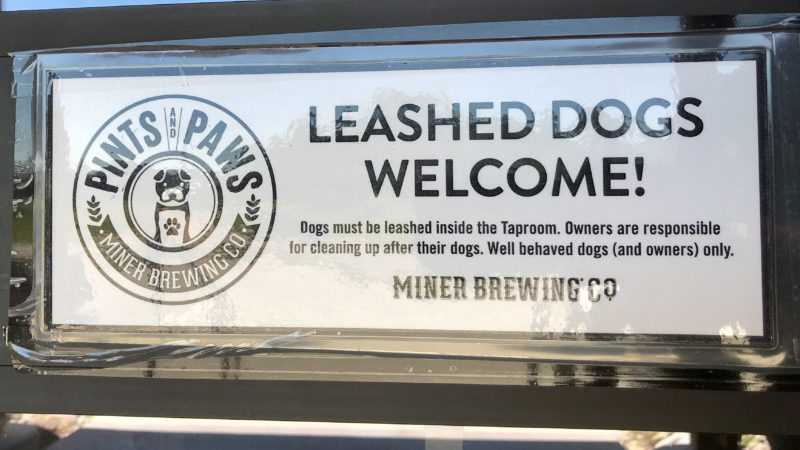
Over the years, the site acted as a catalyst, aggregating data to show the industry that pet owners were a significant, underserved demographic. As the site grew, so did the market. Businesses began to recognize the economic incentive of opening their doors to pets. What was once a niche requirement transformed into a standard amenity. Today, pet-friendly policies are no longer hidden secrets; they are splashed across billboards, highlighted on websites, and proudly displayed in storefront windows. The normalization of the "furry family member" as a travel companion has been a total victory for the founders of the platform, who successfully helped move pet travel from the fringe to the mainstream.
Chronology of a Digital Transformation
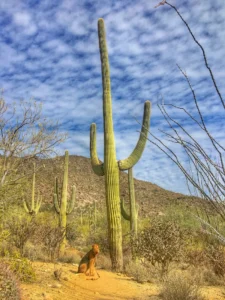
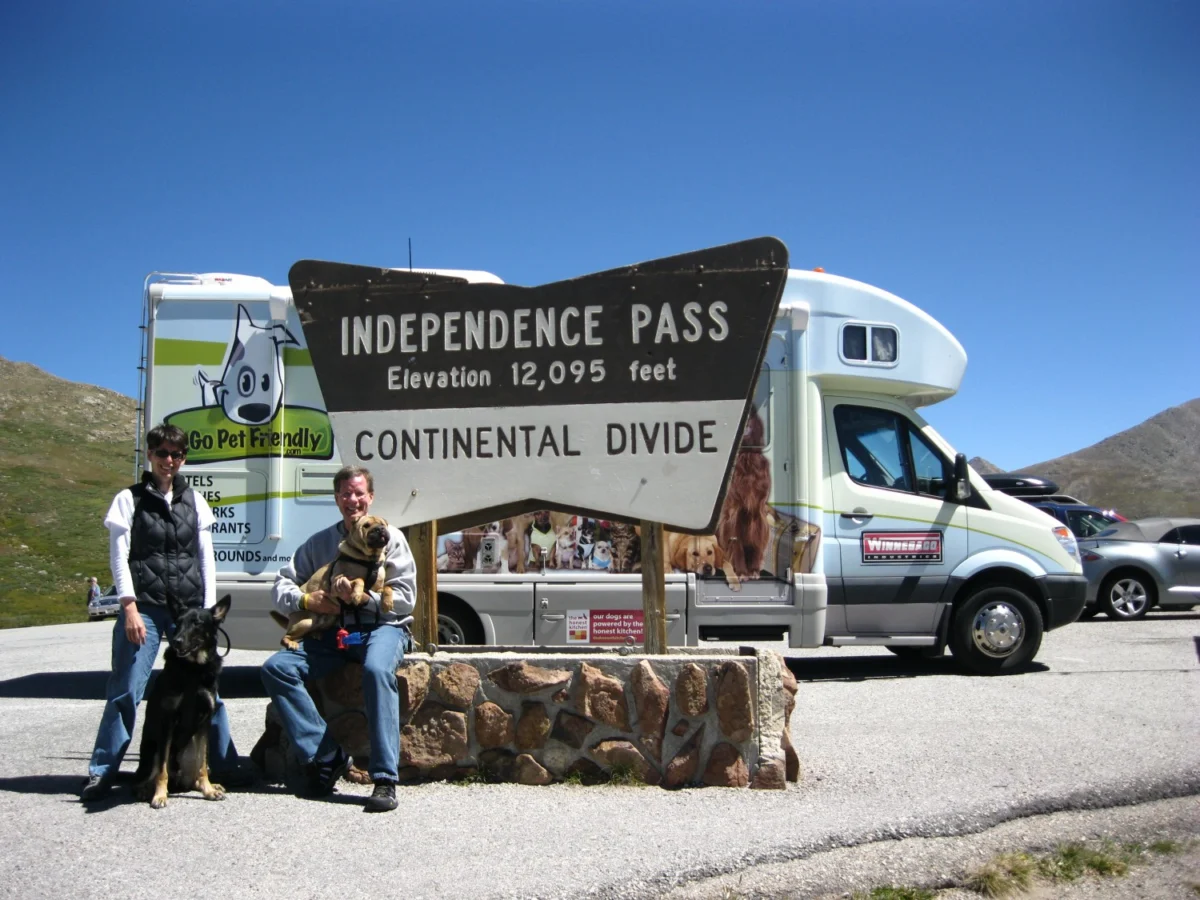
The history of GoPetFriendly is inextricably linked to the personal evolution of its founders. For twelve of the last sixteen years, the team lived a nomadic lifestyle, traveling the country in a motorhome and documenting the nuances of pet-friendly travel. This "paws-on-the-ground" research served as the backbone of the site’s credibility.
However, life stages eventually shifted. The founders traded the open road for a permanent home in Bisbee, Arizona. This transition provided the space for personal growth outside of the digital travel sector. During this period, the founder returned to academic pursuits, specifically completing a certification in AutoCAD—a professional design and architecture software—and delving into residential construction.

This educational pivot occurred simultaneously with a seismic shift in the digital landscape: the explosion of generative Artificial Intelligence. As AI tools like ChatGPT became capable of answering complex travel queries in seconds, the utility of a manually curated directory began to diminish. Why spend hours clicking through a website when a simple prompt can yield an instant, localized list of pet-friendly hotels and amenities? Data trends over the past year have confirmed this shift, showing a significant decline in traffic to directory-based sites as users pivot toward conversational AI for their travel planning.
The Implications of AI and Industry Shifts
The decision to sunset the directory is a direct response to these dual factors: the saturation of the market and the democratization of information.
"It’s clear that there’s now an even easier way to plan trips with pets," the founders noted in their official statement. The implication is clear: when the problem a platform was designed to solve has been solved by the industry itself and by modern technology, the platform must evolve or exit.
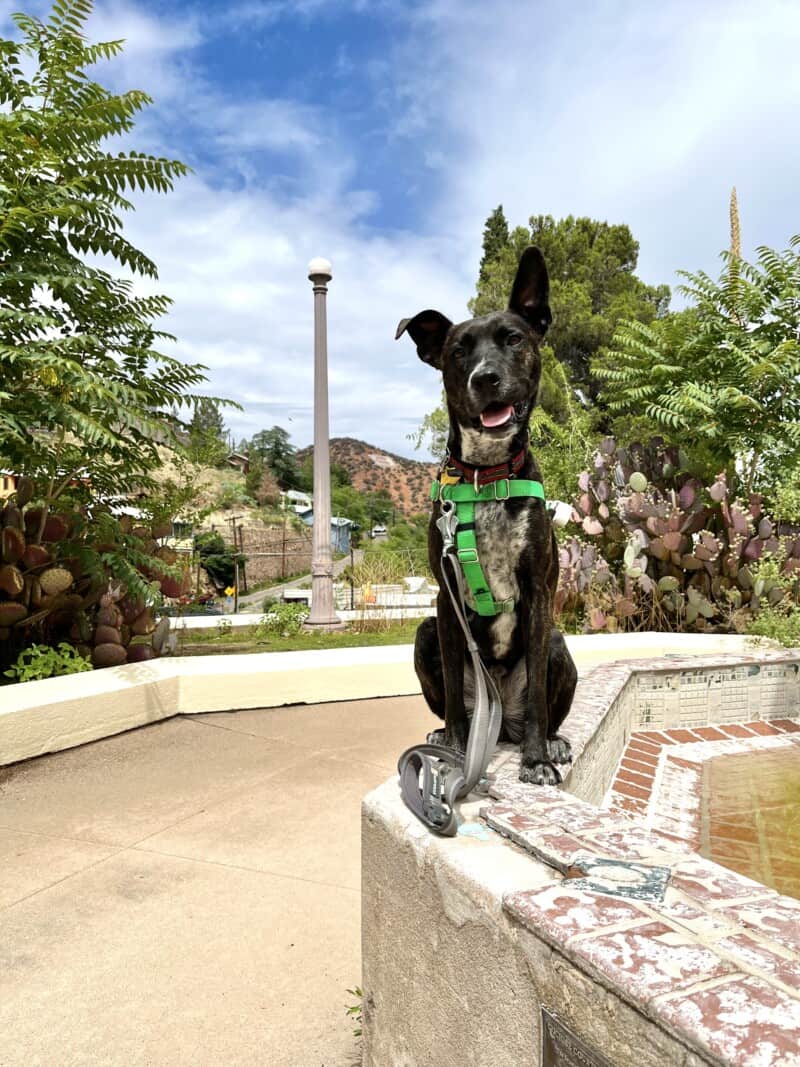
However, the closure is not a total dissolution of the brand. The GoPetFriendly blog, a repository of years of travel memories, lessons, and firsthand experiences with beloved pets like Ty and Buster, will remain active. The founders argue that while AI can provide lists and logistics, it cannot replicate the qualitative, emotional, and lived experience of travel. The blog serves as a legacy project, maintaining the human element that data-driven AI models often lack.
From Travel Logistics to Architectural Endeavors
With the directory winding down, the founders are channeling their energy into a new, physical project that bridges their past nomadic life with their current skills in design and construction. Having purchased a three-acre plot on a remote mountaintop in southern Colorado, the team is applying their recent studies in construction to build a home designed to withstand the harsh conditions of high-altitude living.
The project is ambitious, involving the assembly of a panelized, prefabricated home on a sloped site. The construction timeline is slated to begin in May, pending weather conditions, with the home’s exterior shell expected to be completed by June. This project serves as a practical application of the skills learned in the classroom, transforming the founders from chroniclers of travel to creators of their own sanctuary.
The Future: A Shift in Media
The transition from a travel directory to a personal project is being documented on a newly launched YouTube channel. This pivot represents a broader trend in digital media: the move from static, directory-based information to personality-driven, long-form content.
The founders have expressed a desire to keep their community engaged through this new medium, promising weekly updates on the construction of the Colorado home. In a nod to their long-time readers, they have promised to include a "treat" at the end of each video specifically for the community that supported them throughout the sixteen-year run of GoPetFriendly.
Supporting Data and Reflections
The success of GoPetFriendly can be measured in more than just traffic; it is measured in the shift of cultural norms. When the site launched, "pet friendly" was a specialized search term. Today, it is an expected filter on every major travel booking engine, from Expedia to Airbnb.

The decline in traffic to the site is not a sign of failure, but a sign of market maturation. When a service becomes ubiquitous, the need for a specialized directory disappears. The founders recognize this, acknowledging that while their directory was once the only place to find this information, the world has caught up to their original vision.
Conclusion: A Legacy of Advocacy
As the directory shuts its doors, the founders leave behind a legacy of advocacy. They helped convince an industry that pets are not just animals—they are members of the family who deserve to be included in our most cherished experiences.
While the "GoPetFriendly" directory will become a piece of internet history, the impact it had on the lives of pet owners and the policies of businesses across the country remains. The founders now turn their attention to the mountains of Colorado, proving that even as technology changes the way we find information, the human desire for adventure and the creation of a home remains constant.

The shift, while bittersweet for long-time readers, is a necessary evolution. By embracing the future of technology and applying their own hands-on expertise to new challenges, the founders continue to demonstrate that the best way to handle change is to move forward with it. Their transition from the road to the mountaintop serves as a final, inspiring chapter for a brand that taught millions of people how to explore the world with their best friends by their sides.