

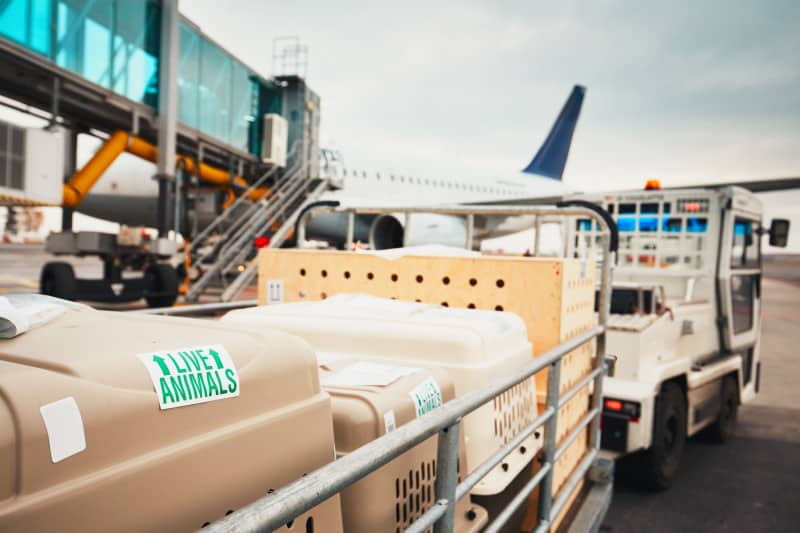
For millions of pet owners, the dream of exploring the world with a four-legged companion is often tempered by the logistical anxiety of air travel. While the sight of a "Live Animal" sticker on a kennel sitting on a sun-baked tarmac can be unnerving for any doting pet parent, the reality of modern pet travel is largely a story of safety and success. With careful planning, rigorous adherence to airline policies, and a focus on your pet’s comfort, the experience can be transformed from a high-stress ordeal into a seamless journey.
The Reality of Pet Air Travel: Data and Safety
Despite the occasional high-profile media story highlighting travel mishaps, the vast majority of pets who take to the skies each year arrive at their destinations safely. In the United States alone, major commercial carriers transport hundreds of thousands of animals annually.
Airlines have significantly tightened their protocols over the last decade. Most carriers now employ specialized ground handling teams trained in animal welfare, and many offer real-time tracking for cargo-bound pets. The key for the owner is to distinguish between the myths—often fueled by outdated practices—and the modern, heavily regulated reality of aviation. By conducting thorough research into a specific carrier’s "pet-incident report" and safety record, you can make an informed decision that prioritizes your companion’s wellbeing.
Chronology of a Successful Trip: A Step-by-Step Roadmap
To ensure your travel day is free from last-minute panic, consider your preparation in a phased timeline.
Phase 1: The Pre-Flight Consultation (4–8 Weeks Out)
Your first move should always be a veterinary visit. Not only do you need to ensure your pet is medically cleared for the physical stresses of altitude, but you also need to confirm that their vaccinations are current. Different states and countries have unique requirements; for instance, some international destinations require rabies titer tests or specific microchip certifications that can take months to process.
Phase 2: Booking and Breed Verification (4–6 Weeks Out)
Never assume your pet is welcome on every flight. Most airlines enforce strict limits on the number of animals allowed in the cabin per flight. Furthermore, be acutely aware of breed restrictions. Brachycephalic (short-nosed) breeds, such as Pugs, French Bulldogs, and Boston Terriers, face significant respiratory challenges in pressurized cabins and extreme temperature fluctuations. Many airlines have banned these breeds from cargo holds entirely, and some have restricted them from cabin travel as well. Always verify these policies directly with the carrier before purchasing your ticket.
Phase 3: The Acclimation Period (2–4 Weeks Out)
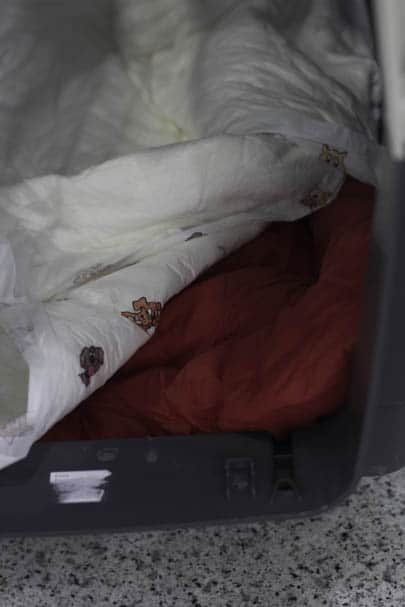
This is the most critical step for your pet’s emotional comfort. Your pet’s carrier should not be a "scary box" they only see on departure day; it should be their "den." Introduce the kennel to your home environment well in advance. Place comfortable bedding inside, leave the door open, and encourage your pet to treat it as a retreat by placing treats or toys inside. Gradually progress to closing the door for short periods while you are nearby. If your pet shows signs of distress, move slower. The goal is to build a positive association so that when the engines start, your pet feels secure in a familiar, safe space.
Essential Tips for a Seamless Journey
1. The Sedation Myth
One of the most dangerous misconceptions in pet travel is the necessity of sedation. The American Veterinary Medical Association (AVMA) and most major airlines strongly advise against tranquilizing pets for flight. At high altitudes, sedatives can cause respiratory and cardiovascular depression, making it difficult for your pet to regulate their body temperature or respond to the environment. If you are concerned about your pet’s anxiety, consult your veterinarian about natural alternatives like pheromone-based calming sprays, compression vests (like a Thundershirt), or, in some cases, anxiety-reducing medication that is specifically labeled as "flight-safe."
2. Strategic Boarding
When you check in at the gate, ask the agent if you can board early. Most airlines are accommodating to passengers with pets. Having that extra 10 to 15 minutes to tuck your pet’s carrier under the seat, check their comfort, and settle yourself without the rush of a crowded aisle can drastically lower the heart rate of both you and your animal.
3. Documentation Preparedness
Keep a dedicated "Pet Travel Folder." This should include:
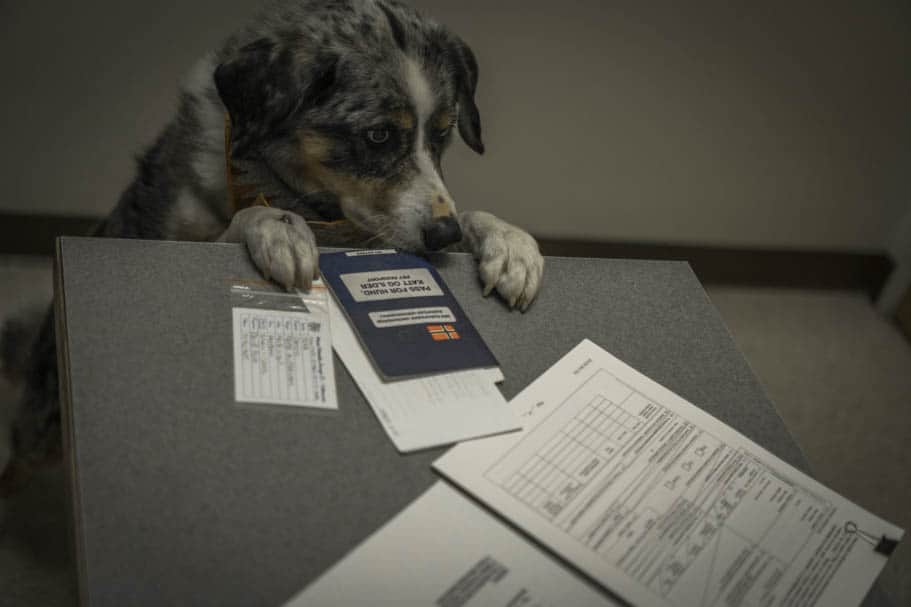
- A current Health Certificate (issued within 10 days of travel).
- Proof of up-to-date vaccinations (especially Rabies).
- Identification tags with your mobile number and destination contact.
- A recent photo of your pet in case of separation.
Keep this folder in your personal item, not the overhead bin, so it is accessible at a moment’s notice during security or gate screenings.
4. Mastering the Layover
If you have a long flight, familiarize yourself with the airport’s "Pet Relief Areas." Since the passage of the AIR21 Act, most major airports in the U.S. are required to provide accessible relief stations. However, these are not always easy to find. Map these out on the airport’s website before you leave home. If your pet refuses to use a synthetic grass patch, keeping puppy pads in your carry-on is a wise, clean contingency plan.
5. Managing Cabin Pressure
Just as human passengers experience ear discomfort during takeoff and landing, pets are similarly affected. If you are flying with a dog, providing a long-lasting chew toy or a small, healthy treat during these periods of pressure change can encourage swallowing, which naturally helps equalize ear pressure.
Official Responses and Industry Standards
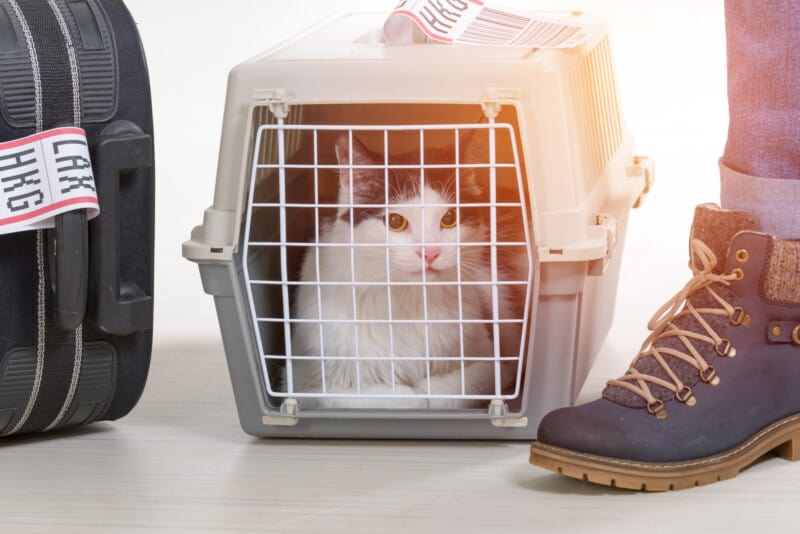
The International Air Transport Association (IATA) sets the global standard for the "Live Animals Regulations" (LAR). These regulations dictate everything from the dimensions of the crate to the ventilation requirements for cargo holds. When booking, ensure your carrier is IATA-compliant. If an airline claims to be "pet-friendly," look for their commitment to these standards.
Industry experts emphasize that the burden of safety is a shared responsibility. The airline provides the environment, but the owner provides the preparation. "A well-socialized, crate-trained animal is 90% less likely to experience a traumatic flight than an animal that has never spent time in a kennel," says Dr. Elena Vance, a consultant for veterinary travel health.
Implications for the Future of Pet Travel
As the "pet parent" demographic continues to grow, airlines are feeling the pressure to evolve. We are seeing a rise in "pet-only" charter flights and improved cabin-friendly designs for larger kennels. However, the regulatory environment remains cautious. The implications for owners are clear: as demand for pet travel rises, so too does the competition for "pet-allowed" flight slots. Booking months in advance is no longer a suggestion; it is a necessity.
Conclusion: The Path Forward
Traveling with your pet is a rewarding experience that strengthens the bond between human and animal. While the paperwork, the breed restrictions, and the kennel training might feel like an administrative mountain, the view from the other side—a happy, well-traveled pet by your side in a new destination—is well worth the effort.

Remember: your calm is their calm. If you have done your research, prepared the paperwork, and acclimated your pet to their carrier, you have already done the hard work. Stay vigilant, follow the guidance of your veterinarian, and communicate openly with airline staff. With these 9 pillars of preparation, you are setting the stage for a safe and enjoyable journey that will create memories to last a lifetime.
Quick Checklist for Departure Day:
- [ ] Final Health Check: Is your vet certificate dated correctly?
- [ ] Hydration: Ensure your pet has a collapsible bowl and access to water until the moment of boarding.
- [ ] Comfort: Is the kennel lined with a familiar-smelling blanket?
- [ ] Safety: Are your contact details securely attached to the outside of the carrier?
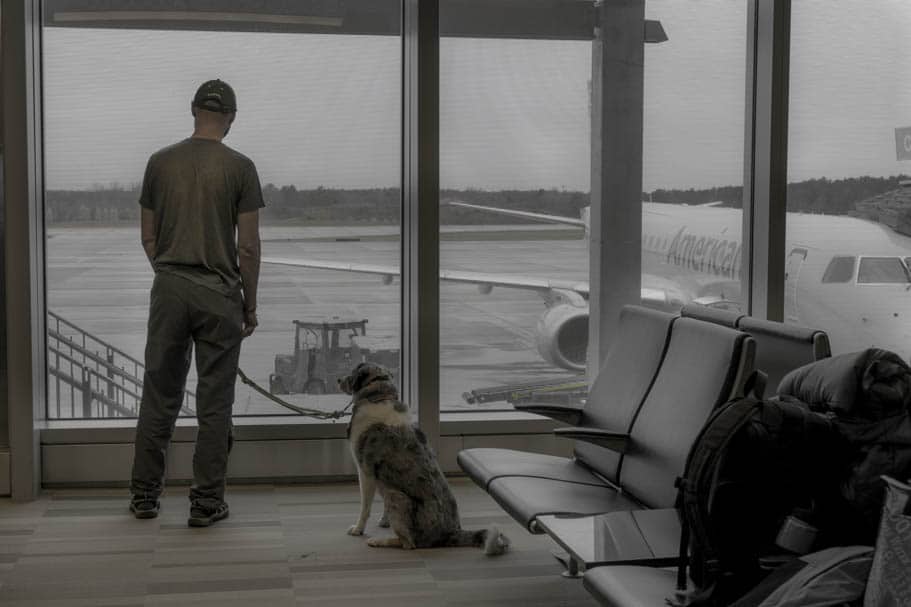
- [ ] Compliance: Is your pet wearing a secure harness and leash for the transition through security?
By staying organized and keeping your pet’s welfare at the forefront of your planning, you can navigate the skies with confidence. Safe travels to you and your furry companion!