Introduction: A Monthly Ritual of Canine Care
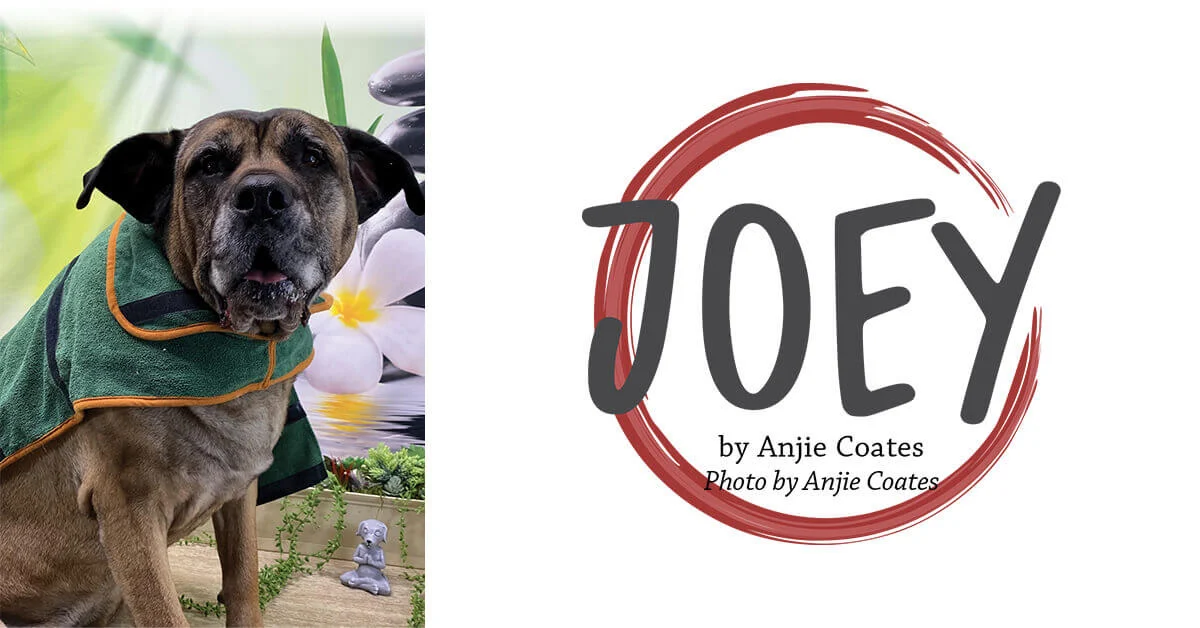
In the bustling world of professional pet grooming, few clients command as much affection and respect as Joey, an 11-year-old Boerboel whose monthly visits to the grooming salon have become a cornerstone of his wellness routine. For a breed known for its imposing stature and protective instincts, Joey defies the stereotype, presenting himself as a gentle, albeit slightly opinionated, companion. His recent session provided a unique window into the symbiotic relationship between a long-time pet groomer and a senior dog navigating the complexities of aging, weight management, and the simple joys of a "spa day."
Chronology of a Grooming Session
The session began on a bright, temperate morning. As Joey, a breed native to South Africa, stepped into the salon, his routine was established immediately. Upon being lifted onto the grooming table—a task requiring both technique and care given his size and age—Joey adopted his signature pose: sitting squarely on his haunches with his front paws stretched out, a posture that signals both comfort and a readiness for pampering.
The process unfolded as follows:
- The Paw Maintenance: The groomer began by shaving the fuzz between Joey’s pads. This is a critical safety measure for senior dogs, as excess fur can lead to reduced traction on hardwood floors, increasing the risk of hip or joint injury. Despite Joey’s playful protestations—claiming his signature "sliding" across the floor was a deliberate style choice called "gliding"—the groomer persisted, prioritizing the dog’s physical stability over his humorous rebuttals.
- Hygiene and Hydration: Following the paw work, the focus shifted to facial hygiene. Joey, a dog who unapologetically maintains that "love is drool," required a thorough cleanup. The groomer utilized a professional-grade drool rag to manage the residue from his excitement, a task met with characteristic doggy mischief.
- Nail Care and Sensory Checks: The grooming transitioned to nail filing. Interestingly, the groomer noted that Joey’s nails required minimal clipping, a testament to the increased "road work" (walking) he has been doing under his owner’s supervision.
- Ear Maintenance and Final Touches: The session concluded with an ear cleaning, which revealed an accumulation of "road dirt," highlighting the reality of increased outdoor activity. The session culminated in a photoshoot, where Joey donned a bathrobe, showcasing the results of his grooming.
Supporting Data: The Senior Boerboel Health Profile
The Boerboel is a large, powerful breed that typically has a lifespan of 10 to 12 years. At 11 years old, Joey is firmly in his senior years, making the groomer’s role not just aesthetic, but preventative.
Weight Management Concerns
A central theme of the session was Joey’s ongoing struggle with weight, a common issue in senior large-breed dogs. The groomer confirmed that Joey’s veterinarian had recently flagged his weight, leading to a stricter regimen of daily walks and dietary control.
Data from the American Kennel Club (AKC) and veterinary nutritionists suggest that for a breed like the Boerboel, maintaining an ideal body condition score is essential to reducing the load on aging joints. The "rolls of chub" noted during the brushing process represent a significant health risk, as excess weight can exacerbate canine osteoarthritis—a condition to which large, heavy breeds are particularly susceptible.
The Importance of Routine
Routine grooming for senior dogs serves three distinct purposes:
- Early Detection: Frequent handling allows for the detection of lumps, bumps, or skin irritations that might otherwise go unnoticed under a dense coat.
- Mobility Support: As seen in Joey’s case, trimming foot pads is essential for traction, which helps prevent slips and falls that can be catastrophic for an older dog.
- Mental Stimulation: The interaction between the groomer and the dog provides social enrichment, which is vital for the cognitive health of aging canines.
Official Perspectives: The "Bad Vet" Debate
During the grooming session, an amusing, albeit revealing, dialogue occurred regarding Joey’s recent veterinary visit. Joey’s interpretation of his vet’s feedback—that he was "fat"—highlights the often-tense relationship between pets and their healthcare providers.
While the groomer acknowledged the bluntness of the vet’s assessment, they framed it within the broader context of health advocacy. By "playing bad guy," the veterinarian is ensuring that Joey remains mobile enough to continue enjoying his quality of life. The groomer’s professional stance was one of balanced support: validating Joey’s feelings while reinforcing the necessity of exercise and calorie restriction.
The exchange underscored a crucial aspect of pet ownership: the "triad of care" between the owner, the veterinarian, and the groomer. Each party plays a distinct role in managing the health of the aging animal, with the groomer often acting as the bridge between clinical medical advice and the day-to-day comfort of the pet.
Implications for Senior Pet Ownership
The story of Joey serves as a microcosm for the realities of senior pet care. It highlights several key takeaways for owners of large-breed dogs:
1. Adaptation to Aging
As dogs age, their needs evolve. The "gliding" that Joey refers to as a stylistic choice is a classic sign of reduced core strength and balance. Owners must be vigilant about the surfaces their dogs walk on and the level of exercise they undertake.
2. The Psychology of Treats
The interaction regarding the "triple-sliced treat" is more than just a funny anecdote; it represents a sophisticated strategy for weight management. By breaking a single, calorically dense treat into smaller, bite-sized portions, the groomer was able to provide the psychological reward of a treat without compromising the dog’s dietary restrictions. This is a highly effective technique for owners attempting to train or reward their pets without contributing to weight gain.
3. Emotional Well-being
Joey’s clear enthusiasm for his "spa days" suggests that grooming is not merely a chore, but a source of emotional fulfillment for the animal. The trust built over years of consistent, gentle handling allows for a grooming experience that is low-stress and highly beneficial. For an 11-year-old dog, the ability to stand, interact, and receive positive reinforcement is a critical factor in his continued vitality.
4. The Future of Joey’s Health
The promise of "regular-sized treats" conditional upon consistent "road work" provides a clear incentive structure for the dog. It demonstrates that with the right level of engagement, even senior dogs can remain motivated to adhere to health protocols. The implication is clear: longevity in large breeds is a collaborative effort that requires patience, humor, and a consistent, multi-faceted approach to wellness.
Conclusion
Joey the Boerboel is more than just a regular at the grooming salon; he is a testament to the longevity and quality of life that can be achieved through diligent care. His story highlights that while the aging process brings inevitable challenges—from joint health to weight management—these obstacles can be navigated successfully when approached with empathy and professional expertise. As Joey continues his monthly "spa days," he remains a shining example of how a combination of regular exercise, careful grooming, and the occasional (carefully portioned) treat can ensure that even in his golden years, a dog can remain the "best boy."