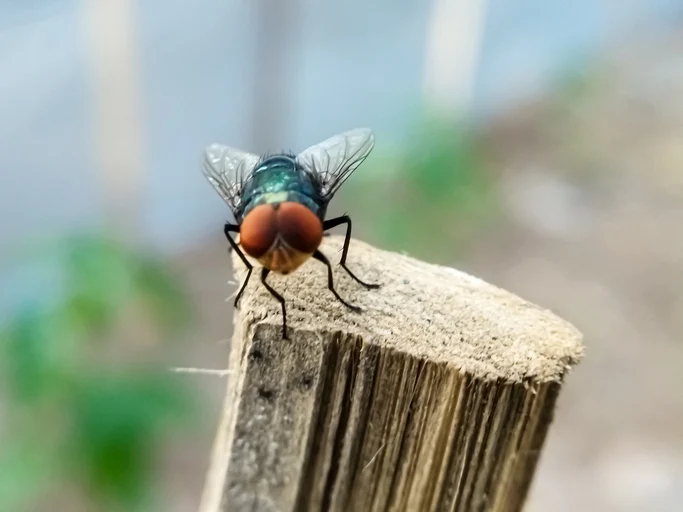
July 15, 2026 — In a proactive move to safeguard the health of the American equine population, the U.S. Food and Drug Administration (FDA) has officially issued an Emergency Use Authorization (EUA) for Ivermectin Liquid for Horses. This regulatory milestone provides a critical, short-term preventive measure against New World screwworm (NWS) myiasis—a devastating parasitic condition caused by the larvae of the Cochliomyia hominivorax fly.
The authorization marks a significant tactical expansion in the ongoing federal effort to contain the spread of NWS, which poses a severe threat to warm-blooded animals across the United States.
Main Facts: Understanding the Authorization
The FDA’s authorization specifically targets the prevention of myiasis—the infestation of living tissue by fly larvae—in horses. The liquid solution, sponsored by Canada-based Alberta Vet Labs Ltd., is designed for specific, narrow use-cases.
Key Provisions of the EUA:
- Targeted Application: The product is strictly limited to the short-term prevention of NWS in horses. It is not approved for use in any other species.
- Temporal Constraints: The authorization specifies that the drug must be administered within 24 hours of a foal’s birth or during the initial care of an open wound.
- Prescription Only: Due to the sensitivity of the application and the potential for misuse, the medication is available exclusively via prescription from a licensed veterinarian.
- Method of Delivery: The solution is formulated for administration as an oral drench or via a nasogastric tube (a tube passed through the nose to the stomach).
The FDA emphasized that this is a preventive tool, not a curative treatment. If an animal is already suffering from an active infestation, or if an infestation manifests after the application of the product, owners must immediately consult a veterinarian for alternative therapeutic interventions.
Chronology: The Escalation of the NWS Threat
The issuance of this EUA is not an isolated event but rather the latest chapter in a broader, multi-year federal strategy to manage the re-emergence of the New World screwworm in North America.
- August 2025: The U.S. Department of Health and Human Services (HHS) issued a formal declaration of emergency regarding the New World screwworm. This declaration established the legal framework under the Federal Food, Drug, and Cosmetic Act, allowing the FDA to expedite the approval of animal drugs that would otherwise require longer, more traditional regulatory pathways.
- Late 2025 – Early 2026: Federal agencies, including the USDA and the FDA, intensified surveillance and outreach programs, observing the migration patterns of the parasitic fly and identifying vulnerabilities in livestock and companion animal populations.
- Spring 2026: Following reports of localized infestations, health authorities identified a critical need for prophylactic measures, particularly for newborn animals whose umbilical cords provide a primary entry point for the parasite.
- July 15, 2026: The FDA formally authorizes Ivermectin Liquid for Horses, marking the 11th such authorization deployed by the agency in the fight against NWS.
Supporting Data: The Biological Threat of NWS
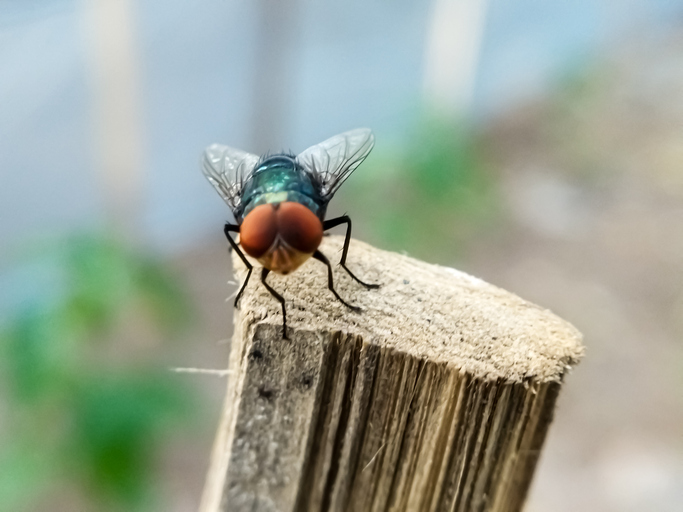
The New World screwworm is not a typical fly. Unlike many other species that feed on decaying organic matter, Cochliomyia hominivorax larvae are obligate parasites—they feed exclusively on the living flesh of warm-blooded animals.
Why Horses are at Risk
Horses, by their nature and environment, are highly susceptible to NWS. The biological mechanism is chilling:
- Attraction: Female NWS flies are biologically hard-wired to seek out moist, open wounds or mucous membranes to deposit their eggs.
- Infestation: A single female can lay hundreds of eggs in a single cluster.
- Consumption: Upon hatching, the larvae burrow into the living tissue, creating deep, crater-like lesions. As they feed, the wound enlarges, which in turn attracts more flies, leading to a catastrophic feedback loop.
- Consequences: Without immediate, aggressive intervention, the infestation causes extreme pain, secondary infections, and frequently, death.
The FDA’s decision to authorize the Ivermectin liquid was based on a rigorous review of scientific evidence. The agency concluded that the benefits—namely, the prevention of life-threatening infestations—outweigh the risks, provided the product is used in strict accordance with veterinary guidance.
Official Responses: Federal Coordination
The response to the NWS threat has been characterized by a high degree of inter-agency cooperation.
USDA Secretary Brooke L. Rollins highlighted the collaborative nature of the effort: "We at the USDA have been working tirelessly with our federal partners to prepare for any potential infestation of animals that may occur as a result of New World screwworm. Today’s announcement is another step in the right direction to protect our nation’s livestock and equine populations."
Acting FDA Commissioner Kyle A. Diamantas, J.D., reinforced the agency’s commitment to rapid response: "This marks the FDA’s 11th Emergency Use Authorization deployed against New World screwworm. We will continue to use all available authorities, act with maximum speed, and deliver the necessary tools to protect animals."
However, the FDA remains cautious. Dr. Timothy Schell, Director of the FDA’s Center for Veterinary Medicine, issued a stern warning regarding the limitations of the drug: "This authorization provides a short-term prevention option for horses, but owners and veterinarians should be aware of the limitations. This product’s window of prevention lasts no more than 24 hours. It must be used alongside other preventive measures, such as proper bandaging, the application of insect repellents, and robust fly-control methods."
Implications: A Layered Defense Strategy
The introduction of Ivermectin Liquid for Horses is a vital component of a "layered defense" strategy. In the context of veterinary medicine, relying on a single drug is rarely sufficient, especially when dealing with a parasite as aggressive as the New World screwworm.
1. The Necessity of Integrated Pest Management (IPM)
The FDA has been clear: the medication is not a "magic bullet." Owners must continue to prioritize:
- Mechanical Protection: Using fly sheets, masks, and sterile bandaging on all wounds.
- Environmental Control: Reducing fly breeding sites by managing manure and standing water, and utilizing traps to monitor local fly populations.
- Daily Inspection: The "24-hour" efficacy of the drug means that consistent, daily observation of horses—particularly newborns—is non-negotiable.
2. Legal and Regulatory Precedent
The use of the Emergency Use Authorization for animal medicine is a significant shift in how the FDA manages agricultural health crises. By creating a temporary, streamlined path to approval, the agency is acknowledging that the traditional, multi-year drug approval process is ill-suited for the rapid movement of an invasive parasite. This EUA will remain in effect only as long as the HHS declaration of emergency persists, ensuring that the agency retains oversight and the ability to revoke or modify the authorization as conditions change.
3. The Role of the Veterinary Community
With this product available only by prescription, the veterinarian’s role as a gatekeeper and educator has never been more important. Veterinarians are now tasked with:
- Screening horses for pre-existing conditions that might contraindicate the use of ivermectin.
- Ensuring the accurate weight-based dosing of the solution.
- Educating owners on the critical importance of the 24-hour limit and the necessity of secondary barrier methods.
4. Public Health and Economic Impact
Beyond the emotional toll on horse owners, the NWS poses a substantial economic threat to the equine industry, which includes racing, breeding, sport, and therapeutic sectors. Furthermore, as a zoonotic risk (though rare), the presence of such a parasite complicates the broader agricultural landscape. By curbing the impact on horses, the government is effectively reducing the environmental "reservoir" of flies, thereby protecting other livestock, such as cattle and sheep, which are also highly vulnerable.
Conclusion
The authorization of Ivermectin Liquid for Horses is a calculated, evidence-based intervention designed to provide a "stop-gap" for the most vulnerable equines in high-risk zones. While it offers a valuable weapon against the New World screwworm, its utility is tethered to the discipline of the humans managing the animals. As the summer progresses, the success of this measure will depend on the vigilance of veterinarians and the strict adherence of horse owners to the established protocols of integrated, multi-layered pest management.
For those seeking further information, the FDA has released a comprehensive fact sheet detailing the administration, safety, and regulatory status of the product, available through the official FDA portal.