By the Outdoor Living & Pet Safety Desk
Published in partnership with field testing resources
Main Facts: The Allure and Hazard of the Desert
The vast, sweeping expanses of the American Southwest and other arid regions offer a distinct kind of serenity. For hikers seeking solitude and raw, untamed beauty, the desert is unmatched. However, this sublime landscape demands absolute respect. Beneath its tranquil exterior lies a punishing ecosystem capable of turning dangerous—and potentially fatal—in a matter of hours if proper precautions are ignored.
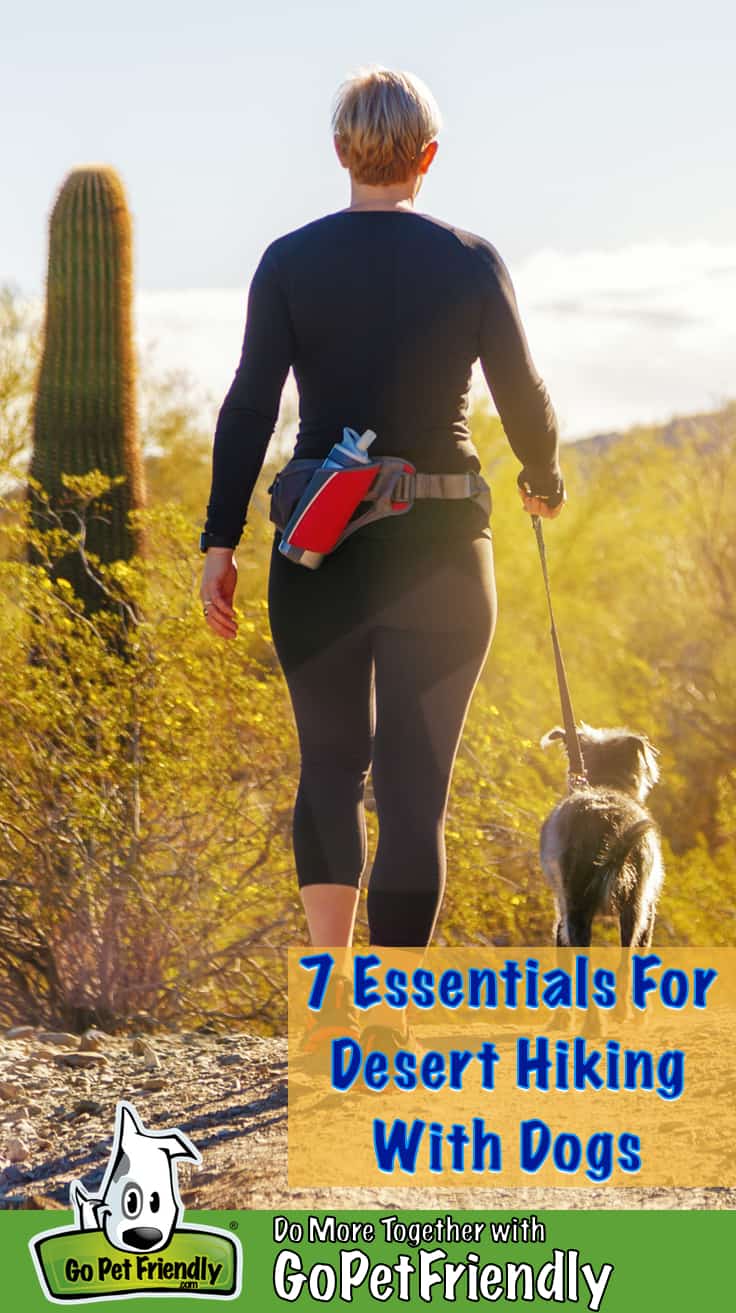
When human hikers introduce dogs into this environment, the stakes rise exponentially. Canines do not process heat, dehydration, and environmental hazards the same way humans do. Unlike humans, dogs possess a severely limited cooling system, primarily relying on panting and the tiny sweat glands located in their paw pads.

Following years of firsthand field testing and navigating a distinct lack of comprehensive resources for desert-dwelling pets, outdoor enthusiasts have compiled a definitive framework for canine desert safety. Packing the right equipment, understanding canine physiological limitations, and preparing for desert-specific fauna are no longer optional—they are prerequisites for survival.
Chronology: From Midwest Anxiety to Field-Tested Preparedness
The framework for modern desert dog trekking was not born in a laboratory; it was forged through trial, error, and adaptation.
- The Transition Phase: For years, outdoor adventurists accustomed to the forgiving, lush climates of the Midwest experienced a profound shift in anxiety levels when visiting arid regions. Recognizing that the desert commands absolute deference, hikers initially found their search for targeted canine safety resources coming up empty.
- The Guinea Pig Trials: Lacking standardized manuals, hikers turned their own companions into field-testers. Iterative testing on rugged trails—ranging from rocky arroyos to shifting sand dunes—exposed critical gaps in standard hiking protocols.
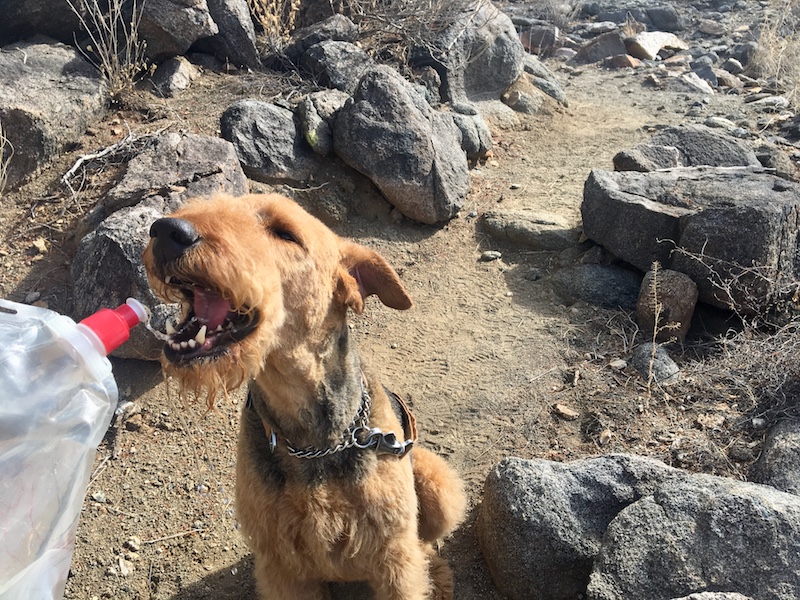
- System Development: Over successive seasons, owners and dogs developed specialized communication systems. For instance, routines were established where dogs learned to sit facing their handlers on command to receive water via a controlled, squirt-bottle "drinking fountain" method, bypassing the inefficiency of traditional portable bowls.
- Gear Refinement: Non-essential items were stripped away, while specialized tools—such as fine-tooth combs, pet-safe adhesive wraps, and emergency paw booties—were elevated from optional luxuries to mandatory pack items. Today, this accumulated wisdom forms the bedrock of modern desert canine expedition planning.
Supporting Data: Understanding the Arid Ecosystem and Canine Physiology
Navigating the desert requires an understanding of the environmental data and physiological mechanics that dictate whether a hike ends in triumph or tragedy.
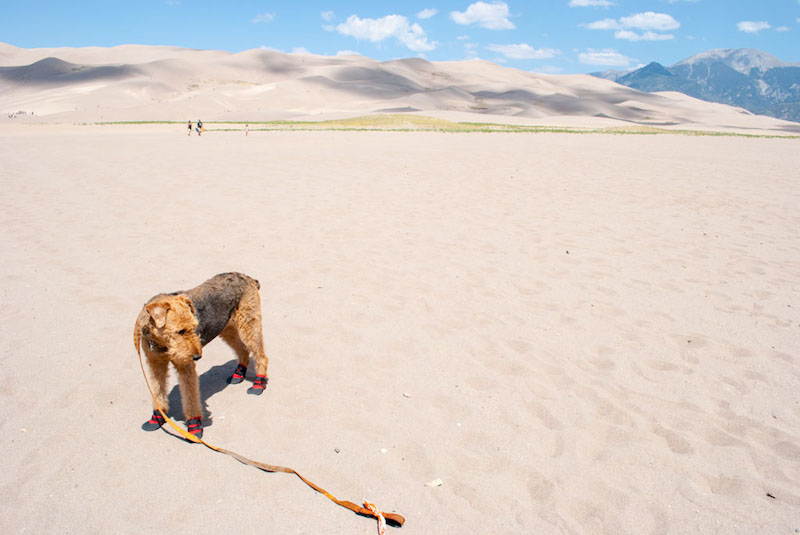
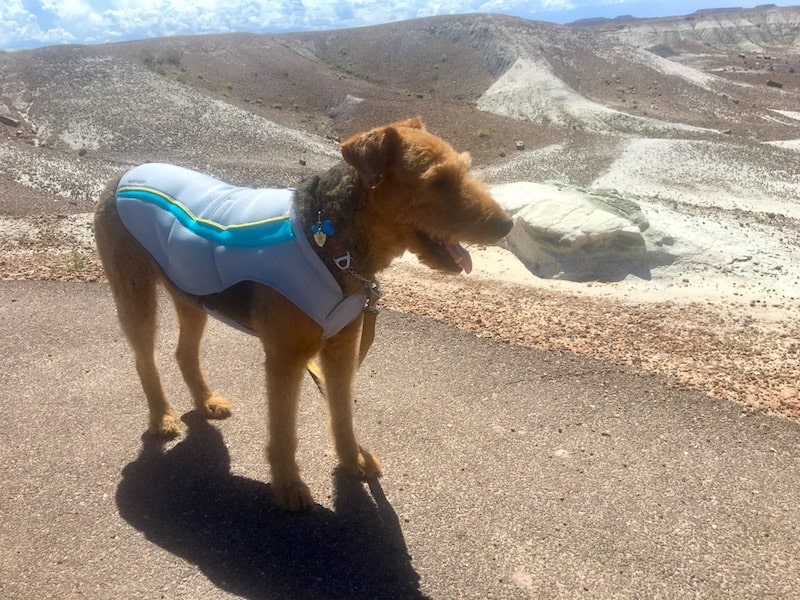
- Thermal Regulation Risks: Because dogs sweat primarily through their paw pads, continuously outfitting them with boots can inadvertently trap heat and induce hyperthermia. Data shows that protective footwear must be treated as dynamic, situational gear—vital for scalding sand or jagged rock, but removable during cooler, stable stretches of trail.
- Hydration Metrics: Natural water sources in the desert are notoriously unreliable. Streams that appear on outdated topographic maps or flowed heavily the previous week can be completely desiccated due to rapid evaporation and shifting weather patterns. Canines require a dedicated, calculated water supply carried entirely by the hiking party.
- Hazard Densities: The desert floor is a micro-ecosystem of mechanical hazards. Prickly pear cactus needles, sharp rock shards, cholla joints (often called "jumping cactus"), and goathead thorns represent constant mechanical threats to soft tissue and fur. Furthermore, venomous wildlife—including rattlesnakes and scorpions—inhabit nearly all major North American desert trail systems.
Official Responses and Veterinary Guidance: Professional Recommendations
Veterinarians and animal health specialists emphasize that preparing a dog for the desert goes far beyond tossing a leash and a tennis ball into the back of a vehicle. Medical professionals outline several key interventions:
- Allergy and Sting Protocols: Insects such as bees and wasps are active in desert blooms. Veterinary consensus supports the integration of antihistamines like Benadryl into pet first-aid kits, provided owners consult their veterinarian beforehand. Crucially, veterinary experts stress that canine dosages for Benadryl differ significantly from human dosages, requiring explicit, written instructions stored directly inside the medical kit.
- Rattlesnake Vaccinations: For hikers who frequent arid trails or allow their dogs off-leash, many veterinarians recommend the rattlesnake vaccine. While the vaccine does not render a dog immune, official veterinary stances indicate that it buys critical time—often dampening the initial venom load and reducing tissue necrosis—allowing handlers a wider window to reach emergency veterinary care.
- Wound Management: Experts advise against using standard human medical tapes or rigid bandages on animal fur and skin, which can cause severe trauma during removal. Veterinary-approved, self-adherent wraps that cling to themselves rather than fur are designated as standard equipment for stabilizing field injuries.
Implications: Building a Responsible Desert Hiking Culture
As public lands experience surges in recreational foot traffic, the implications of unprepared pet ownership in fragile ecosystems have become glaringly apparent.
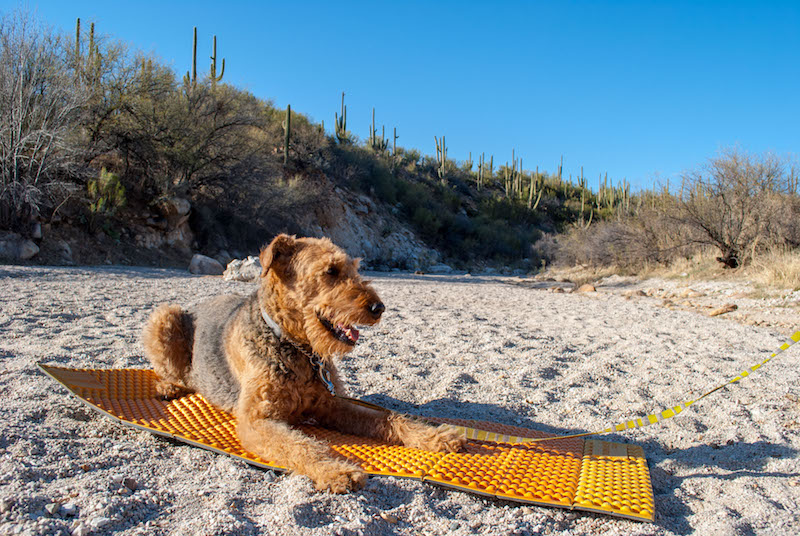
- Ecosystem Preservation: Dogs running unchecked through arid landscapes can disturb fragile biological soil crusts, disrupt nesting wildlife, and inadvertently transport invasive plant seeds across miles of pristine wilderness. Responsible gear management—such as utilizing sit-pads to prevent unnecessary paw trauma and keeping dogs securely leashed—protects both the animal and the native ecology.
- Search and Rescue Demands: Unprepared hikers who run out of water for their pets frequently require emergency extraction. By shifting the culture toward meticulous preparation—such as utilizing canine hydration backpacks and carrying specialized extraction tools like tweezers and fine-tooth combs—the outdoor community can reduce the strain on rural search-and-rescue services.
- A New Standard for Adventure: Ultimately, treating the desert with the gravity it demands transforms the human-canine bond. Equipping a dog with the proper tools ensures that the profound silence and breathtaking vistas of the desert remain a source of joy rather than a site of avoidable tragedy.
Essential Gear Checklist for Desert Dog Trekking
To summarize the field-tested protocols, every hiker venturing into arid environments with a canine companion should carry the following items:
- A Surplus of Water: Calculated for both human and dog consumption, supplemented by a hydration pack or a collapsible bottle featuring a controlled pop-top nozzle.
- Emergency Dog Boots: Rugged, multi-strap booties kept in reserve for scorching sand or sharp, abrasive rock surfaces.
- Canine Sit-Pad: A lightweight, puncture-resistant mat to protect your dog from sharp rocks, ground heat, and cactus debris during rest breaks.
- Fine-Tooth Comb: An inexpensive, highly efficient tool for rapidly stripping burrs, goatheads, and cactus spines from fur before they embed in skin.
- Precision Tweezers: Essential for extracting microscopic splinters, bee stingers, and deeply embedded thorns.
- Pet-Safe First-Aid Tape: Stretchy, self-adherent wrap that secures dressings without sticking to fur or cutting off circulation.
- Antihistamines (Benadryl): Pre-cleared by a veterinarian, complete with exact dosage notes for managing unexpected insect stings or allergic reactions.