WASHINGTON, D.C. — In the modern digital marketplace, the journey to finding a dream equine partner or selling a beloved horse often begins with the click of a mouse. However, what promises to be a seamless online transaction can quickly devolve into a devastating financial and emotional ordeal. As cybercriminals and opportunistic fraudsters increasingly target the multibillion-dollar equine industry, the American Horse Council (AHC) is taking proactive steps to safeguard buyers and sellers.
To help equestrians navigate the digital marketplace safely, the AHC has announced a comprehensive, free live webinar entitled “Don’t Get Taken for a Ride: Avoiding Online Horse Scams.” Scheduled for September 21 at 1:00 p.m. EST, the virtual event will feature seasoned law enforcement professionals who specialize in tracking down livestock thieves, fraudsters, and digital predators.
With sophisticated scams ranging from fake sales advertisements and phantom deposits to hijacked wire transfers and emotional blackmail, industry leaders emphasize that education is the ultimate line of defense. This report examines the mechanics of modern online horse fraud, the investigative insights provided by frontline law enforcement, the emotional and financial implications for the equine community, and details on how participants can register for this critical event.
Main Facts
The digital transformation of the agricultural and equine sectors has brought unprecedented convenience, allowing buyers to browse horses across multiple state lines and continents without leaving their living rooms. Unfortunately, this technological shift has also created a lucrative playground for bad actors.
The upcoming AHC webinar aims to demystify these modern criminal tactics by bringing in elite investigators from the Texas & Southwestern Cattle Raisers Association (TSCRA). These Special Rangers possess decades of combined experience investigating complex agricultural crimes, livestock rustling, and cross-state financial fraud.
Key Elements of the Initiative:
- Event “Don’t Get Taken for a Ride: Avoiding Online Horse Scams”
- Host Organization: The American Horse Council (AHC)
- Guest Experts: Special Rangers from the Texas & Southwestern Cattle Raisers Association (TSCRA)
- Date and Time: September 21, at 1:00 p.m. EST
- Cost: Free and open to the public
- Registration Link: https://bit.ly/AHCWebinarQ3
The core objective of the webinar is to train horse owners, trainers, breeders, and casual enthusiasts to spot the subtle red flags that precede financial ruin. Fraudsters often rely on a combination of manufactured urgency, too-good-to-be-true pricing, and psychological manipulation to rush victims into sending non-refundable funds. By dissecting real-world case files, the TSCRA Special Rangers will demonstrate how to verify identities, secure payment methods, and establish verifiable paper trails before exchanging a single dollar.
Chronology: The Evolution of Equine Cyber Fraud
To understand how online horse scams have reached their current scale, it is helpful to trace the evolution of the marketplace from traditional, word-of-mouth transactions to today’s hyper-connected digital ecosystem.
Phase 1: The Traditional Era (Pre-2000s)
Historically, buying and selling horses relied heavily on local classified ads in print newspapers, word-of-mouth recommendations at local stables, and physical visits to auctions or breeding farms. While fraud certainly existed—such as misrepresenting a horse’s age or masking soundness issues—transactions were largely localized. Buyers could personally inspect the animal, meet the seller face-to-face, and exchange physical checks or cash upon a handshake agreement.
Phase 2: The Classifieds Migration (2000s–2010s)
As the internet expanded, equine sales migrated to digital classified platforms and early specialized websites. Photos and basic pedigree information became accessible nationwide. However, security protocols on these platforms were rudimentary. Scammers quickly realized they could post high-end horses using stolen photographs, targeting distant buyers who were willing to purchase sight-unseen based on glowing descriptions and manipulated vet records.
Phase 3: The Social Media and Digital Payment Era (Present Day)
Today, the marketplace thrives on social media networks, peer-to-peer messaging applications, and instant digital payment platforms (such as Zelle, Venmo, PayPal, and cryptocurrency). This ecosystem has drastically accelerated the speed of transactions—and the velocity of fraud.
- The "Ghost Horse" Phenomenon: Scammers create elaborate social media profiles, impersonating legitimate farms or trainers, and advertise exceptional sport horses at below-market prices.
- The Intercepted Wire: Sophisticated cybercriminals hack into the email accounts of reputable breeding operations, monitoring communications between buyers and sellers. Just as a wire transfer is about to be sent, the scammer injects fraudulent bank routing details, diverting thousands of dollars into offshore accounts.
- The Post-Delivery Dispute: Scammers operating as buyers use stolen credit cards or fraudulent digital payment methods to purchase a horse. Once the animal is delivered to a transport company, they initiate chargebacks or dispute the charges with their financial institutions, leaving the seller with neither the horse nor the funds.
Supporting Data and Common Scam Typologies
Online equine fraud is not merely an occasional nuisance; it represents a multi-million-dollar illicit enterprise that preys on the trusting nature of the animal community. According to consumer protection agencies and agricultural task forces, digital livestock scams generally fall into several distinct categories:
1. Fake Advertisements and Phantom Deposits
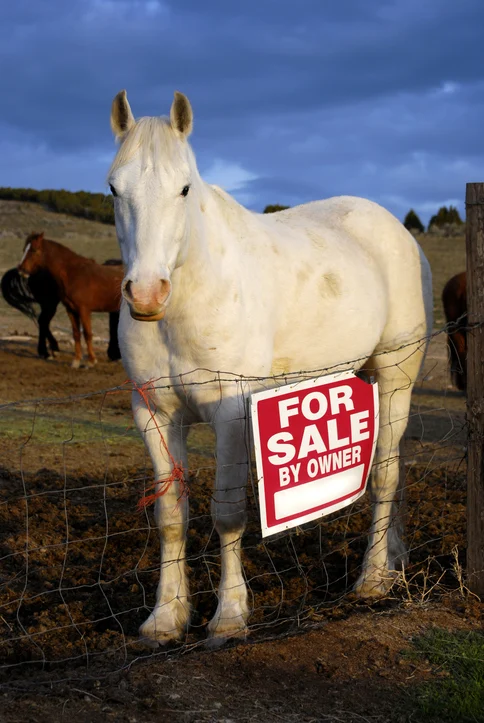
In this scenario, a fraudster steals photos and videos of a well-trained hunter, jumper, cutting horse, or family-safe trail mount from an active, legitimate stable. They list the animal at an attractive, yet believable, price. When an interested buyer reaches out, the seller claims there is massive demand and demands a non-refundable deposit—often ranging from $500 to several thousand dollars—to "hold" the horse. Once the deposit is transferred via peer-to-peer payment apps, the seller blocks the buyer’s phone number, deletes the ad, and vanishes.
2. The "Bait-and-Switch" Delivery
Buyers who manage to complete a transaction sometimes find that the animal delivered by a commercial hauler bears little resemblance to the advertised horse. The physical confirmation, training level, age, or health status may be vastly inferior. In worse cases, an entirely different, dangerous, or unsound horse is dropped off. When the buyer attempts to contact the seller, they discover the contact information was linked to a burner phone or a fraudulent social media account.
3. Emotional Manipulation and Manufactured Crises
Perhaps one of the most insidious tactics utilized by modern fraudsters is weaponizing the empathy of horse lovers. Scammers frequently post heartbreaking stories accompanied by photographs of distressed or emaciated horses. They claim the animal is facing imminent auction, neglect, or slaughterhouse transport unless a compassionate buyer steps in immediately to pay a "bail-out" or "rescue" fee.
Because members of the equine community are inherently compassionate and accustomed to welfare advocacy, they often act impulsively to save the animal, transferring funds before verifying the legitimacy of the organization or the actual physical location of the horse.
4. Bad Checks and Counterfeit Cashiers’ Checks
Sellers are equally vulnerable to financial fraud. A classic scheme involves a "buyer" purchasing an expensive horse sight-unseen and mailing a cashier’s check for an amount exceeding the purchase price (often claiming the extra funds are intended to cover independent shipping costs). The seller deposits the check, sees the funds provisionally available in their account within 24 hours, and wires the "overpayment" difference back to a third-party shipper designated by the buyer. Days or weeks later, the bank discovers the cashier’s check is entirely counterfeit, reversing the initial deposit and leaving the seller deeply indebted.
Official Responses and Industry Perspectives
The urgency surrounding the AHC’s upcoming webinar stems from a steady stream of distressed reports pouring into breed registries, equestrian federations, and law enforcement agencies across the country.
"Unfortunately, scammers know that people in the horse community care deeply and are willing to act quickly when they believe an opportunity is about to pass them by," said Julie Broadway, CAE, President of the American Horse Council.
Broadway underscored that while technology has made commerce frictionless, it has also stripped away the traditional safeguards of physical verification.
"This webinar is about giving people practical tools to slow down, recognize the warning signs and protect themselves before sending money or completing a transaction," Broadway added.
Law enforcement partners echo this sentiment. Special Rangers from the Texas & Southwestern Cattle Raisers Association (TSCRA) spend their careers unraveling complex property crimes across ranch lands and digital networks alike. Unlike standard municipal police departments, TSCRA Special Rangers hold commissions as special investigators, giving them unique jurisdiction and expertise in livestock and agricultural crimes.
According to the TSCRA, modern livestock fraud requires a multidisciplinary investigative approach, combining cyber-forensics, financial tracking, and cross-jurisdictional cooperation. During the September 21 webinar, these seasoned officers will break down:
- How to conduct background checks on unfamiliar sellers and buyers.
- The legal definitions of livestock fraud and how jurisdictions handle interstate cybercrimes.
- Step-by-step protocols for what to do immediately if you suspect you have been targeted or scammed.
- Best practices for drafting legally binding digital bills of sale and utilizing secure escrow services.
Implications for the Equine Community
The rise of online horse scams carries profound implications for the future of the equine industry, affecting everyone from multi-million-dollar breeding operations to first-time horse owners.
1. Erosion of Trust in Digital Commerce
As fraudulent incidents proliferate, a chilling effect ripples through the market. Buyers become excessively paranoid, making legitimate remote transactions increasingly difficult to close. Honest sellers face mounting skepticism, requiring them to jump through extensive verification hoops—such as live video walkthroughs, third-party veterinary pre-purchase exams, and notarized bills of sale—just to reassure prospective buyers.
2. Financial Devastation for Independent Enthusiasts
While corporate enterprises or high-end stables can absorb financial losses, the average horse buyer or seller cannot. For many families, purchasing a horse represents a significant, years-long financial investment. Losing thousands of dollars to a cybercriminal can shatter dreams of equestrian competition, force small farms out of business, and cause severe emotional trauma.
3. The Need for Regulatory and Platform Accountability
Industry advocates argue that online classified platforms and social media giants must do more to vet users and police fraudulent listings. Implementing mandatory identity verification, escrow payment integration, and rapid-response reporting mechanisms could drastically curb the success rate of cybercriminals. Until such systemic changes are universally adopted, individual vigilance remains the primary shield.
Conclusion and Registration Information
The American Horse Council’s free webinar, “Don’t Get Taken for a Ride: Avoiding Online Horse Scams,” arrives at a critical juncture for the equine community. By combining the policy leadership of the AHC with the tactical expertise of TSCRA Special Rangers, the event promises to arm participants with actionable knowledge, defensive strategies, and invaluable peace of mind.
Whether you are an experienced breeder navigating international wire transfers, a trainer managing client purchases, or a first-time buyer searching for a companion animal, education is the most effective deterrent against digital exploitation.
Event Summary:
- Event Name: Don’t Get Taken for a Ride: Avoiding Online Horse Scams
- Date: September 21, 2026
- Time: 1:00 p.m. EST
- Format: Free Live Webinar
- Registration: Secure your spot online by visiting https://bit.ly/AHCWebinarQ3.
About the American Horse Council:
As the national association representing all segments of the horse industry in Washington, D.C., the American Horse Council works daily to advocate for equine interests, protect industry opportunities, and promote the health, welfare, and safety of horses and horsemen nationwide.