September 14, 2026 — In an era where the boundary between human and animal companion has become increasingly blurred, a fundamental question remains at the heart of the canine-human bond: How do we define our relationship with our dogs? As we move further into the 21st century, the nomenclature used to describe our roles—owner, parent, or guardian—carries profound ethical implications for how we treat, train, and perceive these sentient beings.
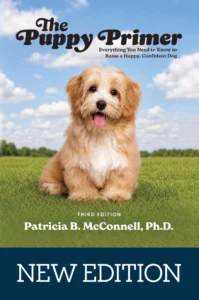
Dr. Patricia McConnell, a noted ethologist and author, recently sparked a broader industry conversation by re-examining these titles in light of her latest project, the fully revised edition of her seminal work, The Puppy Primer.

The Semantics of Ownership: Why Words Matter
The debate over whether we are "owners" or "guardians" is far more than a linguistic exercise. It touches upon the very fabric of how humans view their position in the natural world.
The Problem with "Owner"
The term "owner" places dogs in the same category as inanimate objects—cars, tools, or furniture. While the legal status of a dog remains property in most jurisdictions, the psychological and ethical reality is vastly different. McConnell argues that clinging to the label of "owner" reinforces an outdated, anthropocentric hierarchy, often referred to as the "Great Chain of Being." This mindset can inadvertently license humans to treat dogs as tools rather than living, breathing, and sentient creatures who possess their own internal integrity.

The Complexity of "Pet Parent"
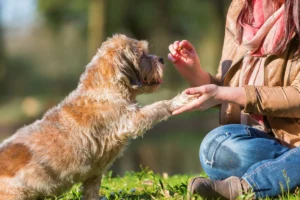
Conversely, the rise of the "pet parent" movement highlights the deep, familial love many feel for their animals. By treating dogs as dependents—akin to children—owners provide essential care, play, and emotional support. However, this terminology is not without its detractors. Critics, including many human parents, argue that conflating the raising of a human child with the stewardship of a canine ignores the fundamental differences in development and societal roles. Furthermore, treating dogs as "infantile" creatures can lead to a lack of respect for their adulthood and their innate, evolved dog-ness.
The Search for a New Paradigm
During the revision process for The Puppy Primer, McConnell grappled with these conflicting labels. "I settled on ‘guardian’," she notes, acknowledging that while it is an imperfect term, it occupies a necessary middle ground.

A "guardian" is defined not as an owner of property, but as a protector of an entity unable to fully advocate for its own legal and physical welfare. However, as the industry evolves, there is a growing consensus that we need a more nuanced vocabulary—one that moves away from dominion and toward a partnership based on mutual respect.
Indigenous Perspectives on Kinship
McConnell suggests looking toward Indigenous traditions, which often view animals as siblings or extended family members. In this framework, humans do not exercise "dominion" over animals; rather, they hold a responsibility to honor, learn from, and coexist with them. This shift from "possession" to "stewardship" reflects a more modern, scientifically informed understanding of animal sentience.

Chronology of a Busy Season: From the Farm to the Trial
While the philosophical debate continues, life on the farm continues at a brisk pace. The transition from the sweltering heat of summer to the crisp, golden hues of autumn has served as a backdrop for a series of high-profile events in the canine community.
- Early September 2026: Preparations conclude for the revised edition of The Puppy Primer, with a scheduled release date of October 1st.
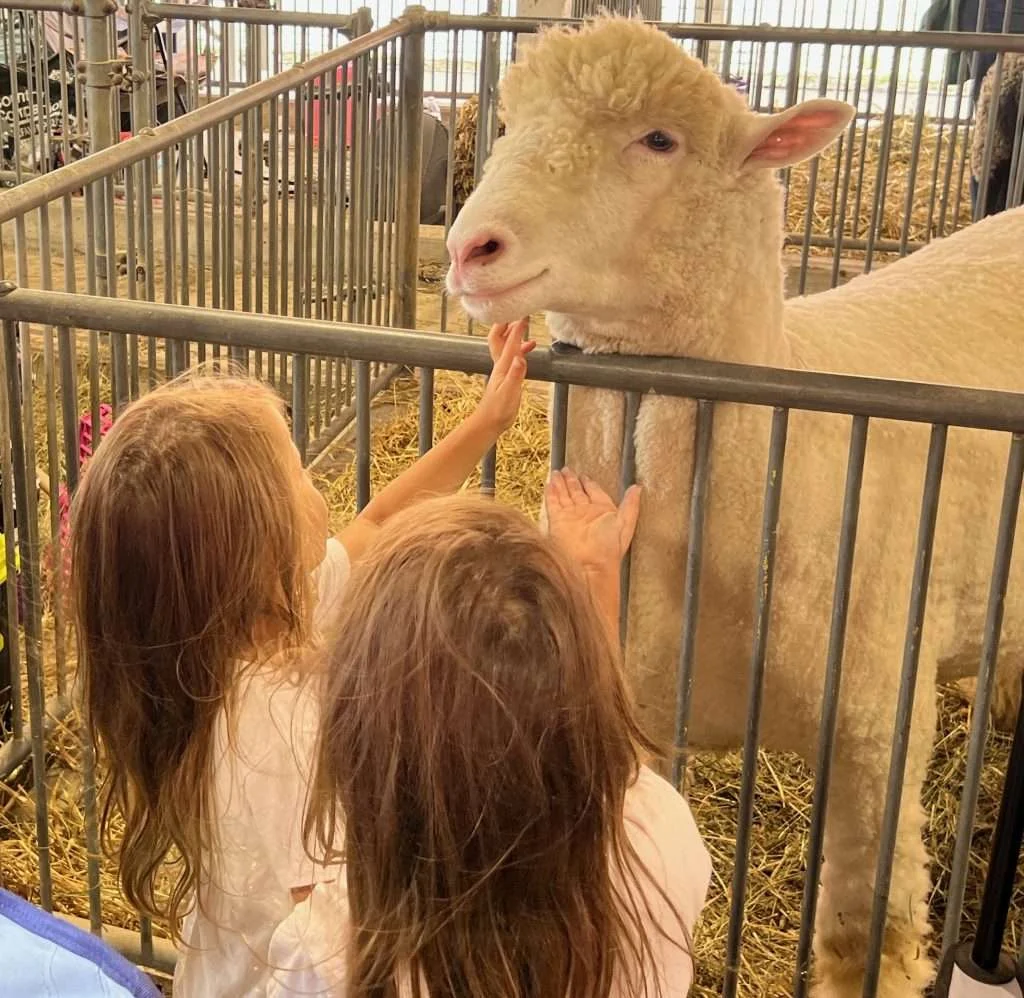
- September 12–13, 2026: The Wisconsin Sheep and Wool Festival takes center stage in Jefferson, WI. The event, a cornerstone for the sheepdog trial community, provided a vivid display of the working relationship between humans and dogs.
- Mid-September 2026: Focus shifts toward the upcoming CANIS Conference, where attendees will be among the first to receive the new edition of the text, along with a series of exclusive workshops.
- Late September 2026: Continued promotion of canine welfare and educational events, including upcoming public speaking engagements and unique community-building activities, such as a surprise dance event at the Arthur Murray Dance Studio.
Supporting Data: The Practicality of Training and Trials
The recent Crook and Whistle Sheepdog Trial provided a real-world testing ground for these theories of stewardship. During the trials, judges and competitors observed the delicate balance required to handle livestock effectively without compromising the dog’s autonomy or well-being.

The Role of the Scribe
The judging process for sheepdog trials involves a high degree of precision. A scribe—responsible for recording the points for segments like the "outrun"—provides a unique vantage point on the partnership between handler and dog. A successful run is not defined by dominance, but by the dog’s ability to demonstrate "knowledge, power, and patience."
When young sheep act unpredictably, the dog’s ability to remain calm and focused becomes a testament to the training philosophy of the handler. It is here that the concept of "guardian" is most visible: the handler provides the environment and the guidance, but the dog performs the work based on its own instincts and training.

Official Responses and Public Sentiment
The industry response to the evolving language of pet care has been overwhelmingly positive, though split on the specific terminology.
- Publishing Shift: The transition of The Puppy Primer to Little Creek Press marks a new chapter for the text, emphasizing localized support and a community-centric approach to dog training.
- Community Engagement: Feedback from readers of McConnell’s previous works, such as Away to Me, suggests that the public is eager for literature that acknowledges the deep emotional bond between humans and their working, or companion, animals.
- The "Guardian" Consensus: While many professional trainers and behaviorists have moved toward "guardian" or "steward," the term remains a work in progress. As McConnell states, "It feels superior to ‘owner’ or ‘pet parent,’ but it isn’t good enough."
Implications for the Future of Canine Care
The shift in how we label our relationships with dogs will inevitably impact how we legislate and practice animal care in the coming years.

- Policy Shifts: As the definition of "guardian" gains traction, local animal welfare laws may eventually evolve to reflect a standard of care that prioritizes the rights and well-being of the animal over the rights of the "owner."
- Training Methodologies: A move away from "dominion" and toward "stewardship" necessitates training methods that prioritize consent, communication, and positive reinforcement, effectively ending the era of coercive or punitive training practices.
- Educational Outreach: The success of initiatives like the CANIS Conference demonstrates that there is a massive, untapped demand for science-based, compassionate education. Owners are no longer content with being told what to do; they want to understand why they do it, and how their role as a guardian impacts the life of their dog.
Conclusion
As we look toward the final quarter of 2026, the canine community finds itself at a crossroads. Whether we call ourselves owners, parents, or guardians, the core of the issue remains the same: the dog is a unique biological miracle, a companion whose history is inextricably linked to our own. By refining our language, we refine our behavior.
For now, the invitation remains open. As the industry and the public continue to grapple with these definitions, one thing is certain: our dogs are listening, and they are waiting for us to catch up to the reality of the partnership we share with them.

For those interested in further exploring these themes, the revised and updated version of "The Puppy Primer" is available for pre-order via Little Creek Press, with an official release set for October 1, 2026.