By Global Travel Desk Published: October 2023 (Updated)
Main Facts: The Reality of Flying with Pets in the Modern Era
For millions of pet owners worldwide, the family dog or cat is more than just an animal—they are cherished companions, beloved family members, and often, inseparable travel partners. However, when life calls for relocation, extended vacations, or cross-country business trips, the prospect of navigating the commercial aviation system with an animal can transform an exciting journey into a source of acute anxiety.
The logistical hurdles are substantial. Arranging specialized pet reservations, adhering to stringent airline regulations, gathering complex health documentation, and managing the inherent safety concerns of cargo or cabin transit routinely cause travelers to abandon the idea of flying altogether. Many instead opt for grueling, multi-day road trips. Yet, for international voyages or tight itineraries, air travel remains the only viable option.
Statistics from the United States Department of Transportation (DOT) indicate that millions of domestic and exotic animals take to the skies annually. While media coverage tends to amplify rare tragedies and tarmac mishaps, industry data confirms that the vast majority of pets transported via commercial airlines arrive at their destinations safely. The secret to a seamless journey does not lie in luck; rather, it hinges on meticulous planning, proactive communication, and an uncompromising commitment to your animal’s comfort and welfare.
Whether your companion is booked to ride comfortably beneath the seat in the cabin or checked into a climate-controlled cargo hold, preparing for takeoff requires a strategic approach. To demystify the process, experienced pet travelers and veterinary experts have compiled nine foundational strategies to guarantee a safe, stress-free flight for both human and animal.
Chronology: A Timeline for Successful Pet Travel Preparation
Successfully flying with a pet cannot be accomplished overnight. Preparing for a journey in the skies demands a structured, multi-week timeline to ensure all health, administrative, and behavioral milestones are met without last-minute panic.
1. Two to Three Months Out: Research and Reservation
Airline Vetting: Begin by thoroughly researching airline pet policies. Not all carriers treat animals equally; some limit the number of pets per flight, while others have strict bans on specific aircraft models or routes.
Early Booking: Because cabin and cargo spaces for live animals are strictly capped per flight, you must secure your pet’s reservation simultaneously with your own ticket. Delaying this step can result in being booked on separate flights.
2. Four to Six Weeks Out: Veterinary Consultation and Crate Acclimation
Initial Vet Visit: Schedule a comprehensive health checkup with your veterinarian to verify that your pet is physically fit to fly.
Carrier Training: Purchase your airline-approved carrier or kennel immediately. Begin the desensitization process by feeding your pet inside the crate and integrating it into their daily routine as a safe, positive den space.
3. Ten Days to Two Weeks Out: Documentation and Certificates
Destination Compliance: Contact the state veterinarian or destination country’s department of agriculture to verify quarantine rules, import permits, and vaccine mandates.
Health Certificate Issuance: Schedule your mandatory secondary veterinary appointment. Most commercial airlines and destination authorities strictly require a signed health certificate issued within 10 days of your departure date.
4. 24 to 48 Hours Out: Final Preparations
Pack the Essentials: Assemble a dedicated pet travel kit containing health documents, waste bags, puppy pads, leash, collapsible bowls, and approved calming aids.
Crate Setup: Line the travel kennel with a familiar, comfortable bed and absorbent puppy pads to manage potential travel-induced accidents.
Supporting Data and Essential Strategies for the Journey
To transform the daunting prospect of aviation into a manageable routine, travelers must execute specific operational guidelines. Here are the core protocols recommended by seasoned globetrotters and veterinary professionals.
1. Consult Your Veterinarian Early and Often
The journey to the skies begins in the exam room. Your veterinarian is your primary resource for assessing whether your pet’s cardiovascular and respiratory systems can handle the altitude changes and environmental shifts associated with commercial flight. Once your vet gives the green light, establish a timeline for the paperwork.
Airlines generally require a health certificate confirming up-to-date vaccinations—particularly rabies—and a clean bill of health. Furthermore, international travel or interstate transit may require specialized titer tests or microchip verifications. Keep these deadlines circled on your calendar; missing the strict 10-day window for a health certificate can result in immediate denial at the check-in counter.
2. Verify Breed Restrictions and Weather Embargoes
Commercial carriers enforce rigorous breed restrictions for safety reasons. Brachycephalic—or "short-nosed"—breeds such as Bulldogs, Pugs, Boston Terriers, and Persian cats are uniquely susceptible to respiratory distress and heatstroke at high altitudes and during tarmac transfers.
Consequently, many airlines enforce seasonal temperature embargos, banning short-nosed pets from cargo holds during peak summer and winter months. However, if your pet falls within weight and size limits and can fit inside an approved soft-sided carrier beneath the seat ahead of you, many airlines will permit them to fly in the cabin regardless of breed. Always check individual carrier guidelines prior to purchasing tickets.
+-------------------------------------------------------------------------+
|                  QUICK REFERENCE: SHORT-NOSED BREEDS                    |
+---------------------------+---------------------------------------------+
| Canine Examples           | English Bulldog, French Bulldog, Pug,       |
|                           | Boxer, Boston Terrier, Shih Tzu             |
+---------------------------+---------------------------------------------+
| Feline Examples           | Persian, Exotic Shorthair, Himalayan        |
+---------------------------+---------------------------------------------+
| Primary Risk Factor       | Compromised respiratory tracts and reduced  |
|                           | ability to regulate body temperature.       |
+---------------------------+---------------------------------------------+
3. Secure Your Reservation Well in Advance
Spontaneity is the enemy of pet travel. Airlines restrict the aggregate number of animals allowed per cabin—often limiting it to four or five pets total across different classes of service. If you attempt to check in at the airport with an unregistered pet, you will likely be turned away.
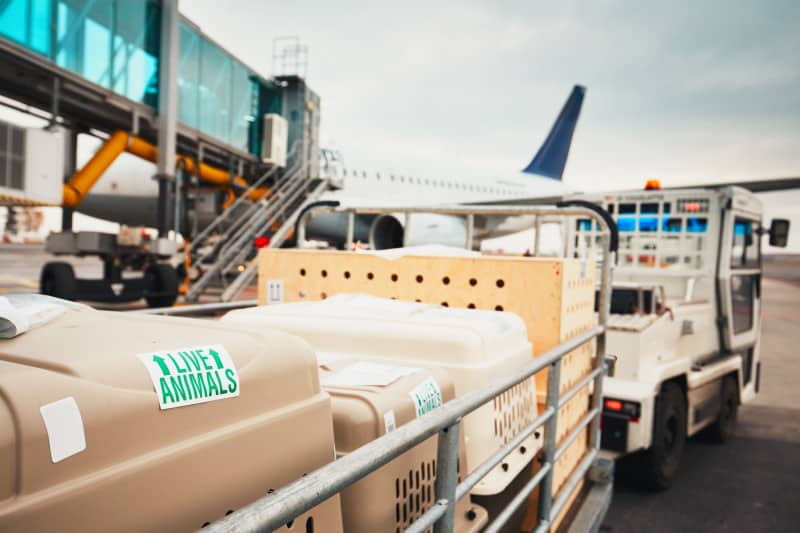
For animals traveling in the cargo hold, or those embarking on complex international itineraries involving customs clearances, preparation can require months of coordination. Book early to lock in your pet’s spot on the aircraft.
4. Acclimate Your Pet to the Kennel
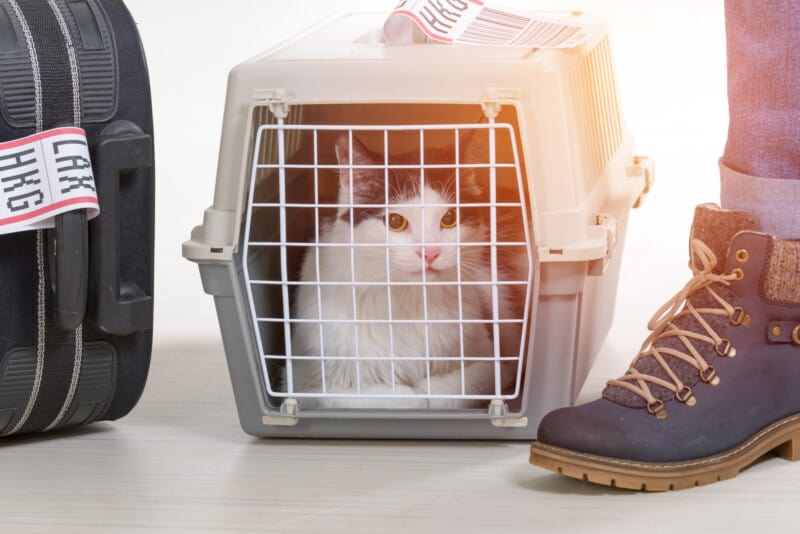
A strange carrier shoved into a dark cargo hold or placed under a cramped airplane seat is terrifying for an unprepared animal. To mitigate this, purchase your travel crate or carrier weeks before your flight.
Transform the kennel into a comfortable, inviting den. Feed your pet inside the open crate, toss treats inside, and place their favorite toys and blankets within. Once they willingly enter the space, begin closing the door for brief intervals—starting at 30 seconds and gradually extending to several minutes. If your pet exhibits signs of panic, slow down the process.
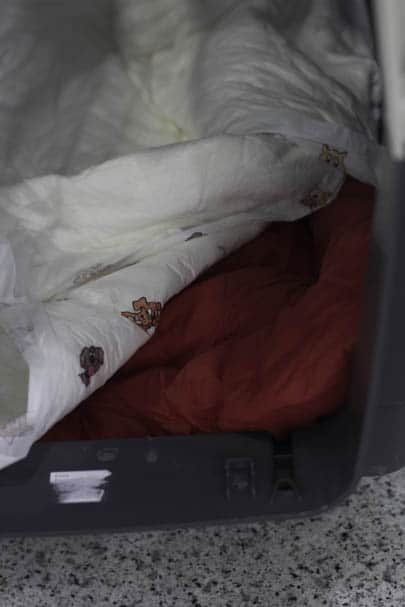
For the flight itself, line the bottom of the kennel with a comfortable pet bed covered by absorbent puppy pads to handle any stress-related accidents discreetly.
5. Exercise Caution with Sedatives
One of the most persistent myths in pet travel is that animals should be heavily tranquilized before boarding a plane. Major veterinary organizations, including the American Veterinary Medical Association (AVMA) and the Federal Aviation Administration (FAA), strongly advise against sedating cats and dogs for flights unless explicitly prescribed for a specific medical condition.
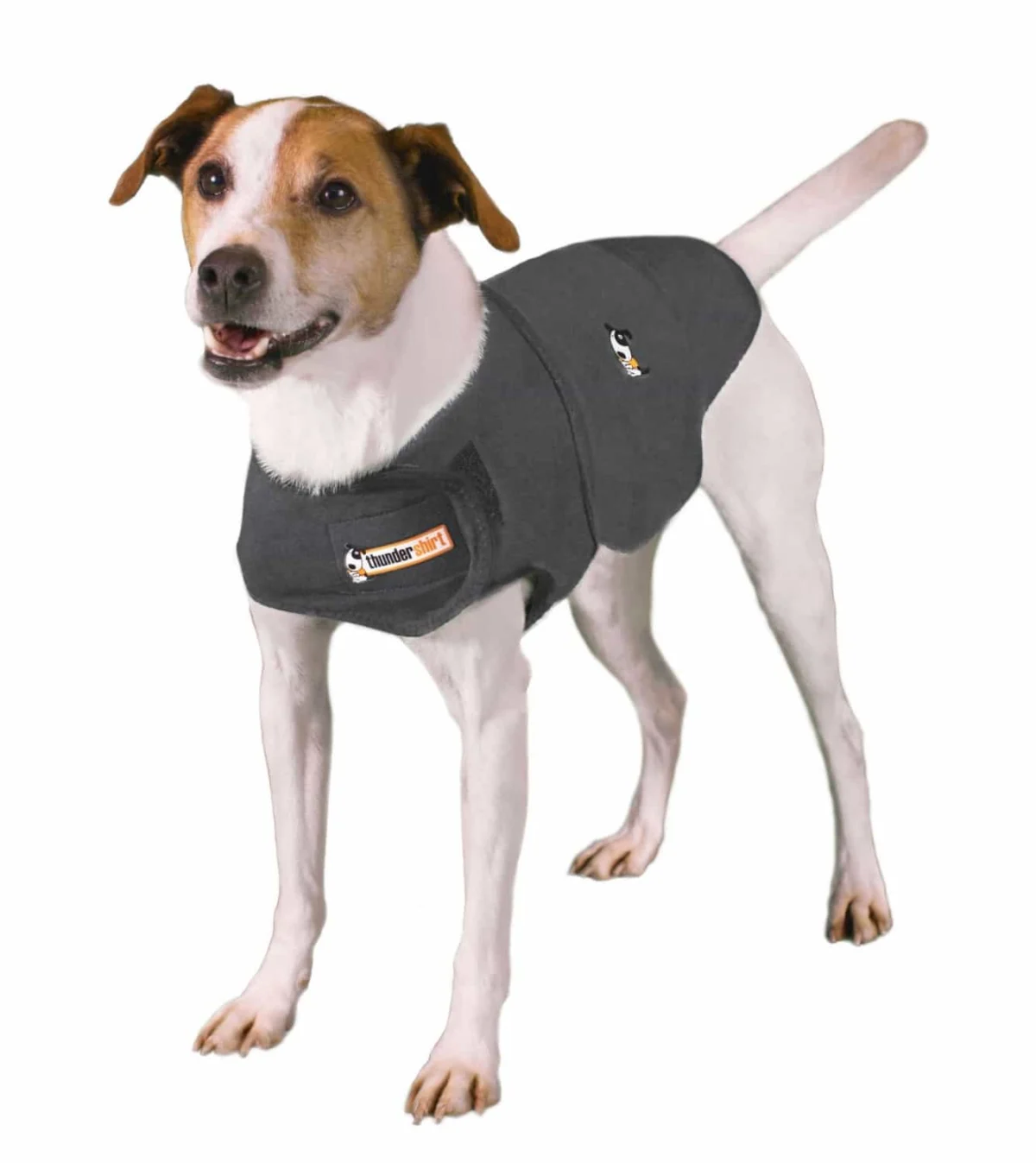
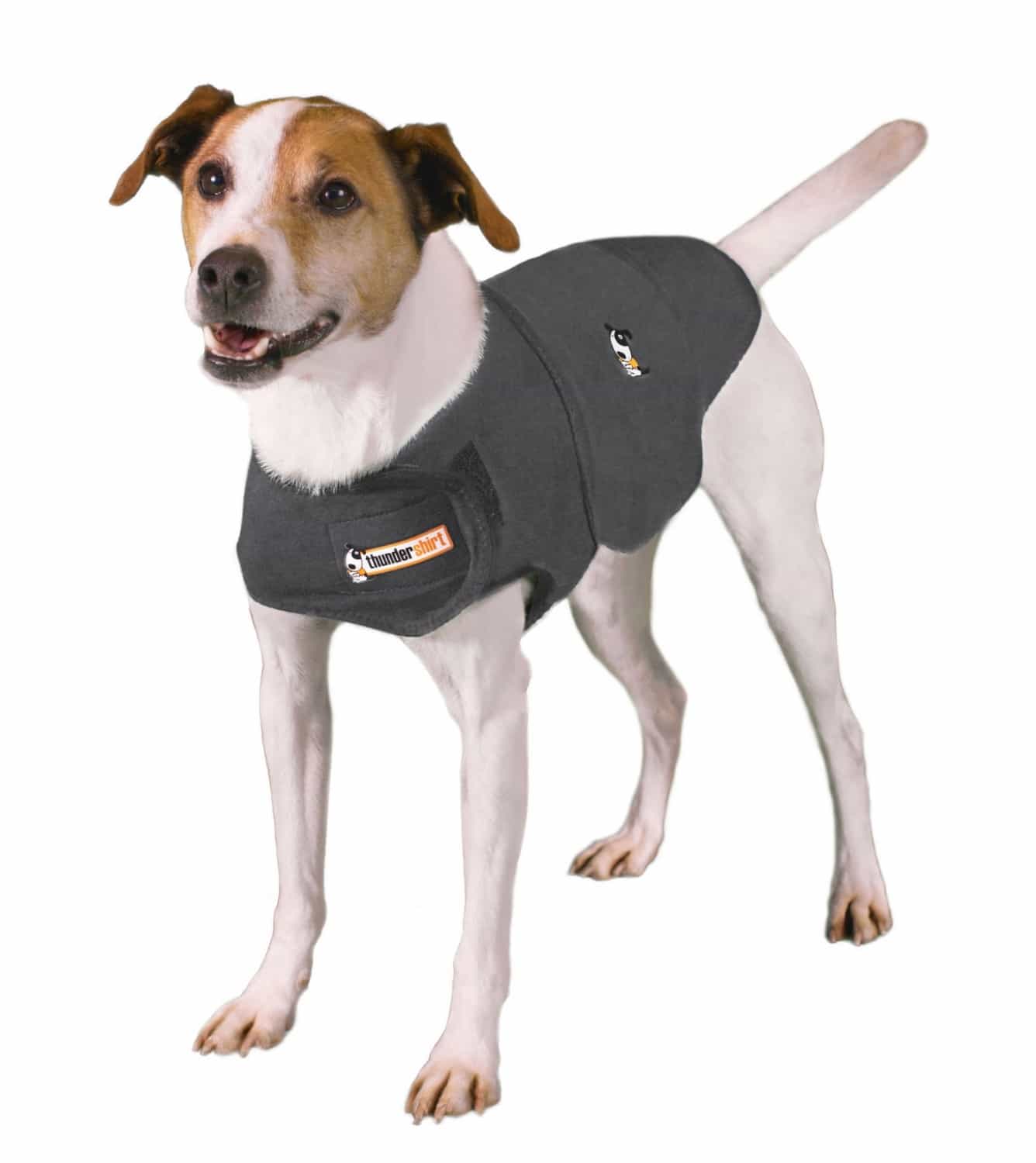
Tranquilizers and sedatives depress cardiovascular and respiratory systems, which impairs an animal’s natural ability to regulate its body temperature at high altitudes. Instead of pharmaceutical sedatives, explore natural alternatives such as pheromone sprays, anxiety-wrapping vests (like a Thundershirt), or vet-approved calming treats. Always clear any supplements, including CBD oil, with airline regulations beforehand.
6. Request Early Boarding
Navigating crowded airport terminals with luggage, a ticket, and a pet carrier is an exercise in stress management. When checking in at the ticket counter or speaking with the gate agent, politely inform them that you are traveling with an animal and request early boarding privileges.
Securing this extra time allows you to board the aircraft without the pressure of a bottlenecked aisle. You can slowly stow your carrier, adjust your pet’s position, and let them settle into the ambient noise of the cabin before the rest of the passengers take their seats.
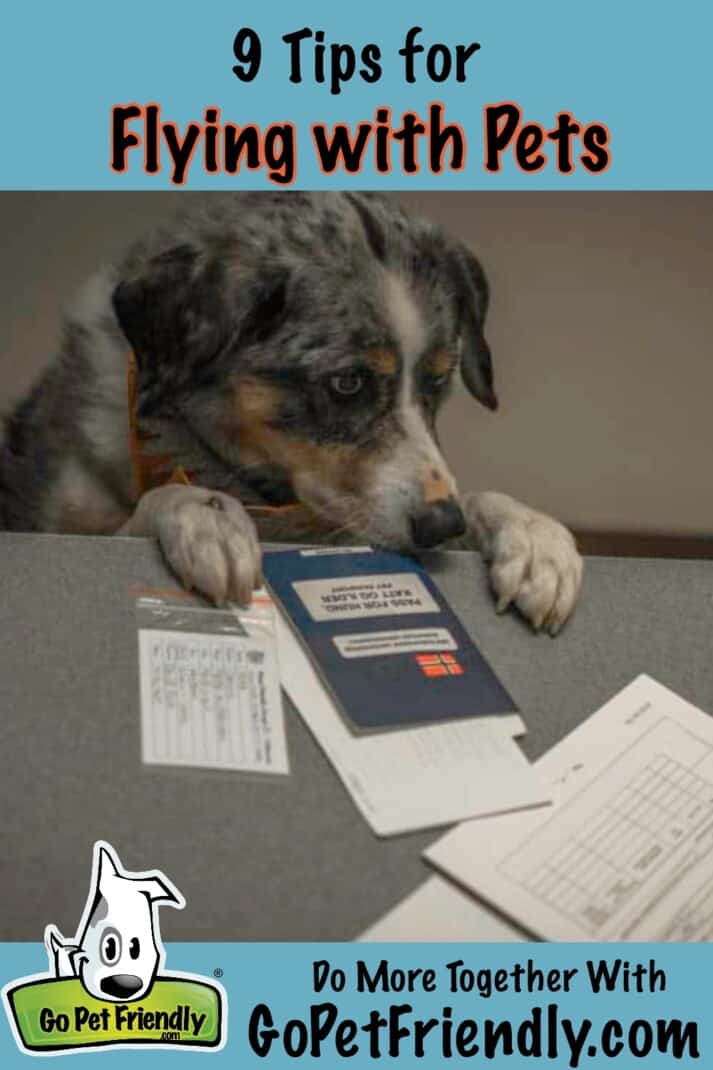
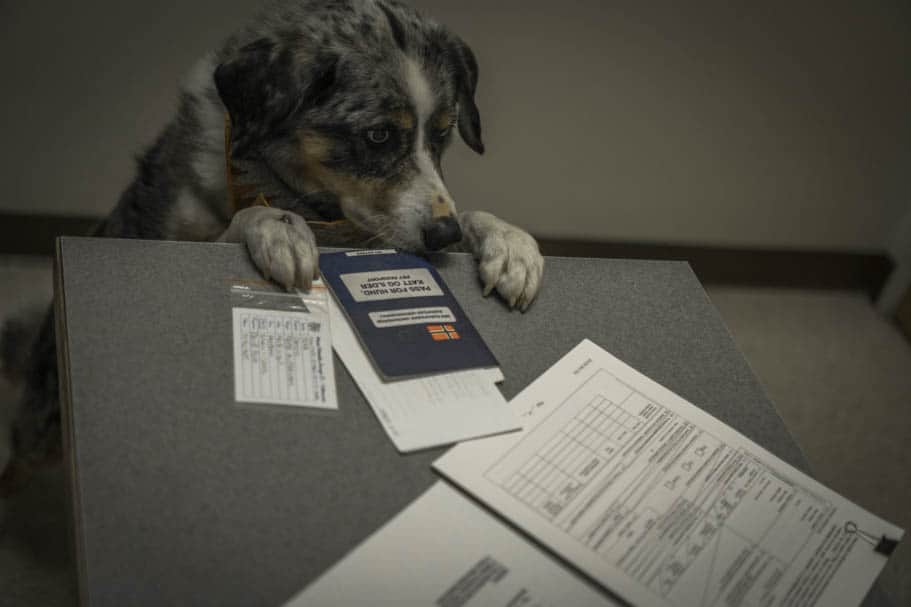
7. Keep Health Documents Exceptionally Organized
Airport checkpoints, TSA agents, airline gate attendants, and destination customs officials may all ask to inspect your pet’s paperwork at various points along your journey. Raging panic is guaranteed if you have to dig through your main luggage for a rabies certificate while a line of frustrated travelers glares at you.
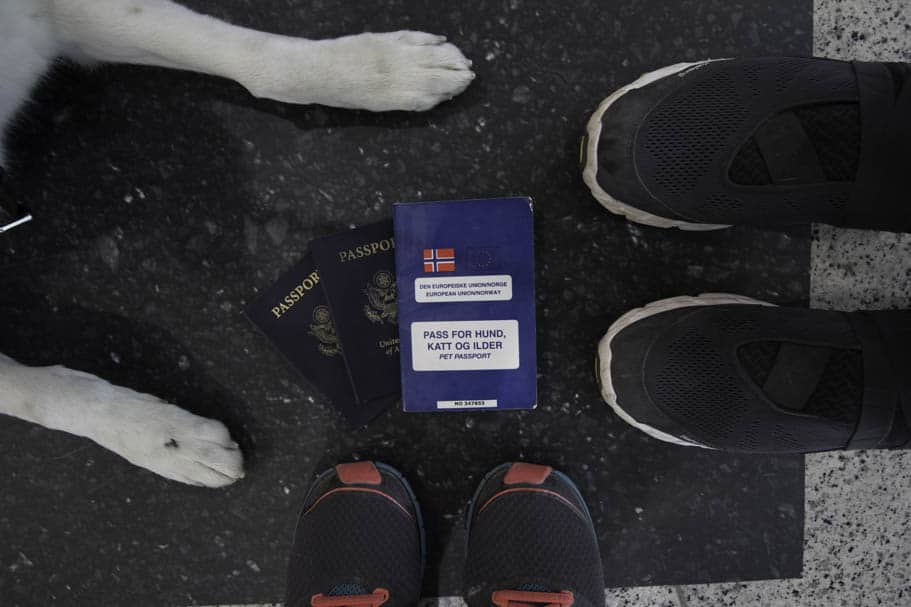
Consolidate all health records, vaccination histories, import permits, and airline pet reservation confirmations into a single, clearly labeled folder. Keep this folder in an easily accessible pocket of your carry-on bag for rapid retrieval.
8. Map Out Airport Pet Relief Areas
Modern airports have made significant strides in accommodating traveling animals, largely driven by regulatory updates like the Air Carrier Access Act. Major hubs now feature designated animal relief areas both pre- and post-security.
Before your departure, map out the locations of these facilities relative to your connecting gates. Keep in mind that some animals may hesitate to use unfamiliar indoor artificial turf relief areas. Packing extra puppy pads in your carry-on ensures you can handle accidents quickly and cleanly in a quiet corner if an emergency arises.
9. Bring a Chew Toy for Takeoff and Landing
Just like humans, animals experience painful pressure imbalances in their middle ears during aircraft ascent and descent. This barometric shift can cause acute discomfort, leading your pet to whine, shake their head, or paw at their ears.
To help them equalize the pressure naturally, pack a long-lasting chew toy or hard, chewy treats. The physical action of chewing stimulates saliva production and encourages swallowing, which opens the Eustachian tubes and relieves ear pressure seamlessly.
Official Responses and Regulatory Perspectives
Aviation authorities and animal welfare organizations maintain strict guidelines regarding live animal transport to balance commercial efficiency with animal safety.
The Federal Aviation Administration (FAA) emphasizes that airline policies regarding pet travel are determined by individual carriers rather than federal mandates. The FAA advises passengers to check directly with airlines regarding environmental controls in cargo holds, structural requirements for carriers, and weight limitations.
Meanwhile, the Department of Transportation (DOT) monitors service and emotional support animal regulations closely, enforcing protections for passengers with disabilities while permitting airlines to establish clear boundary lines for household pets. In official statements, industry bodies reiterate that safety relies heavily on owner preparation:
"The responsibility of an animal’s comfort in flight is shared. While airlines must maintain climate-controlled environments and safe handling procedures on the ground and in the air, the owner holds the ultimate duty of care in preparing the animal’s health, mental state, and containment equipment prior to arrival at the airport."
Implications: The Future of Pet-Inclusive Travel
As society increasingly views pets as core members of the family unit, the pressure on the travel and hospitality sectors to accommodate animals continues to rise. For airlines, managing this demographic successfully carries significant financial and operational implications.
Carriers that adopt streamlined, pet-friendly policies—such as transparent fee structures, expanded cabin allowances, and well-maintained airport relief infrastructure—foster intense brand loyalty among a massive demographic of consumers. Conversely, airlines that maintain archaic, overly restrictive, or opaque policies risk alienating modern travelers who refuse to vacation or relocate without their animal companions.
Ultimately, flying with a pet remains an intricate operational challenge, but it is no longer an insurmountable barrier. By treating the journey as an exercise in disciplined planning—consulting veterinarians, respecting breed biology, acclimating pets to their crates, and keeping documentation meticulously organized—travelers can navigate the skies with confidence. With the right preparation, both you and your furry companion can step off the plane at your destination ready to explore the world together.