
By: Global Travel & Lifestyle Desk
Published: October 24, 2023 (Updated)
For many pet parents, the mere thought of navigating a bustling airport terminal while managing a carrier, luggage, and a nervous animal induces instant heart palpitations. Between tangled reservation requirements, rapidly shifting airline regulations, and underlying safety concerns, air travel with companion animals can feel like an insurmountable logistical maze.
Yet, for those relocating across oceans or pressed for time, driving is simply not an option. Millions of pets take to the skies every year across the United States alone. While media coverage tends to focus on rare tragedies and high-profile mishaps, the vast majority of animals transported by air arrive safely at their destinations.
Ensuring that your pet is part of that successful majority begins well before you step foot inside an airport. From understanding airline policies to acclimating your animal to a carrier, a safe and smooth flight requires rigorous preparation, patience, and attention to detail. Drawing on insights from seasoned travelers, veterinarians, and pet owners, here are nine essential strategies to help you and your companion navigate the friendly skies safely and comfortably.
Main Facts: What You Need to Know Before You Book
Flying with a pet is vastly different today than it was a decade ago. Airlines have tightened their parameters regarding cabin versus cargo travel, documentation verification, and breed-specific constraints.
- The Scale of Travel: Millions of pets fly annually in the U.S. alone, divided primarily between those traveling in the cabin beneath the seat in front of you and those checked as baggage or cargo.
- Documentation is King: Airlines and destination authorities (including state and international agriculture departments) have strict health clearance windows—frequently requiring veterinary health certificates issued within 10 days of travel.
- The Sedation Warning: Major veterinary associations universally advise against sedating pets for flights unless explicitly prescribed for a specific medical condition, as high altitudes impact an animal’s ability to regulate body temperature.
- Advance Planning is Non-Negotiable: Because airlines strictly limit the number of animals permitted per flight, spontaneous pet travel is virtually impossible.
Chronology: The Pet Travel Timeline
Preparing for a flight with a companion animal cannot be done the night before. To ensure a seamless journey, expert travelers recommend adhering to a structured timeline leading up to departure.
Weeks to Months Before: Research and Veterinary Clearance
Your journey begins long before you pack your bags. Start by thoroughly researching the specific pet policies of your chosen airline, paying close attention to carrier dimensions, weight limits, and whether your pet must fly in the cabin or cargo hold. Simultaneously, consult the state veterinarian or international destination requirements to map out mandatory vaccinations, microchipping, and blood titer tests.
4 to 6 Weeks Before: Crate Acclimation
Purchase your approved carrier or travel kennel well in advance. Introduce your pet to the carrier slowly, transforming it into a positive, secure environment ("a den") by feeding them inside it and lining it with familiar bedding and toys.
10 Days Before: The Final Health Check
Schedule your official pre-travel veterinary appointment. This timing ensures that your health certificates and rabies documentation fall safely within the strict validity windows enforced by airlines and agricultural authorities.
Day of Flight: Execution and Relief
Arrive at the airport significantly earlier than standard domestic recommendations. Check in at the ticket counter to verify paperwork, locate terminal pet relief stations, and ensure your pet is relaxed before boarding begins.
Supporting Data & Industry Standards
Navigating airline regulations requires a clear understanding of industry standards and constraints.
1. Speak with Your Veterinarian Early
Your first and most vital step is scheduling an initial health assessment. Beyond evaluating general fitness for travel, your vet will help you establish a roadmap for the secondary appointment required for official travel documentation. Keep in mind that airlines strictly enforce health certificate timelines; arriving at the check-in counter without a certificate dated within the mandatory window (typically 10 days) will result in denied boarding.
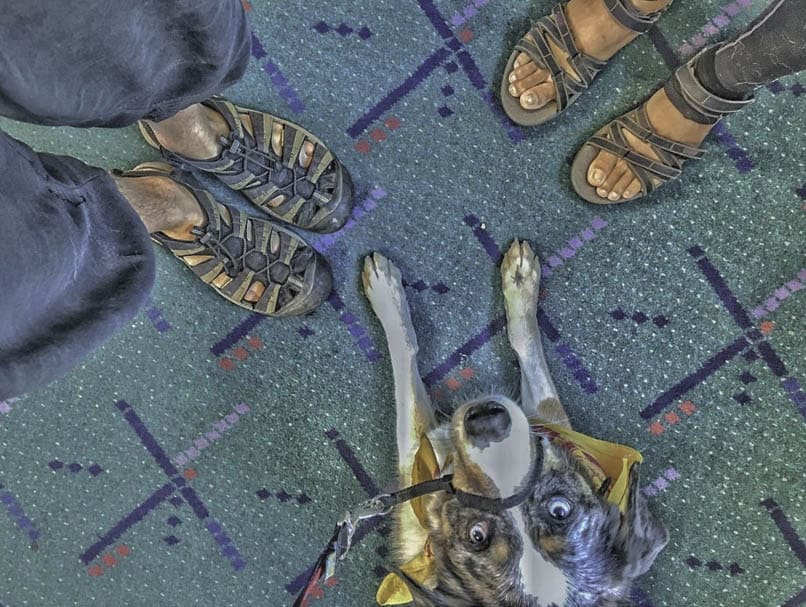
2. Verify Breed Restrictions
Brachycephalic, or "short-nosed," breeds—such as French Bulldogs, English Bulldogs, Pugs, and Boston Terriers—face unique physiological challenges at high altitudes due to compromised respiratory systems. Many major commercial airlines enforce seasonal or permanent embargoes on transporting these breeds in cargo holds during periods of extreme heat or cold.
However, many carriers permit short-nosed pets to fly in the cabin if they fit comfortably within approved under-seat dimensions and weight limits. Always verify these parameters directly with customer service before purchasing non-refundable tickets.
3. Secure Reservations Well in Advance
Airlines enforce strict caps on the total number of animals allowed per aircraft—often limiting cabin pets to four or five per flight, spread across different classes of service. Booking early is critical. If your animal must travel as cargo or you are embarking on an international itinerary, preparation can take months, particularly if destination countries require quarantine or specific rabies antibody titers (such as the stringent requirements for entering Hawaii or the UK).
4. Acclimate Your Pet to the Kennel
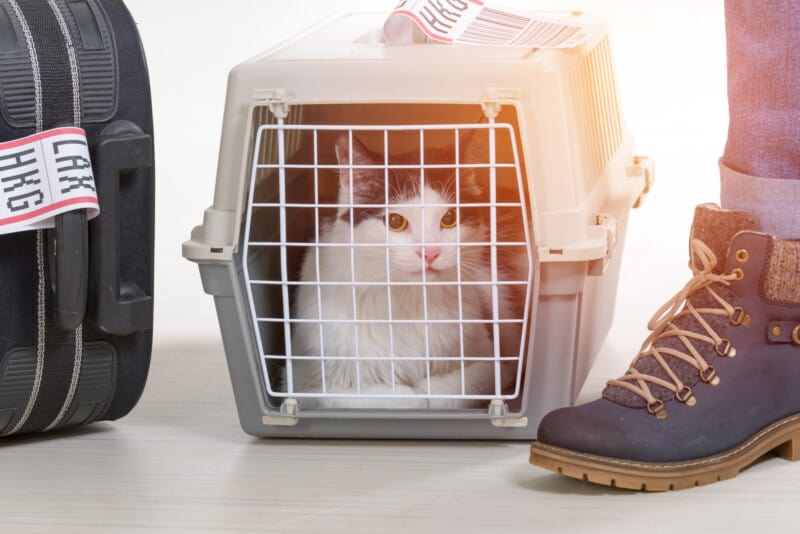
Forcing a pet into an unfamiliar plastic or soft-sided carrier on the morning of a flight is a recipe for acute panic. Instead, treat the carrier as a long-term training project.
- Step One: Leave the carrier door permanently open in a high-traffic area of your home. Place treats, favorite blankets, and toys inside.
- Step Two: Feed your pet their regular meals inside the open carrier.
- Step Three: Once your pet enters eagerly and relaxes inside, begin closing the door for brief intervals (30 seconds to one minute), gradually increasing the duration.
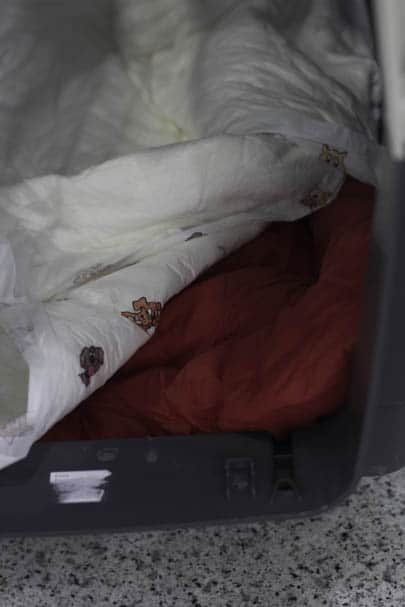
Pro Tip: Line the interior travel bed with disposable puppy pads. Even the most house-trained pets can experience stress-induced accidents during transit.
5. Say No to Unprescribed Sedatives
A common misconception among nervous owners is that a tranquilized pet will sleep peacefully through a turbulent flight. In reality, sedatives and tranquilizers can severely impair an animal’s cardiovascular and respiratory systems at high altitudes, inhibiting their natural ability to regulate core body temperature.
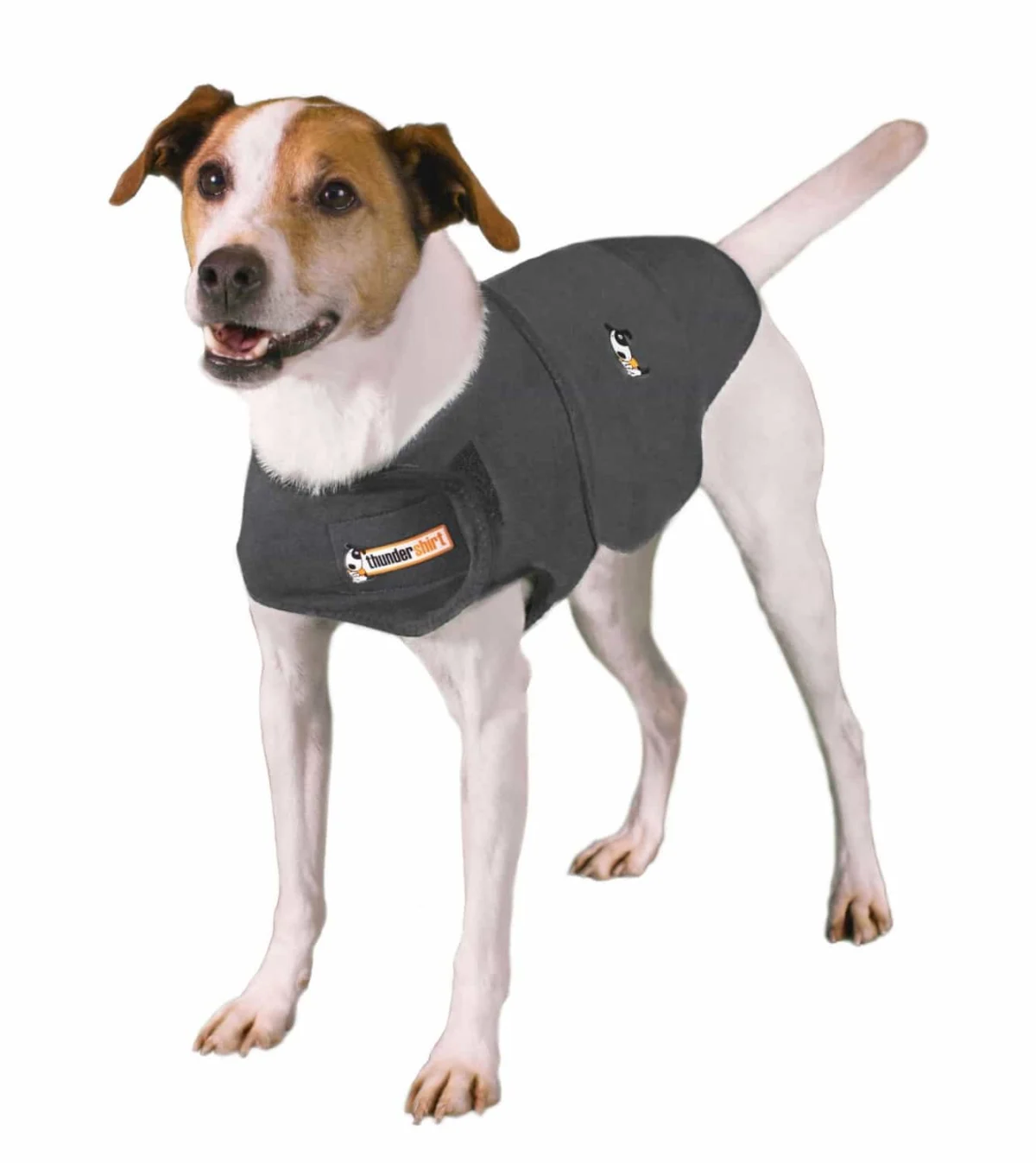
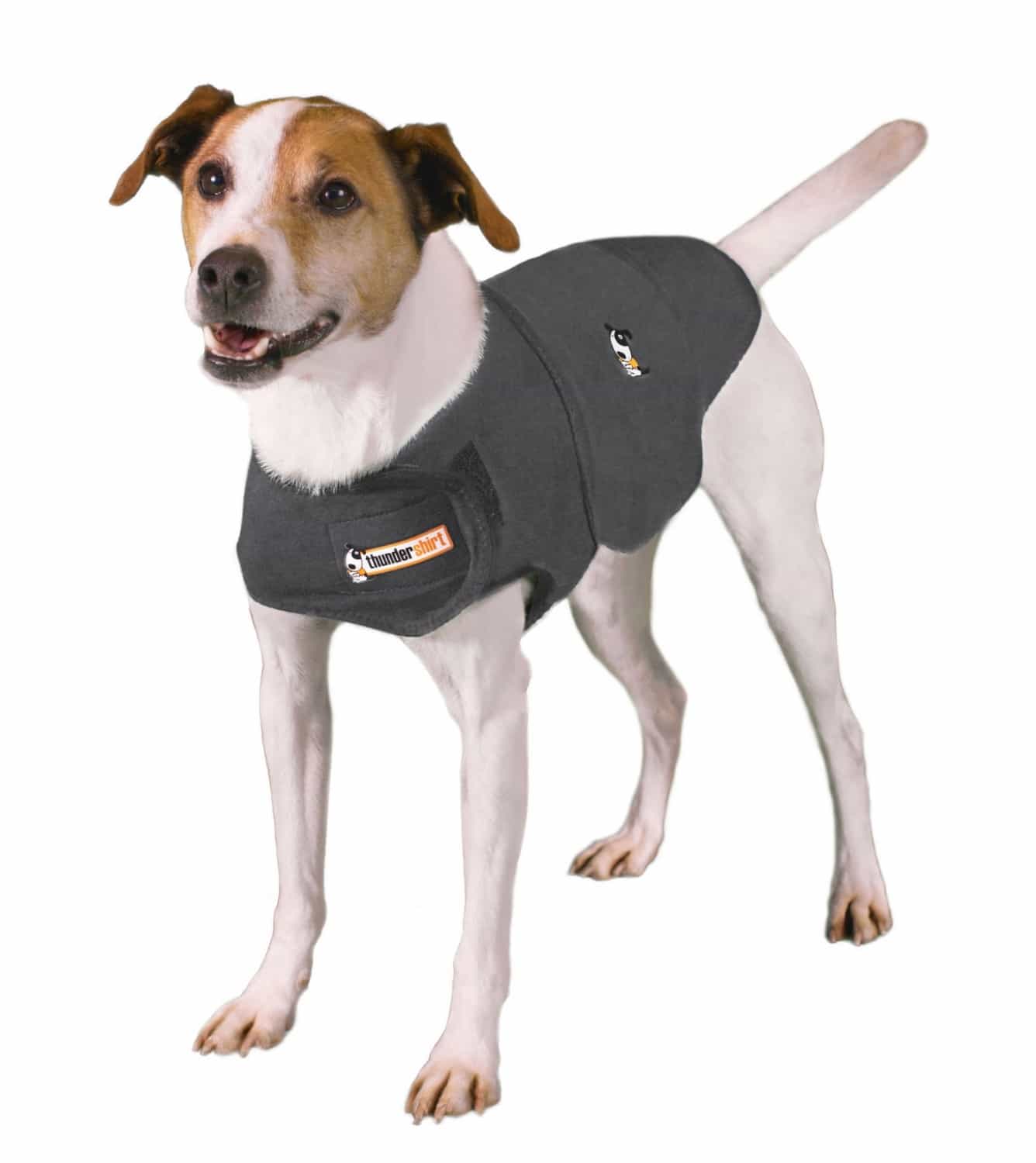
Unless a licensed veterinarian specifically prescribes medication for an underlying medical condition or severe panic disorder, avoid chemical sedatives. Safer alternatives include natural calming drops, pheromone sprays, specialized anxiety wraps (such as thunder shirts), or hemp-derived CBD products—provided the airline permits them and they comply with local laws.
Official Responses and Airline Protocols
Commercial aviation authorities and major carriers maintain rigid protocols to balance passenger comfort with animal welfare.
According to guidelines issued by the Department of Transportation (DOT) and major carrier passenger services, transparency regarding documentation and passenger conduct is paramount.
6. Inquire About Early Boarding
Navigating an aircraft aisle while balancing a pet carrier, a personal item, and rolling luggage is inherently stressful. Many airlines are accommodating to passengers traveling with animals, occasionally granting early boarding privileges upon request at the gate. Asking the gate agent for a few extra minutes to settle your pet into the footwell space can drastically lower anxiety levels for both human and animal.
7. Keep Health Documents Accessible
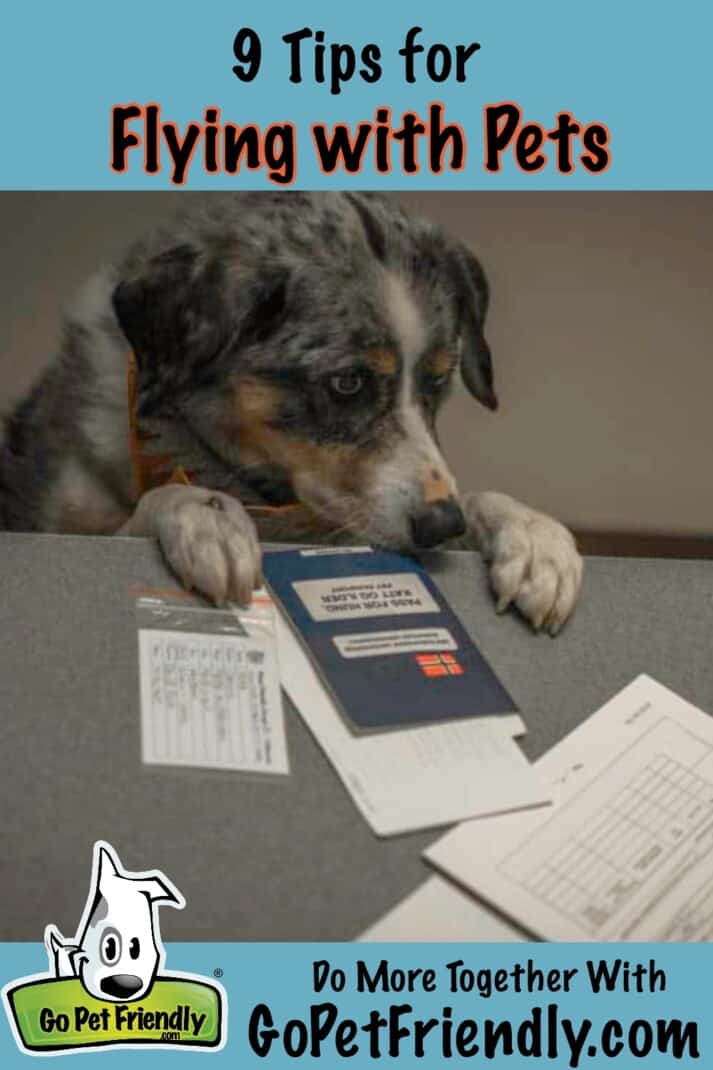
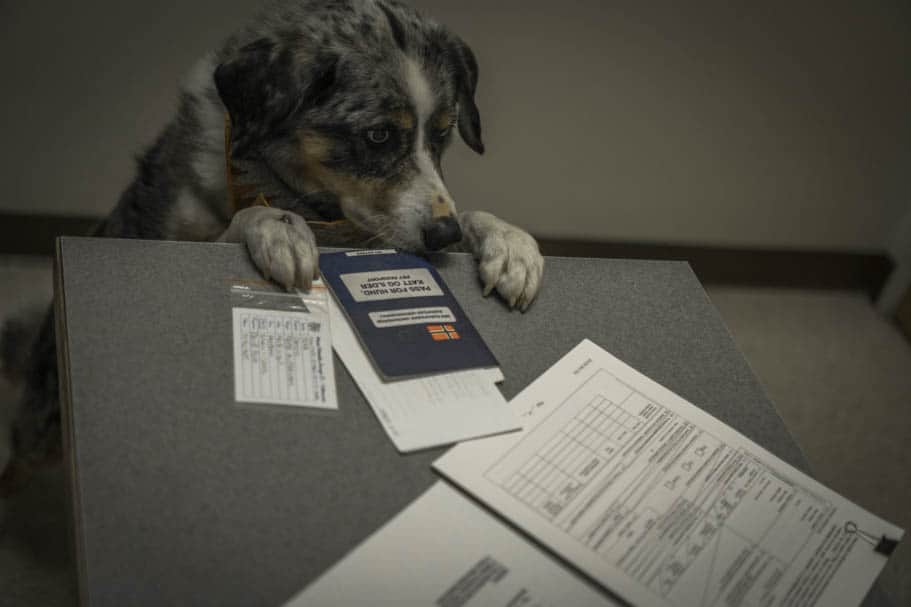
Between ticket counters, security checkpoints, TSA agents, and gate personnel, you may be asked to present your pet’s paperwork multiple times. Store health certificates, vaccination records, and airline pet reservation receipts in a dedicated, easily accessible outer pocket of your carry-on luggage—never buried deep inside the main compartment.
8. Locate Terminal Pet Relief Areas
Federal regulations require major commercial airports to maintain accessible animal relief areas past security checkpoints. Before your flight, review terminal maps to pinpoint the closest relief station, ensuring you can manage potty breaks efficiently during layovers.
If your pet refuses to use synthetic indoor relief patches—or if you encounter an emergency—having spare puppy pads and waste disposal bags on hand will save you from potential airport crises.
9. Mitigate Cabin Pressure Changes for Takeoff and Landing
Just like human passengers, animals experience painful sinus and ear pressure shifts during aircraft ascent and descent. You may notice your pet repeatedly shaking their head or pawing at their ears as cabin altitude shifts. Combat this discomfort by offering a durable chew toy, a long-lasting chew treat, or a favorite lickable snack during takeoff and landing. The repetitive jaw motion naturally equalizes pressure in the eustachian tubes.
Implications: The Future of Pet-Inclusive Travel
As domestic and international pet ownership continues to surge—accelerated heavily by lifestyle shifts over the past several years—airlines face mounting consumer pressure to modernize and humanize their animal transport policies.
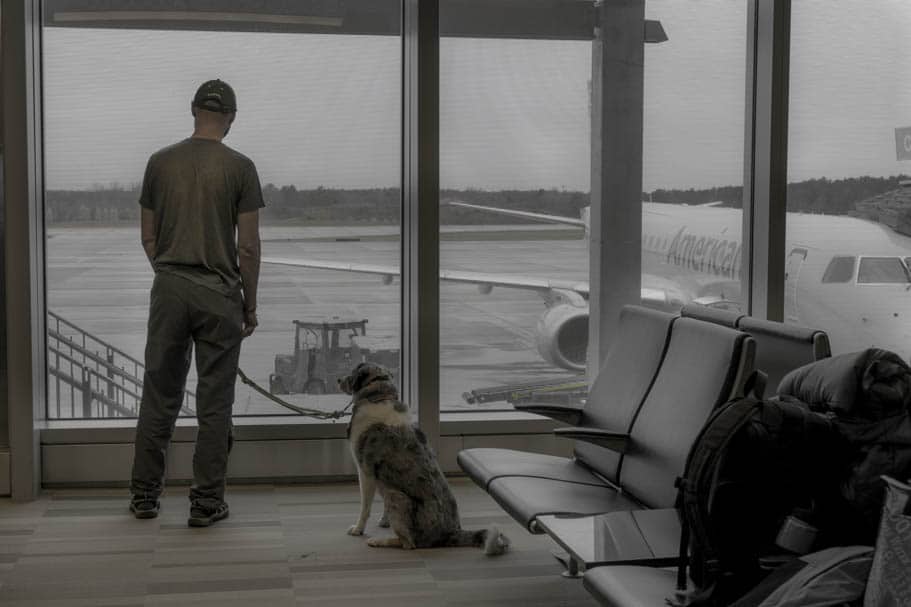
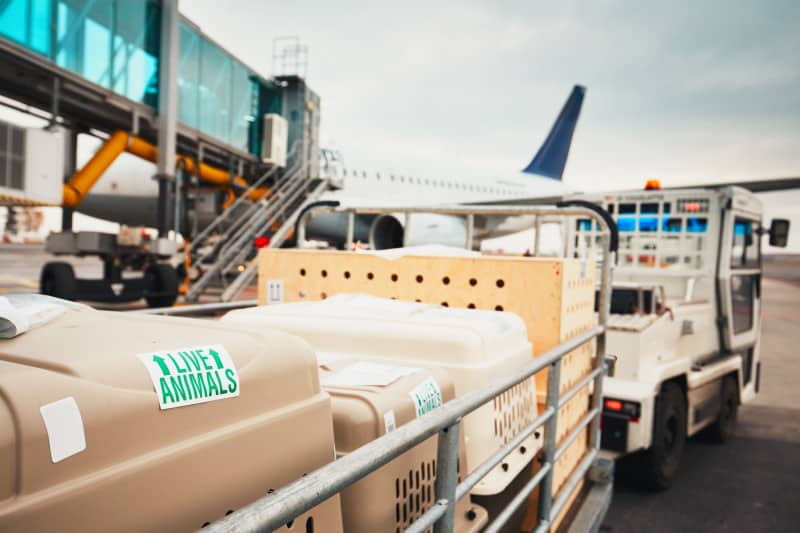
While historical incidents have occasionally cast a shadow over pet air travel, increased public scrutiny has pushed carriers to invest heavily in specialized tarmac tracking systems, climate-controlled cargo holds, and improved staff training regarding animal welfare. Concurrently, advocacy groups continue to lobby for standardized cabin regulations across international borders, aiming to eliminate the bewildering patchwork of carrier-specific rules that currently frustrates global travelers.
Ultimately, successful air travel with a pet is a partnership. By respecting your animal’s behavioral limits, investing time in crate training, and collaborating closely with veterinary and airline professionals, you can transform a daunting logistical hurdle into the gateway to your next great adventure together.