
In an era where pet owners are increasingly invested in the health and longevity of their canine companions, the demand for transparent, scientifically backed nutritional advice has never been higher. Recently, Good Housekeeping published a guide titled “8 Dog Food Brands Vets Actually Recommend,” positioning itself as a beacon of reliability for pet parents. By consulting with two veterinarians, Dr. Alejandro Caos and Dr. Megan Conrad, the publication sought to distill complex nutritional science into actionable advice.
However, according to industry experts and consumer advocates, the article falls short of its mandate. Critics argue that the advice provided not only relies on outdated misconceptions regarding dental health but also fails to address the critical, often opaque distinctions between “feed grade” and “human grade” manufacturing standards. For pet owners, this represents a missed opportunity to truly understand what goes into their animals’ bowls.
The Myth of the “Crunchy” Clean: Examining Dental Health Claims
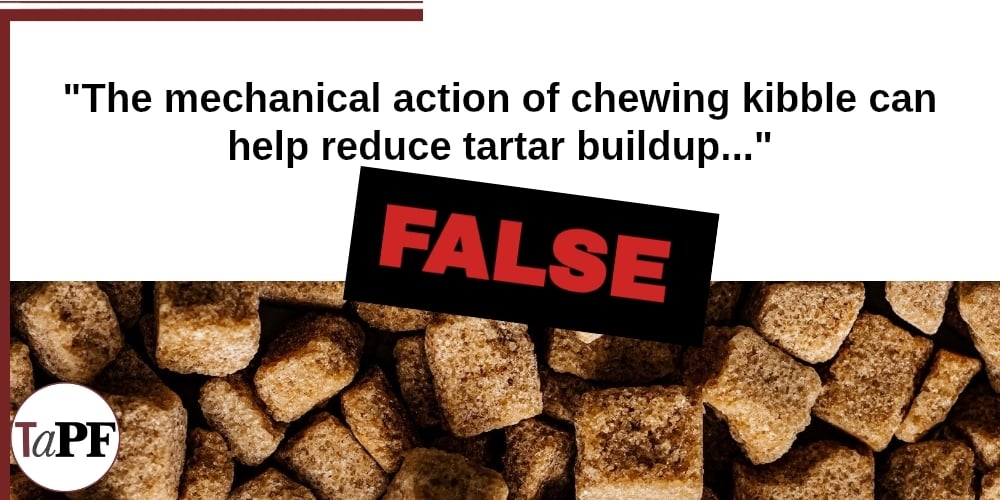
The centerpiece of the Good Housekeeping recommendations was the designation of Nutro Ultra Dry Dog Food as the “Best Overall” choice. The justification provided by Dr. Caos centers on the mechanics of kibble: “The crunchy texture can help promote dental health,” he claims. “The mechanical action of chewing kibble can help reduce tartar buildup and maintain healthier teeth and gums, while the abrasive action of chewing can help scrape away plaque.”
For those familiar with veterinary dentistry and pet nutrition science, this statement is medically contentious. The prevailing consensus among veterinary dental specialists is that standard kibble does not effectively reduce tartar or plaque buildup. In fact, most kibble shatters upon impact, failing to provide the sustained abrasive friction required to clean tooth surfaces.
Only specific products that have undergone rigorous testing and received the Veterinary Oral Health Council (VOHC) seal of acceptance can legitimately make claims regarding tartar reduction. Nutro Ultra does not hold this designation. By perpetuating the myth that “crunchy” equals “clean,” the advice risks lulling pet owners into a false sense of security regarding their dog’s oral hygiene, potentially delaying necessary dental care.
Vague Definitions: The Problem with “High-Quality” and “Balanced”
Beyond dental health, the article relies on broad, industry-standard buzzwords that offer little utility to the discerning consumer. Dr. Caos suggests that “healthy dog food should provide balanced nutrition, use high-quality ingredients, [and] promote proper digestion.”
While these principles are undeniably correct in theory, they lack the specific context required for modern pet ownership. What constitutes “high-quality”? In the pet food industry, the term is marketing-heavy and legally undefined. Similarly, Dr. Conrad’s recommendation of Purina ProPlan, described as “one of the most nutritionally balanced options on the market,” leaves critical questions unanswered. Without a clear explanation of why this product is superior to its competitors—or how “nutritionally balanced” is measured beyond AAFCO (Association of American Feed Control Officials) minimum standards—the advice remains superficial.
The Missing Link: Human Grade vs. Feed Grade
Perhaps the most significant oversight in the Good Housekeeping report is the failure to distinguish between "human grade" and "feed grade" pet foods. Among the recommendations, only Ollie Pet Food is identified as human grade, yet the article brushes this aside, describing it merely as a “homemade-looking dinner.”
This distinction is fundamental to pet safety. "Feed grade" products are subject to entirely different regulatory standards than human-grade products. Critically, the FDA has previously stated that it exercises "enforcement discretion" regarding the inclusion of diseased animals or animals that died outside of the slaughter process in animal food, provided the food is processed in a way that kills pathogens.
By failing to educate readers on this disparity, Good Housekeeping missed a chance to inform pet owners about the safety spectrum of the pet food industry. Understanding whether a product is manufactured to human standards or feed standards is, for many, the most important factor in choosing a brand.

Chronology of a Disconnect: From Recommendations to Reality
The disconnect between mainstream media advice and the complexities of pet food regulation can be traced through the following timeline:
- Pre-20th Century to Present: The shift from home-prepared diets to commercial kibble creates a reliance on mass-market veterinary consensus.
- Establishment of AAFCO Standards: The development of the Official Publication (OP) of AAFCO creates a baseline for nutritional minimums, which many veterinarians use as their sole benchmark for quality.
- The Publication of "8 Dog Food Brands": Good Housekeeping publishes its recommendations, relying on standard veterinary talking points that emphasize broad nutritional adequacy over ingredient sourcing or safety protocols.
- The Critical Response: Pet food consumer advocates, including Susan Thixton, identify the inaccuracies, specifically highlighting the dental health misinformation and the lack of regulatory transparency.
- The Ongoing Dialogue: Advocates reach out to the publication, noting that the veterinarians consulted—while well-meaning—appear to be operating on a lack of granular knowledge regarding the Official Publication and the reality of industry-wide enforcement discretion.
Implications for the Modern Pet Owner
The implication of this situation is clear: pet owners must move beyond trusting headlines and start asking hard questions. When a veterinarian or a media outlet makes a broad recommendation, the consumer should treat it as the starting point of an investigation, not the conclusion.
How to Vet Your Vet’s Advice
If your veterinarian makes claims about “quality ingredients” or “nutritionally balanced” diets, you are well within your rights to ask for clarification. Consider the following questions:
- Defining Quality: "Can you define ‘high-quality ingredients’ in this context? Does it refer to the sourcing, the nutritional profile, or the manufacturing grade (human vs. feed)?"
- Nutritional Evidence: "When you say a food is ‘nutritionally balanced,’ are you referring to meeting the absolute minimums set by AAFCO, or is there peer-reviewed data regarding bioavailability and long-term health outcomes for this specific brand?"
- Clinical Experience vs. Industry Marketing: "Is this recommendation based on your own clinical observations of my pet, or is it based on industry-standard literature provided by the manufacturer?"
Conclusion: A Call for Accountability
Good Housekeeping boasts a 125-year history of evaluating products and advocating for consumers. However, in the complex, highly regulated, and often murky world of pet nutrition, that legacy is tested when advice is based on outdated tropes rather than the current regulatory landscape.
The veterinarians consulted for the article are likely not "bad" doctors; they are representatives of a broader veterinary educational system that often overlooks the nuances of pet food manufacturing, regulations, and the stark difference between feed-grade and human-grade ingredients.

For the average pet parent, the lesson is one of empowerment. Do not assume that a brand is "best" simply because it is recommended by a trusted media source or a general practitioner. Continue to demand transparency. Hold brands accountable for their sourcing, and hold the experts accountable for their advice. In the pursuit of your pet’s health, your skepticism is perhaps your most valuable tool.
By engaging in respectful, fact-based dialogue with veterinarians and seeking out resources that track regulatory changes—such as the AAFCO Official Publication—owners can ensure they are making the most informed decisions possible. The standard for pet food should be transparency, and the only way to achieve it is by consistently asking: What is actually in this bowl, and why?