BEND, Oregon — Horse owners and equestrian communities across Central Oregon are on high alert following recent reports from the Oregon Department of Agriculture (ODA). The agency has officially confirmed new cases of pigeon fever—a painful and highly contagious bacterial infection—affecting equine populations in both Crook and Deschutes counties.
The outbreak, which has been formally logged with the Equine Disease Communication Center (EDCC), highlights the ongoing vulnerability of regional livestock during the peak transmission season. State veterinarians and local agricultural extension offices are urging horse owners to heighten biosecurity measures, closely monitor their animals for early signs of illness, and consult veterinary professionals immediately if symptoms arise.
Main Facts: The Central Oregon Outbreak
The latest epidemiological updates provided by the EDCC outline a concerning spread of Corynebacterium pseudotuberculosis, the soil-borne bacterium responsible for pigeon fever. The disease derives its common name from the characteristic pectoral swelling it often causes, which can make the horse’s chest resemble the puffed-out breast of a pigeon.
The geographical distribution of the current cases involves two neighboring Central Oregon counties:
- Crook County: Public health tracking confirms that one horse has tested positive for pigeon fever. Additionally, two other horses in the immediate vicinity have been officially classified as exposed, placing them under active monitoring by local veterinary authorities.
- Deschutes County: The situation is more extensive in Deschutes County, where one horse has tested positive, two additional horses are strongly suspected of carrying the infection pending final diagnostic results, and a concerning 19 horses have been identified as exposed.
While pigeon fever is rarely fatal when treated promptly, its management can be protracted, painful, and financially burdensome for horse owners. The simultaneous appearance of confirmed cases, suspected infections, and dozens of exposed animals has prompted agricultural authorities to issue comprehensive advisories aimed at halting further transmission before the winter freeze sets in.
Chronology of Events and Disease Surveillance
Understanding the timeline of infectious disease outbreaks is critical for containing transmission routes. While the exact index case (the first animal infected) in this Central Oregon cluster has not been publicly pinpointed by state epidemiologists, the timeline of discovery and reporting follows a structured public health framework.
Late Summer to Early Fall: The Seasonal Window
Pigeon fever is inextricably linked to seasonal shifts. Veterinary entomologists note that the bacterium thrives in dry, dusty soil conditions typically prevalent across the high desert landscapes of Central Oregon during late summer and early autumn. As pastures dry out and dust levels rise, the environmental load of Corynebacterium pseudotuberculosis increases significantly.
Diagnostic Confirmation and EDCC Reporting
In recent weeks, local equine practitioners in Crook and Deschutes counties evaluated horses presenting with atypical swelling, lethargy, and localized discomfort. Upon physical examination and subsequent laboratory diagnostics—including bacterial cultures and blood titers—veterinarians confirmed the presence of Corynebacterium pseudotuberculosis.
Following standard biosecurity protocols, attending veterinarians and diagnostic laboratories reported these findings to the Oregon Department of Agriculture. The ODA subsequently verified the data and transmitted formal alerts to the Equine Disease Communication Center. The EDCC integrated these reports into its national health-watch network, ensuring that regional and national stakeholders received verified, real-time updates regarding the outbreak’s scope.
Ongoing Monitoring Phase
As of this week, veterinary teams and state agricultural officials are maintaining active surveillance over the affected facilities in Crook and Deschutes counties. Quarantines and movement restrictions, where applicable, have been discussed with facility managers to prevent the inadvertent transport of subclinical or exposed animals across county and state lines.
Supporting Data and Veterinary Science: Understanding Pigeon Fever
To comprehend the gravity of the Central Oregon outbreak, it is essential to examine the pathology of pigeon fever, its vectors, and the environmental factors that fuel its spread.
What is Pigeon Fever?
Pigeon fever—medically known as Corynebacterium pseudotuberculosis infection or pigeon breast—is an infectious disease primarily affecting equids, though it can occasionally impact cattle and other livestock. The causative agent is a hardy, facultative intracellular bacterium capable of surviving in the soil and manure for extended periods.
In horses, the disease typically manifests in three distinct clinical forms:
- Pectoral Abscesses (External Infection): This is the most common presentation. Abscesses form deep within the pectoral muscles (chest) or along the ventral midline (belly). These abscesses fill with thick, pale-green or odorless purulent exudate (pus).
- Internal Infection: A less common but far more serious form where abscesses develop in internal organs, such as the liver, spleen, kidneys, or lungs. This form can cause chronic weight loss, fever, and colic-like symptoms, carrying a significantly higher mortality rate.
- Ulcerative Lymphangitis: An infection of the lymphatic vessels, usually in the lower limbs, leading to painful swelling, lameness, and ulcerated nodules.
Transmission Dynamics
Unlike respiratory pathogens that spread via airborne droplets, Corynebacterium pseudotuberculosis relies on physical contact with contaminated environments or mechanical vectors.
- Skin Penetration: The bacteria enter the horse’s body through microscopic abrasions, cuts, or insect bites. Soil contaminated with discharge from ruptured abscesses serves as a primary reservoir.
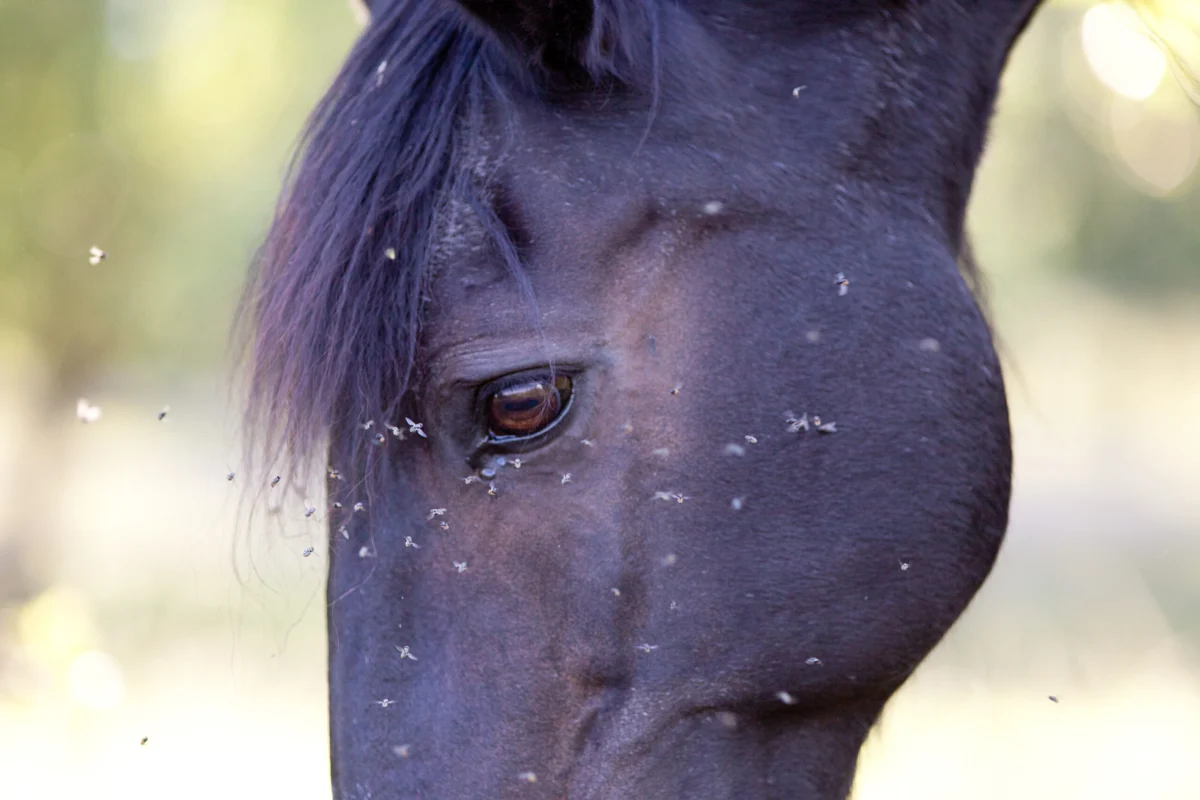
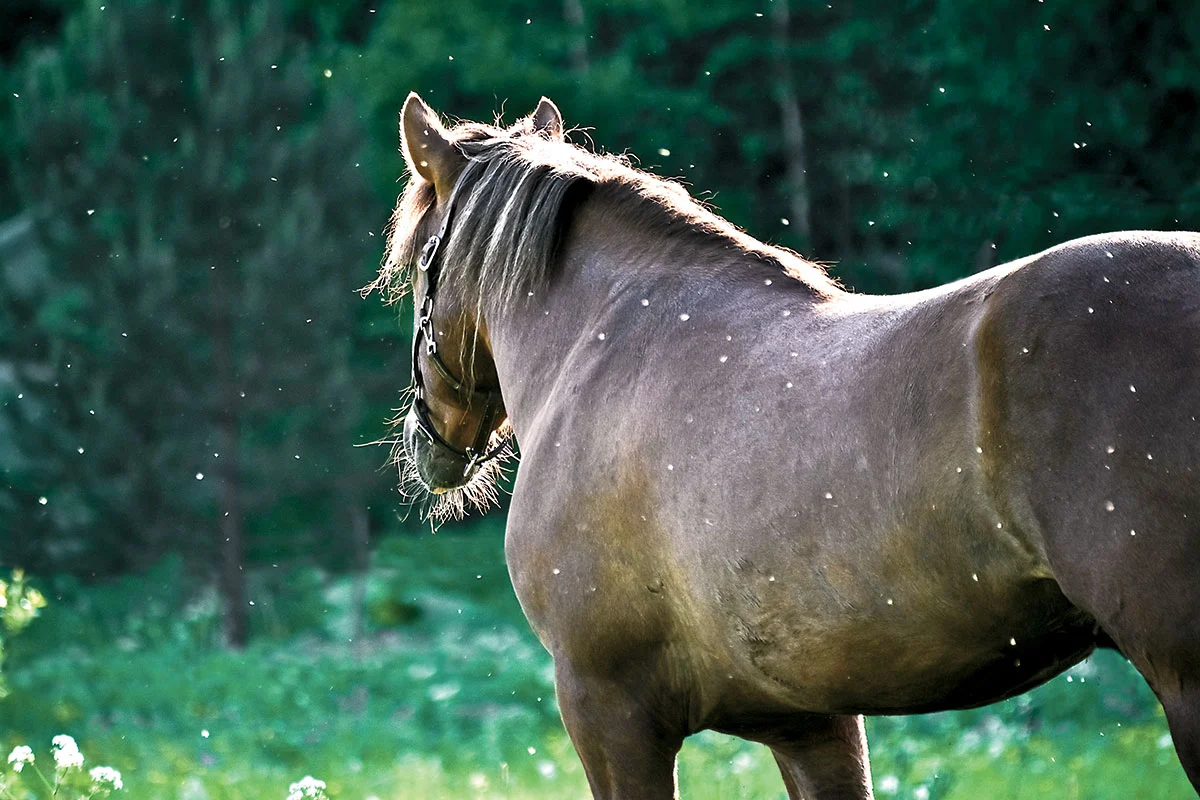
- Insect Vectors: House flies (Musca domestica), stable flies, and horn flies play a critical role in mechanical transmission. Flies feed on the discharge of active abscesses and subsequently transfer the bacteria to open wounds or skin pores on other horses.
- Fomites: Shared equipment, grooming tools, halters, feed troughs, and contaminated fencing can harbor the bacterium, facilitating indirect transmission between herd mates.
[Infected Horse / Soil Reservoir]
        │
        ├──> (Direct Contact with Wounds) ──> New Infection
        ├──> (Insect Vectors / Flies)   ──> New Infection
        └──> (Shared Fomites / Tools)   ──> New Infection
Official Responses and Industry Guidance
In response to the growing case counts in Crook and Deschutes counties, agricultural and veterinary organizations have mobilized resources to educate the public and curb the outbreak.
The Oregon Department of Agriculture continues to work in tandem with local livestock inspectors and private practitioners to monitor herd health. State veterinarians emphasize that while pigeon fever is endemic to certain regions of the western United States, spikes in incidence require vigilance from the entire equestrian community.
The Role of the Equine Disease Communication Center (EDCC)
The dissemination of this critical health data is facilitated by the EDCC Health Watch, an industry marketing and communication program powered by the Equine Network. The EDCC operates as an independent, transparent nonprofit organization dedicated to protecting the North American horse industry from the threats of infectious diseases.
Supported entirely by industry donations, grants, and stakeholder contributions, the EDCC provides open-access data to veterinarians, horse owners, and event organizers. By aggregating verified state-level reports, the center empowers equestrian communities to make informed decisions regarding travel, biosecurity, and herd management without falling victim to unverified rumors or social media panic.
Implications for Horse Owners and the Equestrian Industry
The outbreak in Crook and Deschutes counties serves as a timely reminder of the delicate balance required in managing equine health, particularly during seasonal transitions. The implications of this outbreak stretch across multiple facets of horse ownership:
Economic and Operational Impact
For boarding stables, training facilities, and breeding farms, managing an outbreak of pigeon fever can be disruptive and costly. Treatment of external abscesses often requires intensive veterinary intervention, including surgical lancing, daily flushing with antiseptic solutions, and prolonged courses of non-steroidal anti-inflammatory drugs (NSAIDs). In some cases, systemic antibiotics are warranted, though veterinary consensus cautions that indiscriminate antibiotic use can sometimes prolong the maturation of abscesses.
Furthermore, properties with confirmed cases face operational constraints. Facility managers must isolate sick animals, restrict visitor access, and implement rigorous sanitation protocols to protect the remaining equine population.
Essential Biosecurity and Prevention Protocols
To mitigate the risk of infection and prevent the introduction of Corynebacterium pseudotuberculosis to unaffected herds, equine health professionals recommend adhering to a strict regimen of preventative measures:
- Wound Care and Hygiene: Immediately clean, disinfect, and cover any cuts, scrapes, or skin abrasions on horses. Bacteria require a compromised skin barrier to initiate infection.
- Fly Control Management: Because insects act as primary mechanical vectors, maintaining an aggressive fly control program is paramount. This includes utilizing fly masks, sheets, and sprays, as well as managing manure and eliminating standing water sources to reduce fly breeding habitats.
- Sanitation of Equipment: Avoid sharing grooming tools, tack, blankets, and feed buckets between different horses without thorough cleaning and disinfection.
- Quarantine New Arrivals: Implement a strict biosecurity protocol for any new horses entering a property. Isolate them for a minimum of two to three weeks and monitor them daily for signs of fever, lethargy, or atypical swelling.
- Environmental Management: Minimize dust in paddocks and arenas where possible, as high dust levels can irritate equine skin and facilitate bacterial entry through micro-abrasions.
Veterinary Consultation
Horse owners who observe unusual swellings—particularly on the chest, underline, or groin area—along with lethargy or a reluctance to move, must contact their veterinarian immediately. Early detection allows for prompt medical management, reducing the severity of the infection and minimizing the risk of spreading the bacteria to herd mates.
As the ODA and local veterinarians continue to monitor the situation in Crook and Deschutes counties, the equestrian community’s adherence to these foundational biosecurity practices will remain the single most effective tool in containing the spread of pigeon fever.