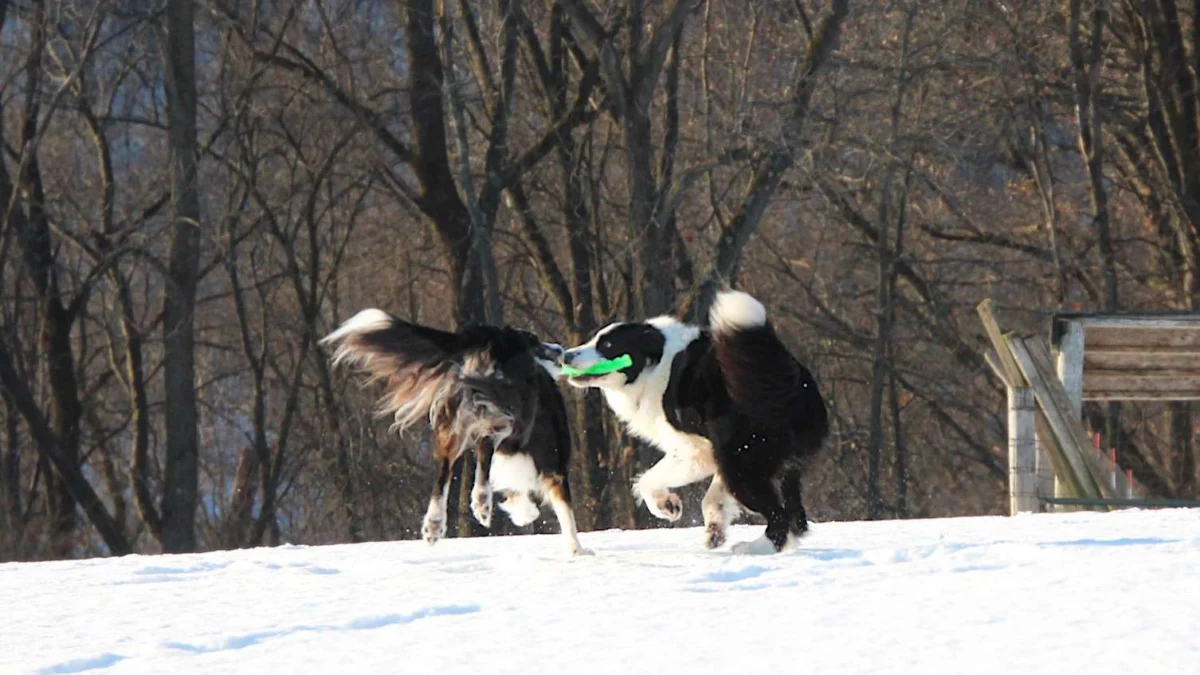

For decades, pet owners and animal behaviorists have grappled with a specific, perplexing profile of canine behavior: the dog that is bright and capable of learning, yet seemingly unable to sustain focus, control impulses, or regulate high-energy outbursts. Often dismissed as "poor training" or "excessive energy," this behavior is increasingly being viewed through the lens of modern neuroscience. Could our canine companions truly suffer from Attention-Deficit/Hyperactivity Disorder (ADHD)?
The Clinical Evolution: From "High-Energy" to Neurodivergence
The journey toward understanding canine ADHD began in the margins of veterinary science. Early behaviorists, such as Dr. Patricia McConnell, recall encountering dogs—like "Bear," an adolescent Old English Sheepdog—whose behavior defied standard obedience protocols. These dogs demonstrated a paradoxical cognitive state: they would master a new cue with lightning speed, only to appear entirely incapable of recalling it minutes later.
In the early 1990s, preliminary reports from veterinary practitioners suggested that certain dogs exhibited classic symptoms of ADHD, leading to experimental, albeit controversial, treatments using stimulants like Ritalin. While the medical community has since cautioned against such off-label pharmaceutical interventions, these early experiences laid the groundwork for a more nuanced scientific inquiry.

Chronology of Scientific Inquiry
The scientific validation of ADHD in dogs has been a slow, deliberate process spanning over twenty years:
- The Early 90s: Anecdotal evidence emerges from private practice as behaviorists notice distinct patterns of extreme impulsivity and inattention in young dogs.
- 2006: A landmark study from Adam Miklósi’s lab in Hungary introduces a modified version of the ADHD Rating Scale—a tool traditionally used for human children—to evaluate canine behavior. This provided researchers with a standardized metric to measure impulsivity, attention deficits, and hyperactivity in dogs.
- The 2010s to Present: Research has shifted from merely labeling behaviors to understanding the underlying neurophysiology. Collaboration between human pediatric neurologists and veterinary behaviorists has identified common markers in both species, including difficulties in executive function and emotional regulation.
Supporting Data: Identifying the Symptoms
It is crucial to distinguish between a "high-energy" dog and one with ADHD. A high-energy dog may be an excellent candidate for agility training or long-distance running, provided they have the ability to focus and eventually settle. A dog with ADHD, conversely, struggles with the management of energy and impulses.
According to current veterinary consensus, diagnostic markers for canine ADHD include:

- Impaired Executive Function: The inability to sustain attention on a task, even when the dog is motivated by high-value rewards.
- Emotional Reactivity: A lower threshold for frustration, often resulting in "acting out" when the dog is denied access to a stimulus.
- Contextual Memory Lapses: While the dog can learn a command, the ability to generalize that command across different environments is frequently compromised.
- Heightened Sensitivity: Emerging research suggests that, much like in humans, neurodivergent dogs may be more reactive to physical discomfort and more susceptible to anxiety-related disorders.
Professional Perspectives and Diagnostic Challenges
Dr. Kristina Spaulding, author of The Stress Factor in Dogs, emphasizes that diagnosing ADHD is not a matter of a simple behavioral checklist. It requires a comprehensive assessment of the animal’s environment, health, and history.
"The modern understanding of ADHD is shifting away from the ‘hyperactivity’ label," says Dr. Spaulding. "It is far more about the internal struggle to maintain focus and the external struggle to manage emotions."
Experts advise that if an owner suspects their dog has ADHD, they should seek a consultation with a board-certified veterinary behaviorist. These professionals can differentiate between ADHD and other conditions such as hyperkinesis, thyroid imbalances, or simple under-stimulation. The National Institutes of Health (NIH) provides critical resources on the neurophysiology behind these conditions, suggesting that treatment is rarely about "curing" the dog, but rather creating an environment that supports their unique cognitive needs.

The Human Connection: A Reflective Mirror
The study of canine ADHD has prompted a unique sociological side effect: many pet owners and trainers have realized that their own experiences with ADHD mirrors the struggles of their animals. This realization is not merely poetic; it is a testament to the shared mammalian brain architecture.
For those with ADHD, the world is often a chaotic stream of sensory input. When a human trainer with ADHD works with a dog exhibiting similar traits, the relationship often becomes one of mutual understanding. Strategies like structured routines, minimizing distractions, and utilizing "super-focus" periods—where the dog is allowed to excel in specific, high-interest activities—have proven successful for both human and canine.
Implications for Future Care and Training
The formal recognition of ADHD in dogs has profound implications for animal welfare. It shifts the burden of guilt from the owner and the "fault" from the dog.

1. Shift in Training Philosophies
Traditional obedience training, which relies on long, repetitive drills, may be actively detrimental to a dog with ADHD. Instead, trainers are advocating for "micro-training"—short, high-intensity sessions that capitalize on the dog’s ability to focus in short bursts before the brain enters a state of cognitive fatigue.
2. Environmental Engineering
Owners are encouraged to create "low-stimulus" zones in the home. Just as a human with ADHD might benefit from a clean, quiet workspace, a dog with ADHD often requires a structured, predictable environment to lower baseline anxiety levels.
3. Integrative Health Approaches
The conversation around ADHD has reignited the importance of gut health, diet, and physical wellness. Because ADHD is increasingly linked to systemic inflammation and autoimmune responses, a holistic approach—focusing on high-quality nutrition and moderate, structured exercise—is now considered the gold standard of care.

A Balanced Life: Navigating the Storms
While the medical and behavioral conversation around canine neurodivergence continues to evolve, it serves as a reminder of the complexity of the animals we share our lives with. Whether a dog is struggling with a clinical diagnosis or simply possesses a spirited, high-intensity temperament, the approach to care remains anchored in empathy.
Life, as seen in both our domestic settings and our backyards, is often a mix of "storms and berries." We may face the "widow makers" of life—the sudden, uncontrollable crises like extreme weather or unexpected health challenges—but we also find the quiet, sweet moments of connection.
For the owner of a dog with ADHD, the path forward is not to "fix" the dog, but to provide a scaffold upon which they can succeed. By focusing on environmental management, professional support, and an appreciation for the unique, albeit scattered, genius of the canine mind, we can ensure that these dogs live fulfilling, balanced lives. As we continue to learn more about the biological underpinnings of attention, we move closer to a world where "different" is no longer a negative label, but a starting point for better, more compassionate care.