
For many, cats are enigmatic companions whose complex emotional landscapes are often misunderstood. While they are renowned for their stoic independence, felines are deeply sensitive creatures that thrive on predictability, security, and mutual respect. Although cats are remarkably forgiving of their owners’ learning curves, persistent exposure to certain human behaviors can lead to chronic stress, anxiety, and a fractured bond between pet and parent.
To foster a harmonious household, it is essential to look at the world through a feline lens. By identifying the triggers that cause our cats distress, we can adjust our habits to create a more nurturing, empathetic environment.
The Core Conflict: Why Feline Comfort Matters
At the heart of cat behavior lies an evolutionary drive for control. In the wild, cats are both predators and prey, making them hyper-vigilant of their surroundings. When we introduce chaos—whether through physical handling, environmental disruption, or lack of routine—we inadvertently trigger a stress response. Chronic stress in cats does not just manifest as "grumpiness"; it can lead to physiological health issues, including feline idiopathic cystitis, appetite loss, and immune system suppression.
The following analysis details the top 10 human behaviors that typically clash with feline biology and psychology, providing a roadmap for better coexistence.
1. The Peril of Abrupt Environmental Changes
Cats are creatures of habit. Their internal maps are built upon the consistency of their environment. When a human decides to rearrange furniture, adopt a new pet without a slow introduction, or suddenly switch a preferred brand of kibble, the cat’s sense of safety is compromised.
Chronology of Adaptation:
When an environmental change occurs, a cat’s initial response is often concealment. They may retreat under furniture or behind closed doors for days. This is not defiance; it is a defensive survival mechanism. To mitigate this, experts recommend "environmental enrichment" and gradual integration. If you are moving to a new home or introducing a new family member, use pheromone diffusers and create "safe zones" where the cat can observe the change from a distance without being forced to engage immediately.
2. The Necessity of Pristine Sanitation
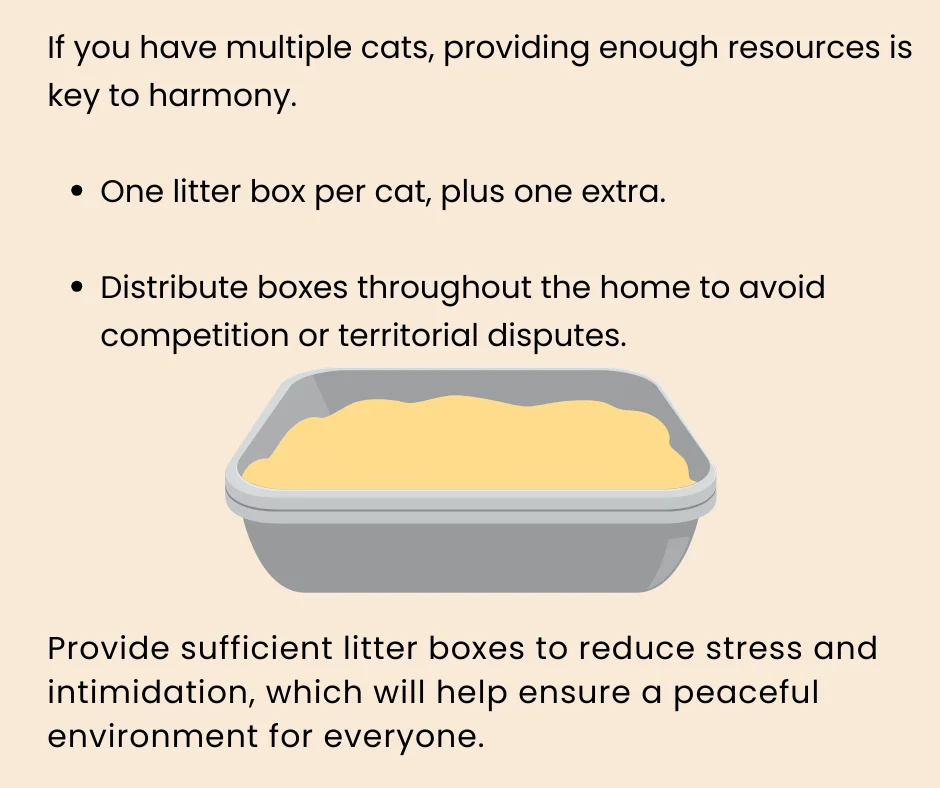
A dirty litter box is perhaps the most significant point of friction in a multi-species household. Humans often underestimate the feline sense of smell, which is significantly more acute than our own. A box that is not scooped at least twice daily is, to a cat, equivalent to a human being forced to use an unflushed toilet.
Supporting Data:
Veterinary behavioral studies consistently show that "inappropriate elimination"—the act of urinating or defecating outside the box—is the number one reason cats are surrendered to shelters. In the vast majority of these cases, the issue is not behavioral "spite," but a reaction to an unclean resource. The solution is simple: a strict maintenance schedule and the avoidance of scented litters, which can be chemically overwhelming to a cat’s sensitive olfactory system.

3. The Belly Rub Fallacy
There is a pervasive myth that a cat rolling over to expose its stomach is an invitation for a belly rub. In reality, this is a display of trust, not a request for tactile stimulation.
The abdomen is a cat’s most vulnerable area, housing vital organs. When a cat exposes its belly, it is saying, "I trust you enough to show you my most sensitive part." When a human reacts by reaching out to touch or rub that area, the cat often feels its trust has been violated, resulting in a defensive nip or a swift retreat. Respecting this boundary is crucial for long-term emotional trust.
4. The Impact of Acoustic Stress
Human homes are often filled with high-decibel stimuli: surround-sound televisions, loud vacuum cleaners, and energetic gatherings. Because cats possess a much broader hearing range than humans, these sounds are amplified in their perception.
Implications of Noise Sensitivity:
Constant exposure to high-volume environments can keep a cat in a state of high-alert hypervigilance. If your household is naturally loud, ensure your cat has a "quiet retreat"—a room or a high-up cat tree located away from the primary noise source. Furthermore, never place food, water, or litter boxes in high-traffic, noisy areas. A cat will not feel secure enough to eat or eliminate if it feels its personal space is being constantly encroached upon by sonic disruption.

5. Respecting the Choice to Interact
Forcing interaction is a primary driver of feline-human tension. While we view our cats as companions who should want to be near us at all times, they require autonomy.
Official Behavioral Stance:
Animal behaviorists emphasize "choice-based training." This means allowing the cat to initiate contact. If a cat walks away, do not pursue them. If a guest enters the home, do not force the cat to be held. By letting the cat dictate the terms of the interaction, you build a "bank account" of trust. When a cat knows it can walk away at any time, it is statistically more likely to return for affection on its own terms.
6. The Science of Handling: Hugs vs. Security
Human expressions of love—like tight hugs—are often interpreted by cats as predatory restraint. In the feline world, being pinned down is a sign of danger.
- Proper Handling: Always ensure that when a cat is held, its feet have support. A dangling cat feels insecure.
- Child-Cat Dynamics: Educate children on how to read a cat’s body language. If the tail begins to thrash, the ears flatten, or the skin on the back twitches, the cat is telling you it is time to be put down. Ignoring these signs is the fastest way to invite a scratch.
7. Why Punishment Never Works
In the realm of animal training, punishment is an antiquated and counterproductive tool. If a cat is scratching the sofa, it is not "being bad"—it is fulfilling a biological need to stretch its muscles and mark its territory.

The Alternative Approach:
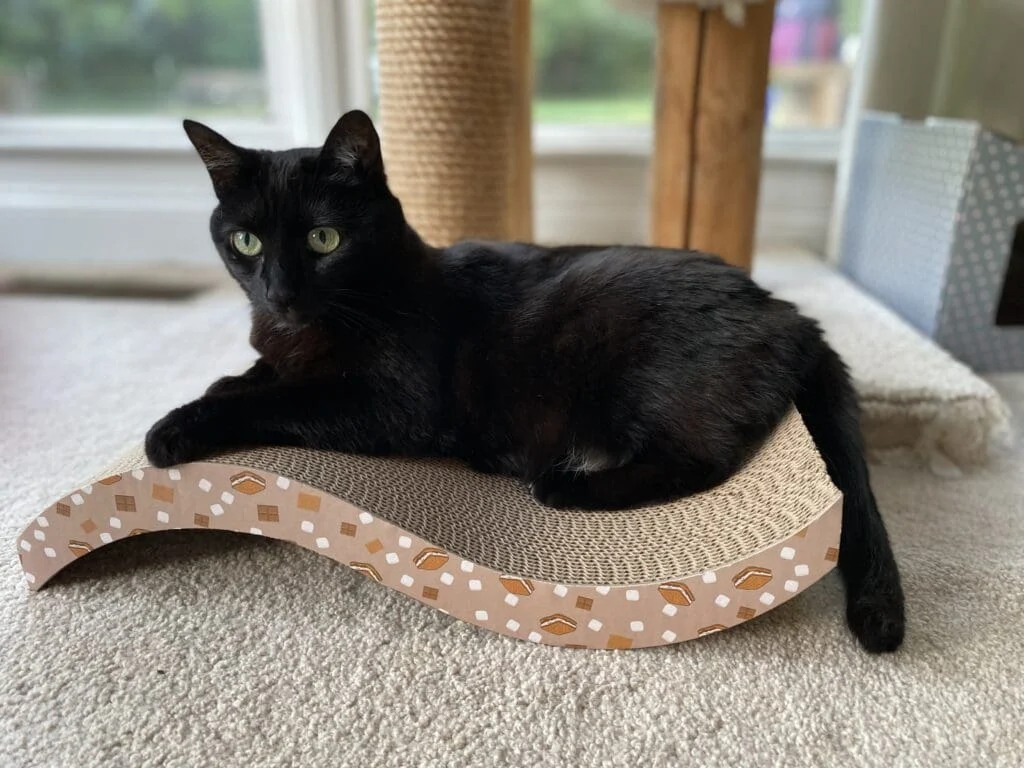
Instead of shouting or using spray bottles, provide a better alternative. Place a sturdy scratching post directly next to the object they are currently targeting. Use positive reinforcement (treats and verbal praise) when they use the post. Punishment only serves to make the cat afraid of you, not the behavior. It damages the bond and fosters an environment of anxiety.
8. Decoding Feline Body Language
Cats are masters of non-verbal communication. A flick of the tail, a slow blink, or the dilation of pupils can tell you exactly how a cat is feeling.
- The Slow Blink: A sign of love and contentment.
- The Tense Body/Swishing Tail: A sign of irritation or impending aggression.
- The Ears: Forward ears indicate curiosity; ears pinned back indicate fear or anger.
By becoming a student of these cues, you can stop a conflict before it starts. If you see the signs of agitation, stop the interaction immediately and give the cat space.
9. The Hidden Dangers of Strong Scents
Human aesthetics often rely on strong fragrances—perfumes, plug-in air fresheners, and heavily scented cleaning agents. To a cat, whose sense of smell is roughly 14 times more sensitive than a human’s, these scents can be physically sickening.

Avoid using harsh chemicals near the cat’s feeding or sleeping areas. Opt for unscented, natural cleaning products. If a cat is refusing to use a perfectly clean litter box, consider if the culprit is a new, heavily perfumed litter brand.
10. The Power of Routine
Finally, the importance of a consistent schedule cannot be overstated. From the timing of breakfast to the evening play session, routine provides the structural framework for a cat’s day. When life becomes unpredictable, the cat’s anxiety spikes. If you have a busy lifestyle, try to keep the feeding and play times as rigid as possible. This predictability is the foundation of a calm, well-adjusted, and happy cat.
Conclusion: Fostering a Lasting Bond
The transition from being an "owner" to a "partner" begins with recognizing that a cat’s needs are rooted in survival and security. By eliminating these 10 common stressors, you are not just improving your cat’s behavior; you are deepening a relationship built on mutual respect.
Every cat is an individual with unique boundaries. By observing, adapting, and responding to their cues, you create a sanctuary that allows your feline friend to truly flourish. Remember, the best-behaved cats are not the ones who are controlled, but the ones who feel secure, heard, and deeply loved.