By Paige K. Parsons
Rabbits are enigmatic companions. As prey animals, their evolutionary instinct is to mask illness at all costs—a biological defense mechanism designed to prevent them from appearing vulnerable to predators in the wild. For the modern rabbit owner, this creates a significant challenge: by the time a rabbit shows obvious signs of distress, the condition is often already in an advanced, critical stage.
Understanding the delicate physiology of a rabbit is not merely an act of care; it is a necessity for survival. To ensure a long, healthy life for these sensitive creatures, owners must transition from passive observers to proactive guardians, capable of identifying subtle behavioral shifts before they evolve into medical emergencies.
Main Facts: The Physiology of Vulnerability
The primary fact every rabbit owner must grasp is that rabbits are "high-metabolism" animals with unique digestive and dental requirements. Unlike dogs or cats, whose illnesses may manifest slowly over weeks, a rabbit’s health can deteriorate in a matter of hours.
The Digestive Imperative
The rabbit’s gastrointestinal tract is a complex, sensitive machine that requires constant movement. This process, known as gut motility, is fueled by a high-fiber, hay-based diet. When this system stalls—a condition known as GI Stasis—it is not merely an "upset stomach." It is a life-threatening crisis that requires immediate intervention.
The Constant Growth Factor
A rabbit’s teeth, specifically their incisors and molars, grow continuously throughout their lives. In nature, the act of foraging and chewing tough, abrasive plant matter keeps these teeth in check. In captivity, a lack of appropriate dietary fiber or genetics can lead to malocclusion, causing teeth to overgrow, penetrate the gums, or prevent the rabbit from eating entirely.
Chronology of Care: Recognizing the Warning Signs
To effectively monitor a rabbit, one must establish a baseline. What does a "normal" rabbit look like? They should be bright-eyed, alert, and socially engaged. They should move with fluidity, groom themselves regularly, and maintain a consistent appetite.
The Early Warning Window
When illness strikes, it rarely begins with a collapse. Instead, it starts with "micro-symptoms."
- The 0–6 Hour Window: The rabbit may become slightly quieter than usual. They might refuse a favorite treat. They may sit in the corner of their enclosure for an extended period, ignoring their surroundings.
- The 6–12 Hour Window: The production of fecal pellets may decrease in size or number. The rabbit may start to exhibit a "hunched" posture, attempting to stretch out in a way that suggests abdominal discomfort.
- The 12–24 Hour Window: The rabbit stops eating entirely. At this point, the condition has become a medical emergency. Delaying veterinary care beyond this point significantly lowers the prognosis for recovery.
Supporting Data: Addressing Common Health Crises
The following table summarizes the most frequent health threats faced by domestic rabbits and the clinical rationale for their severity.
| Condition | Primary Cause | Clinical Implication |
|---|---|---|
| GI Stasis | Diet, stress, or pain | Complete digestive shutdown leading to toxin buildup. |
| Dental Disease | Insufficient hay/chewing | Sharp points (spurs) cut the tongue and cheeks. |
| Snuffles | Pasteurella bacteria | Chronic respiratory distress and systemic infection. |
| Flystrike | Poor hygiene/damp fur | Maggots consume tissue; rapid sepsis occurs. |
| Heat Stroke | Environmental temp > 80°F | Organ failure due to inability to dissipate heat. |
Gastrointestinal (GI) Stasis: The Silent Killer
GI Stasis is arguably the most pervasive threat. It is often triggered by stress, dietary imbalances, or underlying pain (such as dental discomfort). When the gut stops moving, gas builds up, causing immense pain. The rabbit enters a cycle of pain-induced anorexia, which further slows the gut. Action: Veterinary intervention must include fluids for hydration, prokinetic medication to restart the gut, and analgesics for pain management.
Dental Disease: The Hidden Pain
Because rabbits cannot easily communicate oral pain, they often hide dental issues until they are unable to swallow. Symptoms like a "wet chin" (from drooling) or dropping food while chewing are late-stage indicators. Routine veterinary exams are essential to catch these issues before they lead to permanent jaw damage.
Respiratory Infections ("Snuffles")
Often misdiagnosed as simple "colds," Pasteurella multocida infections are stubborn. If left untreated, they can migrate to the ears, causing head tilt (torticollis) and balance issues. Keeping a clean, dust-free environment and minimizing stress are the cornerstones of prevention.
Official Responses and Veterinary Standards
The veterinary community, specifically organizations like the House Rabbit Society, emphasizes that standard veterinary training often lacks the depth required to treat rabbits. Because rabbits are classified as "exotic" animals, their anesthesia, drug dosages, and surgical techniques are vastly different from those used for companion dogs or cats.
The "Rabbit-Savvy" Standard
When seeking care, owners should specifically ask for a veterinarian who specializes in exotics. A rabbit-savvy vet understands:
- Drug Contraindications: Many common antibiotics used for dogs are lethal to rabbits because they destroy the delicate balance of the rabbit’s gut flora.
- Anesthesia Sensitivity: Rabbits have a high risk of respiratory depression under anesthesia. Specialized protocols are required for safety.
- Anatomy: The rabbit’s small, narrow airway and unique dental structure require specialized tools for intubation and dental procedures.
Implications: The Path Forward
The survival of a pet rabbit depends almost entirely on the vigilance of the owner. If you notice your rabbit hiding, refusing food, or showing a change in bowel movements, the implication is clear: do not wait. The "wait and see" approach is the most common cause of preventable mortality in rabbits.
Creating a Preventative Lifestyle
To mitigate these risks, owners should focus on these four pillars of health:
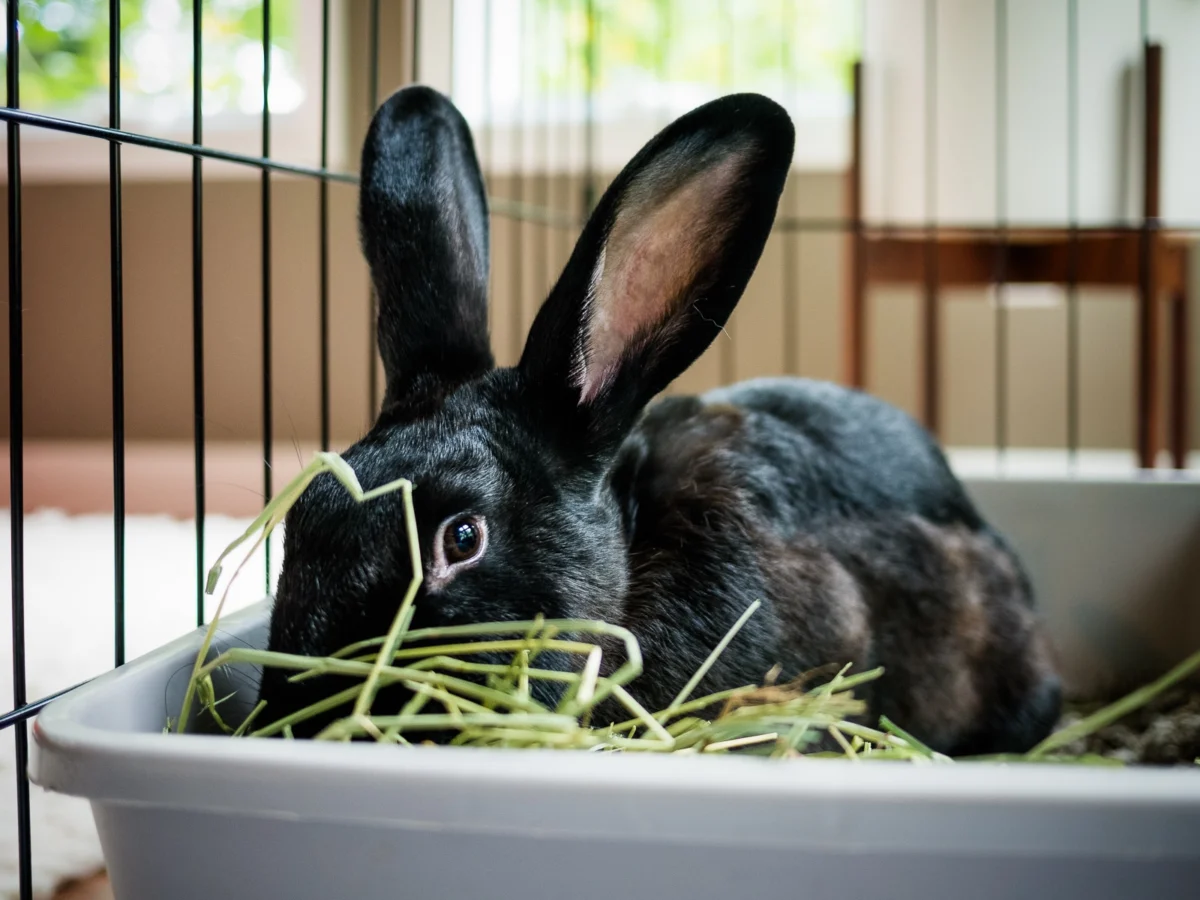
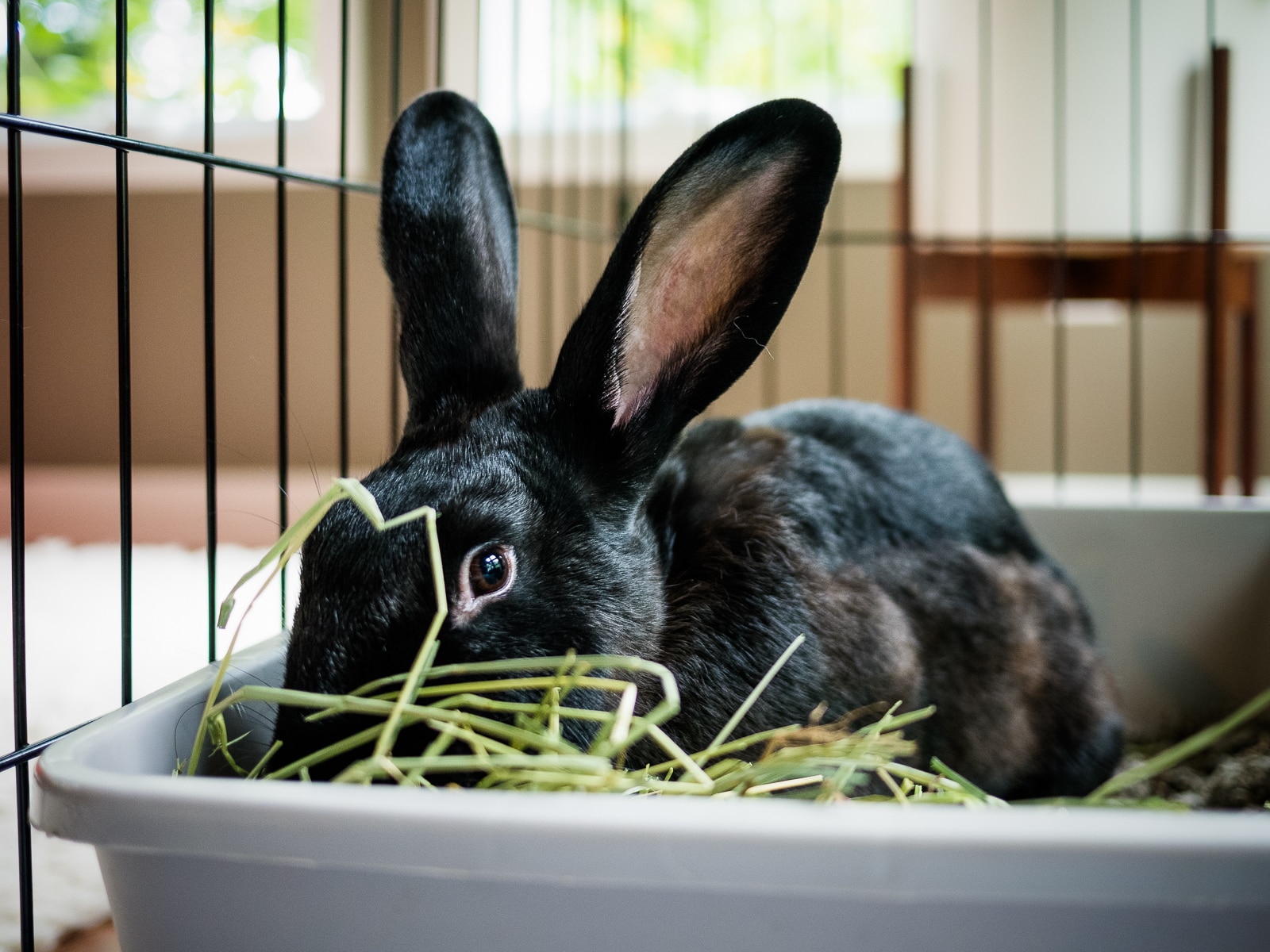
- Diet: 80-90% of the daily intake must be high-quality grass hay. This provides the fiber necessary for dental wear and gut motility.
- Environment: The home must be temperature-controlled. Rabbits thrive between 60°F and 75°F. Anything higher increases the risk of heat stroke.
- Hygiene: Daily checks of the rabbit’s rear end are mandatory, particularly for older or overweight rabbits, to prevent the buildup of waste that attracts flies.
- Routine Monitoring: Weigh your rabbit weekly. Sudden weight loss is often the first indicator of dental or internal health issues.
When to Seek Emergency Care
Emergency intervention is mandatory if you observe:
- Complete loss of appetite for more than 12 hours.
- Visible maggots or foul odors.
- Labored breathing or open-mouth breathing.
- Sudden lethargy or inability to stand.
- Head tilt or loss of balance.
Final Thoughts on Rabbit Welfare
The journey of owning a rabbit is one of deep connection and subtle communication. By learning to read their silent cues and prioritizing a diet and environment that mirrors their evolutionary needs, owners can move past the fear of illness and into a state of confident, informed care.
If you are currently looking for a partner in your rabbit’s health, utilize the Rabbit Vet Directory to find a professional who views your rabbit not as a "pocket pet," but as a complex, sentient individual deserving of the highest standard of specialized medicine. Prevention is not just about avoiding disease; it is about providing the foundation upon which a happy, thriving, and long-lived rabbit is built.
Remember: A healthy rabbit is a curious rabbit. When that curiosity fades, your role as an advocate begins.