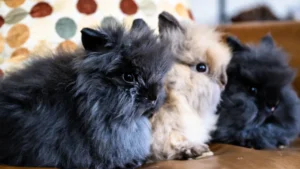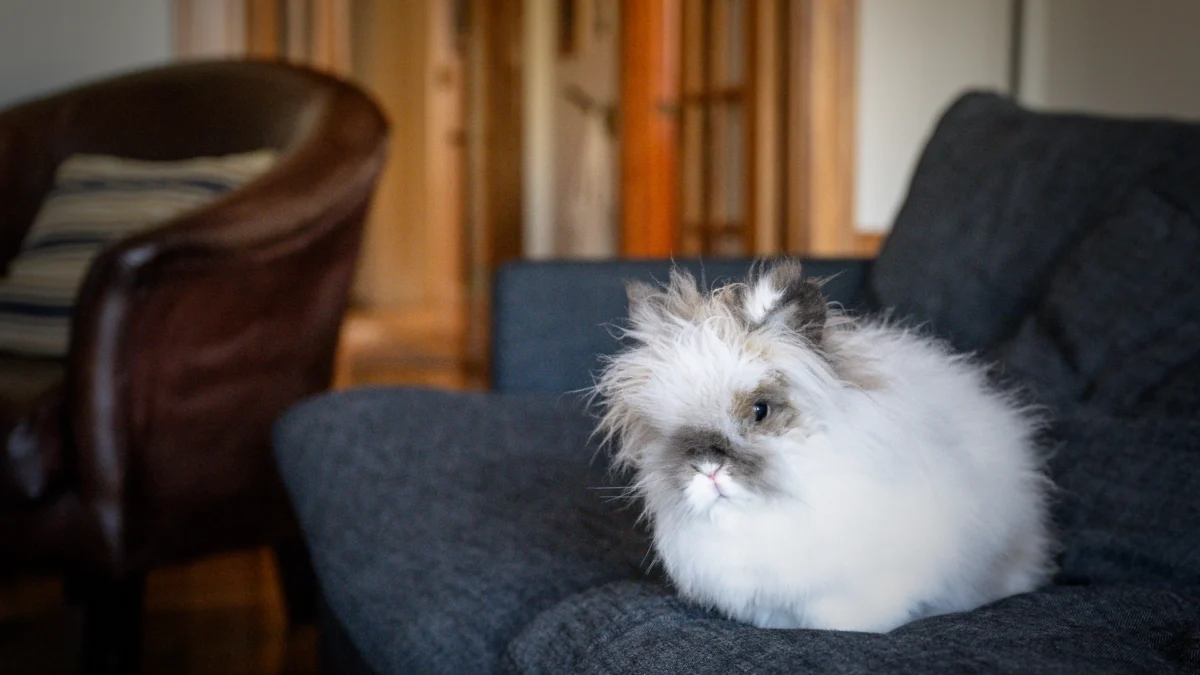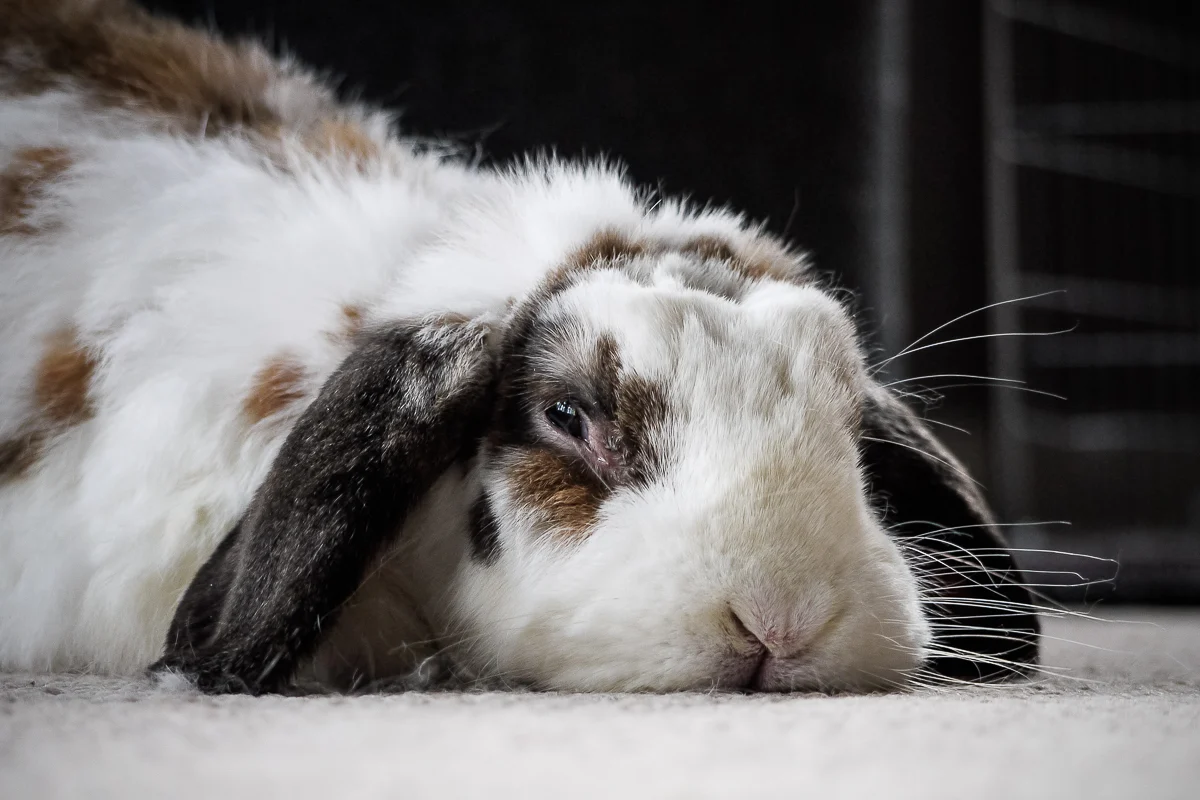
In the world of small animal companions, few breeds capture the public imagination quite like the Lionhead rabbit. With their distinctive, voluminous manes framing their faces like the regal namesake they are named for, these creatures are undeniably enchanting. However, beneath the soft, cloud-like exterior lies a complex set of care requirements that often catch unsuspecting owners off guard. As animal shelters and rescue organizations across the country struggle with an influx of surrendered long-haired rabbits, the "Lionhead phenomenon" serves as a cautionary tale about the intersection of aesthetic appeal, impulse purchasing, and the hidden realities of animal husbandry.
Main Facts: The Myth of the "Low-Maintenance" Pet
The Lionhead rabbit is a relatively modern breed, gaining popularity for its small stature and, most notably, its unique wool production around the head and shoulders. While they are often marketed as ideal "starter pets" for children or apartment dwellers, the reality of their physiological needs paints a different picture.
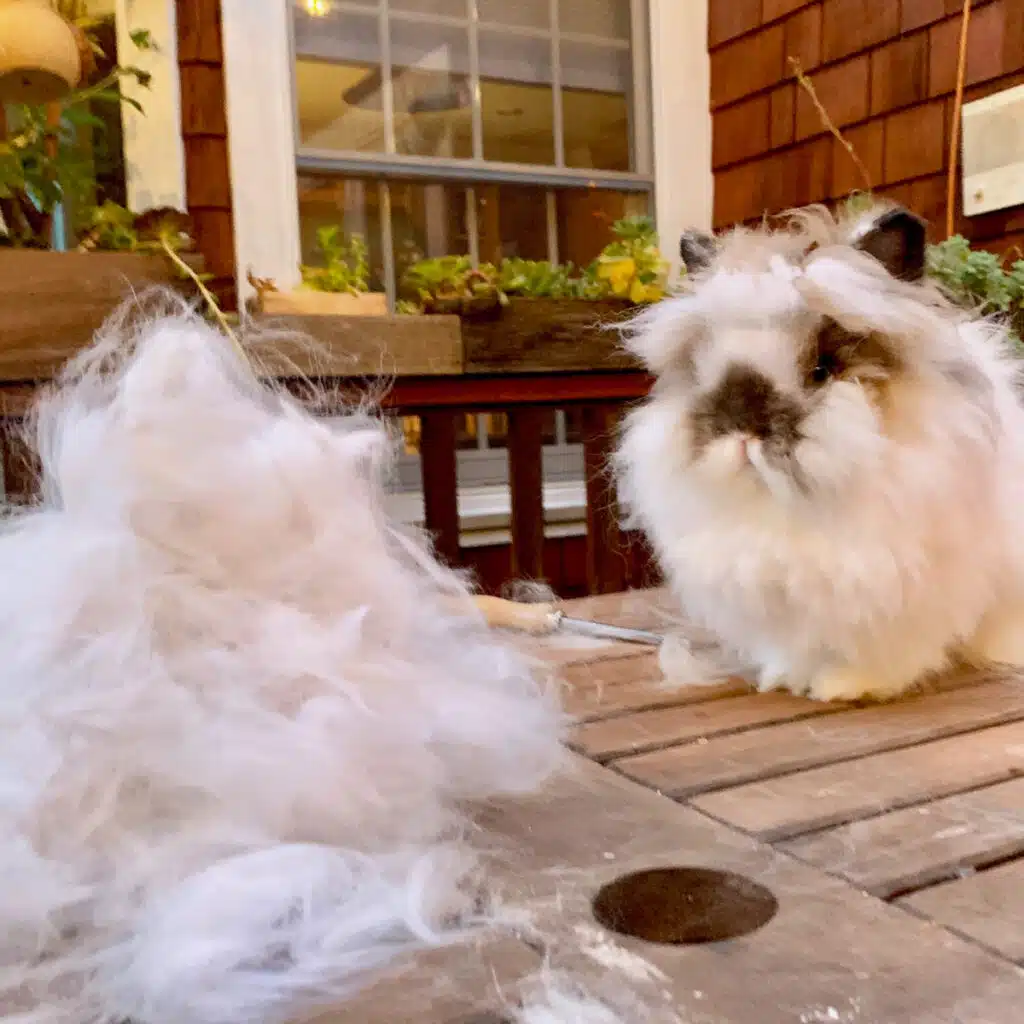
The primary point of friction between owners and their Lionhead companions is grooming. Unlike domestic shorthair rabbits, which generally manage their own hygiene, the Lionhead’s genetic propensity for long, dense fur requires a rigorous, non-negotiable daily commitment. Without consistent, professional-grade brushing, their fur becomes a breeding ground for health crises. Mats—tangled knots of fur—do not merely look unkempt; they act as a secondary skin that traps moisture, heat, and waste.
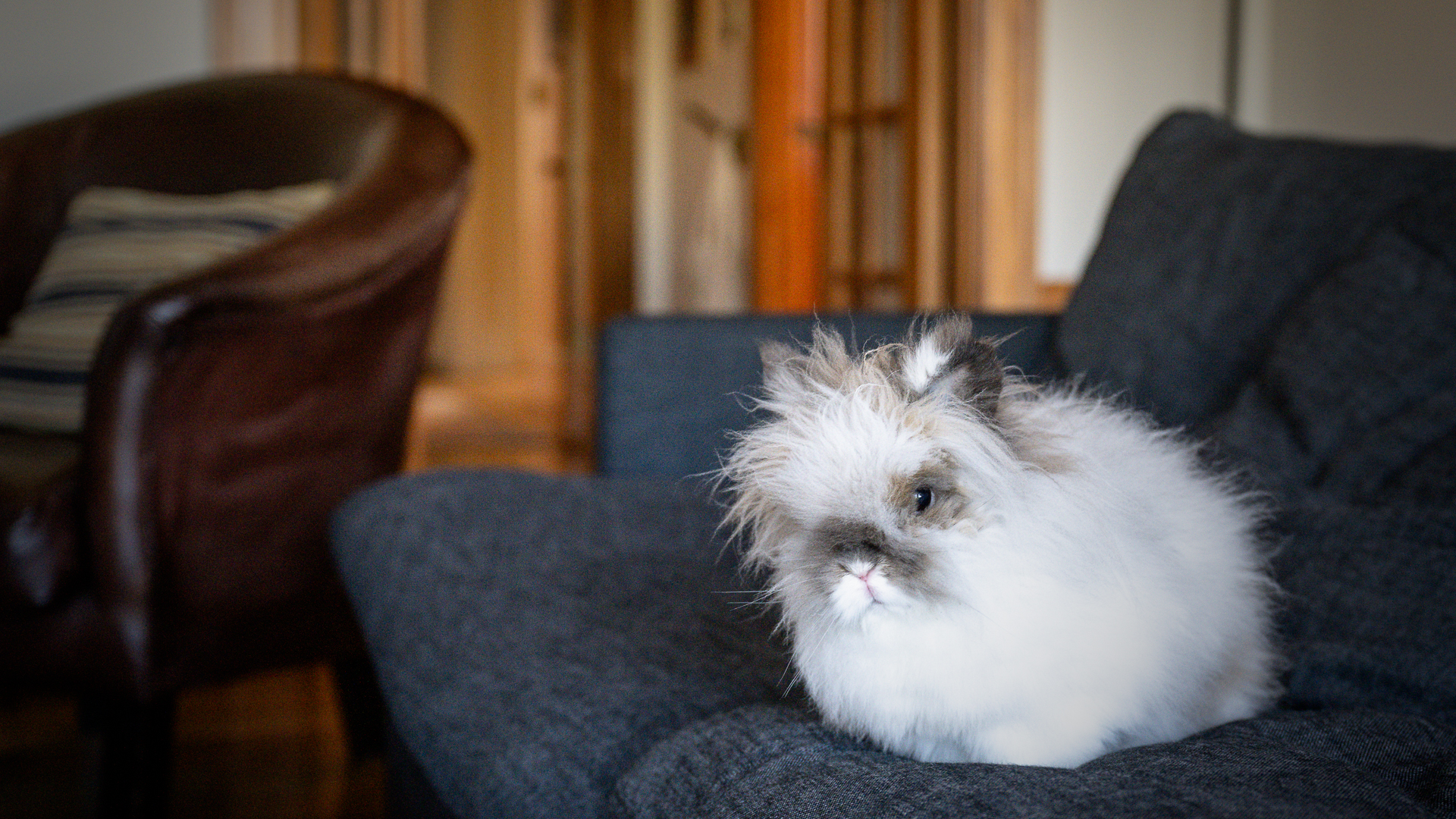
When a rabbit’s fur mats, the tension on the skin can become agonizing. These mats often hide severe skin infections, pressure sores, and even flystrike—a life-threatening condition where flies lay eggs in moist, matted areas of the animal’s coat. The larvae that hatch then begin to consume the living tissue of the rabbit, a condition that can progress with terrifying speed. For the average, uneducated buyer, these symptoms often go unnoticed until the animal is in a state of advanced distress, leading to an emergency veterinary bill that many are unwilling or unable to pay.
Chronology of a Crisis: From Impulse Buy to Abandonment
The typical trajectory of a Lionhead rabbit’s life—if they are unfortunate enough to be purchased from a commercial pet store—often follows a predictable, tragic timeline.
- The Point of Sale: A prospective owner visits a retail chain store, drawn in by the "storybook" appearance of a young Lionhead. They are rarely provided with comprehensive information regarding the specialized grooming tools required, the need for a specific high-fiber diet, or the fact that rabbits are complex, social creatures that require significant space.
- The Honeymoon Phase (Weeks 1–4): The rabbit is kept in a small, traditional wire-bottom cage. The owner finds the "mane" charming. However, the first signs of molting begin. The rabbit sheds its juvenile coat, and the owner realizes that the "fluff" is now covering their furniture, clothing, and the rabbit’s living quarters.
- The Matting Stage (Months 2–4): The owner, lacking the skills to properly groom the rabbit, notices that the fur is becoming clumpy. They may attempt to use a standard brush, which fails to penetrate the thick undercoat. They stop brushing, hoping it will "work itself out."
- The Breaking Point (Month 6+): The rabbit is now physically uncomfortable, perhaps showing signs of digestive stasis due to ingesting too much loose fur (a common cause of blockages in long-haired breeds). The owner, overwhelmed by the cost of veterinary care and the labor of grooming, determines the pet is "too much work."
- The Surrender: The rabbit is dropped off at a municipal shelter or a specialized rabbit rescue. Many are severely matted, requiring sedation and professional clipping to remove the coat, a process that is as stressful for the animal as it is resource-intensive for the shelter staff.
Supporting Data: The Strain on Rescue Infrastructure
Data from rabbit rescue organizations indicates that long-haired breeds, specifically Lionheads and Angoras, have a disproportionately high surrender rate compared to their shorthaired counterparts.
According to reports from the House Rabbit Society, a leading authority on rabbit welfare, the cost of rehabilitating a single surrendered Lionhead can easily exceed $300 to $500. This includes the essential spay/neuter surgery (which is crucial for health and behavioral regulation), blood panels to check for underlying infections, and specialized grooming services to address severe matting.
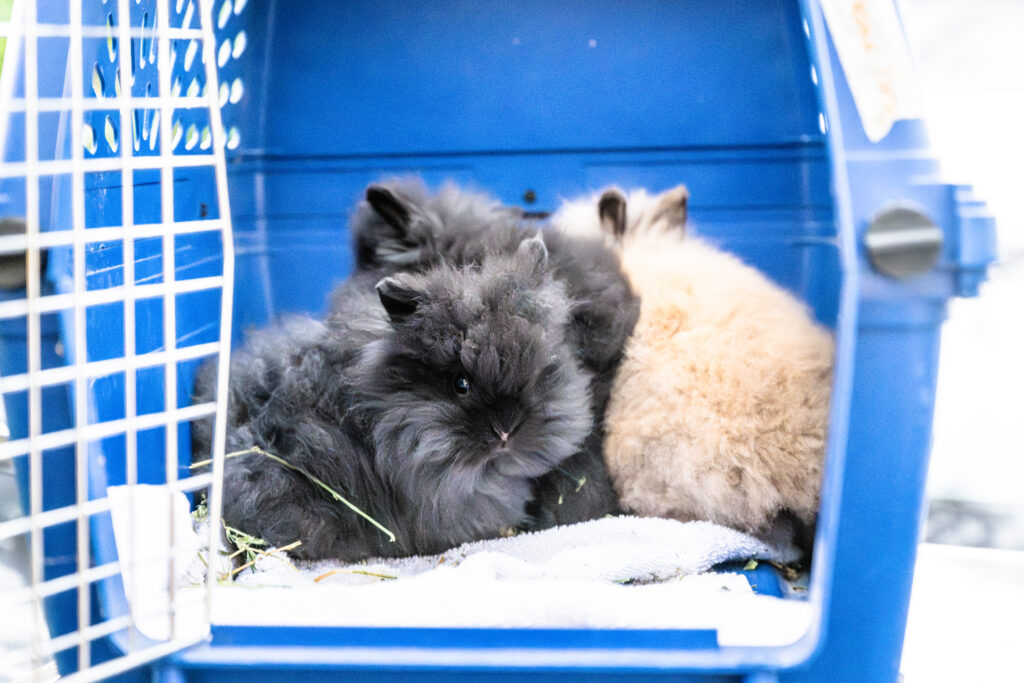
Furthermore, the prevalence of "under-age" sales in commercial settings contributes to a higher mortality rate. Rabbits are often sold at four to six weeks of age, well before they have been fully weaned or have developed a robust immune system. This premature separation from their mothers often leads to gastrointestinal issues, further complicating the care requirements for the subsequent owner.
Official Responses and Ethical Implications
The ethics of selling rabbits in large-scale retail environments has become a focal point of animal welfare activism. Organizations like the House Rabbit Society, along with thousands of individual advocates, have lobbied extensively against chains like Petland and various farm supply stores.
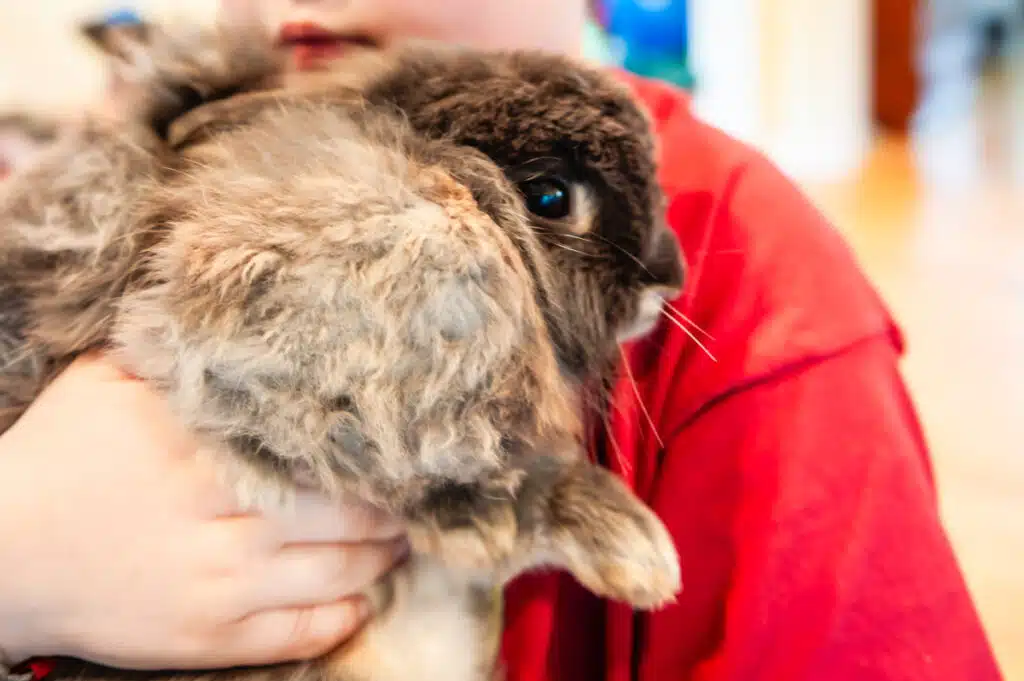
The core of the argument is simple: these retailers prioritize profit over animal welfare. By selling a sentient being as an impulse item next to dog toys and bags of kibble, these stores create a "throwaway culture" regarding pets. The response from the retail industry has largely been a move toward "corporate policy" disclaimers, yet activists argue these measures are performative. They maintain that as long as live animals are treated as inventory, the cycle of overbreeding and abandonment will continue unabated.
The "Stop Petland Rabbit Sales" movement, which includes petitions and organized protests, argues that if these stores were forced to provide accurate, written education—or, ideally, transition to a model where they only host adoption events with rescues—the number of abandoned Lionheads would plummet.
Living with a Lionhead: A Call for Responsible Ownership
Despite the challenges, it is essential to acknowledge that Lionhead rabbits can be exceptional, affectionate, and highly intelligent companions when provided with the correct environment.
To live successfully with a Lionhead, an owner must be prepared for the following:
- Environment: Rabbits should never be confined to small cages. They require a large, safe, indoor enclosure—often an "exercise pen"—where they can stretch, hop, and interact with the family.
- Diet: The foundation of a healthy rabbit is unlimited timothy hay. This is not just for nutrition; it is vital for grinding down their teeth, which grow continuously throughout their lives. Pellets and fresh greens are supplemental, not primary.
- The Grooming Routine: A Lionhead owner must view grooming as a daily ritual, akin to brushing one’s own teeth. Using a slicker brush and a small metal comb, owners should gently work through the mane and skirt, checking for mats near the skin.
- Health Vigilance: Owners must become familiar with the signs of "GI Stasis," a common and fatal condition in rabbits where the digestive system slows down. If a rabbit stops eating or producing droppings, it is a medical emergency that requires an exotic animal veterinarian immediately.
Conclusion: Changing the Narrative
The story of the Lionhead rabbit is a microcosm of the broader struggle between consumerism and animal welfare. While their appearance is a product of human selective breeding, their survival and quality of life are entirely dependent on human responsibility.
By shifting the narrative from "buying a cute pet" to "committing to a long-term, specialized companion," the cycle of neglect can be broken. Potential owners are urged to look toward local rescue groups and shelters first. Adopting a rabbit from a shelter not only provides a home to an animal in need but also ensures that the new owner is vetted, educated, and equipped with the necessary tools to provide a lifetime of care.
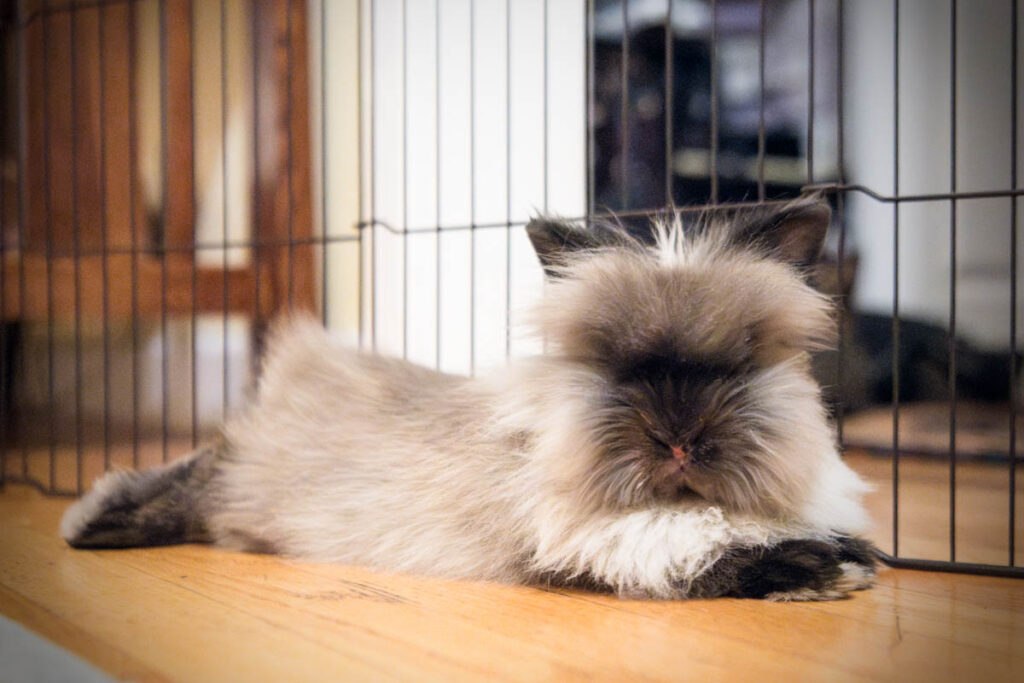
Ultimately, the beauty of a Lionhead rabbit’s mane should be seen not as a fashion statement, but as a testament to the level of care that animal deserves. If you are not prepared to dedicate your time to their health and well-being, the most compassionate choice is to admire them from afar and support the organizations working tirelessly to protect them. The "fluff" is a joy, provided it is handled with the respect and diligence that every living creature deserves.