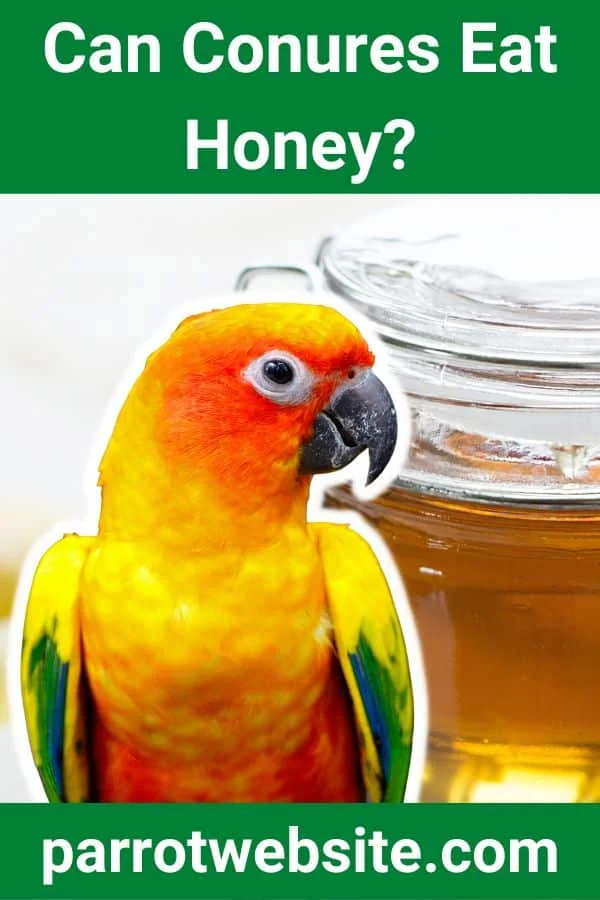
For many parrot owners, sharing a snack with their avian companions is a gesture of affection. However, when it comes to the sweet, viscous golden nectar we call honey, that gesture can quickly turn into a life-altering tragedy. While honey is a staple in human pantries and prized for its culinary and medicinal versatility, it represents a significant, often misunderstood, lethal threat to conures and other parrot species.
To the average person, honey is a natural, healthy food. To a conure, however, even a minuscule amount can be a death sentence. This article explores the biological, medical, and practical reasons why honey must be strictly excluded from your parrot’s diet.
Main Facts: The Biological Reality
The primary reason honey is considered toxic to conures is the presence of Clostridium botulinum spores. These bacteria are naturally ubiquitous; they are found in soil, dust, and the sediments of water bodies worldwide. In most environments, these spores remain dormant and harmless. However, when they find themselves in an oxygen-deprived environment—such as inside a honey jar or, more dangerously, the digestive tract of a bird—they germinate and produce a potent neurotoxin.
Botulism is a severe paralytic illness caused by the ingestion of this toxin. Unlike humans, whose digestive systems are often mature enough to handle small concentrations of these spores, the avian gastrointestinal tract is highly susceptible. When a conure consumes honey, the spores are introduced into their system, leading to a condition that acts rapidly and decisively upon the bird’s nervous system.
Chronology of Infection: The Progression of Botulism
The timeline of botulism in a conure is harrowing and fast-moving. Owners must understand that this is not a condition that allows for a "wait-and-see" approach.
1. Ingestion and Incubation
The process begins the moment the honey is swallowed. Depending on the concentration of spores and the bird’s individual immune response, the incubation period can range from a few hours to a few days. During this time, the spores colonize the gut and begin secreting the botulinum toxin into the bloodstream.
2. The Onset of Ascending Paralysis
The most hallmark symptom of avian botulism is "ascending paralysis." This typically begins in the lower extremities. Owners may notice their conure stumbling, losing the ability to grip a perch, or showing a lack of coordination in their feet. As the toxin spreads through the central nervous system, the paralysis climbs upward.
3. Respiratory Failure
As the paralysis affects the muscles responsible for movement, it eventually reaches the diaphragm and the muscles involved in respiration. The bird will struggle to breathe, often showing signs of gasping, wheezing, or an inability to maintain an upright posture. Because the bird cannot oxygenate its blood properly, the organs begin to shut down.
4. Critical Collapse
Without immediate veterinary intervention, the progression usually culminates in total paralysis and death. Because the toxin directly interferes with the neurotransmitters that signal muscle contraction, the bird becomes trapped in its own body as its vital functions fail.
Supporting Data: Why "Natural" Doesn’t Mean "Safe"
A common misconception among pet owners is that "natural" or "raw" products are inherently better for animals. In the case of honey, this is a dangerous fallacy.
- Raw Honey: This is the most dangerous form. It is unpasteurized and contains the highest concentrations of bacterial spores, including Clostridium botulinum.
- Pasteurized/Commercial Honey: While the heat-processing used in commercial manufacturing kills some bacteria, it is not guaranteed to eliminate the hardy spores of botulism. Furthermore, even if the bacteria are absent, the high sugar content and acidity of honey are not conducive to a parrot’s digestive health.
- Nutritional Void: Nutritionally, honey offers nothing to a conure that they cannot get from healthier, safer sources. A conure’s need for sugar should be satisfied through fresh, bird-safe fruits like papaya, mango, or berries, which provide essential vitamins and fiber alongside their natural sugars.
Official Perspectives and Veterinary Consensus
Avian veterinarians and wildlife experts are unanimous in their stance: honey should never be offered to parrots.
The veterinary community notes that because parrots are "prey animals," they are biologically wired to mask symptoms of illness. By the time an owner notices their conure exhibiting lethargy or loss of motor control, the botulism toxin has likely already reached critical levels in the nervous system.
"There is no ‘safe’ dose of honey for a parrot," states avian specialist Dr. Elena Rossi. "We see cases where owners assume a tiny drop on a cracker won’t hurt. But the toxicity threshold for a small bird like a conure is incredibly low. When we treat for suspected botulism, the window for effective treatment is nearly nonexistent. Prevention is the only way to ensure the bird’s safety."
Implications for Pet Ownership
The realization that honey is toxic shifts the burden of responsibility entirely onto the owner. Creating a "parrot-safe" home environment requires vigilance regarding how food is stored and prepared.
Storage and Safety Protocols
- Closed Cabinets: Never leave honey jars on open countertops. Even a sticky residue on the outside of a jar or a spoon left in the sink can be lethal if a foraging parrot investigates it.
- Avoiding Processed Foods: Products like "Honey Nut Cheerios" or honey-baked goods are strictly off-limits. While the honey in a commercial cereal may be diluted, the sugar content and the presence of additives are detrimental to a conure’s health, leading to obesity and fatty liver disease.
- Educating Housemates: Everyone in the household must be aware of the "No Honey" rule. Often, accidents happen when a well-meaning guest or child offers a "tasty treat" to the bird without knowing the consequences.
What to Do in an Emergency
If you suspect your conure has ingested honey, the situation must be treated as a medical emergency.
- Do Not Wait: Do not wait for symptoms to appear. The incubation period means that by the time a symptom is visible, the toxin is already circulating.
- Contact an Avian Vet: Call an emergency avian veterinarian immediately. Explain exactly what the bird ate and when.
- Transport Carefully: Keep the bird in a quiet, dark, and warm carrier. Avoid stressing the bird, as increased heart rate can accelerate the distribution of the toxin.
- Provide Samples: If possible, bring the container of the honey to the vet. This can help them identify if there are other contaminants or issues involved.
Conclusion: A Clear Boundary
The bond between a human and a conure is built on trust. As the provider, it is your duty to curate a diet that sustains, rather than threatens, your bird’s life. Honey, despite its sweet appeal, is a substance that carries a high risk of catastrophic illness.
By removing honey from your home or strictly isolating it from your pet’s reach, you are choosing to prioritize their health over a fleeting treat. There is a world of safe, nutritious, and delicious alternatives for your parrot—fresh vegetables, sprouts, and specific fruits are all excellent ways to show love without risking their life.
Ultimately, the lesson is simple: some things are meant for human consumption, and some are meant to be kept far away from our feathered friends. When it comes to honey, the choice should always be to leave it off the menu. Keep your conure safe, keep your pantry secure, and rely on veterinary-approved, bird-safe snacks to keep your companion happy and healthy for years to come.