SAN DIEGO — Federal law enforcement authorities have dismantled what investigators describe as a sophisticated, years-long international wildlife trafficking ring operating across the United States-Mexico border. Two individuals now face federal wildlife trafficking and smuggling charges following a multi-agency undercover operation that uncovered a hidden cargo of endangered and threatened reptiles stashed inside a concealed compartment of a passenger vehicle.
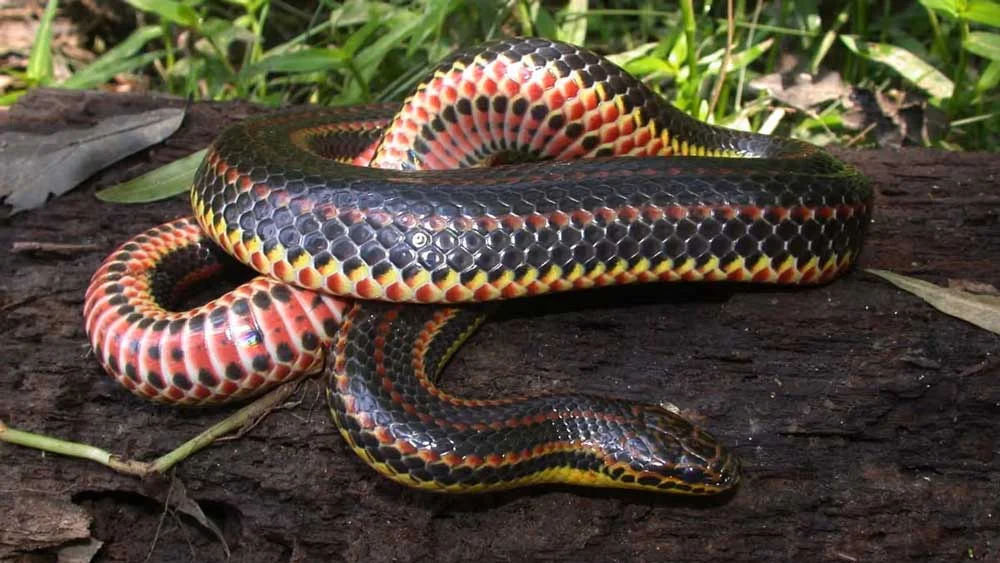
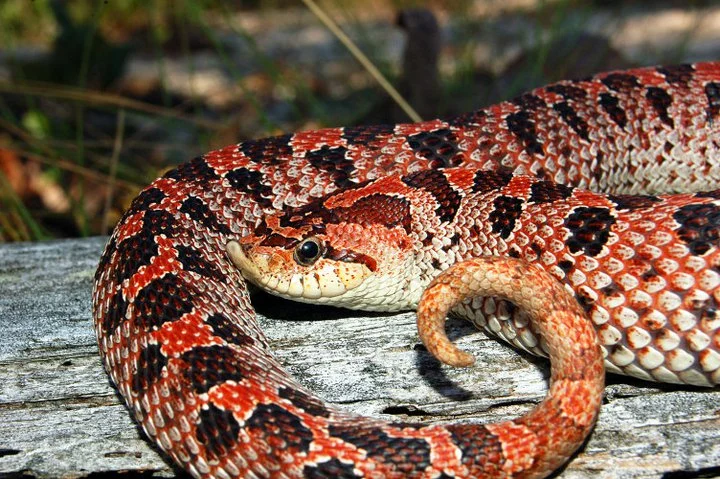
According to the U.S. Department of Justice (DOJ), Georgina Bribiesca Chavez, a resident of Tijuana, Mexico, and Salvador Pelayo of Chula Vista, California, orchestrated a lucrative underground marketplace that funneled dozens of exotic animals—including venomous pit vipers, baby crocodiles, caimans, and rare arboreal lizards—into the United States for sale to private collectors and buyers.
The investigation, spearheaded by the U.S. Fish and Wildlife Service (USFWS) alongside U.S. Customs and Border Protection (CBP), highlights the persistent, high-stakes threat posed by transnational wildlife smuggling syndicates. These illicit operations not only violate domestic conservation laws and international treaties but also subject vulnerable creatures to extreme cruelty and neglect during transit.
Main Facts of the Case
The federal indictment and subsequent DOJ press releases outline a complex web of cross-border smuggling operations designed to evade agricultural and customs checkpoints at the southern border.
- The Defendants: Georgina Bribiesca Chavez, 43 (of Tijuana, Mexico), and Salvador Pelayo, 38 (of Chula Vista, California), have been formally charged with multiple counts related to wildlife trafficking, conspiracy, and smuggling goods into the United States.
- The Arrests: Pelayo was taken into custody by federal agents in July 2026. Chavez was arrested on August 10, 2026, at a port of entry along the U.S.-Mexico border after CBP officers flagged her vehicle due to an active, outstanding federal arrest warrant linked to the ongoing wildlife trafficking probe.
- The Contraband: During a subsequent search of Chavez’s impounded vehicle on August 11, law enforcement officers discovered a concealed factory compartment. Inside this hidden space, agents found several sealed fabric pillowcases. Upon inspection by wildlife experts at the San Diego Zoo, the pillowcases were found to contain:
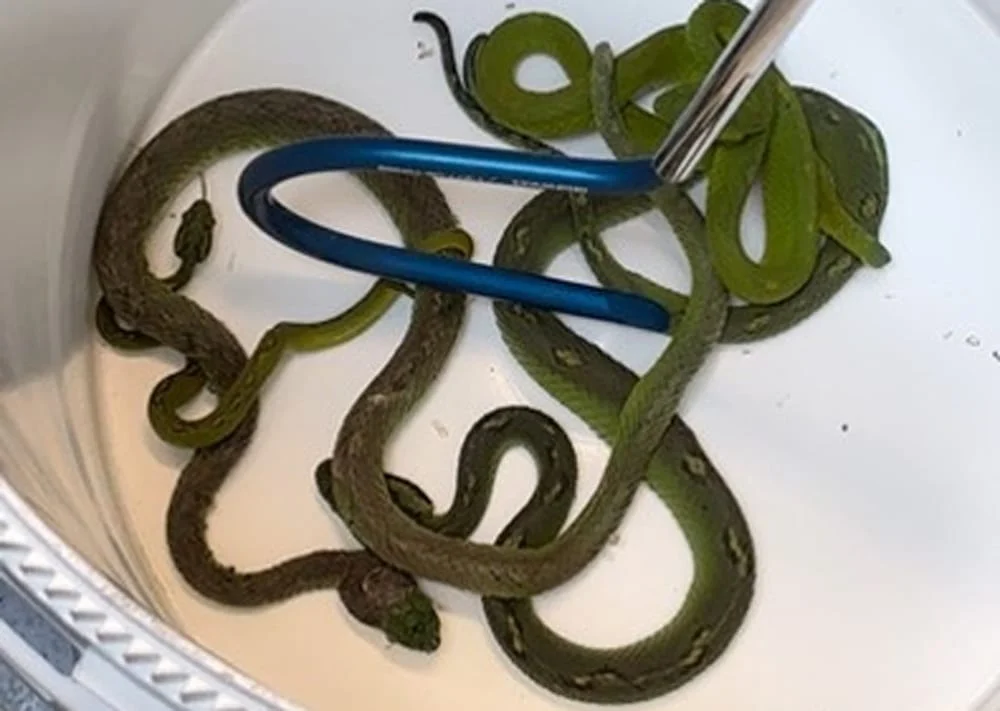
- 4 yellow-blotched palm pit vipers (Bothriechis aurifer)
- 3 caimans
- 1 baby crocodile
- Over 60 Abronia lizards (alligator lizards)
- Conservation Status: Many of the seized reptiles are strictly protected under international agreements, such as the Convention on International Trade in Endangered Species of Wild Fauna and Flora (CITES), due to rapidly declining wild populations caused by habitat loss and over-collection for the pet trade.
- Animal Fatalities: Because Chavez failed to inform border authorities about the live cargo during her initial detention, the animals were left trapped inside an unventilated vehicle parked in the searing San Ysidro heat for nearly 24 hours. By the time the vehicle was searched and the animals were transferred to the San Diego Zoo, three of the caimans had perished. The surviving reptiles remain under veterinary care at the facility.
- Financial Scope: Federal prosecutors allege that the defendants generated tens of thousands of dollars in illicit profits by peddling protected species to buyers across the United States. Furthermore, the trafficking pipeline operated in both directions; investigators state the pair also smuggled native U.S. reptiles, such as Eastern box turtles, out of the United States and into Mexico.
Chronology of the Investigation
The uncovering of this transnational smuggling ring was no accident. It was the result of an intensive, 18-month undercover operation conducted by federal wildlife inspectors and special agents who infiltrated the network to gather ironclad evidence before making arrests.
Early 2023: The Partnership Forms
According to court documents and DOJ timelines, Chavez and Pelayo forged a criminal partnership in early 2023. Their objective was to capitalize on the high demand for exotic, colorful, and venomous reptiles among American hobbyists and collectors. Pelayo primarily managed prospective buyers, logistics, and distribution within the United States, while Chavez utilized her residency in Tijuana to source animals directly from suppliers in Mexico and transport them across the border.
2024 to Early 2025: Undercover Infiltration
Recognizing patterns of suspicious cross-border reptile movement, the U.S. Fish and Wildlife Service launched an undercover investigation. Over a year and a half, undercover operatives posed as exotic pet buyers, slowly working their way into the inner circle of the smuggling ring.
During this phase, investigators documented multiple illegal transactions. The suspects brazenly offered protected species for sale, leveraging digital communication channels and clandestine in-person meetings to exchange animals for cash.
March 2025: The First Controlled Buy
In March 2025, the investigation reached a critical milestone. Undercover federal agents arranged a purchase of four Mexican box turtles from Pelayo and his associates in Mexico.
According to the prosecution, Chavez personally executed the cross-border transport, smuggling the four protected turtles across the international boundary and handing them over to buyers in exchange for $2,600 in cash.
The rescued turtles were immediately transferred to the Oakland Zoo for emergency evaluation and rehabilitation. Tragically, despite the best efforts of veterinary staff, the toll of the illicit transport proved too severe; by May 2025, all four Mexican box turtles had died from stress, dehydration, and underlying health complications resulting from the smuggling process.
July 2026: Closing the Net on Pelayo
Armed with months of digital records, financial transactions, and physical evidence gathered during the undercover operations, federal prosecutors secured indictments. Salvador Pelayo was located and arrested by federal authorities in Chula Vista, California, in July 2026, marking the first major blow to the operation’s leadership structure.
August 2026: The Border Interception and Seizure
The operation culminated on August 10, 2026, when CBP officers at a southern California port of entry stopped Georgina Bribiesca Chavez. Unbeknownst to Chavez at the exact moment of her approach, her name had been flagged in federal databases due to the active warrant connected to the Fish and Wildlife Service investigation.
Officers immediately detained Chavez and impounded her vehicle. However, because Chavez withheld information regarding her cargo, the vehicle—and the hidden compartment within it—was towed to a secure holding facility without immediate unloading.
On August 11, during a systematic forensic search of the automobile, officers noticed suspicious movement emanating from inside sealed fabric pillowcases tucked away in a concealed factory compartment. Realizing the bags contained live animals, authorities rushed the cargo to the San Diego Zoo.
The discovery was staggering: dozens of vulnerable, high-value reptiles crammed into suffocating conditions. While the discovery saved the majority of the animals, the delay caused by Chavez’s silence proved fatal for three caimans.
Supporting Data and Ecological Impact
The illegal wildlife trade is one of the most profitable illicit enterprises in the world, often ranking alongside narcotics and arms trafficking. According to global law enforcement estimates, the underground wildlife market generates billions of dollars annually, driven by the insatiable demand for exotic pets, traditional medicine ingredients, and luxury fashion items.
The Vulnerability of Seized Species
The reptiles recovered from Chavez’s vehicle and traced through the undercover investigation represent high-priority conservation targets:
- Yellow-Blotched Palm Pit Vipers (Bothriechis aurifer): Native to the cloud forests of Mexico and Central America, these striking green and yellow venomous snakes are heavily sought after by specialized reptile keepers. Their restricted natural habitats and susceptibility to deforestation make them exceptionally vulnerable to over-collection.
- Abronia Lizards: Often referred to as alligator lizards, species within the genus Abronia are endemic to isolated cloud forest canopies in Mexico and Guatemala. Their vibrant turquoise, yellow, and emerald colorations make them crown jewels in the illegal pet trade. Because they rely heavily on pristine, high-altitude microclimates, removing them from the wild drastically depletes localized wild populations that cannot easily recover.
- Caimans and Crocodiles: These apex freshwater predators play a vital role in maintaining the health of wetland ecosystems. Their illegal harvest disrupts aquatic food webs and accelerates population declines already threatened by agricultural expansion and human encroachment.
Mortality Rates in Transit
Wildlife trafficking is notoriously brutal on the animals involved. Smugglers routinely use concealment methods—such as taped-shut boxes, hidden vehicle compartments, postal packages, and cramped luggage—to bypass customs scrutiny.
As demonstrated in this case, the lack of temperature control, fresh air, and hydration results in catastrophic mortality rates. The loss of the four Mexican box turtles at the Oakland Zoo and the three caimans at the San Diego Zoo underscores the grim reality of the exotic pet trade: a significant percentage of smuggled animals die before ever reaching a consumer, discarded as mere contraband by operators motivated purely by financial gain.
Official Responses and Law Enforcement Perspectives
Federal agencies involved in the investigation have emphasized the gravity of the charges and the broader ecological implications of cross-border environmental crime.
In its official press release, the Department of Justice underscored that wildlife trafficking is not a victimless crime. Prosecutors noted that the multi-year operation directly undermined international conservation efforts designed to protect biodiversity along the North American continent.
Representatives from U.S. Customs and Border Protection highlighted the immense challenges faced by frontline officers at busy ports of entry. Processing millions of vehicles and travelers annually requires a delicate balance between facilitating lawful trade and travel and detecting hidden contraband. CBP officials praised the vigilance of the officers who flagged Chavez’s outstanding warrant, noting that interagency cooperation with the U.S. Fish and Wildlife Service was vital to dismantling the broader network.
The U.S. Fish and Wildlife Service issued a statement commending the undercover agents who embedded themselves within the investigation. Officials stressed that combating transnational smuggling rings requires long-term, patient investigative work to map out supply chains, identify international suppliers, and prosecute ringleaders rather than mere couriers.
Implications of the Case
The prosecution of Georgina Bribiesca Chavez and Salvador Pelayo carries significant legal, operational, and ecological implications for the future of border security and wildlife protection.
1. Heightened Scrutiny at the Southern Border
While CBP officers routinely scan vehicles for narcotics, currency, and firearms, high-profile cases like this one serve as a stark reminder that border checkpoints are also primary conduits for environmental contraband. In the wake of these arrests, border security analysts anticipate an increased focus on non-intrusive inspection technologies—such as advanced X-ray imaging systems and density scanners—capable of detecting hidden vehicle modifications and factory compartments used to conceal living creatures.
2. Legal Precedent and Severe Penalties
Wildlife trafficking carries steep federal penalties under U.S. law, including violations of the Lacey Act and federal smuggling statutes. Because the defendants allegedly operated a structured, long-term conspiracy resulting in the death of protected species, federal prosecutors are positioned to seek substantial prison sentences. Legal experts suggest that high-profile convictions serve as a vital deterrent to other underground dealers operating within the lucrative reptile hobbyist community.
3. The Burden on Zoos and Wildlife Rescues
A rarely discussed consequence of major wildlife seizures is the immense strain placed on accredited zoological institutions and rescue sanctuaries. When federal agents seize dozens of delicate, sick, or traumatized animals, facilities like the San Diego Zoo and Oakland Zoo must absorb the immediate costs of veterinary care, quarantine housing, specialized diets, and long-term rehabilitation. Because many of these animals cannot be safely repatriated to the wild due to disease risks or unknown origin locales, zoos often become permanent homes for rescued contraband, stretching institutional resources thin.
4. A Warning to the Exotic Pet Market
The dismantling of this trafficking ring sends a clear message to buyers, breeders, and collectors within the United States: the market for wild-caught, smuggled exotic animals is under intense federal surveillance. Law enforcement agencies are increasingly utilizing digital forensics, undercover sting operations, and cross-border intelligence sharing to track illicit specimens from the cloud forests of Mexico directly to the living rooms of American collectors.
As the legal proceedings against Chavez and Pelayo move forward in federal court, environmental advocates hope the case will raise public awareness about the hidden cruelties of the exotic pet trade and inspire stricter adherence to ethical, captive-bred sourcing within the reptile-keeping community.