Introduction: A Symphony of Whispers and Wagging Tails
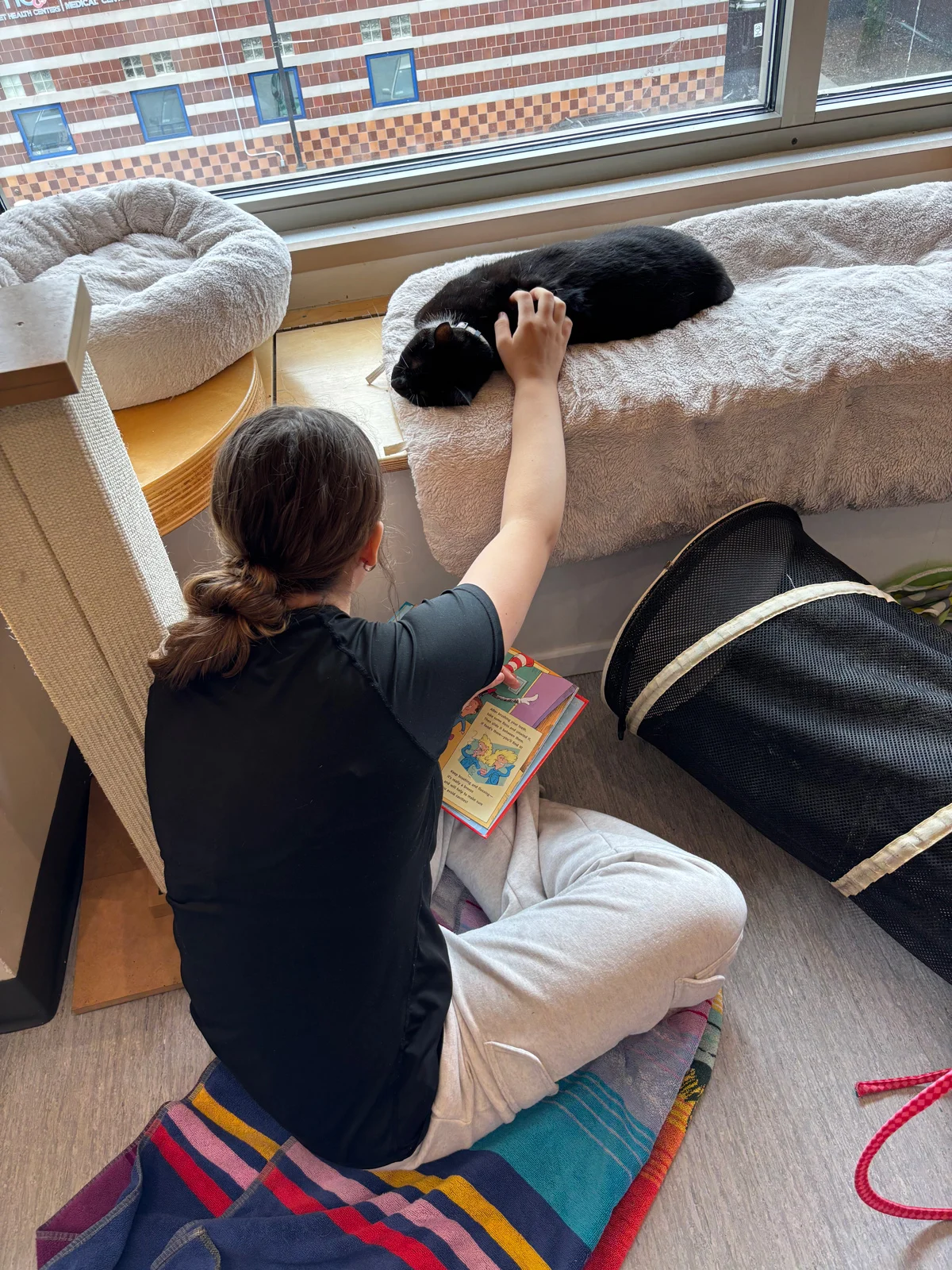
In the quiet corners of the North Shore Animal League America shelter, a new sound has emerged this summer—the rhythmic, gentle cadence of children reading aloud, punctuated by the soft purrs of kittens and the rhythmic thumping of tails against kennel floors. This scene is the centerpiece of the inaugural Mutt-i-grees Summer Reading Program, an innovative educational initiative that is proving that the path to literacy is paved with compassion. By pairing young readers with animals awaiting their forever homes, the program is doing far more than helping children master their phonics; it is cultivating a generation of empathetic, socially conscious citizens.
Main Facts: The Intersection of Education and Advocacy
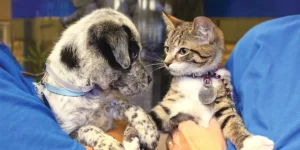
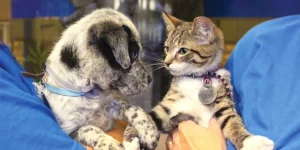
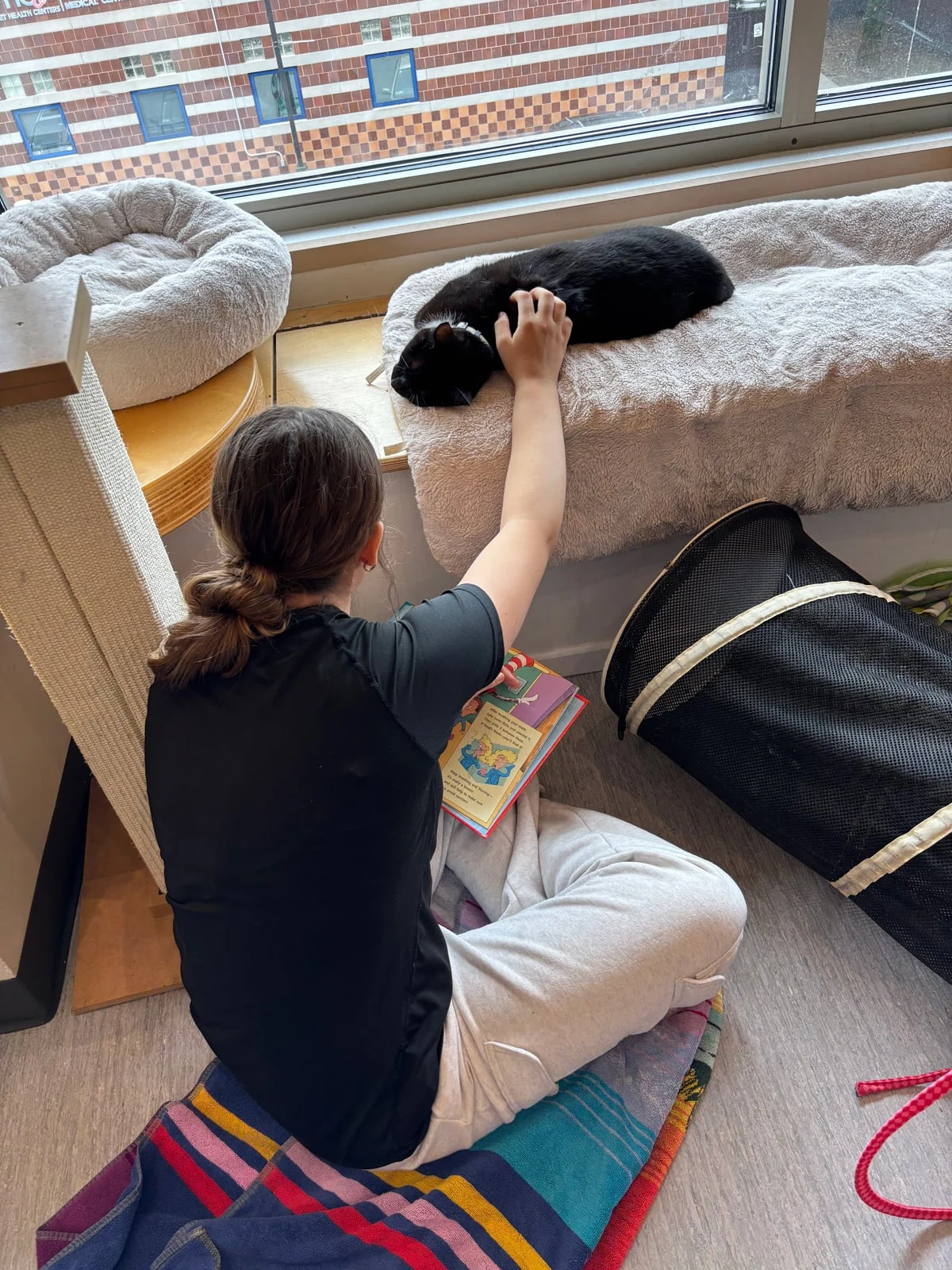
The Mutt-i-grees Curriculum, the educational arm of the North Shore Animal League America, launched this pilot program with a singular, ambitious goal: to bridge the gap between shelter animal welfare and academic development. The program invited children, teens, and families into the shelter environment to read books aloud to adoptable dogs, cats, puppies, and kittens.
The core of the initiative rests on the "judgment-free zone" philosophy. For many students, reading aloud in a classroom setting can be a source of anxiety, often hindered by the fear of making mistakes in front of peers. In the shelter, the "audience" is incapable of criticism. A dog does not care if a reader stumbles over a multisyllabic word; a cat does not mind if the cadence is uneven. This psychological safety net allows students to experiment with their voice, increase their reading stamina, and ultimately fall in love with the act of storytelling.
Chronology of a Successful Pilot
The journey began earlier this spring as the Mutt-i-grees team finalized their outreach strategies, aiming to target local families looking for summer enrichment opportunities. By the time the school year concluded, the program had already garnered significant local interest.
- June 2024: The program officially opened its doors. Initial sessions were small, designed to test the logistics of animal-human interactions in a reading context. Staff observed immediate improvements in animal behavior, with high-stress animals appearing more settled after reading sessions.
- July 2024: Mid-summer, the program reached a fever pitch. Word-of-mouth spread rapidly through local school districts and social media channels. The demand became so high that the program transitioned to a reservation-based system.
- August 2024: As the summer drew to a close, the organization reported that all remaining slots were fully booked, solidifying the program’s status as a triumphant success. The focus shifted toward data collection and qualitative feedback from parents and shelter staff.
Supporting Data: The Science of the Human-Animal Bond
The success of the Mutt-i-grees program is not merely anecdotal; it is grounded in established psychological principles regarding the human-animal bond.
Literacy and Confidence Metrics
Educational experts have long documented that children who read to animals exhibit lower levels of cortisol (the stress hormone) and higher levels of engagement. According to preliminary observations from the program:
- Reduced Performance Anxiety: Students who identified as "reluctant readers" at the start of the summer showed increased participation and vocal confidence by their third session.
- Emotional Regulation: For children who struggle with emotional outbursts or focus, the presence of an animal acted as a "grounding agent," allowing the child to remain seated and focused for longer periods than they typically would in a traditional study environment.
- Shelter Enrichment: The animals involved in the program showed significant behavioral shifts. Shelter life can be monotonous and stressful, leading to "kennel stress." The presence of a calm, reading human provides the kind of low-intensity human interaction that helps keep animals adoptable and socialized.
Official Perspectives: The Vision Behind the Program
"At its heart, the Mutt-i-grees Summer Reading Program is about more than just books," says a spokesperson for the North Shore Animal League America. "It is about teaching children that they have a role to play in the welfare of others. When a child reads to a shelter animal, they are practicing patience and kindness. They are learning that their presence matters to a living creature."
The curriculum developers behind Mutt-i-grees emphasize that this program is a physical manifestation of their broader social-emotional learning (SEL) goals. By asking children to consider the animal’s perspective—Does the cat like the tone of my voice? Is the dog comfortable with me sitting here?—they are actively building empathy. This reflective practice is a cornerstone of the Mutt-i-grees approach, which seeks to use the human-animal connection as a tool to teach responsible decision-making and compassion for all living beings.
Implications for Future Educational Initiatives
The rapid growth and overwhelming community reception of the program suggest that there is a significant, unmet demand for "empathy-based learning" in the United States.
Expanding the Scope
Following the success of this summer, the organization is looking at several potential pathways for growth:
- The "Library-Shelter" Partnership: Discussions are underway to explore how local libraries might partner with shelters to bring books to the animals, or bring animals to the libraries, creating a symbiotic community network.
- School Integration: The Mutt-i-grees Curriculum is currently exploring ways to bring the "reading to animals" concept into the classroom, perhaps through high-tech virtual interactions or structured after-school clubs.
- Long-term Social-Emotional Impact: Researchers are interested in conducting longitudinal studies to determine if students who participate in these programs show sustained improvements in peer-to-peer empathy and classroom behavior over the course of an academic year.
The Broader Societal Impact: Why This Matters
In an increasingly digitized world, where children’s attention is often captured by screens, the Mutt-i-grees Summer Reading Program offers a tactile, biological connection. It forces the participant to slow down. The pace of a shelter is not the pace of the internet; it is a slow, steady pulse of life. By requiring children to align their internal tempo with that of an animal, the program teaches a vital life skill: presence.
Furthermore, the program addresses a societal need for animal advocacy. By exposing children to the reality of shelter life—the kennels, the rescues, the quiet hope of an animal waiting for a home—the program is grooming the next generation of animal welfare advocates. These children are not just readers; they are potential future adopters, volunteers, and donors who understand that shelter animals are not "broken" creatures, but individuals deserving of love.
Conclusion: A Chapter Just Beginning
The Mutt-i-grees Summer Reading Program has proven that the most effective classroom is often the one we least expect. By turning a kennel into a library, the North Shore Animal League America has successfully fostered a space where literacy and love are not mutually exclusive, but rather, mutually reinforcing.
As the summer concludes, the success of this initiative serves as a blueprint for organizations across the country. It demonstrates that when we provide children with the opportunity to give back to their community—even in a small way, like reading a story to a lonely dog—we empower them to become more than just students. We empower them to become architects of a kinder, more compassionate world. The stories read this summer have touched the lives of both the children and the animals, proving that even a simple fairy tale, when read to an audience of four paws, can change a life forever.
The organization is already planning for next year, with hopes to double the capacity of the program. As the final pages are turned on this year’s session, one thing is clear: the bond between human and animal is a powerful educational tool, and we have only just begun to read the first chapter of its potential.