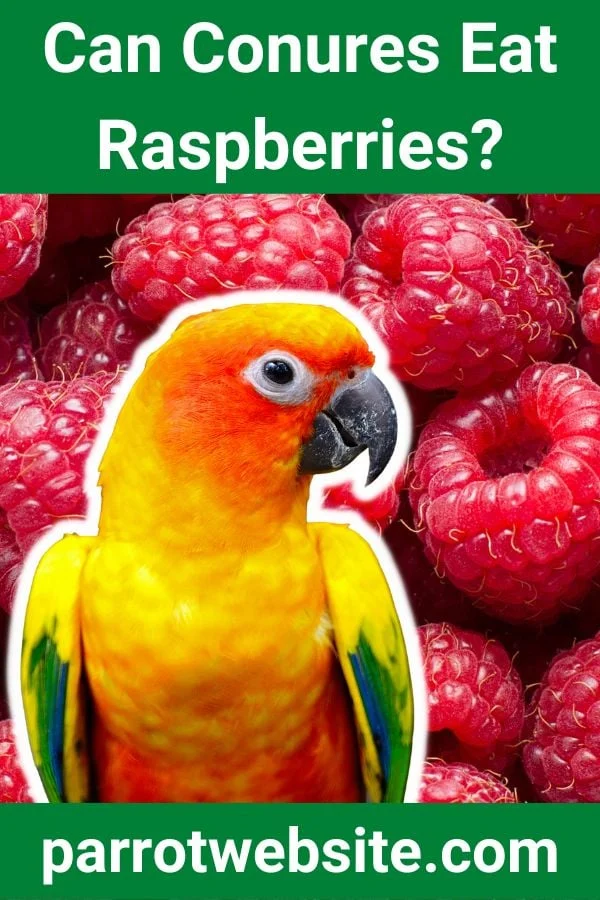
Raspberries are widely celebrated as a nutritional powerhouse in the human diet, gracing everything from breakfast bowls to sophisticated desserts. Given their popularity and vibrant appeal, many bird enthusiasts naturally wonder if these sweet, antioxidant-rich berries are a safe addition to their pet conure’s menu. The short answer is a definitive yes: conures can safely enjoy raspberries. However, while these berries offer a wealth of health benefits, they must be integrated into a parrot’s diet with precision, care, and a strict adherence to the principles of moderation.
Main Facts: The Nutritional Profile of Raspberries for Parrots
Raspberries belong to the Rubus genus and are considered a "superfood" due to their high density of essential vitamins, minerals, and phytonutrients. For a conure—a bird species known for its high energy levels and inquisitive nature—the nutritional profile of a raspberry can be highly advantageous.
The primary health benefits for conures include:
- High Fiber Content: Fiber is a cornerstone of avian digestive health. It facilitates healthy gut motility, ensuring that the bird’s digestive tract remains clear and functioning efficiently.
- Immune-Boosting Vitamin C: As a powerful antioxidant, Vitamin C plays a critical role in cellular health. It helps neutralize free radicals, which are unstable molecules that cause oxidative damage. Over time, a lack of antioxidants can lead to chronic cellular degradation and systemic disease.
- Essential Mineral Density: Raspberries are rich in potassium, magnesium, phosphorus, and iron. Potassium is vital for fluid balance and cellular function, while iron is essential for the production of red blood cells and maintaining healthy circulation.
- Vitamin Diversity: Beyond Vitamin C, these berries provide necessary amounts of Vitamin K, E, and various B-complex vitamins, all of which contribute to metabolic processes, bone health, and feather quality.
Chronology of Dietary Integration
When introducing any new food item into a parrot’s diet, it is essential to follow a structured approach. Conures are sensitive creatures; their digestive systems are optimized for a diet consisting primarily of high-quality seeds, specialized pellets, and seasonal vegetables.
- Initial Assessment: Before introducing raspberries, ensure the bird is in a stable health state. If the bird has a history of digestive sensitivities, consult an avian veterinarian first.
- The "First Taste" Phase: Offer a very small piece—a fraction of a single berry—to gauge the bird’s reaction. Observe the bird for 24 hours for any signs of digestive distress, such as loose stools or lethargy.
- Establishing Routine: Once the bird has shown it tolerates the fruit, incorporate it into the weekly meal plan. The ideal frequency is no more than once or twice a week.
- Rotation: By the second or third week, ensure the raspberry treat is rotated with other fruits like blueberries, apple slices (without seeds), or melon to prevent the bird from becoming a "picky eater" or developing nutritional imbalances.
Supporting Data: Why Moderation is Non-Negotiable
While the nutrient density of raspberries is impressive, it is exactly this concentration of vitamins and sugars that necessitates moderation. In the wild, parrots often forage over vast distances, consuming a wide variety of foods in small quantities. A captive conure, however, lives a sedentary lifestyle by comparison.
The "Too Much of a Good Thing" Syndrome:
If a conure consumes too many raspberries, the high water and sugar content can lead to:
- Digestive Upset: Excessive consumption of soft, sugary fruits often results in osmotic diarrhea. The digestive system of a conure is not designed to handle high volumes of fruit acids and sugars.
- Nutritional Dilution: If a bird fills up on fruit, it may refuse its primary, nutrient-dense pellet or seed mix. This can lead to a caloric surplus but a nutritional deficit, where the bird receives sugar but lacks the essential amino acids and minerals found in a balanced staple diet.
- Obesity and Diabetes: While rare in properly managed birds, chronic overconsumption of sugary treats can lead to metabolic disorders.
Expert Perspectives and Veterinary Consensus
Veterinary nutritionists emphasize that the "treat" category should make up no more than 10% of a conure’s total daily caloric intake. When discussing berries, avian experts note that the primary role of the treat is not just nutrition, but psychological enrichment.
"The act of foraging and the sensory experience of a new texture are just as important as the vitamins inside the fruit," explains a leading avian behaviorist. "Feeding a piece of whole fruit encourages the bird to use its beak to break the fruit down, providing mental stimulation that prevents boredom-induced feather plucking or screaming."
Official Stance on Preparation
Preparation is key to safety. Veterinary guidelines regarding the preparation of fresh produce for birds include:
- Pesticide Removal: Always wash raspberries thoroughly. If possible, prioritize organic berries. Pesticide residue, while sometimes tolerated by humans in trace amounts, can be highly toxic to the small, sensitive systems of a conure.
- Avoid Processed Variants: Never offer raspberries that have been cooked into jams, jellies, or baked goods. These products often contain added sugars, xylitol (which is fatal to birds), or artificial preservatives.
- Temperature Matters: Serve at room temperature. Cold fruit straight from the refrigerator can be shocking to a bird’s system, while frozen fruit may be too hard or cause dental/beak issues if not thawed properly.
Implications for Daily Care
Incorporating raspberries into your conure’s life is a simple way to improve their quality of life, provided the owner remains diligent about the following:
Can They Eat Other Parts of the Plant?
A common query from bird owners is whether the stems or leaves of the raspberry plant are safe. The consensus is that they are unnecessary. While not necessarily toxic in small amounts, stems and leaves lack the nutritional appeal of the berry flesh and offer nothing for the bird’s palate. It is best to discard these and provide the bird with only the fruit.
Summer vs. Autumn Varieties
There is no distinction between summer-fruiting and autumn-fruiting raspberries in terms of safety. Both are equally beneficial. The size difference is merely a botanical characteristic. Owners should feel free to offer whatever is in season, provided it is fresh and free of chemical contamination.
The Cleanup Factor
It is important to note that raspberries are notorious for their staining potential. Conures are messy eaters by nature, and the juice of a ripe raspberry will leave bright red marks on cage bars, perches, and nearby fabrics. To mitigate this, consider placing a "feeding station"—a dedicated bowl or a flat surface covered in paper—where the mess can be easily managed.
Conclusion: A Balanced Approach
The inclusion of raspberries in a conure’s diet is a rewarding practice that benefits both the bird’s health and its spirit. These berries provide a high-value, nutrient-rich treat that supports immune function, digestive health, and mental stimulation. By adhering to the "once or twice a week" rule and ensuring that the fruit is washed, organic, and served raw, owners can safely spice up their conure’s culinary life.
Remember, the goal of a balanced diet is consistency. Raspberries are a fantastic, high-quality reward, but they should never replace the fundamental components of a parrot’s diet. By balancing the nutritional density of these berries with the structure of a standard, healthy regimen, you ensure your conure remains a happy, vibrant, and healthy companion for many years to come. Through mindful feeding, you are not just providing food; you are providing the variety and enrichment that a captive parrot requires to thrive.