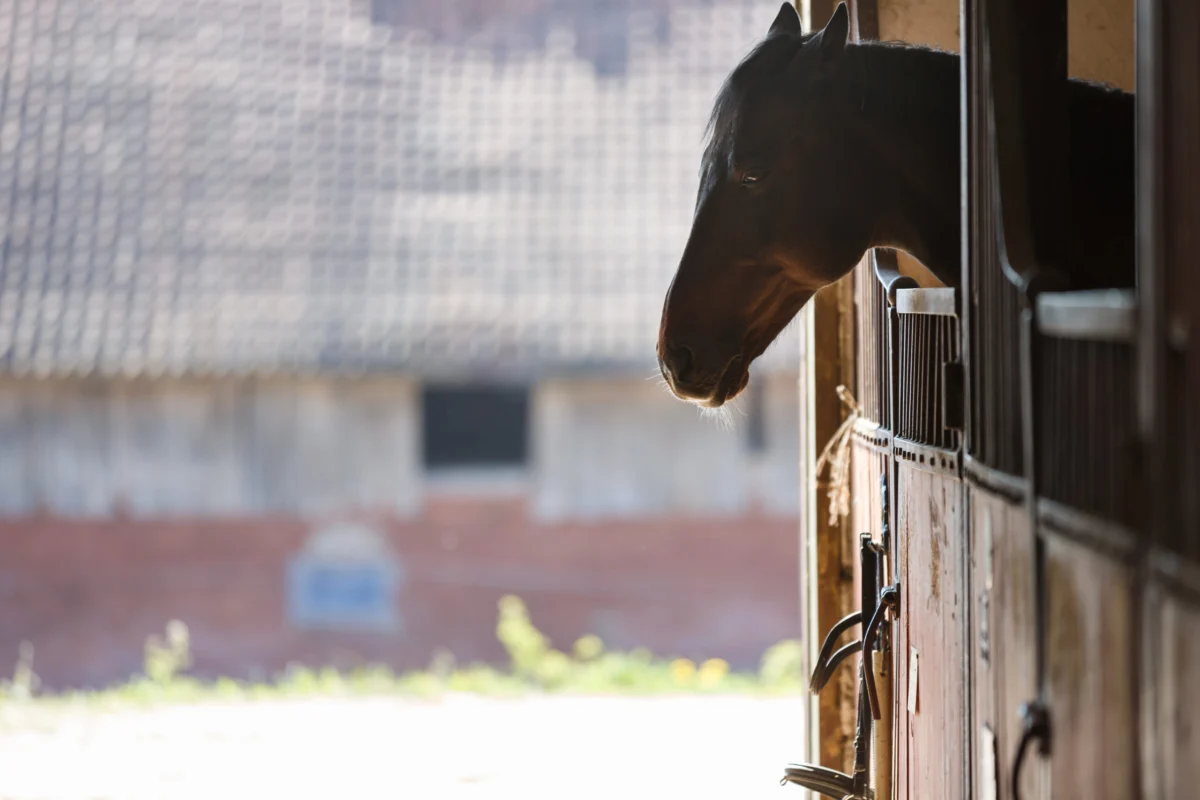
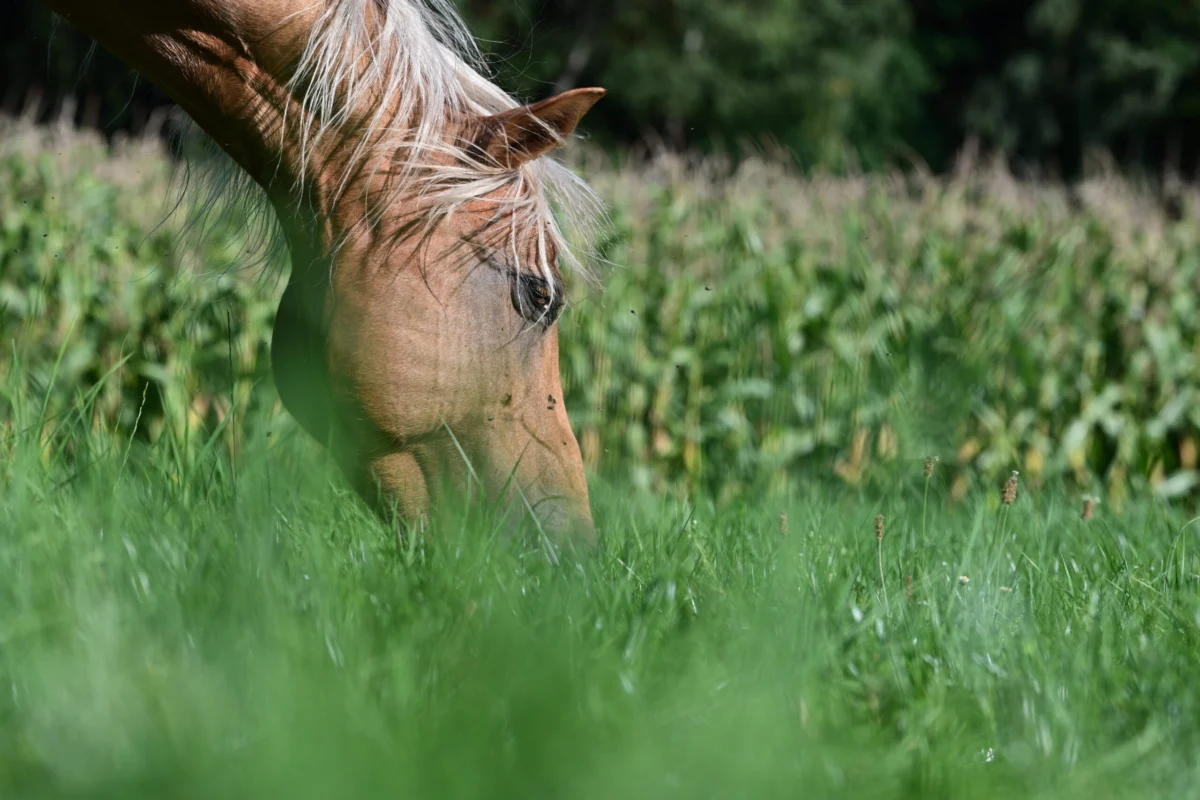
CECIL COUNTY, Md. — A 15-year-old Quarter Horse mare stabled in Cecil County, Maryland, has been euthanized after contracting the West Nile virus (WNV), highlighting the persistent and lethal threat that vector-borne diseases pose to the equine population during the peak vector seasons.
The case, confirmed on September 18, underscores the critical importance of rigorous vaccination protocols and proactive mosquito management for horse owners across the Mid-Atlantic region and beyond. According to reports compiled through the Equine Disease Communication Center (EDCC) Health Watch network, the mare began exhibiting acute clinical signs of neurological and systemic distress on September 10. Despite veterinary intervention, the severity of her condition necessitated humane euthanasia. Her prior vaccination history remains unknown, leaving health officials unable to determine whether baseline immunizations could have altered the tragic trajectory of her illness.
Main Facts
The confirmation of West Nile virus in Cecil County serves as a sobering reminder of the neurological dangers lurking in standing water and warm-weather climates.
- The Subject: A 15-year-old Quarter Horse mare residing in Cecil County, Maryland.
- Timeline of Infection: Clinical signs manifested on September 10; laboratory confirmation and subsequent euthanasia occurred on September 18.
- Vaccination Status: Unknown, highlighting a common vulnerability in severe or fatal equine arbovirus cases.
- Transmission Vector: Spread exclusively via the bites of infected mosquitoes, which acquire the virus by feeding on infected birds—the natural reservoir hosts.
- Prognosis and Mortality: While WNV has no specific cure, supportive care can save some horses. However, equine mortality rates for the clinical presentation of the disease range from 30% to 40%, and survivors often suffer from long-term neurological deficits.
- Prevention Standards: Recognized industry authorities, including the American Association of Equine Practitioners (AAEP), classify WNV vaccination as a core vaccine for all equids.
Chronology of the Cecil County Case
The progression of the disease in the Cecil County mare illustrates the rapid and devastating nature of arboviral infections in naive or unprotected equine populations.
- Late August / Early September: Mosquito populations remain robust across Maryland due to lingering warm temperatures and seasonal precipitation, creating an environment highly conducive to WNV transmission cycles between local bird populations and equine vectors.
- September 10: The 15-year-old Quarter Horse mare begins to display noticeable clinical abnormalities. While specific early signs can vary widely, typical presentations of WNV include stumbling, muscle fasciculations (particularly around the face and neck), behavioral changes, hyperesthesia (hypersensitivity to touch and sound), hind-limb weakness, and eventual recumbency.
- September 10–17: As the mare’s condition deteriorates despite supportive medical interventions, veterinarians run diagnostic tests to pinpoint the etiology of the neurological episode.
- September 18: Laboratory results definitively confirm a positive diagnosis for West Nile virus. Given the grave prognosis associated with advanced neurological WNV cases and the deterioration of the animal’s quality of life, the decision is made to humanely euthanize the mare.
- Post-Diagnosis: The case details are reported to state animal health authorities and disseminated via the EDCC Health Watch to alert regional horse owners, veterinarians, and farm managers to active virus circulation in Cecil County.
Supporting Data and Medical Overview: Understanding WNV 101
West Nile virus is a zoonotic pathogen belonging to the genus Flavivirus. Once an infected mosquito feeds on a horse, the virus replicates and can cross the blood-brain barrier, leading to inflammation of the brain and spinal cord (encephalomyelitis).
Clinical Signs in Equines
Not every horse bitten by an infected mosquito will develop clinical disease; in fact, many mount an asymptomatic immune response. However, when clinical signs do appear, they frequently mimic other serious neurological conditions, such as Equine Encephalomyelitis (Eastern and Western), Rabies, and Equine Protozoal Myeloencephalitis (EPM). Common symptoms include:
- Loss of coordination, ataxia, and stumbling
- Muscle tremors and twitching, particularly in the facial muscles, lips, and neck
- Aimless wandering, head pressing, or compulsive walking
- Fever (though not always present at the time of examination)
- Partial paralysis, inability to stand, or profound lethargy
- Behavioral alterations, including sudden aggression or dullness
Prevention through Vaccination
Epidemiological studies consistently demonstrate that vaccines are highly effective tools for preventing WNV. The AAEP recommends that all horses receive a core vaccination for West Nile virus annually.
- Standard Boosters: Horses that have been vaccinated in previous years require an annual booster shot. In regions like the Mid-Atlantic, where mosquito seasons are increasingly prolonged due to shifting climate patterns, veterinarians frequently recommend a modified schedule consisting of two boosters annually—one administered in the spring before peak mosquito activity, and a second in the fall to maintain protective titers through the late-season vector window.
- Unvaccinated Horses: Equines with no prior vaccination history require a primary two-shot series administered three to six weeks apart.
- Immune Response Lag: It is vital for owners to understand that protection is not instantaneous. It typically takes several weeks following the administration of the complete primary series or a booster shot for a horse to develop a robust, protective antibody titer against the virus.
Environmental Vector Mitigation
Vaccination should always be paired with aggressive environmental management to reduce mosquito populations and limit a horse’s exposure to bites. Best management practices include:
- Eliminating Standing Water: Emptying, scrubbing, or turning over items that collect water—such as stock tanks, old tires, buckets, wheelbarrows, and clogged gutters—every three to five days to disrupt the mosquito breeding cycle.
- Managing Stock Tanks: Treating large water troughs with biological larvicides (such as Bacillus thuringiensis israelensis or BTI) that are safe for livestock consumption.
- Stabling Practices: Keeping horses inside during peak mosquito feeding times, typically from dusk until dawn.
- Barrier Protection: Installing fans in barns to create air currents that deter mosquitoes, utilizing fine-mesh fly sheets and masks, and applying EPA-approved equine-safe insect repellents containing active ingredients like permethrin or pyrethrins.
Official Responses and Industry Vigilance
The dissemination of this case report by the Equine Disease Communication Center highlights the vital role that transparent surveillance plays in modern equine husbandry. The EDCC operates as an independent, industry-supported nonprofit organization dedicated to providing open-access, verified information regarding infectious disease outbreaks across North America.
State veterinarians and equine extension specialists across Maryland reiterate that arboviruses like West Nile and Eastern Equine Encephalomyelitis (EEE) remain persistent annual threats. Because mosquitoes thrive in varied microclimates—from rural agricultural operations to suburban boarding facilities—no horse is entirely out of risk’s reach without proper preventive care.
"Cases like the one in Cecil County are heartbreaking because they are largely preventable," noted a regional equine veterinary practitioner not directly involved in the case. "When owners see warm weather extending well into autumn, they often let down their guard regarding mosquito control and vaccination schedules. Viruses like WNV do not respect calendar months; they persist as long as the vectors are active."
Implications for Horse Owners and the Equine Industry
The loss of the Cecil County mare carries broad implications for farm management, veterinary planning, and biosecurity protocols throughout the equine community.
1. Reassessing Biosecurity and Vaccination Calendars
The unknown vaccination status of the euthanized mare serves as a cautionary tale for owners who rely on informal memory rather than documented veterinary records. Farm managers must maintain meticulous health logs for every animal on the property. Furthermore, the traditional paradigm of a single spring vaccination may no longer suffice in geographic areas experiencing extended warm autumns. Veterinarians are increasingly urging bi-annual booster protocols to ensure continuous immunological protection.
2. Differential Diagnosis Challenges
Because WNV shares clinical presentations with several other fatal or highly contagious neurologic diseases—most notably rabies and EEE—suspected cases require immediate veterinary examination and differential diagnostic testing. Quick identification not only guides appropriate supportive care but also protects human handlers, given the zoonotic potential of diseases like rabies and the public health implications of mosquito-borne pathogens.
3. Economic and Emotional Impacts
The financial cost of treating a severe neurological equine patient can be exorbitant, often requiring intensive veterinary oversight, slings, intravenous fluids, and round-the-clock nursing care. Even with aggressive treatment, the prognosis for horses that become recumbent due to WNV is poor. Emotionally, the sudden deterioration and loss of a companion animal or performance horse exacts a heavy toll on owners and stablemates alike.
4. Community-Wide Mosquito Control
Individual farm efforts to control mosquitoes can be severely undermined if neighboring properties harbor unmanaged breeding grounds. Effective vector management requires a community-wide commitment. Boarding stables, riding academies, and private horse owners must collaborate with local mosquito control districts to monitor and suppress vector populations proactively.
As autumn progresses, the Cecil County case stands as a stark reminder that vigilance, comprehensive vaccination, and rigorous environmental management remain the absolute best defenses against the silent threat of West Nile virus. Horse owners are strongly encouraged to consult with their local veterinarians immediately to review their herds’ vaccination status and implement comprehensive biosecurity measures before the next vector season arrives.