In the complex landscape of domestic animal law, few scenarios are as emotionally charged or legally precarious as the "rehoming regret." When an owner decides to part with a beloved pet, they often do so under the assumption that the animal is entering a stable, permanent environment. However, when those expectations are subverted by reports of neglect, the original owner is often left grappling with a profound sense of moral obligation that frequently clashes with the rigid realities of property law.
A recent inquiry from an Ohio resident highlights this dilemma: after gifting a cat to a co-worker last December, the original owner discovered the animal was allegedly being mistreated. Seeking to rectify the situation, the owner contemplated a strategy of "self-help"—specifically, keeping the cat during a scheduled pet-sitting window to circumvent a formal confrontation. This case serves as a critical case study into the limitations of emotional attachment versus legal ownership.
Chronology of a Failed Transition
The narrative of this specific case follows a trajectory common to many informal rehoming arrangements.
- December 2023: The original owner formally transfers possession of the cat to a co-worker. In the absence of a written contract or a formal "rehoming agreement," the transfer is treated as a gift.
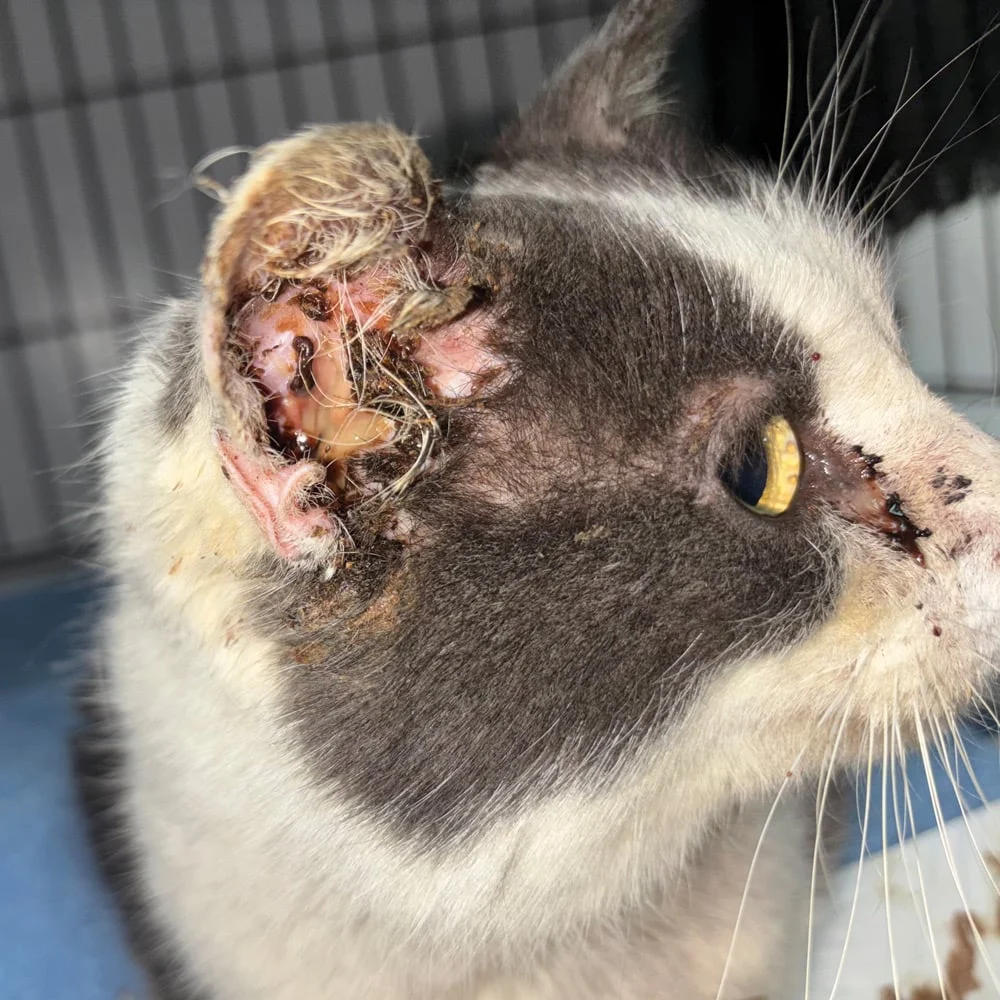
- Late 2024: The original owner receives information suggesting that the cat is no longer receiving adequate care.
- The Present: The current owner (the co-worker) requests that the original owner pet-sit the animal during an upcoming vacation.
- The Ethical Conflict: The original owner views the pet-sitting opportunity as a potential "window of retrieval," questioning whether they can legally refuse to return the cat once the animal is back under their roof.
This timeline illustrates the transition from a voluntary transfer of property to an adversarial conflict. Because the initial transfer lacked documentation, the original owner believes their possession of the cat’s historical veterinary shot records establishes a superior claim to the animal. However, in the eyes of the law, the distinction between "possession" and "title" is significant.
The Legal Reality: Property Law and the "Gift" Doctrine
Under the laws of Ohio—and indeed most jurisdictions across the United States—pets are classified as personal property. When an individual gives a pet to another person, the law generally interprets this as a completed gift. Once the transfer is made, the donor (the original owner) relinquishes all legal rights, title, and interest in the animal.
The Myth of Historical Records
Many pet owners erroneously believe that holding a cat’s medical records or vaccination history serves as a "deed of ownership." While these records are vital for veterinary care and identification, they do not function as a title in a legal sense. If the current owner has maintained physical possession of the animal, the law presumes them to be the owner. Attempting to seize the cat during a pet-sitting arrangement would not be viewed as a "reclamation" of property, but rather as an act of theft or conversion.
The Perils of "Self-Help"
Legal experts warn that the original owner’s plan to keep the cat during the pet-sitting period is fundamentally flawed. If the pet-sitter were to refuse to return the animal, they would be acting outside the bounds of the bailment agreement (the informal contract created by the act of pet-sitting). This could lead to:
- Civil Liability: The current owner could sue for the return of the property or damages equivalent to the cat’s market value.
- Criminal Implications: Depending on the jurisdiction and the value of the animal, unauthorized retention of the cat could potentially be reported to law enforcement as theft.
Supporting Data: The Prevalence of Informal Rehoming
Data from the American Society for the Prevention of Cruelty to Animals (ASPCA) suggests that informal rehoming—transferring pets between friends, family, or via social media—accounts for a significant portion of animal placement. Unlike professional shelters, which mandate detailed contracts, home-to-home transfers rarely include legal documentation.
This lack of "paper trails" is the primary driver of disputes. When a dispute arises, the lack of a contract forces courts to rely on circumstantial evidence—such as who pays for veterinary bills, who houses the animal, and who provides day-to-day care. In the case of the Ohio resident, the co-worker’s lack of documentation is balanced against the fact that the animal has resided in their home for nearly a year. In a court of law, the co-worker’s continuous possession would likely outweigh the original owner’s historical shot records.
Official Responses and Procedural Alternatives
For those who suspect an animal is being neglected, the legal system provides specific, albeit slower, channels for intervention. Experts emphasize that "taking the law into one’s own hands" is rarely the recommended course of action.
The Role of Animal Control and Humane Societies
If there is genuine concern regarding the welfare of an animal, the appropriate response is to document the conditions and report them to local authorities. In Ohio, as in most states, the police, county sheriff, or local humane society have the jurisdiction to investigate claims of animal cruelty or neglect.
- Investigation: Authorities have the legal authority to enter a property (under specific conditions) to assess the animal’s health.
- Intervention: If neglect is substantiated, the state may seize the animal. This is a legal path to rehoming that ensures the safety of the animal without violating the rights of the individual.
- Negotiation: In some cases, legal professionals suggest offering to purchase the animal back. While this may feel like "paying for one’s own cat," it is a contractually sound method of regaining legal ownership. It effectively converts a dispute over property rights into a standard commercial transaction, providing the original owner with a bill of sale that serves as indisputable proof of title.
The Broader Implications: Lessons for Future Owners
The situation highlights a systemic need for better education regarding pet ownership and the legal status of animals. To avoid such heart-wrenching scenarios, potential rehomers should consider the following:
1. The Importance of Written Agreements
Any transfer of a pet should be accompanied by a simple written document. This document should outline whether the transfer is permanent, if the original owner retains any rights of "first refusal" (the right to be offered the cat back if the new owner can no longer care for it), and signatures from both parties.
2. Microchipping and Registration
A microchip is one of the few forms of "identification" that carries weight in a legal dispute. If the original owner retains the registration in their name, it provides a much stronger argument for ownership than a paper shot record.
3. Ethical Due Diligence
The most effective way to prevent the need for legal intervention is to perform due diligence before the initial transfer. Assessing the potential owner’s lifestyle, commitment, and resources can prevent the need for a mid-cycle recovery effort.
Conclusion: The Path Forward
The situation faced by the Ohio resident is a stark reminder that empathy and legal ownership are often on different trajectories. While the urge to protect an animal from a perceived poor environment is noble, the law prioritizes the stability of possession and the sanctity of the gift.
For the individual in this case, the most prudent course of action is to abandon the idea of surreptitious recovery. Instead, if the neglect is verifiable, they should leverage the resources of local animal welfare agencies. By focusing on the health of the cat rather than the assertion of ownership, the original owner acts in the best interest of the animal, while also avoiding the legal pitfalls that would arise from an unauthorized seizure.
Ultimately, the law does not provide an easy "undo" button for gifting a pet. It requires that we approach the end of ownership with the same level of seriousness and legal rigor that we apply to the acquisition of the animal in the first place. For those currently holding a pet they suspect is in danger, the solution lies in documentation, professional intervention, and, when necessary, the cold, hard logic of a purchase agreement.
Disclaimer: This article provides information for educational purposes only and does not constitute legal advice. Laws regarding animal ownership and welfare vary by state and municipality. Readers should consult with a qualified attorney in their local jurisdiction before taking any action that could affect their legal standing.