The landscape of American manufacturing is often defined by a delicate dance between corporate expansion and state-level economic development. Recently, this dynamic was brought into sharp focus in Ohio, where Nestlé Purina PetCare—a global leader in the pet food industry—celebrated the opening of a massive, state-of-the-art manufacturing facility in Clermont County.
While the project has been lauded by local officials as a milestone for regional employment and industrial growth, it has simultaneously ignited a firestorm of controversy among consumer advocates. The crux of the issue lies in a $10.5 million package of tax credits and incentives granted to the company by the state of Ohio and local government bodies. Critics are now questioning the wisdom of subsidizing a corporate giant while simultaneously raising concerns that the products being manufactured may rely on labeling practices that potentially mislead pet owners and skirt existing regulatory standards.
The Economic Incentive Package: A Chronology of Investment
The story of the Clermont County plant is one of long-term planning and significant financial commitment. The facility, located in Williamsburg Township, represents a multi-year effort to expand Purina’s domestic manufacturing footprint.
A Six-Year Timeline
- 2020-2021: Initial discussions regarding the facility began, with state and local officials targeting the area for industrial growth.
- 2022-2023: Site preparation and infrastructure development accelerated as the scale of the facility became apparent.
- 2024-2025: Construction moved into the primary phase, with significant logistical coordination between the state of Ohio and Purina to finalize tax abatement and incentive structures.
- 2026: The facility officially commenced operations, with a stated goal of hiring 300 employees to support production and distribution.
The financial breakdown of the incentives is substantial. According to public records, the project received approximately $6.8 million in initial incentives from the state of Ohio, Clermont County, and Williamsburg Township. This was bolstered by a $1.7 million discount on the purchase of the land, provided by the county to incentivize the site selection. Furthermore, the company secured a 10-year, $2 million job-creation tax credit, contingent upon their commitment to maintaining the 300 new jobs at the facility.

For proponents of the deal, these figures represent a standard, necessary investment to secure high-paying manufacturing jobs. However, consumer advocates argue that when a company receives taxpayer-funded support, the public has a right to demand a higher level of transparency and accountability regarding the safety and accuracy of the goods produced within those subsidized walls.
The Labeling Conflict: Perception vs. Reality
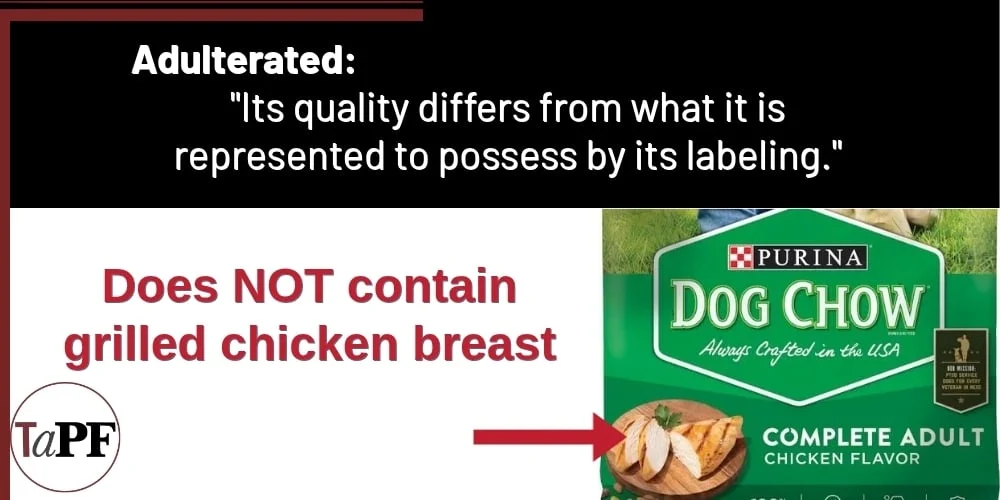
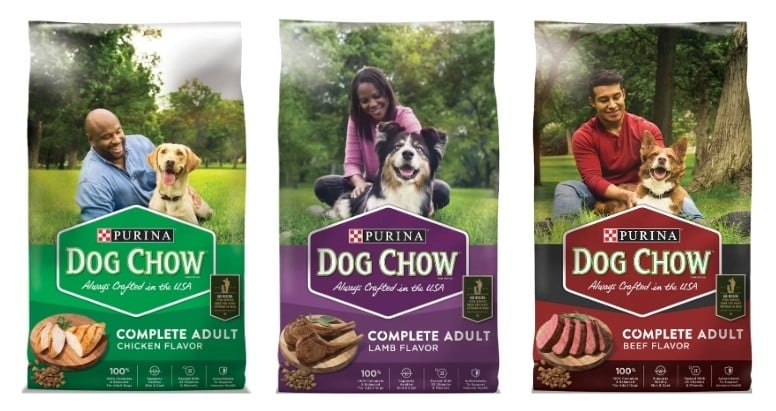
The primary source of friction between consumer advocates and the manufacturer involves the aesthetic representation of ingredients on Purina Dog Chow packaging. A casual stroll down the pet food aisle reveals bags adorned with high-definition, appetizing images of grilled chicken breast, roasted lamb chops, and thick-cut steaks.
To the average consumer, these images create an expectation of quality and ingredient sourcing. However, critics argue that the reality inside the bag is vastly different from the imagery on the front. Upon closer inspection of the ingredient lists—often found in smaller, less conspicuous print—it becomes clear that the products do not contain the whole meats depicted. Instead, the formulas utilize "chicken by-product meal" and "meat and bone meal."
The Regulatory Disconnect
The core of the legal argument rests on Ohio’s own animal feed regulations. According to Ohio Revised Code Section 923.48, a pet food is considered "adulterated" if its composition or quality falls below or differs from what is represented by its labeling.
Advocates argue that the use of premium imagery to market products that actually contain rendered by-products constitutes a form of consumer deception. While the term "flavor" is sometimes included on the packaging, the lack of a clear, front-of-bag disclosure stating that the product does not contain the featured meats creates a significant gap between consumer expectation and the actual physical content of the food.
The Science of Rendered Ingredients
The debate over "feed grade" versus "human grade" ingredients is central to the conversation surrounding Purina’s production standards. Rendered ingredients, such as chicken by-product meal and meat and bone meal, are the industry standard for mass-market dry pet foods, but their sourcing remains a point of contention.
FDA Findings and Pentobarbital Concerns
The U.S. Food and Drug Administration (FDA) has historically investigated the presence of pentobarbital—a drug used for euthanasia—in pet foods. In 2002, the FDA released data indicating that certain rendered ingredients, specifically meat and bone meal, beef and bone meal, and animal fat, were potentially sourced from animal carcasses that had been euthanized.
While the industry maintains that strict quality control measures are in place to prevent contaminated raw materials from entering the supply chain, the scientific community notes that these rendered products are inherently processed from materials that are not intended for human consumption. If the raw materials for these meals are not sourced from USDA-inspected and passed animals—meaning they include "condemned" or inedible parts—they may fall outside the scope of what is legally permitted for sale as safe pet food.

Implications for Corporate Responsibility
The awarding of $10.5 million in tax credits brings the issue of corporate accountability to the forefront. If a company accepts public funds to build a facility, should that funding be tied to a more rigorous standard of transparency?
The Argument for Stricter Enforcement
Critics contend that the state of Ohio has an obligation to ensure that the companies it subsidizes are not only creating jobs but also operating in total compliance with the spirit and letter of consumer protection laws. If a company is permitted to use misleading marketing tactics that potentially violate state regulations, critics argue that the tax credits essentially subsidize a deceptive practice.
The implications are twofold:
- Consumer Protection: If the labeling is indeed in violation of Ohio’s "adulteration" definitions, then consumers are being misled about the nutritional quality of the food they feed their pets.
- Public Trust: The use of taxpayer money for a company that faces significant scrutiny regarding its product integrity can erode public trust in government development agencies.
Official Responses and the Path Forward
To date, the response from state authorities has been largely focused on the economic benefits of the facility. The expansion of the job market in Clermont County is a tangible metric that officials often cite when defending incentive packages. However, the pushback from organizations like the Association for Truth in Pet Food suggests that the "economic growth" narrative is no longer sufficient to silence concerns about product quality.
Pet food consumer advocates, led by figures like Susan Thixton, are urging residents of Ohio to contact their state representatives. The goal is to initiate a full investigation into the incentive package and to demand that the state mandate full regulatory compliance for any corporation receiving government financial assistance.
Key Questions for Legislators:
- Does the current state oversight adequately address the discrepancy between label imagery and actual ingredient composition?
- Should future tax credit agreements include "compliance clauses" that allow for the clawback of incentives if a company is found to be in violation of consumer protection or food safety laws?
- Is the current definition of "adulterated" under Ohio law being strictly applied to pet food manufacturers, or is there an element of administrative discretion that favors large corporations over consumer transparency?
Conclusion
The situation in Ohio serves as a microcosm of a broader national debate. As the pet food industry continues to consolidate and expand, the tension between marketing, manufacturing costs, and consumer safety will only intensify.
When a state government writes a check for $10.5 million, it is effectively endorsing the recipient. If that recipient is then accused of using misleading labels or relying on potentially low-grade, controversial ingredients, the state finds itself in the uncomfortable position of defending a practice that contradicts the values of its own citizens. Moving forward, the conversation will likely shift from simple job-creation numbers to the quality and honesty of the products leaving the factory floor. For Ohioans, the question is no longer just about how many jobs were created, but what kind of corporate conduct they are willing to subsidize with their tax dollars.