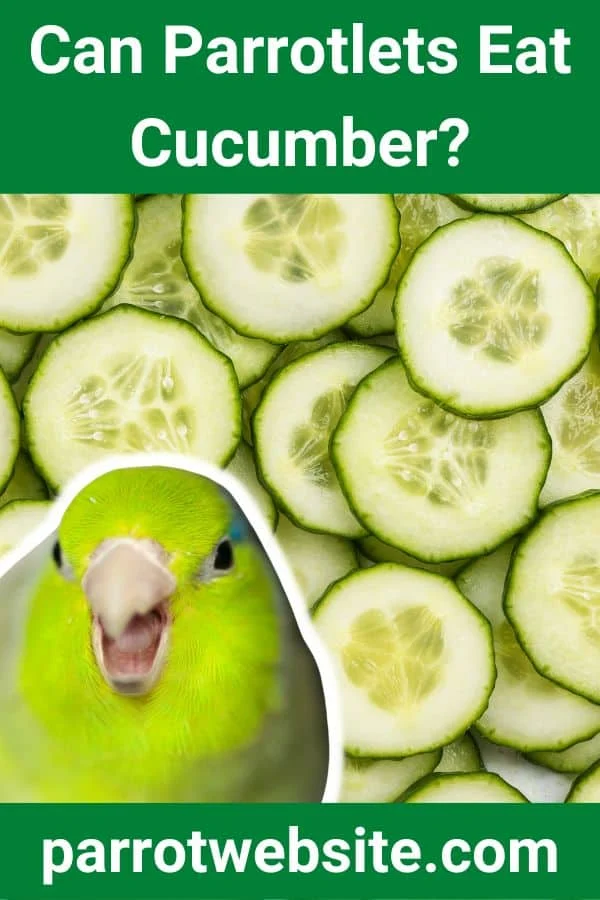
For many bird enthusiasts, the parrotlet—often affectionately referred to as the "pocket parrot"—is a source of endless fascination and joy. Despite their diminutive stature, these birds possess complex metabolic needs and vibrant personalities that require careful stewardship, particularly regarding their daily nutritional intake. A common question echoing through avian care communities is whether the humble cucumber—a ubiquitous kitchen staple—has a place in a parrotlet’s feeding regimen. The answer is a resounding yes, though it comes with specific clinical caveats regarding frequency, preparation, and dietary balance.
Main Facts: The Cucumber Profile
At its core, the cucumber (Cucumis sativus) is an incredibly hydrating, low-calorie vegetable that serves as a refreshing snack for various psittacine species, including the Forpus genus. While cucumbers are composed of approximately 96% water, the remaining 4% contains a concentrated profile of essential vitamins and minerals that can contribute to a parrotlet’s overall vitality.
When introduced correctly, cucumber acts as a supplemental treat rather than a primary food source. It offers a crisp texture that provides psychological stimulation, helping to alleviate the monotony of a seed-or-pellet-heavy diet. From a nutritional standpoint, it is a low-glycemic, hydrating food item that can assist in maintaining fluid balance, particularly in indoor environments where humidity levels may fluctuate.
Chronology of Integration: How to Safely Introduce New Foods
The introduction of fresh produce into an avian diet should never be an abrupt transition. Digestive health is paramount in small birds; an sudden surge in high-water-content produce can trigger osmotic diarrhea or temporary gastrointestinal distress.
- The Initial Assessment: Start by offering a very small, thin slice of raw, thoroughly washed cucumber. Observe the bird’s droppings over the next 24 hours. Normal, firm droppings should remain consistent.
- The Observation Phase: If the parrotlet shows interest and no digestive upset occurs, you may continue to offer small pieces once or twice weekly.
- The Enrichment Phase: Over time, cucumber can be used as a "foraging reward," placed in toys or skewers to encourage the bird’s natural investigative instincts.
Supporting Data: Nutritional Composition and Benefits
The value of the cucumber lies in its micronutrient density. While it is not a "superfood" in the sense of high caloric density, its contribution to a parrotlet’s physiological health is multi-faceted.
Fiber and Gut Health
Fiber is the silent hero of the avian digestive system. Cucumber provides dietary fiber that facilitates smooth transit through the gastrointestinal tract, preventing impaction and promoting a healthy microbiome. For smaller birds like parrotlets, keeping the digestive system "regular" is crucial to preventing metabolic waste buildup.
Antioxidants: The Role of Vitamin C
Parrotlets, like all parrots, are susceptible to oxidative stress caused by environmental pollutants, synthetic materials, and natural aging. Vitamin C acts as a potent antioxidant, neutralizing free radicals that would otherwise cause cellular damage. While birds synthesize some vitamin C, supplemental intake through fresh produce like cucumber helps support the immune system, particularly during periods of stress or molting.
Vitamin K and Blood Clotting
Perhaps the most impressive aspect of the cucumber’s profile is its concentration of Vitamin K. This fat-soluble vitamin is essential for the synthesis of proteins involved in blood coagulation. A deficiency in Vitamin K can lead to internal hemorrhaging or slow healing of minor wounds. By providing a natural source of this nutrient, owners help ensure their parrotlets maintain optimal blood-clotting factors.
Electrolytes and Minerals
Cucumbers contain magnesium, potassium, and manganese. Potassium is vital for maintaining intracellular fluid levels, while manganese is essential for bone density and joint health. Given that parrotlets are highly active and possess high metabolic rates, these minerals support the function of their skeletal, muscular, and nervous systems.
Official Perspectives: The Risks of Over-Consumption
While nutritionists and avian veterinarians agree that cucumber is safe, the "Official Stance" in veterinary nutrition emphasizes the danger of caloric dilution.
The "96% Water" Paradox
Because cucumbers are primarily water, they are incredibly low in caloric density. If a parrotlet fills its small crop with cucumber, it may fail to consume enough high-energy foods (such as healthy seeds, pellets, or high-protein vegetables) to meet its caloric needs. This is known as "caloric dilution." For a bird as small as a parrotlet, missing even one meal of high-density nutrition can have significant consequences.
The Risk of Diarrhea
Excessive consumption of high-water produce leads to polyuria (excessive urine production) or diarrhea. This causes a loss of electrolytes and can dehydrate the bird rather than hydrate it. Consequently, the consensus is to restrict cucumber to a "side dish" rather than a staple.
Implications of Preparation and Variety
How you serve the cucumber is as important as the frequency with which you offer it.
Raw vs. Cooked
Raw, organic cucumber is the gold standard. Cooking the cucumber destroys its delicate enzymatic structure and reduces the bioavailability of its vitamins. Furthermore, cooked vegetables are often seasoned with oils, salts, or spices—all of which are highly toxic to the sensitive kidneys of a parrotlet. Garlic and onion, often used in cooking, are strictly prohibited in avian diets.
The Skin and Seed Debate
- The Skin: Provided the cucumber is organic and scrubbed clean of pesticide residues, the skin is safe. It contains additional fiber and phytochemicals that benefit the bird.
- The Seeds: Many bird owners worry about the toxicity of fruit seeds (like apple seeds, which contain cyanogenic glycosides). Cucumber seeds, however, are entirely benign. They are safe to consume and offer a pleasant texture for the bird to break apart.
Varietal Differences: English vs. Armenian
- English/European Cucumbers: These are generally preferred due to their thin skin and lack of large, bitter seeds. They are easily accessible and usually require less preparation.
- Armenian Cucumbers: While perfectly safe, these are botanically more similar to melons. They are dense and slightly more bitter. While they are a great alternative, their potential for bitterness may make them less appealing to a picky eater.
Ensuring Dietary Diversity
The primary implication of including cucumber in a diet is the necessity for balance. A parrotlet should be fed a rotation of diverse vegetables. While cucumber provides hydration and minor vitamins, it should be rotated with nutrient-dense powerhouses like kale, bell peppers, broccoli, and carrots.
To maintain a healthy weight and optimal health, the "Pyramid" of parrotlet nutrition should look like this:
- Base: High-quality, avian-specific pellets (60-70% of diet).
- Secondary: A mixture of seeds, sprouts, and grains (15-20%).
- Tertiary: Fresh, varied vegetables and minimal fruit (10-15%).
- Treats: Small portions of items like cucumber (occasional, <5%).
Conclusion: A Refreshing, Safe Addition
In summary, cucumber is a safe, refreshing, and nutritionally beneficial treat that can be safely integrated into your parrotlet’s life. It offers essential hydration, crucial minerals like potassium and magnesium, and life-extending antioxidants.
However, the key to success is, as always, moderation. By keeping servings small and frequency to no more than twice a week, you ensure that your parrotlet receives the benefits of the vegetable without sacrificing the caloric and nutritional density required for their high-energy lifestyle. Always opt for organic, raw, and well-washed produce to mitigate the risks associated with modern agricultural chemicals. With these precautions in place, you can confidently offer your feathered companion a cool, crisp slice of cucumber, knowing you are supporting their health while adding a bit of variety to their day.