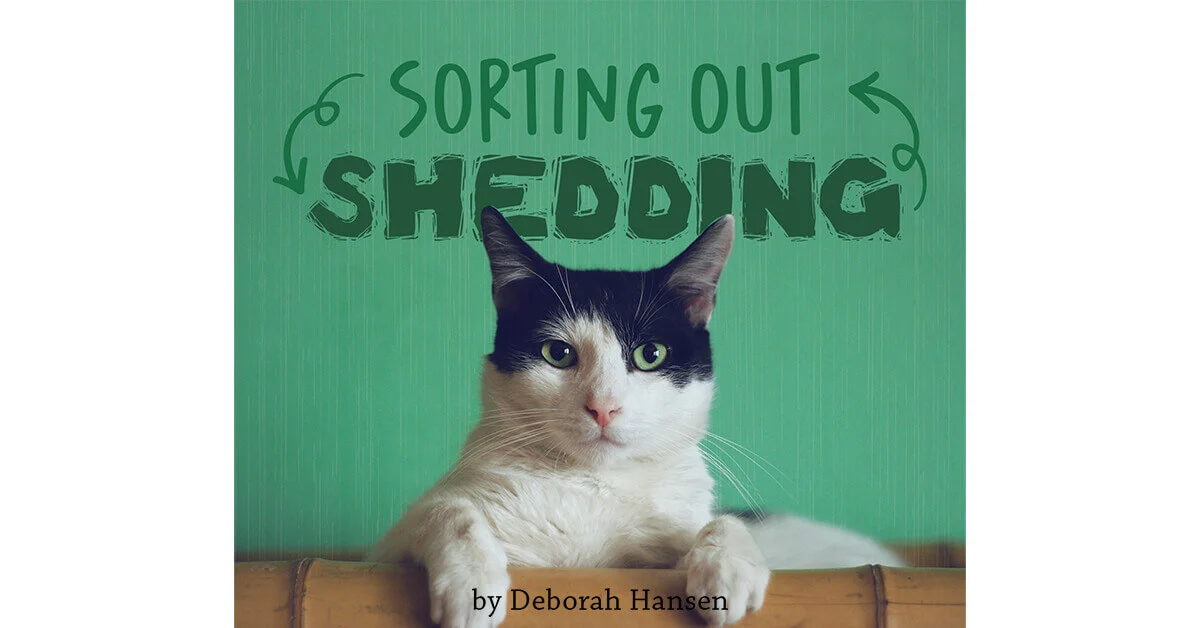
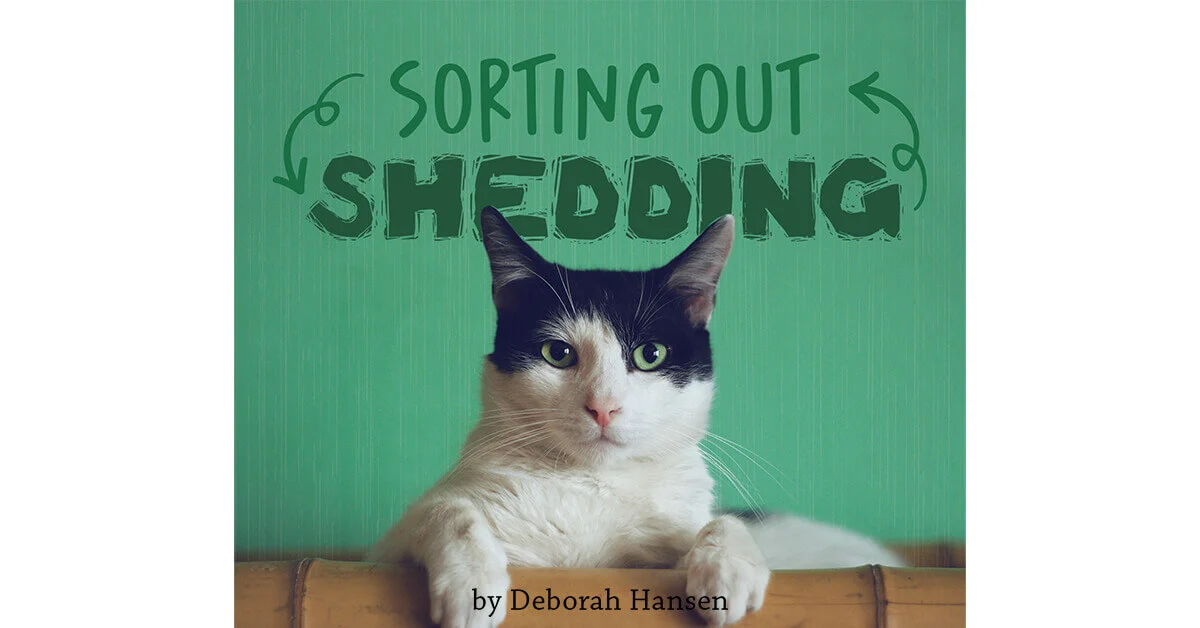
For many cat owners, the sight of tumbleweeds of fur drifting across the hardwood floor or the discovery of a fresh hairball on the rug is simply "part of life with a cat." However, for professional groomers, these phenomena represent a complex biological process that, if misunderstood, can lead to both domestic frustration and serious medical risks for the feline.
As the professional grooming industry continues to evolve, the ability to explain the nuances of feline shedding—and to provide proactive solutions—has become a cornerstone of the groomer-client relationship. By moving beyond the surface-level misconceptions, groomers can transform from service providers into essential partners in feline health.
The Science of Shedding: Dispelling the Heat Myth
The most pervasive misconception in the feline world is that cats shed because they are "too hot." While it is true that many owners rush to schedule "lion cuts" during the peak of summer, attributing this behavior solely to temperature is scientifically inaccurate.
Photoperiodism: The True Trigger
The primary driver of feline shedding is not ambient temperature, but photoperiodism—the duration of exposure to daylight. Cats are highly sensitive to the shifting hours of sunlight, which act as a biological cue for their internal systems. As daylight increases in the spring and decreases in the fall, the feline endocrine system triggers the shedding of the winter coat or the transition to a heavier coat, respectively.
Humans often misinterpret this as a reaction to heat because the increase in sunlight hours coincides with the rising temperatures of the seasons. Because humans are physiologically more sensitive to heat than to subtle changes in light, they project this correlation onto their pets. Understanding this distinction is vital; if a groomer explains to a client that their cat is shedding because of the changing season’s light cycle rather than a "hot apartment," it demonstrates a level of expertise that builds immediate professional trust.
The Lifecycle of a Hair Follicle
At a cellular level, every feline hair follicle undergoes a predictable cycle: growth (anagen), transition (catagen), resting (telogen), and shedding (exogen). Because this is a continuous, biological cycle, there is no "cure" for shedding. It is a natural process that, while unavoidable, requires active management to prevent the accumulation of dead hair. Groomers must emphasize to their clients that shedding is not a flaw in the cat’s health, but a byproduct of being a healthy mammal.
Chronology of the Shedding Cycle
In a professional grooming environment, the shedding cycle is often predictable, allowing groomers to anticipate demand and prepare clients for the upcoming "fur-pocalypse."
- The Early Warning Phase: As the equinoxes approach and the daylight hours begin to shift noticeably, professional groomers often observe an increase in the volume of dead coat collected during routine sessions. This is the "silent" phase of the shed.
- The Complaint Phase: Approximately four weeks after the initial shift in light, groomers typically see a spike in client calls. Owners begin to notice an unmanageable amount of hair on furniture, clothing, and in the air.
- The Pelting Phase: Six to eight weeks after the cycle begins, the volume of dead coat trapped within the healthy coat often leads to matting and "pelting." This is the period when groomers see the most severe cases, often requiring extensive, time-consuming interventions to remove tightly packed, dead undercoat that has become fused with the living hair.
Beyond the Season: Stress as a Catalyst
While sunlight is the primary regulator, external stressors can trigger sudden, heavy shedding that feels abnormal to the owner. This is often why a client might call to complain that their cat is shedding more immediately after a grooming session.
The "Grooming Stress" Response
The process of being transported, handled, and washed can trigger a physiological stress response in a cat. This response can cause a temporary, localized increase in hair loss. It is essential for groomers to educate owners on this: if a cat arrives home and leaves fur everywhere, it is often a sign of the stress the cat endured during the transit or the grooming process itself.
Environmental Stressors
Shedding is also a barometer for the cat’s emotional state. Significant disruptions to the home environment—such as the introduction of a new pet, the arrival of house guests, a change in work schedules, or a move—can lead to "stress shedding." When a cat’s routine is interrupted, their hormonal balance shifts, often resulting in an increased shedding rate. Groomers should encourage clients to look at the household calendar when their cat’s coat seems uncharacteristically unruly.
The Medical Implications: Why Shedding Must Be Addressed
While shedding is an annoyance for humans, it is a legitimate health hazard for cats. Felines are fastidious groomers, and the primary mechanism for removing dead coat is their own tongue.
The Hairball and Beyond
When a cat ingests dead coat, it travels into the stomach. The coat is then either:
- Regurgitated: The classic, albeit unpleasant, "hairball."
- Digested/Passed: The hair travels through the digestive tract and is excreted in the feces.
- The Obstruction: In some cases, the hair accumulates into a mass that the cat cannot pass. This leads to a gastrointestinal blockage.
An internal blockage is a life-threatening medical emergency. It often requires invasive surgery to remove the mass of hair. For the client, this represents a significant financial burden and a high-risk situation for the cat. By maintaining a professional grooming schedule, owners are not just keeping their homes clean—they are engaging in preventative healthcare.
Matting and Pelting
If dead hair is not removed, it traps heat and moisture against the skin. This leads to matting, where the hair becomes tightly knotted. If left unaddressed, these mats harden into pelts—thick, impenetrable sheets of dead hair and debris that pull on the cat’s skin, causing pain and potential skin infections.
The Groomer’s Role: Professional Interventions
The goal of the professional groomer is to provide a "shed-control" strategy that fits the specific needs of the cat and the lifestyle of the owner.
The Lion Cut: A Strategic Tool
The lion cut is often misunderstood as a purely aesthetic choice. In reality, it is a highly effective tool for cats prone to severe matting or for owners who struggle to maintain a strict grooming schedule. For households where a cat has already experienced a surgical intervention for a hairball obstruction, a lion cut scheduled every four to six weeks can provide significant peace of mind. However, groomers must be transparent: even a lion-cut cat will continue to shed, as the follicle cycle remains unaffected.
The Full-Coat Groom
A "full-coat groom" is the gold standard for shedding management. This process involves:
- A thorough comb-out to loosen dead hair.
- A dual-shampoo bath to cleanse the skin and release further trapped coat.
- Force-drying, which acts as a powerful air-vacuum to blow out loosened hair.
- A final, detailed comb-out to ensure all dead hair is removed.
Frequency is key. While some breeds or hair types can maintain a coat for up to ten weeks, others—such as dense, short-haired breeds—require grooming as often as every two weeks to effectively mitigate shedding.
The "De-Shed" Add-On
Many professionals utilize a specialized "de-shedding" service as an add-on to the full-coat groom. This typically involves advanced suction technology and specialized tools. To show value to the client, successful groomers often use visual aids. Showing the client a side-by-side comparison—a pile of hair from the comb-out versus a pile of hair from the vacuum—provides empirical evidence of the service’s effectiveness. This encourages the client to perceive the de-shed service as a mandatory part of their maintenance plan rather than an optional extra.
Conclusion: Bridging the Gap Through Education
The confusion surrounding feline shedding is a byproduct of human misunderstanding of feline biology. By acting as educators, professional groomers can bridge the gap between owner expectations and the reality of the cat’s natural hair cycle. When we explain the role of sunlight, the impact of stress, and the medical dangers of ingested hair, we empower our clients to make informed decisions.
Ultimately, the groomer’s role is to provide a consistent, high-quality service that prioritizes the comfort and safety of the cat. Through professional grooming, we don’t just manage hair—we manage health, comfort, and the enduring bond between the owner and their feline companion.