
For many cat owners, the vision of a "low-maintenance" pet is one of the primary reasons they choose a feline companion. Unlike dogs, which require leashes, walks, and consistent outdoor socialization, cats are often perceived as autonomous creatures content to occupy themselves with a scattering of synthetic mice or a sunbeam. However, animal behaviorists are increasingly warning that this hands-off approach is a leading cause of the modern house cat’s mental and physical decline.
The secret to a thriving, well-adjusted cat isn’t found in a high-end scratching post or an expensive automated feeder. Instead, it is found in the one thing most owners neglect: dedicated, human-led interactive play.
The Core Facts: Why Your Cat Needs You
Interactive play is not merely a recreational pastime; it is a biological necessity. In the wild, a cat’s day is dominated by the "hunting sequence"—a cycle of stalking, chasing, pouncing, catching, killing, and finally, consuming and resting. Domesticated cats retain these exact predatory instincts, but the indoor environment rarely provides an outlet for them.
When that cycle is broken, the pent-up energy must go somewhere. Veterinarians and behaviorists frequently link the lack of structured, interactive play to a host of common feline behavioral issues:
- Nocturnal Hyperactivity: The "zoomies" at 3:00 AM are often a direct result of unused prey-drive energy.
- Destructive Behavior: Cats that are bored will create their own entertainment, often by shredding furniture or knocking over household items.
- Aggression: Play-motivated aggression, such as "ankle-biting" or ambushing owners, is usually a cat’s attempt to engage a human in a surrogate hunting session.
- Depression and Anxiety: Without the dopamine hit provided by the "catch," many cats become lethargic or develop stress-related health issues.
The essential difference between your cat playing alone with a toy and engaging in interactive play is, quite simply, your participation. You are the "prey" driver, the mentor, and the facilitator of the hunt.
Chronology of a Successful Session
To properly engage your cat, you must understand that hunting is not a high-intensity sprint from start to finish. It is a strategic, tactical endeavor. A successful 15-minute session should follow the natural rhythm of a predator in the wild.
Phase 1: The Stalk (0–5 Minutes)
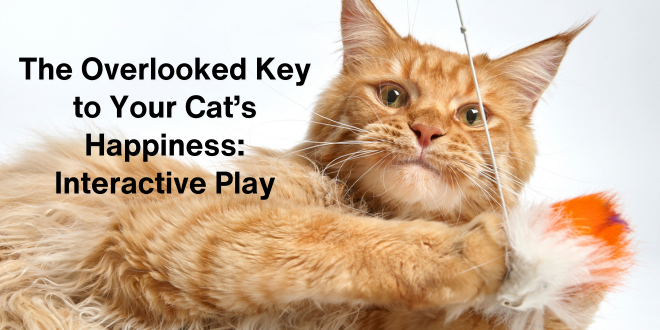
Begin the session by introducing the toy slowly. Do not wave it frantically in your cat’s face; this is unnatural and often causes cats to disengage. Instead, keep the toy low to the ground. Move it behind furniture, pull it around a corner, or have it "peek" from behind a cushion. This forces the cat to engage their cognitive abilities. The goal is to get the cat to lower their body, widen their pupils, and engage in the "butt wiggle" that signals the preparation for a pounce.
Phase 2: The Chase (5–10 Minutes)
As the cat gains confidence, you can increase the speed and distance of the movement. However, maintain "prey-like" behavior. Real prey does not move in a straight line toward the predator; it darts, pauses, and changes direction. Use your wand toy to mimic this erratic movement. The pauses are critical—they allow your cat to recalibrate their focus and plan their next strike.
Phase 3: The Catch and the Wind-Down (10–15 Minutes)
Never end a session abruptly. If you stop moving the toy suddenly while the cat is at peak arousal, they remain in a state of high frustration. Instead, simulate an "injured" or "tired" prey. Gradually slow the toy’s movements until it is barely twitching on the floor. Allow your cat to make the final "kill" by pinning the toy with their paws. This provides the emotional satisfaction of a successful hunt.
Phase 4: The Reward (Post-Play)
Once the "kill" is confirmed, the cycle must be completed with food. In the wild, the hunt leads to a meal. Providing a small treat or timing the play session immediately before a main meal satisfies the cat’s biological urge to eat after exertion. This naturally leads to the final stage of the cycle: grooming and a long, restful nap.
Supporting Data: The Case Against Laser Pointers
One of the most frequent questions in animal behavior clinics concerns the use of laser pointers. While they are undoubtedly effective at getting a cat to move, they are fundamentally flawed as a training tool.
The "catch" is the most important part of the hunting sequence. It provides the cat with the neurochemical reward of a successful hunt. With a laser pointer, the cat can chase, but they can never touch. They can never feel the texture of the prey under their claws or the resistance of the toy in their teeth. Over time, this leads to intense frustration, which can manifest as displacement aggression or, conversely, a complete lack of interest in play altogether because the cat learns that "the hunt is always futile."

If you choose to use a laser pointer, treat it as a teaser. Use it only for the first few minutes to build intensity, then quickly redirect the cat’s attention to a tangible wand toy, ensuring that the cat ends the session with a physical capture.
Official Responses and Expert Consensus
Leading feline behaviorist Pam Johnson-Bennett has long advocated for this structured approach. Her research and clinical experience suggest that most "problem cats" are simply "bored cats."
"When we look at the behavioral profile of cats in shelters compared to those in enriched, interactive households," notes one veterinary study on environmental enrichment, "the disparity in cortisol levels—the stress hormone—is stark."
Experts agree that consistency is the primary variable. A cat cannot be expected to manage their energy levels if play happens only once a week. Two 15-minute sessions per day—one in the morning to burn off initial energy and one in the evening to prepare for the night—have been shown to drastically reduce the frequency of unwanted behaviors.
Implications for the Modern Cat Owner
The transition from viewing a cat as a "self-contained" pet to an active participant in a structured household routine represents a shift in how we perceive animal welfare.
1. The Bond-Building Effect: Interactive play is the most effective way to build trust with a shy or newly adopted cat. By acting as a partner in their hunting success, you become a source of positive reinforcement rather than just a roommate who provides food.

2. The Health Dividend: Obesity is the number one health issue facing indoor cats today. Structured play serves as a consistent, low-impact exercise regimen that keeps joints limber and muscles toned, which is essential as cats age.
3. The Behavioral Shift: Owners who implement a strict play schedule often report that issues like furniture scratching or "midnight zoomies" disappear within weeks. By providing a legitimate outlet for their predatory drive, the cat no longer feels the need to manufacture their own excitement.
Ultimately, the responsibility of the modern cat owner is to bridge the gap between the wild instincts of the feline and the domestic environment of the home. Interactive play is not a "bonus" or an "extra" to be performed when time permits. It is the fundamental key to a cat’s happiness.
By dedicating 30 minutes of your day to being an active participant in your cat’s life, you are not just preventing bad behavior—you are enriching their existence, fulfilling their biological purpose, and strengthening a bond that will last a lifetime. As many feline experts suggest, if you find yourself struggling with a difficult cat, the first step is always the same: pick up a wand, get low to the ground, and start the hunt.