As veterinary medicine continues to advance and our understanding of feline nutrition deepens, cats are living longer, more vibrant lives than ever before. It is not uncommon today to encounter feline companions reaching their late teens or early twenties—some, like those in the care of expert behaviorists, thriving well into their mid-twenties. However, this longevity brings a new set of responsibilities for pet owners. Often, the subtle signs of aging are masked by a cat’s stoic nature, leading owners to mistake declining health or chronic pain for the natural, inevitable "slowing down" of old age.
To ensure our senior companions enjoy their twilight years with dignity and comfort, we must look beyond the basics. Here is a deep dive into the evolving needs of the aging cat.
The Core Mandate: Why Regular Veterinary Care is Non-Negotiable
The most critical factor in senior feline welfare is a shift in veterinary frequency. While adult cats may require annual check-ups, the senior years demand a minimum of two examinations per year.
Bridging the Diagnostic Gap
Many owners skip routine exams, particularly if the process of transporting a cat to the clinic is stressful or if the animal appears outwardly healthy. This is a dangerous oversight. Senior cats are masters at hiding illness; by the time symptoms become obvious to a human observer, a condition may already be in an advanced stage. Bi-annual visits allow veterinarians to monitor blood work, track weight fluctuations, and perform physical exams that detect hypertension, kidney disease, or arthritis—conditions that, if caught early, are significantly easier to manage.
Reframing "Old Age"
It is a common misconception that a cat’s withdrawal, isolation, or loss of interest in play is simply a symptom of "being old." In reality, these behaviors are frequently clinical markers of chronic pain. When a cat stops jumping or interacting, they are often telling us that their joints hurt or their cognitive function is declining. By prioritizing veterinary intervention, owners can unlock pain management therapies and environmental modifications that restore a cat’s quality of life.

Supporting Mental Stimulation: Keeping the Mind Sharp
Cognitive decline in cats is a documented phenomenon, often referred to as Feline Cognitive Dysfunction (FCD). Just as with humans, the "use it or lose it" principle applies to the feline brain.
Interactive Play as Cognitive Therapy
Engaging a senior cat in play is not merely about physical exercise; it is about maintaining the neural pathways associated with hunting. A cat’s instinct to stalk, track, and pounce is a high-level cognitive task. Owners should initiate daily, low-impact play sessions that encourage the cat to use their mental faculties.
Puzzle Feeders and Enrichment
For senior cats, the modern convenience of a bowl of food is a missed opportunity for mental health. Puzzle feeders provide a "work-to-eat" experience that satisfies the feline brain.
- Gradual Difficulty: Start with entry-level puzzles to ensure the cat feels successful. Frustration is the enemy of enrichment; the goal is to provide a rewarding challenge, not a source of anxiety.
- Clicker Training: Contrary to popular belief, you can teach an old cat new tricks. Simple, positive-reinforcement training—such as target training or high-fives—keeps a cat engaged with their owner and provides a sense of agency. These sessions should be brief, high-reward, and calibrated to the cat’s physical stamina.
Maintaining Mobility: The Physiology of Aging
Movement is the primary defense against the stiffness of arthritis. While a senior cat should not be expected to perform the acrobatic feats of a kitten, they must remain mobile to preserve muscle mass and joint health.
Low-Impact Movement
The focus for senior cats should be on ground-level hunting. As vision and agility wane, the "flying bird" toys of their youth may become frustrating or impossible to track. Transition to toys that mimic ground-dwelling prey—bugs, mice, or snakes that scurry along the floor. These activities keep the cat interested and moving without placing undue stress on their aging spine and limbs.

Consistent, Gentle Exercise
The key is frequency over intensity. Several short sessions of 2–3 minutes of play throughout the day are far more beneficial than one long, exhausting session. Watch for signs of fatigue and adjust the pace accordingly.
Environmental Modifications: A Senior-Friendly Home
As a cat’s physical capabilities change, the home environment must adapt to support them rather than hinder them.
Accessing Vertical Space
Cats are natural climbers, and a senior cat who can no longer reach their favorite windowsill feels a genuine loss of status and security. Install ramps or small step-stools to bridge the gap between the floor and their favorite perches.
Ergonomic Adjustments
- Feeding Stations: Elevating food and water bowls reduces strain on the neck and shoulders, which is especially helpful for cats suffering from cervical or thoracic arthritis.
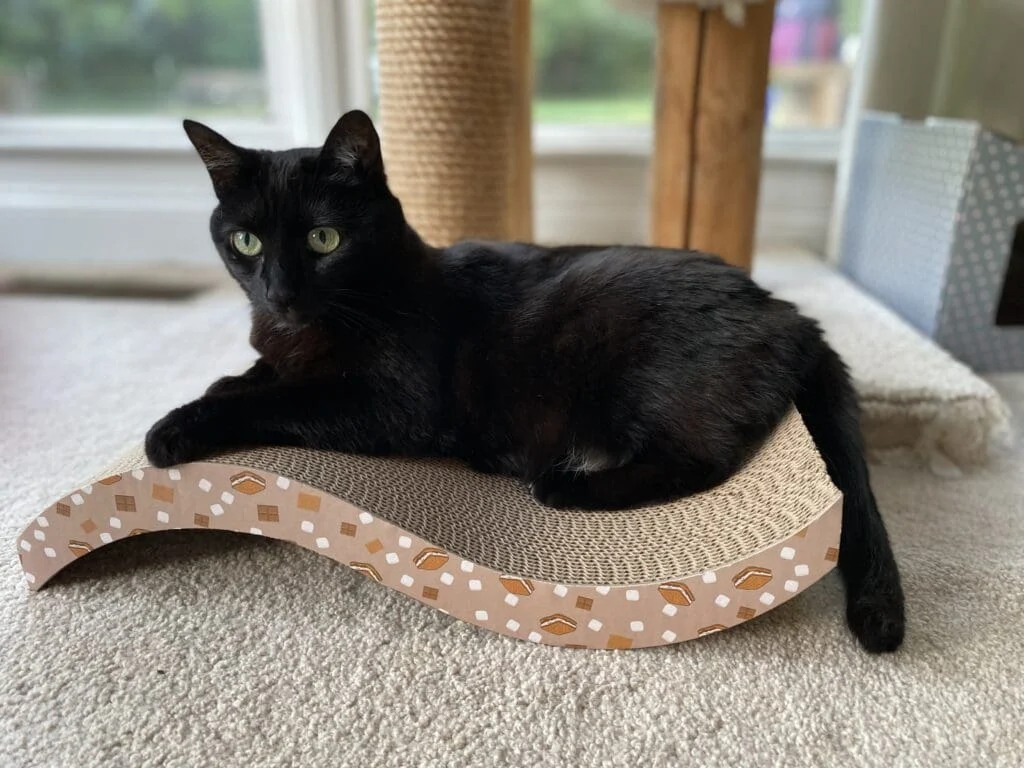
- Scratching Surfaces: Many senior cats stop using vertical scratching posts because the act of reaching upward becomes painful. Introduce horizontal scratching pads placed on the floor to allow for a satisfying stretch without the need for vertical strain.
Litter Box Logistics
Incontinence or difficulty climbing into high-sided boxes is a common issue for seniors.
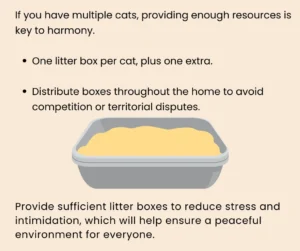
- Accessibility: Increase the number of litter boxes throughout the home so the cat never has to travel far to find one.
- Design: Opt for boxes with very low entry points. A high-sided box with a "cut-out" entrance is an excellent solution for cats who struggle with mobility but require the privacy of a traditional box.
Navigating the Dark
Failing vision is a significant hurdle for aging cats. Motion-activated nightlights placed along baseboards can help a senior cat navigate the home at night without fear. If a cat loses their sight entirely, maintain a strictly consistent floor plan—moving furniture can be disorienting and stressful. Use textured mats as tactile warnings for upcoming hazards, such as the edge of a staircase.

Implications: The Holistic Approach to Senior Care
The care of a senior cat is an ongoing, evolving commitment. Beyond the three pillars of mental stimulation, activity, and environmental modification, owners must consider the broader picture of geriatric health.
Temperature Regulation
As cats age, their ability to regulate their own body temperature decreases. They may require supplemental heat sources in the winter—such as self-warming beds or heated pads designed for pets—and extra care to ensure they remain cool and hydrated during the summer months.
Grooming and Hygiene
A senior cat may struggle to reach their back or hindquarters to groom, leading to matting or hygiene issues. Owners must step in as surrogate groomers. Regular brushing not only prevents painful mats but also serves as an excellent time to inspect the skin for lumps, bumps, or parasites that the cat can no longer manage on their own.
The Emotional Bond
Perhaps the most overlooked aspect of senior care is the emotional connection. These cats have spent years as members of our families. The "golden years" should be a time of profound connection. By alleviating their pain and making their world easier to navigate, we allow them to continue being the companions they have always been.
Conclusion: A Partnership for Longevity
The transition into the senior years is not a signal that the cat’s life is over; it is a signal that our role as stewards must change. It requires more vigilance, more patience, and a greater investment in environmental support.

When we address the three key areas—mental stimulation, activity, and environmental accessibility—we are doing more than just keeping a cat comfortable. We are honoring their history and ensuring that their final chapters are as full of love and contentment as their first. If you have concerns about your cat’s specific health needs, your veterinarian is your most valuable resource. Remember that these adjustments are not luxuries; they are essential components of high-quality, compassionate care.
For further reading on feline behavior, training techniques, and building a supportive environment for your pet, consult the expert resources and best-selling literature provided by professional feline behaviorists. Always prioritize a consultation with your veterinarian for any medical concerns.