As veterinary medicine continues to advance and our understanding of feline nutrition deepens, the domestic cat is entering a new era of longevity. It is no longer uncommon for indoor cats to thrive well into their late teens or even early twenties. However, this extended lifespan brings a nuanced set of challenges. While many owners celebrate the vitality of their aging companions, there is a growing concern that subtle signs of decline—often masked by a cat’s natural instinct to hide discomfort—are being dismissed as merely "part of getting old."
The Myth of the "Normal" Decline
The primary obstacle in geriatric feline care is the tendency to normalize inactivity and withdrawal. When a cat stops leaping onto counters or shows less interest in interactive play, owners frequently attribute these changes to age-related lethargy. In many instances, however, these behaviors are symptomatic of underlying conditions such as osteoarthritis, dental disease, or metabolic issues that cause chronic pain.
The medical consensus is clear: age is not a disease, but it is a period of increased vulnerability. The transition into the senior life stage—typically beginning around age 10 or 11—demands a pivot in how we approach our feline’s environment and health maintenance.
Chronology of Care: A Lifetime Approach
To effectively manage the senior years, owners must shift from a reactive mindset to a proactive, diagnostic one.

- The Early Senior Stage (Ages 10–12): This is the "wellness maintenance" phase. Baseline blood panels should be established to track trends in kidney function, thyroid levels, and blood pressure.
- The Mid-Senior Stage (Ages 13–15): Veterinary visits should increase to twice-yearly. Cognitive health and joint mobility become focal points.
- The Geriatric Stage (Age 16+): Intensive monitoring for sensory loss (vision/hearing), dietary adjustments for weight management, and environmental adaptations are critical for maintaining quality of life.
Supporting Data: Why Twice-Yearly Exams Matter
Data from veterinary oncology and internal medicine specialists suggest that early detection is the single most significant factor in the successful management of feline chronic illness. Conditions like Chronic Kidney Disease (CKD) or hyperthyroidism, when caught in their sub-clinical stages, can often be managed for years, allowing the cat to maintain a high quality of life. Conversely, waiting for visible symptoms to emerge often means the disease has reached a point where palliative care becomes the only option.
Routine bi-annual examinations allow veterinarians to detect subtle shifts in weight, muscle mass, and blood chemistry. Furthermore, physical exams often reveal dental pain or spinal stiffness that a cat has been effectively masking through stoicism.
Essential Pillars of Senior Feline Well-Being
Beyond the clinic, the home environment serves as the primary theater for health management. Experts categorize senior care into three overlooked, yet vital, domains.
1. Cognitive Engagement and Mental Stimulation
Contrary to the belief that older cats prefer a sedentary life, mental stimulation is essential to stave off cognitive dysfunction syndrome (CDS).

- Interactive Play: Even if a cat cannot jump, they retain the instinct to hunt. Use low-intensity play, such as dragging a feather wand slowly across the floor, to mimic the movement of bugs or mice.
- Puzzle Feeders: These tools prevent boredom and encourage natural foraging behaviors. Owners should start with low-challenge puzzles, gradually increasing the difficulty as the cat builds confidence.
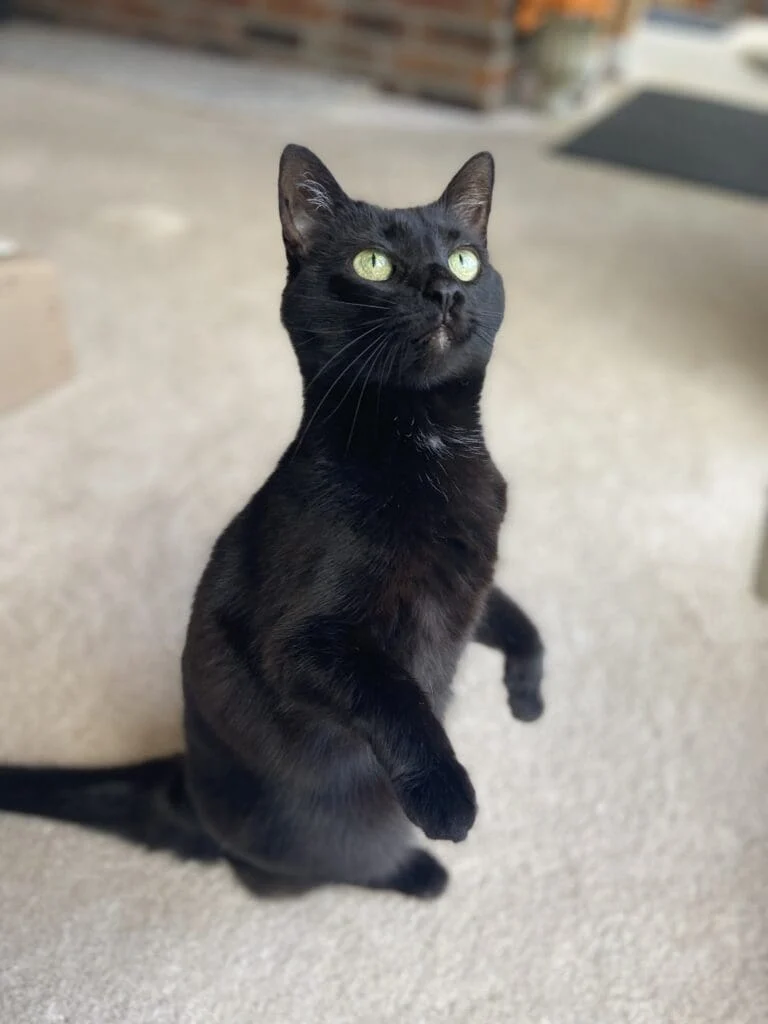
- Training as Enrichment: Basic clicker training—such as teaching a cat to touch a target or "high-five"—keeps the brain sharp. Sessions should be kept brief (no more than 3–5 minutes) to avoid fatigue.
2. Mobility Maintenance and Physical Activity
Mobility is the cornerstone of a senior cat’s confidence. If a cat feels physically vulnerable due to joint pain, they will cease to explore their territory.
- Modified Play: Shift the focus from vertical hunting (leaping) to horizontal hunting (stalking).
- Joint Support: Discuss with your veterinarian the use of omega-3 fatty acids or joint supplements, which can significantly improve comfort levels for cats with early-stage arthritis.
- The Importance of Movement: Consistent, low-impact movement keeps synovial fluid moving in the joints, preventing the "stiffening" effect that often leads to further isolation.
3. Environmental Ergonomics
The senior cat’s environment must be audited to ensure safety and accessibility.
- Vertical Access: If your cat can no longer jump to a favorite window perch, install a ramp or step-stool.
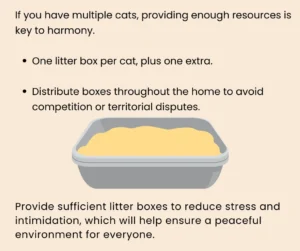
- The Litter Box Audit: As cats age, their range of motion decreases. Switch to boxes with low entry points to minimize the effort required to get in and out. Increase the number of boxes throughout the home to reduce the distance a cat must travel when the urge arises.
- Vision and Sensory Aids: If a cat’s vision is failing, maintain a strict, unchanging layout of furniture. Use motion-activated nightlights to help them navigate in the dark and add textured mats near stairs to signal elevation changes.
Official Veterinary Perspectives: A Holistic Approach
Veterinary behaviorists and geriatric specialists emphasize that the "specialness" of the senior years relies on the human-animal bond. When an owner takes the time to modify their home to accommodate a cat’s physical decline, they are not just providing convenience; they are providing dignity.
"The goal is to keep the cat as engaged in the family dynamic as they were in their youth," notes feline behavior experts. This includes grooming assistance—as many senior cats lose the flexibility to groom their lower backs or tails—and monitoring temperature regulation. Senior cats often struggle to maintain body heat, making heated beds or sun-drenched areas even more critical during colder months.

Implications for the Future of Feline Ownership
The implications of these findings are clear: our role as cat guardians must evolve alongside our feline companions. The "hands-off" approach to cat care, where the owner provides food and shelter but expects the cat to be self-sufficient, is insufficient for the geriatric cat.
The successful management of a senior cat requires:
- Increased Vigilance: Identifying subtle changes in appetite, litter box habits, or grooming routines.
- Financial and Emotional Investment: Accepting that twice-yearly vet visits and home modifications are a standard part of the lifetime commitment.
- Environmental Empathy: Looking at the home through the eyes of a cat who may have diminished sight, stiff joints, and less energy.
Ultimately, the goal is to ensure that the final chapter of a cat’s life is defined by comfort, love, and security. By integrating these three pillars—mental stimulation, physical activity, and environmental adaptation—owners can ensure that their senior companions remain active, interested, and deeply connected to their families until the very end.
Conclusion: A Call to Action
If you have been avoiding veterinary visits due to the stress of transport or the fear of a diagnosis, the time to change that pattern is now. Modern veterinary clinics are increasingly aware of the "fear-free" approach, and many offer strategies to make the trip less stressful for both you and your cat.

Your cat has given you years of companionship; providing them with the high-quality care they need to navigate their senior years is the ultimate act of gratitude. Consult with your veterinarian today to establish a senior wellness plan, and start making the simple, essential environmental changes that will turn your home into a sanctuary for your aging friend. Your cat’s comfort, health, and happiness are a priority—and they depend entirely on you.