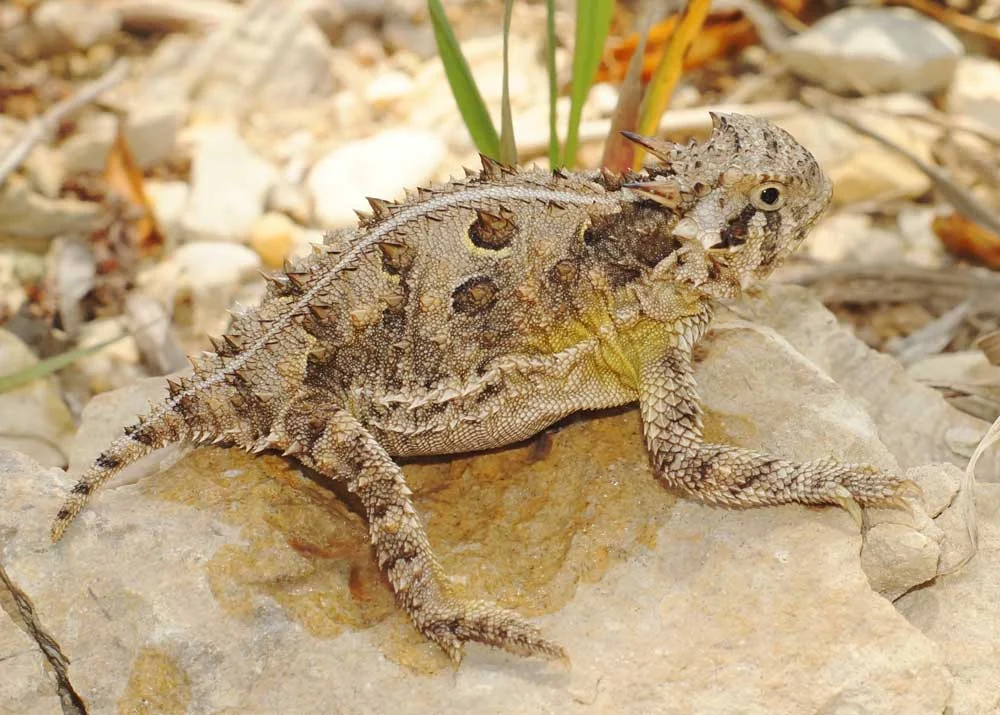
TYLER, TEXAS — In a major victory for regional biodiversity and reptile conservation, the Caldwell Zoo has announced the successful conclusion of its sixth breeding season for the iconic Texas horned lizard (Phrynosoma cornutum). Often affectionately referred to as "horny toads" or "horned frogs," these prehistoric-looking reptiles have experienced a dramatic and deeply concerning decline across the American Southwest over the past several decades.
However, dedicated conservation efforts at the Texas-based facility are offering a glimmer of hope. During the recent breeding cycle, zoo officials confirmed the successful hatching of three distinct clutches, yielding an impressive total of 64 healthy hatchlings. This milestone underscores the growing importance of collaborative, zoological-backed conservation programs aimed at restoring native species to their historic ranges before it is too late.
Main Facts
The recent hatching of 64 Texas horned lizard hatchlings at the Caldwell Zoo represents a significant step forward in the preservation of a species currently listed as Threatened by the state of Texas.
- The Milestone: In its sixth consecutive successful breeding season, the zoo welcomed 64 hatchlings divided among three separate clutches.
- The Partnership: The initiative is part of a broader, coordinated conservation strategy executed in direct partnership with the Texas Parks and Wildlife Department (TPWD).
- The Lifecycle: Adult female Texas horned lizards typically lay one clutch per year, with numbers generally ranging between 15 and 30 eggs, though clutch sizes can occasionally span from 10 to 40. Incubation periods usually last between six and eight weeks, heavily influenced by ambient and controlled temperatures.
- Specialized Care: To maximize survival rates, the Caldwell Zoo constructed bespoke habitats tailored specifically to the behavioral and physiological needs of mating pairs. Once eggs are deposited, zookeepers carefully transfer them to specialized incubators. Upon hatching, the young lizards are moved to climate-controlled rearing environments and placed on a specialized diet consisting of termite larvae, fruit flies, and small crickets.
Despite these captive-breeding successes, the wild population of Phrynosoma cornutum faces mounting pressures that threaten its long-term survival in nature. Habitat fragmentation, urban sprawl, the introduction of non-native vegetation, and the proliferation of invasive fire ants have devastated populations across Texas and Oklahoma.
Chronology of the Breeding Program
The journey toward establishing a sustainable, reliable captive-breeding protocol for the Texas horned lizard has been methodical, requiring years of trial, observation, and refinement by the Caldwell Zoo’s herpetology team.
Phase One: Foundation and Habitat Development (Pre-2020)
Long before the first successful clutch was recorded, zoo administrators and animal care staff recognized the precarious status of the Texas horned lizard in the wild. Discussions with state wildlife biologists highlighted the urgent need for ex-situ (off-site) conservation breeding programs. The zoo committed resources to design specialized outdoor and indoor enclosures that could mimic the arid, sun-drenched environments required by the species for natural courtship and brumation behaviors.
Phase Two: Initial Successes and Protocol Refinement (2020–2023)
The zoo officially launched its specialized breeding initiative, navigating the steep learning curve associated with captive reptile reproduction. Early years focused on understanding the delicate balance of temperature, humidity, and substrate needed to encourage mating pairs to reproduce. During this period, protocols for egg collection and artificial incubation were perfected, sharply reducing embryo mortality rates that often plague wild nests exposed to heavy rains, extreme heat, or predators.
Phase Three: Scaling Up and Collaborative Releases (2024–2025)
As husbandry techniques matured, the number of consistent, viable clutches increased. The Caldwell Zoo transitioned from experimental breeding to a standardized production model. Working hand-in-hand with state ecologists, the facility began laying the groundwork for eventual reintroduction phases, ensuring that captive-born lizards possessed the necessary vigor and behavioral traits to transition successfully into the wild.
Phase Four: The 2026 Milestone Season
Culminating years of accumulated expertise, the 2026 season proved to be a banner year for the facility. Securing 64 hatchlings from three separate clutches demonstrated that the zoo’s captive management protocols are not only stable but capable of producing meaningful numbers of offspring destined for future repopulation efforts across the Texas landscape.
Supporting Data and Biological Profile
To fully understand the significance of the Caldwell Zoo’s achievement, one must examine the unique biology, historical abundance, and ecological niche of the Texas horned lizard.
Taxonomy and Distribution
Scientifically classified as Phrynosoma cornutum, the Texas horned lizard belongs to the family Phrynosomatidae. Of the approximately 15 recognized species of horned lizards inhabiting the United States, P. cornutum is by far the most widely distributed. Historically, their range extended throughout much of Kansas, Oklahoma, Texas, New Mexico, Arizona, and parts of northern Mexico. Today, however, they have been extirpated from significant portions of their historic range, particularly in central and eastern Texas.
Physical Adaptations and Behavior
Often misidentified as amphibians due to their colloquial names ("horny toad" or "horned frog"), these creatures are true reptiles equipped with remarkable evolutionary adaptations:
- Camouflage: Their mottled, earthy coloration provides exceptional crypsis against sandy soils, gravel, and desert scrub.
- Defense Mechanisms: When threatened by predators such as snakes, coyotes, or birds of prey, horned lizards can inflate their bodies to appear more formidable. In extreme cases, select species within the genus can restrict blood flow from their head, increasing sinus pressure and forcing fine streams of blood from the corners of their eyes—a startling defense designed to deter canine and feline predators.
- Thermoregulation: As ectotherms, they rely heavily on behavioral thermoregulation, basking on warm rocks and roads during the morning hours and burying themselves in loose sand during the heat of the day or overnight.
Dietary Specialization: The Ant Dependency
One of the primary biological hurdles in both maintaining horned lizards in captivity and supporting wild populations is their strict dietary specialization. Texas horned lizards are specialist predators, relying almost entirely on native harvester ants (genus Pogonomyrmex) for sustenance.
An adult lizard requires a staggering number of ants daily to meet its metabolic needs. This specialized diet presents a severe conservation bottleneck: if native ant populations decline, the lizards inevitably starve. Furthermore, this extreme dietary requirement explains why Texas horned lizards make notoriously poor household pets. Well-meaning individuals who capture wild "horny toads" frequently watch them perish within weeks due to a lack of a continuous, specialized supply of live harvester ants.
Official Responses and Conservation Perspectives
The announcement from the Caldwell Zoo has drawn praise from conservationists, herpetologists, and state wildlife officials alike, highlighting the synergy between modern zoological institutions and state-level wildlife management.
In a video release detailing the recent hatching success, Dallas, a representative from the Caldwell Zoo, emphasized the profound ecological stakes involved in the program:
"We had three different clutches, and all together, we have 64 hatchlings. This breeding program is super special and important because Texas horned lizards are disappearing throughout the state. So working together with Texas Parks and Wildlife, we are able to breed them and have lots of little baby hatchlings, grow them up big and strong, and then be able to release them back out onto the landscape."
Wildlife biologists note that institutional breeding programs serve as vital insurance policies against local extinction. While protecting existing wild habitat remains the gold standard of conservation, the reality of widespread habitat degradation means that active intervention—such as head-starting programs—is often required to jumpstart recovery in areas where populations have fallen below viable thresholds.
The partnership with the Texas Parks and Wildlife Department ensures that every phase of the project—from genetic management to eventual release site selection—adheres to rigorous scientific standards. Biologists carefully track the lineage of captive adults to maintain genetic diversity, preventing inbreeding depression and ensuring that the resulting hatchlings are robust enough to face natural selection upon release.
Implications for the Future of Texas Ecosystems
The success at the Caldwell Zoo carries broad implications for the future of semi-arid and grassland ecosystems in the American Southwest. The disappearance of the Texas horned lizard is not an isolated phenomenon; rather, it serves as a bioindicator for the health of entire regional habitats.
Drivers of Decline
The ongoing struggles of Phrynosoma cornutum are tied directly to anthropogenic (human-caused) pressures:
- Habitat Loss and Fragmentation: Urban expansion, road construction, and the conversion of native rangelands into agricultural fields or suburban developments have steadily erased the loose, sandy soils required by the lizards for burrowing and egg-laying.
- Agricultural Alterations: The planting of non-native, dense grasses (such as Coastal Bermuda grass) alters the structural landscape, making it difficult for the lizards to maneuver, forage, or locate open basking sites.
- Invasive Species Pressures: The accidental introduction of the red imported fire ant (Solenopsis invicta) has been catastrophic. Not only do fire ants aggressively prey upon native harvester ant colonies—thereby starving the lizards—but their venomous stings can also directly kill young or adult horned lizards. Furthermore, widespread pesticide use aimed at controlling fire ants often inadvertently decimates the native insect populations upon which the ecosystem relies.
The Path to Restoration
Addressing these multi-layered threats requires a two-pronged approach: landscape-level habitat conservation and active population supplementation.
Institutions like the Caldwell Zoo play a pivotal role in the latter. By "head-starting"—raising hatchlings through their most vulnerable early life stages in a controlled, predator-free environment—the zoo dramatically increases the statistical odds of survival. Once these young lizards reach a robust size, they are systematically reintroduced into protected, managed public and private lands where invasive species are controlled and native harvester ant populations are stable.
Ultimately, the 64 new hatchlings at the Caldwell Zoo represent far more than just a seasonal milestone for a single facility. They stand as a testament to what dedicated stewardship, scientific rigor, and inter-agency collaboration can achieve. As these tiny lizards grow "big and strong" under the watchful eye of professional keepers, they carry with them the flickering hope of a restored American Southwest—one where the familiar, gentle silhouette of the "horny toad" may once again thrive across its native Texas range.