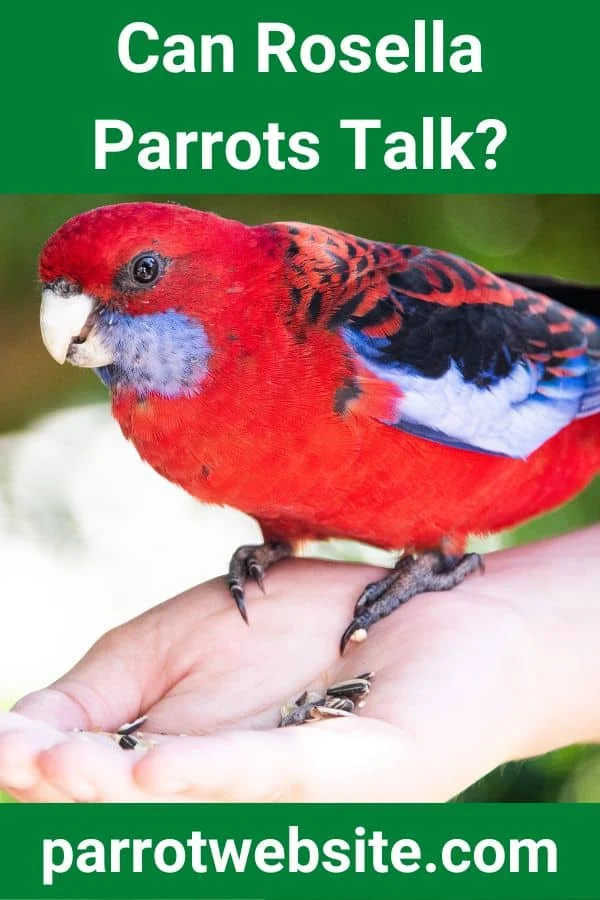
When prospective bird owners begin their search for a companion parrot, the image of a feathered friend mimicking human speech is often the primary motivator. It is a cinematic trope—the parrot that repeats phrases, answers the phone, or greets guests by name. However, the reality of parrot ownership is far more nuanced. Among the diverse species available, the Rosella—a stunningly vibrant, intelligent, and charismatic Australian native—occupies a unique place in the avian world.
If you are considering bringing a Rosella into your home, it is essential to manage your expectations regarding their vocal repertoire. While they possess the biological hardware for speech, they are rarely the "chatterboxes" many novices expect. This guide explores the biological, behavioral, and practical realities of life with a Rosella.
Main Facts: Biology and Behavioral Inclinations
To understand why a Rosella might choose a whistle over a word, we must first look at the anatomy of the parrot. All parrots, including the Rosella, possess a syrinx—the vocal organ located at the base of the trachea—which allows for the production of complex sounds. In the wild, this apparatus is used for species-specific communication, territorial defense, and mate attraction.
The Instinctual Preference
The key distinction between a "talking" parrot and a "singing" parrot lies in behavioral inclination. In their native Australian habitats, Rosellas communicate through melodic whistling and intricate song patterns. Unlike the African Grey or the Amazon parrot, which have evolved to mimic environmental sounds as a survival or social strategy, the Rosella is genetically programmed to favor musicality.
When you bring a Rosella into your home, you are not merely adopting a pet; you are bringing in a creature governed by millions of years of evolutionary instinct. Even when raised in a human household from infancy, the Rosella’s "default setting" is to replicate the sounds that appeal to its aesthetic sensibilities: the chirping of birds, the hum of household appliances, and, most notably, complex human-generated whistles.
Chronology of Development: From Hatching to Adulthood
The trajectory of a Rosella’s life is critical to its development as a companion. Understanding the timeline of their growth can help owners set realistic goals.
The Formative Months (0–6 Months)
The foundation of a Rosella’s personality and social capability is laid in the first six months. During this period, the bird is in a "sensitive phase" of neurological development. Exposure to consistent human interaction, gentle handling, and diverse sounds is paramount. If you intend to encourage vocalization, this is the window of opportunity. Experts suggest that consistent, calm, and clear repetition of short words or sounds during this stage yields the best results.
The Adolescent Phase (6–12 Months)
As the Rosella approaches its first birthday, its personality begins to solidify. By the time a bird reaches one year of age, its vocal patterns are usually well-established. If a Rosella has not begun to mimic human speech by the twelve-month mark, it is statistically unlikely that it will develop into a significant "talker" later in life.
Maturity and Consistency (1 Year and Beyond)
Once a Rosella reaches maturity, its behavioral traits—including its propensity to sing versus speak—become ingrained. While they may learn a new word sporadically, their primary mode of communication will remain the melodic, whistled songs they have perfected. Owners should celebrate these whistles as high-level displays of intelligence and comfort, rather than viewing them as a failure of speech training.
Supporting Data: The Reality of Species Variance
It is a common misconception that all parrots are created equal in terms of linguistic output. Ornithological studies and breeder data consistently categorize parrots into "high-mimicry" and "low-mimicry" species.
Comparative Linguistics
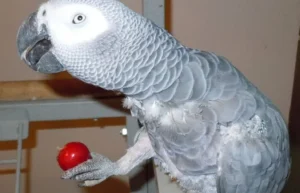
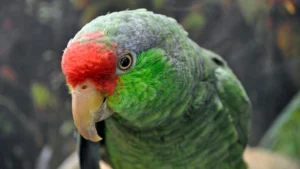
- High-Mimicry Species: Including African Greys, Amazons, and Budgerigars. These birds are biologically inclined to process and reproduce human phonemes with high accuracy.
- Low-Mimicry/High-Musicality Species: Including Rosellas, Conures, and many Australian Parakeets. These species demonstrate high intelligence but channel that intelligence into rhythm, pitch, and tone rather than lexical acquisition.
Data from long-term avian observation suggests that while 100% of Rosellas possess the potential to learn a few words, fewer than 15% of the population will develop a vocabulary exceeding ten words. Conversely, nearly 90% of captive Rosellas will master at least three distinct, complex whistling patterns or songs.
Official Perspectives: The Role of the Breeder
The consensus among reputable avian breeders is that the "talking" factor should never be the primary reason for choosing a Rosella. Professional breeders emphasize that a bird’s temperament, health, and ability to bond with humans are far more significant indicators of a successful pet experience.
The Importance of Ethical Sourcing
An official stance held by avian welfare organizations is that purchasing a hand-reared bird from a reputable breeder is the only way to ensure the animal is well-socialized. A bird that has been handled from the moment it leaves the nest is significantly more likely to be calm, confident, and responsive. However, breeders warn that no amount of professional handling can "force" a bird to become a talker. Their advice is universal: "Love the bird for what it is, not for what you want it to say."
Implications for Prospective Owners
Choosing to welcome a Rosella into your home carries several implications that extend beyond the question of vocalization.
The Noise Factor
Prospective owners must be aware that while Rosellas may not be "talkers," they are certainly not "quiet" birds. They are vocal creatures by nature. A happy, healthy Rosella will spend a significant portion of its day whistling, chirping, and occasionally emitting sharp, high-pitched contact calls. If you are seeking a silent pet, a parrot—regardless of species—is not the appropriate choice.
The Bonding Process
The lack of speech does not equate to a lack of connection. Rosellas are renowned for their ability to form deep, affectionate, and loyal bonds with their human companions. They are observant, inquisitive, and highly sensitive to their owner’s emotional states. Many owners find that the bond they share with their Rosella is more profound than that of a "talking" bird, precisely because the connection is built on shared presence, trust, and physical interaction rather than rote mimicry.
Training and Enrichment
If you are determined to attempt speech training, the methodology must be based on positive reinforcement.
- Positive Association: Use a clicker or a specific verbal marker to signal when the bird has made a sound you wish to encourage.
- Early Exposure: Play recordings of the desired words or whistles in short, clear bursts.
- Consistency: Keep sessions short (5–10 minutes) to prevent frustration for both the bird and the owner.
- Manage Expectations: Understand that even with daily training, your Rosella may decide that whistling a theme song from a television show is far more rewarding than repeating a greeting.
Conclusion: Embracing the Rosella’s Unique Voice
The Rosella is a bird of extraordinary beauty and temperament. While it may not fill your home with the conversational banter of an African Grey, it will fill your home with life, movement, and music.
If the primary goal of your pet search is a bird that can carry on a conversation, you would be better served by researching species known for high-level speech mimicry. However, if you are looking for an intelligent, interactive, and stunningly beautiful companion that will reward your patience with affection and a delightful array of songs, the Rosella is an exemplary choice.
Ultimately, the "value" of a companion animal is not found in its ability to mimic human language, but in the joy it brings to your daily life. The Rosella offers a unique, vibrant, and deeply rewarding experience for those who appreciate the song of a bird as much as, or perhaps more than, the spoken word. By understanding their nature, respecting their biological limitations, and fostering an environment of trust, you will find that a Rosella does not need to say a word to tell you exactly how much they love you.