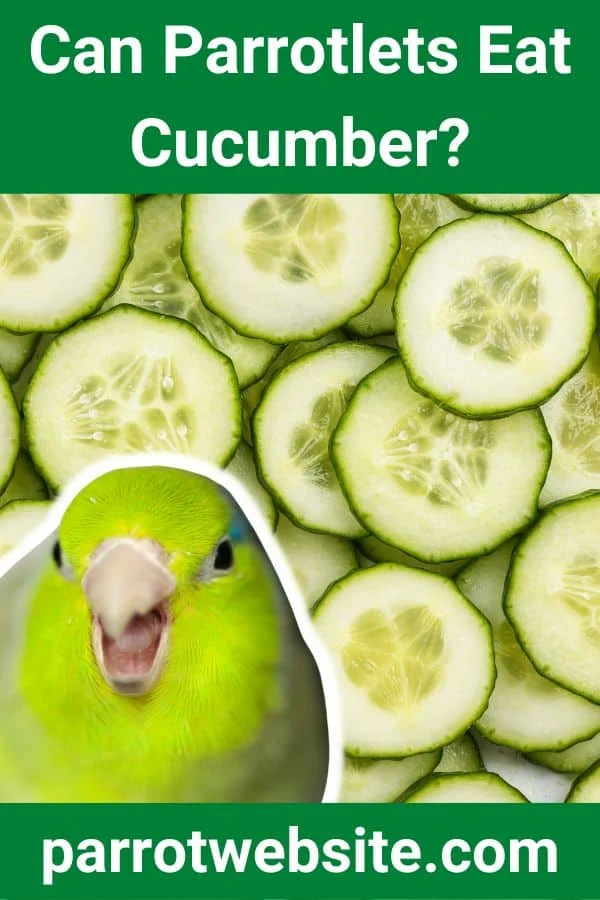
For avian enthusiasts and parrotlet owners, the pursuit of the perfect, balanced diet is a constant endeavor. While these miniature parrots—often referred to as "pocket parrots"—are known for their spirited personalities and high energy, they are also sensitive creatures that require precise nutritional management. One common question that frequently surfaces in avian nutrition circles is the suitability of the humble cucumber. Is this crisp, water-dense fruit a safe addition to a parrotlet’s meal plan, or does it pose hidden risks?
The short answer is an unequivocal yes. Cucumber is not only safe for parrotlets but can serve as a refreshing, hydrating, and nutrient-dense treat. However, as with most dietary inclusions for exotic birds, the devil is in the details regarding portion control, preparation, and frequency.
Main Facts: Understanding the Cucumber Profile
At its core, the cucumber (Cucumis sativus) is a fruit, despite its culinary classification as a vegetable. For a parrotlet, which typically consumes a diet of high-quality pellets, seeds, and occasional grains, fresh produce is essential for enrichment and micronutrient intake.
Nutritional Composition
Cucumbers are comprised of approximately 96% water. While this may suggest a lack of density, it is actually a primary benefit for captive birds that may struggle with hydration. Beyond its hydration properties, the cucumber offers:
- Dietary Fiber: Essential for maintaining a healthy gastrointestinal tract and preventing impaction.
- Vitamin C: A powerful antioxidant that supports immune system function and aids in the repair of tissues.
- Vitamin K: Crucial for blood coagulation and protein synthesis.
- Essential Minerals: A blend of magnesium, potassium, and manganese, which collectively support bone density, nerve transmission, and muscular function.
Chronology and Dietary Evolution
To understand the necessity of fresh produce in a parrotlet’s life, one must look at their evolutionary history. Parrotlets, native to the tropical regions of Central and South America, are natural foragers. In the wild, their diet consists of a seasonal rotation of fruits, seeds, blossoms, and buds.
When humans brought these birds into domestic settings, the primary challenge became replicating this diversity. Historically, pet bird diets were dominated by dry seed mixes, which often led to nutritional deficiencies. Over the last three decades, avian nutrition has shifted toward "whole food" models. The introduction of fresh, raw vegetables like cucumber represents a modern approach to mimicking the wild foraging experience, providing not just sustenance, but sensory stimulation that prevents the psychological stagnation often seen in caged birds.
Supporting Data: Why Variety Matters
The physiological health of a parrotlet is inextricably linked to the variety of their intake. Relying on a monochromatic diet—such as a single brand of pellet or a basic seed mix—often results in "boredom eating" or selective feeding habits.
Antioxidants and Cellular Health
The inclusion of vitamin C in a parrotlet’s diet is more than just a booster; it is a defensive strategy. Free radicals, which are unstable atoms that can damage cells, are a byproduct of both environmental stress and normal metabolism. By providing vitamin C-rich foods like cucumber, owners help supply the antioxidants necessary to neutralize these radicals, potentially reducing the risk of degenerative conditions as the bird ages.
Electrolyte Balance
The potassium found in cucumbers plays a critical role in fluid regulation. For small birds with high metabolic rates, maintaining the correct electrolyte balance is vital for heart and kidney function. Because cucumbers are not as sugar-dense as many other fruits (like apples or berries), they provide these minerals without the risk of spikes in blood glucose levels.
Expert Perspectives and Safety Implications
Veterinary nutritionists often emphasize that while cucumber is "safe," it is a "dilute" food. Because of its high water content, it should never replace the calorie-dense components of a parrotlet’s diet.
The Moderation Mandate
The most common error owners make is over-feeding. Due to the high water content, excessive consumption of cucumber can lead to loose stools or diarrhea. Because the fruit is highly palatable, birds may choose it over more nutrient-dense staples.
- Recommendation: Limit cucumber to one or two servings per week.
- Serving Size: A small slice (roughly the size of a parrotlet’s head) is sufficient.
Preparation Best Practices
The way you serve cucumber matters as much as the amount.
- Raw is Best: Cooking cucumber destroys the water structure and leaches out heat-sensitive vitamins. Furthermore, cooked vegetables often lose their satisfying "crunch," which is part of the enrichment process for a bird’s beak.
- Skin and Seeds: The skin is perfectly edible and contains concentrated nutrients. However, it is vital to wash the cucumber thoroughly—ideally using organic produce—to remove any trace of pesticides, fungicides, or waxes used in commercial farming. The seeds are also non-toxic and safe for consumption, unlike the seeds of some other fruits (such as apples or cherries, which contain trace cyanogenic compounds).
- Hygiene: Because cucumber is wet and fibrous, it spoils quickly in a warm cage environment. Any uneaten portions must be removed within 2–4 hours to prevent the growth of bacteria or mold.
Implications for Different Cucumber Varieties
Not all cucumbers are created equal, though most are acceptable for avian consumption.
English and European Cucumbers
These are the most recommended varieties. They are generally thinner-skinned, seedless (or near-seedless), and less bitter. Their mild flavor profile makes them highly palatable to finicky parrotlets.
Armenian Cucumbers
Often confused with melons, these are technically a type of cucumber. They are perfectly safe for parrotlets. They tend to have a slightly more intense, sometimes bitter flavor, which some birds enjoy as a form of sensory enrichment.
The Avoidance of Pickled Products
It is essential to distinguish between fresh cucumbers and "pickles." Pickled cucumbers are preserved in vinegar, salt, and often garlic, onions, or spices. These are strictly prohibited. High sodium levels can lead to dehydration and kidney failure in birds, while garlic and onions are toxic to the avian cardiovascular system.
Conclusion: A Balanced Approach to Bird Care
Cucumber is a stellar, low-calorie, and hydrating treat that deserves a place in a well-curated parrotlet diet. It provides necessary vitamins, promotes gut health, and offers a pleasant texture that keeps our feathered companions engaged.
However, its utility is defined by its limitations. By viewing cucumber as a "supplementary treat" rather than a "dietary pillar," owners can ensure their parrotlets enjoy the benefits of this fruit without falling victim to the pitfalls of over-nutrition or digestive distress.
When integrating new foods into your bird’s routine, always monitor for changes in stool consistency or behavioral shifts. With a commitment to variety—rotating cucumbers with leafy greens, peppers, and occasional grains—you can ensure your parrotlet lives a long, vibrant life. After all, a healthy bird is a happy bird, and the path to that happiness is built on the foundation of informed, careful, and varied nutrition.