For many bird enthusiasts, the parakeet (or budgerigar) represents the quintessential avian companion: intelligent, vibrant, and surprisingly fastidious. However, a common misconception among novice owners is that birds are self-cleaning entities that require little human intervention regarding their plumage. While parakeets are undeniably adept at preening, they are far from "self-sufficient" when it comes to deep-cleaning their feathers.
To maintain the health, aesthetic appeal, and psychological well-being of your parakeet, providing consistent opportunities for bathing is not merely an option—it is a fundamental aspect of responsible pet ownership.
Main Facts: The Biological Imperative for Bathing
At their core, parakeets are creatures of instinct. In the wild, these birds possess a natural drive to seek out water sources, not just for hydration, but for the removal of dander, dust, and environmental debris that accumulates within their plumage. Unlike mammals, which might use tongues or paws to groom, birds rely on a specialized process known as preening, combined with the mechanical assistance of water.
Why Preening Isn’t Enough
Preening is the process by which a bird uses its beak to realign feathers and distribute oils from the uropygial gland (the preen gland). While this is vital for maintaining aerodynamic efficiency, it does not remove the buildup of skin scales, dried mud, or airborne pollutants. Over time, these particles can cause skin irritation, dull the vibrant colors of the feathers, and even lead to respiratory discomfort if the bird inhales excessive dust. Water acts as a solvent, loosening these particles so the bird can effectively "shake off" the grime.
Chronology of Care: Establishing a Routine
Bathing is not a task you perform on your bird; it is a service you provide for them. The process should be integrated into their daily routine to minimize stress and encourage natural behavior.
1. Morning Setup
The best time to offer a bath is early in the day. This ensures that the bird has ample time to dry its feathers before the evening temperature drops. Place a shallow, stable container—a clean, plastic margarine tub or a dedicated commercial bird bath—at the base of the cage.
2. The Introduction Phase
If your parakeet is hesitant, do not force the issue. A bird that is startled by water may develop an aversion to bathing altogether. Instead, practice patience. Some owners find success by gently dipping their own fingers into the water to demonstrate that it is safe. For the first few days, simply leaving the bath in the cage allows the bird to observe and approach it on its own terms.
3. Consistency and Maintenance
The water must be fresh and clean every single day. Parakeets often drink from their bathwater, and a stagnant, soiled container can become a breeding ground for bacteria. By providing a clean station daily, you mimic the natural availability of water found in the wild.
Supporting Data: Why Instincts Matter
In their native Australian habitat, wild parakeets are known to bathe in shallow pools, streams, and even dew-covered foliage. This behavior is so deeply ingrained that even captive-bred birds display an immediate, reflexive reaction to the sound of running water or the sight of a shallow basin.
Research into avian behavior indicates that birds with regular access to bathing opportunities exhibit:
- Reduced Stress Levels: The act of bathing is a dopamine-releasing activity that provides mental stimulation.
- Improved Feather Integrity: Feathers that are regularly hydrated maintain their flexibility, preventing them from becoming brittle or breaking during flight.
- Better Skin Health: Proper moisture levels prevent the skin from drying out, which is a common issue in indoor environments where air conditioning or central heating is present.
Official Responses and Expert Perspectives
Avian veterinarians universally advocate for a "choice-based" approach to hygiene. Dr. Sarah Jenkins, an expert in avian care, notes: "The goal is to provide the bird with autonomy. When a parakeet chooses to bathe, it is exercising its natural instincts, which leads to a more confident and adjusted pet."
Experts emphasize that "bathing" is a misnomer in the human sense. You should never soap, scrub, or force a bird into a sink. Parakeets possess delicate respiratory systems and fragile feather structures. Human soaps can strip the natural, protective oils from their feathers, leading to waterlogging or skin infections. The consensus is clear: water alone is the only cleaning agent required.
The "Shower" Alternative: Misting and Fountains
Not every parakeet prefers a traditional bath. Some birds find the concept of a deep pool intimidating, while others may be "shower enthusiasts."
Misting Techniques
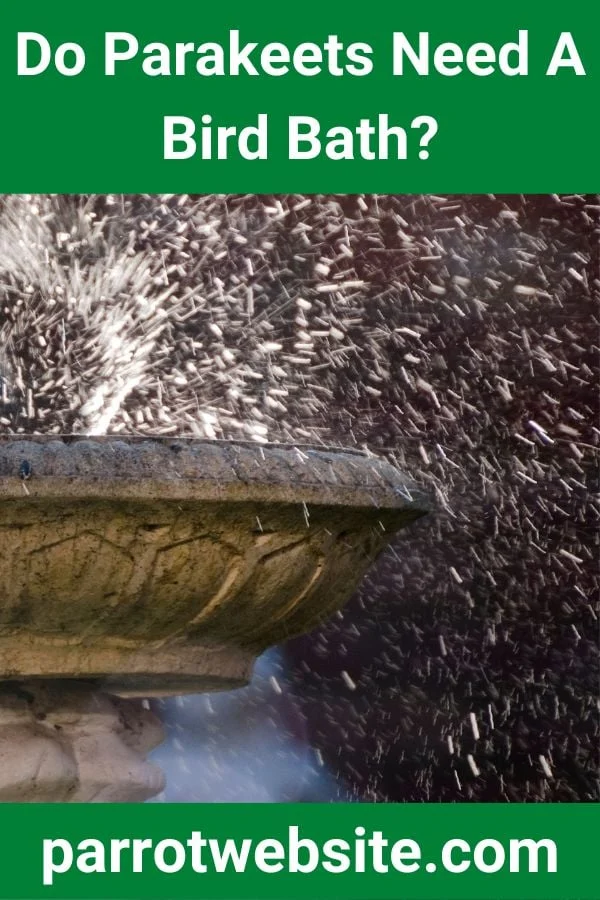
For birds that are hesitant, a fine-mist spray bottle (dedicated strictly to the bird, with no history of chemicals) is an excellent tool. The mist mimics a light rainfall, which is a powerful trigger for grooming behavior. Start by spraying the air above the bird, letting the mist fall gently over them. If they extend their wings and fluff their feathers, you have found their preferred method of bathing.
The Appeal of Fountains
Many owners report success with small, battery-operated bird fountains. The sound of running water is an irresistible auditory cue for a parakeet. A fountain provides a constant, moving water source that is often more enticing than a static dish, particularly for birds that enjoy standing under a "drip" to clean their wings.
Implications: Managing the Environment
The environment in which you keep your parakeet plays a critical role in the success of their grooming routine.
Temperature and Safety
Temperature regulation is the most important factor after the bath. A wet bird is highly susceptible to chills. Ensure the room temperature remains at a consistent 70°F (21°C) or higher. Never use a hairdryer to dry your bird; the heat is too intense and can cause dehydration or thermal shock, and the non-stick coatings in many heating elements release fumes that are lethal to birds. Instead, allow for natural air-drying in a draft-free, sunny spot.
The Winter Dilemma
A common question involves whether birds should bathe in the winter. The answer is a resounding yes. Because captive birds live in climate-controlled environments, they do not experience "seasons." By maintaining a steady, warm temperature throughout the year, you ensure that your parakeet’s grooming needs remain uninterrupted regardless of the weather outside.
Dealing with "Non-Bathers"
What if your bird refuses to bathe? First, assess the container. Is it too deep? Parakeets prefer shallow water where they can stand securely. Second, assess the location. If the bath is in a high-traffic area, the bird may feel vulnerable. Try moving the bath to a quiet, secluded corner of the cage. If they still refuse, continue to offer the misting option. Some birds are simply "slow adapters," and it may take weeks or even months for a bird to develop a routine.
Conclusion: A Happier, Healthier Companion
The act of bathing is a barometer for a parakeet’s overall health and happiness. A bird that is motivated to groom is generally a bird that feels safe, secure, and physically comfortable.
By providing a consistent, stress-free environment where your parakeet can choose how and when to bathe, you are doing more than just keeping them clean—you are fulfilling a vital psychological need. Whether it is a simple margarine tub, a professional-grade bird fountain, or a gentle misting session, the time you invest in facilitating these moments will be rewarded with a cleaner, more vibrant, and undeniably happier companion.
Remember: observe your bird, offer the options, and respect their pace. With a little patience, you will soon see that the most essential tool for your parakeet’s health is a simple, shallow bowl of fresh, clean water.